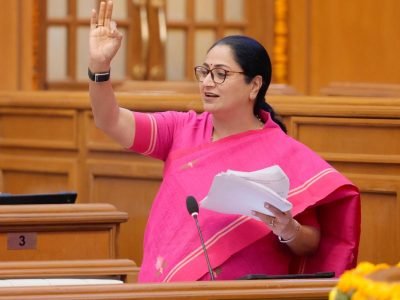
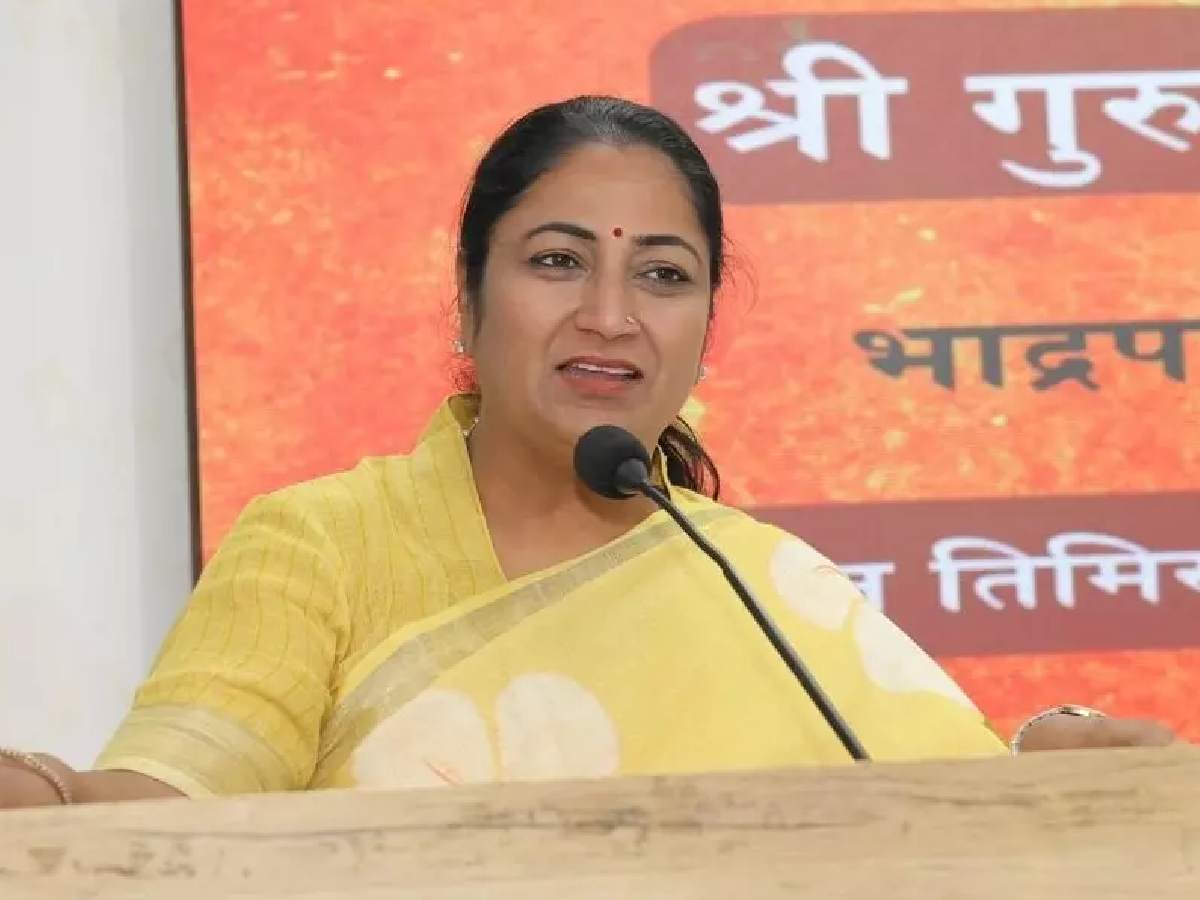
Prime Minister Narendra Modi always stood with Delhi and took care of the needs of the city in the past 11 years, Chief Minister Rekha Gupta said on Wednesday.
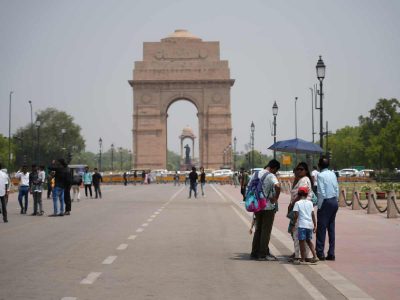
Addressing a gathering at Kartavya Path on the occasion of Prime Minister Modi’s 75th birthday, Gupta said he worked for every state’s welfare, treating them in an equal manner.
Delhi wants to thank the prime minister on his birthday for the Centre’s contributions towards infrastructure development and other initiatives to make life easier for the people of the city, she said.
“I want to thank Modi ji for the Rs 1.25 lakh crore spent on improving connectivity through a network of expressways and roads, 400 kms of Metro rail network in the city, and grants of crores of rupees from the Centre for Yamuna cleaning and sanitation.”
“PM Modi always stood with Delhi and cared for its needs. We are resolved to move towards the Viksit Delhi goal as per his vision,” the chief minister said.
Earlier in the morning, Gupta and her Cabinet colleagues donated blood at a camp set up at the Kartavya Path by the Delhi government as part of the “Sewa Pakhwada” initiatives to mark the prime minister’s birthday.
A ‘Sewa Sankalp Walk’ was also flagged off on the occasion.
Read more
Celebrating 60 years of Nehru Park: a modern Indian masterpiece
After an extended rainy season that had kept regulars away, Nehru Park in Delhi is once again bustling with activity. With the skies clear, walkers, joggers, and yoga enthusiasts have returned to this iconic park, established in 1965. In one quiet corner, a reader sits under the shade of a tree, immersed in a novel, adding to the park’s serene charm.
Spanning 75 acres, Nehru Park was developed at a cost of Rs 20 lakh in 1965. Prime Minister Lal Bahadur Shastri laid its foundation on February 25, 1965, and it opened to the public that September. As the park celebrates its 60th anniversary in 2025, it remains a testament to India’s post-independence vision for public green spaces.
Unrest in Kathmandu leaves Nepali diaspora in Delhi fearful and uncertain
Within the cramped lanes of Vasant Vihar, many Nepali nationals in Delhi have built their lives over the years. Yet, even as they find belonging in the city, distance from families across the border weighs heavily, especially as violent protests sweep Nepal.
On September 10, the Nepal Army imposed nationwide restrictions and a curfew following deadly anti-government demonstrations in Kathmandu. The protests forced the resignation of Prime Minister KP Sharma Oli, leaving several buildings ablaze and the nation on edge.