Shaikh Jilani was recently in tears while passing close to the house of Sir William Mark Tully, the renowned British journalist. More often than not, Jilani would see Tully sitting outside his West Nizamuddin home, reading a book or the newspaper. It was difficult for him to accept that Tully would no longer be seen there.
For residents of West Nizamuddin, he was more than a writer or journalist. “For us, he was a father figure, and we always felt proud that such a towering personality lived among us,” said Jilani, a social worker.
A shared life
Tully was an accomplished journalist; his partner, Gillian Wright, was a well-known translator and writer. She assisted him on books such as India in Slow Motion. Together, they lived in a cosy home in a part of New Delhi that sits at the heart of the city yet carries a long and layered history.
For decades, the Tully home was a special place. Writers, journalists and friends gathered there to talk about politics, culture and everyday life. Now, without Tully, those lively meetings have ended. The house feels sedate and empty, though the memories endure.
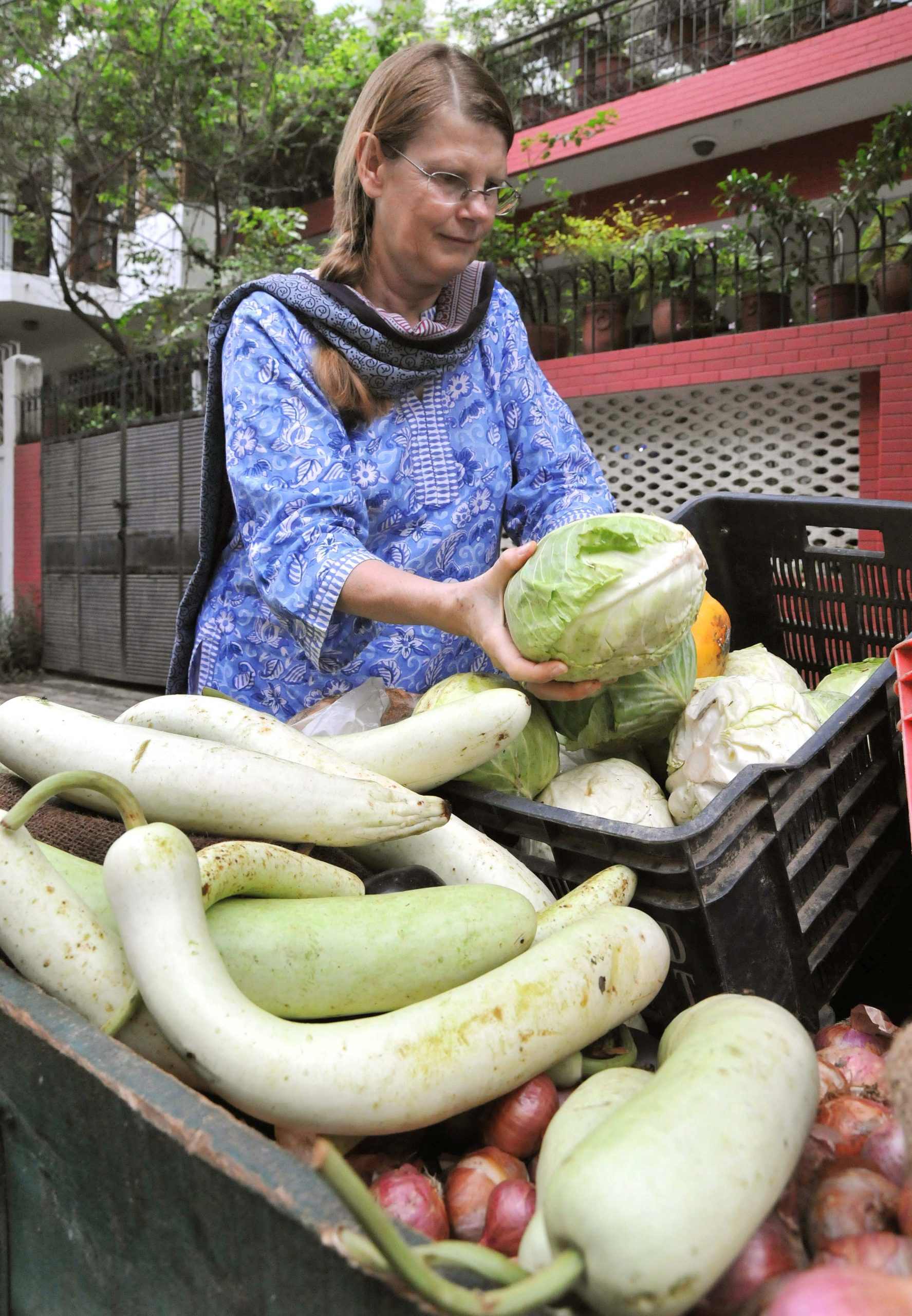
Nizamuddin is named after the Sufi saint Hazrat Nizamuddin Auliya, whose shrine lies nearby. Mirza Ghalib, Amir Khusro and Abdur Rahim Khan-i-Khanan are also buried in the area. With its narrow lanes, green parks and blend of history and modern life, the neighbourhood shaped the rhythm of the house.
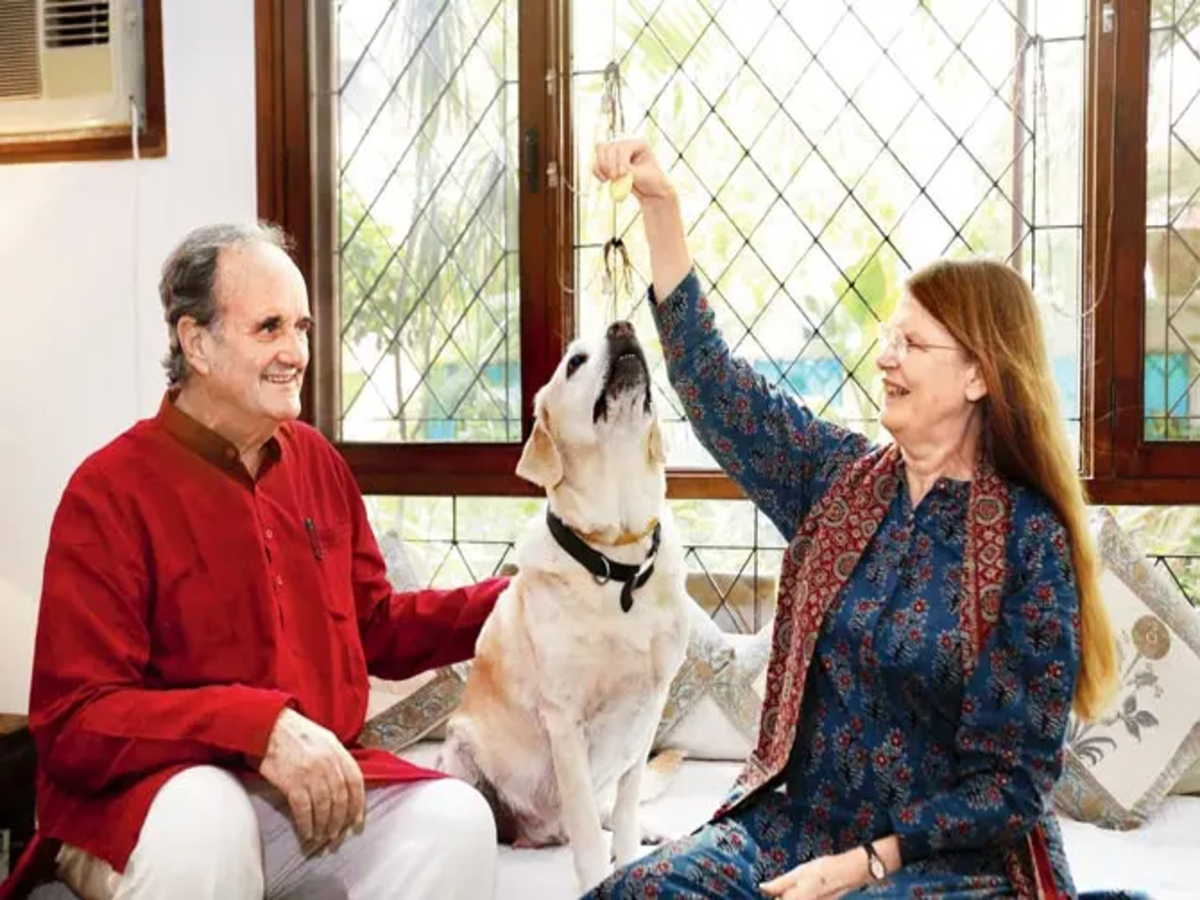
Tully and Gillian’s home was not large, but it was warm and welcoming. The living room had comfortable sofas and bookshelves lined with volumes on Indian history, while the garden was once the playground of their Labrador. The walls carried photographs from Tully’s travels across India — one from a political rally in 1991, another with Mother Teresa. The kitchen often smelled of tea and biscuits. Gillian would prepare English tea infused with Indian masala, and guests felt at ease almost instantly.
The house was close to Humayun’s Tomb and Lodhi Gardens. Dr Aqeel Ahmad of Ghalib Academy recalled, “Tully sahab loved walking there with Gillian. After the walk, he would sit with fellow walkers. The calm of Nizamuddin helped him think clearly about India’s complex stories.”
Gup-shup sessions
For over 40 years, beginning in the 1980s, the house served as a gathering spot. Almost every weekend, people dropped in — well-known writers such as Khushwant Singh, Kuldeep Nayar and Saeed Naqvi, along with journalists from newspapers and television, diplomats and artists.
Tully fondly referred to these meetings as “gup-shup sessions”. Conversations unfolded in the living room or garden. Drinks flowed — sometimes whisky, sometimes just lime soda. Food was simple: samosas, pakoras or Gillian’s homemade sandwiches. Discussions stretched for hours, ranging from elections to cricket.
Satish Jacob, who worked with Tully at the BBC and covered numerous events alongside him, was a regular visitor for decades. A visibly emotional Jacob said he had attended dozens of informal get-togethers at the Nizamuddin home. “The very thought that we will no longer have Mark Tully’s company at these gatherings is not easy to fathom,” he said.
Also Read: The coffee house Delhi refuses to forget
Witness to history
One evening after the demolition of the Babri Masjid in 1992, Tully returned home after reporting from Ayodhya, where he had been attacked by a mob but managed to escape. That night, he hosted a small group of friends. A young journalist, Aroon K, asked him what had happened. Tully leaned back and replied calmly, “It was chaos.”
Even in recent years, the gatherings continued, though on a smaller scale. Age had slowed Tully physically, but his mind remained sharp. During the pandemic, conversations moved online, though nothing replaced meeting in person.
On a rainy evening in 2024, journalists debated climate change and floods in India. Tully remarked, “We must listen to villagers, not just experts.” Veteran journalist and long-time friend Mahendra Ved remembered him as “a white man with no airs, who belonged to those he worked with”. Ved compared him to Ruskin Bond, another Briton who made India his home, and reflected on their association in his book ‘@75 Years As I Saw It’.
Bridge between worlds
Mark Tully’s home was more than a house; it was a bridge between cultures. British by birth, he loved India as his own. At home, he wore kurta-pyjama and spoke fluent Hindi. Gillian, who had lived in India since the 1970s, shared his passion. Together, they created a space without pretension — open, welcoming and generous with advice, especially to young reporters.
Now, the house in Nizamuddin feels subdued. The debates and laughter have faded. The garden no longer echoes with the dog’s playful runs alongside Tully. Gillian may continue to live there, but without him, it is different. The gatherings will not be the same. Yet, many say his spirit lingers.
What becomes of the house remains uncertain. It may turn into a place of remembrance, where friends visit Gillian and exchange stories. Or perhaps she will one day write about their shared life. Future writers may say they wish they had witnessed those Nizamuddin evenings.
Mark Tully’s legacy lives on through his books and reportage. He taught readers to understand India through its people — their struggles, resilience and joys.
“Mark Tully’s home symbolised friendship and curiosity,” said Brother Solomon George of the Delhi Brotherhood Society, who attended Tully’s memorial service at the Cathedral Church of the Redemption near the President’s House. “It showed how one place can hold so many stories. Delhi has lost a gem, but the memories continue to warm our hearts.”
Read More: From Madras Hotel to Annapurna Bhandar: another Delhi culinary legacy fades