India vs Pakistan: September 14, 2025, will go down in cricket’s annals as an unforgettable day after events at the Dubai International Stadium took farcical proportions. A match was indeed played that day, between traditional rivals India and Pakistan, but what happened before, during, and after overshadowed the contest itself.
The encounter became a deadly mix of cricket and real-world India-Pakistan politics, with players and cricket administrators caught in battles they did not create.
India dominate Pakistan on the field
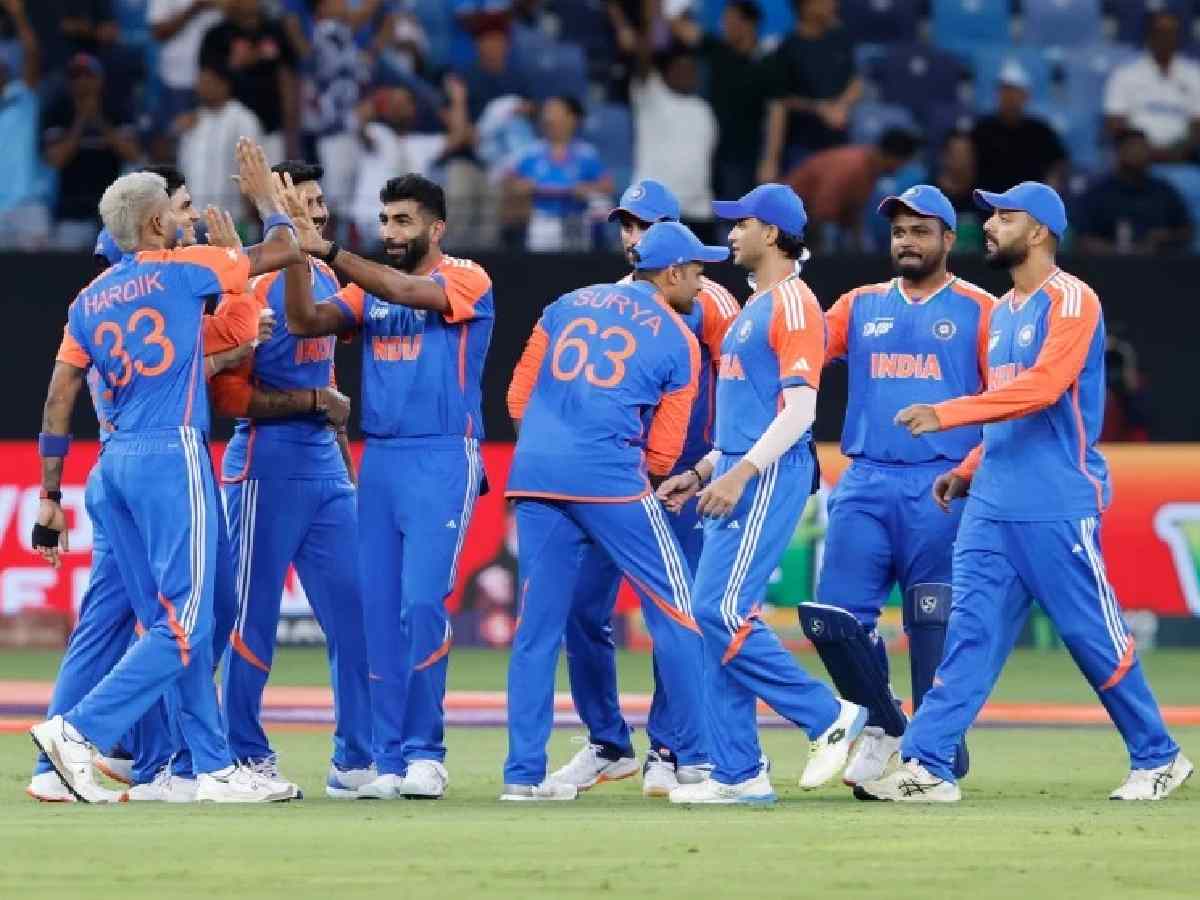
On the pitch, a well-prepared India brushed aside a lacklustre Pakistan in a one-sided Asia Cup tie and later booked a place in the Super Four, even with their final Group A game against Oman still to be played on September 19. India and Pakistan could face each other again in the Super Four, provided Pakistan do not withdraw as speculated after the handshake controversy, and possibly in the final on September 28.
But the cricketing performance itself quickly faded into the background as politics took centre stage.
Boycott calls after Pahalgam attack
The stadium had visible empty seats after calls to boycott the fixture to protest the Pahalgam terror attack in April, when 26 people were killed by terrorists from Pakistan. In response, India launched ‘Operation Sindoor’.
Since the attack, demands to stop playing cricket against Pakistan grew louder. Facing political and public pressure, the Indian government issued a rare written policy on August 21 regarding sporting ties with Pakistan.
That 237-word statement from the sports ministry said India would continue to play Pakistan in multilateral events, both at home and abroad, but would not engage in bilateral series. While the statement contained nothing new, its timing was significant.
Also read: Five exciting match-ups to watch out for in latest India-Pakistan showdown
Olympic Games bid in the background
Observers link this written policy to India’s ambition to host the 2036 Olympic Games, with Ahmedabad projected as the host city. The International Olympic Council (IOC) expects every bid city to commit to non-discrimination, meaning no country can be excluded. India could hardly hope to succeed with its bid while boycotting Pakistan in multi-nation events.
Ahmedabad holds particular importance, being near the Gujarat capital Gandhinagar and home state of both the Prime Minister and the Home Minister. Much is riding on India’s cricket diplomacy as it would seek to convince the IOC of its eligibility, when required.
The addition of cricket to the 2028 Los Angeles Olympics after 128 years makes the stakes even higher. If India wins the Olympic bid, cricket’s inclusion would be almost certain – and Indian men’s and women’s teams would be a strong contender for the gold medal.
Olympic Charter and obligations
The Olympic Charter – the supreme law of the Olympic Movement – strictly prohibits discrimination based on race, sex, religion, political opinion, or any other status. National Olympic Committees and participating countries are obliged to abide by these rules.
For India, then, boycotting Pakistan in multi-nation cricket tournaments while bidding for the Games would have been untenable. Effectively, the government had little choice but to play Pakistan in the Asia Cup – and in the World Cups etc.
Players caught in politics
Sadly, the biggest victims of the political posturing were the players themselves. India captain Surya Kumar Yadav refused to shake hands with Pakistan skipper Salman Ali Agha at the toss.
Pakistan Cricket Board (PCB) chairman Mohsin Naqvi, who also heads the Asian Cricket Council (ACC), complained to the International Cricket Council (ICC) that referee Andy Pycroft had separately asked both captains not to shake hands.
Later, after hitting the winning runs, Surya and teammate Shivam Dube again did not shake hands with the Pakistanis. In retaliation, Salman skipped the mandatory post-match interview.
Naqvi accused Pycroft of violating the ICC Code of Conduct and the Marylebone Cricket Club (MCC) Laws, and demanded his “immediate” removal from the remainder of the Asia Cup for failing to uphold the “spirit of cricket”. Pakistan team manager Naveed Akram Cheema, claimed reports, said that Pycroft toes the BCCI line. At the time of writing, the ICC was yet to respond.
Adding to the intrigue is the fact that Jay Shah, son of India’s home minister Amit Shah, holds immense power in world cricket through the ICC.
Surya’s political statement
The controversies did not end with handshakes. After India’s win, Surya’s team shut its dressing room doors and again avoided interaction with their opponents. Then, in a striking moment, Surya delivered a highly political post-match message: “Perfect occasion, taking the time out; we stand by the families of the victims of the Pahalgam terror attack. We express our solidarity. Want to dedicate the win to all our armed forces who showed a lot of bravery. Hope they continue to inspire us all, and we give them more reasons on the ground whenever we get an opportunity to make them smile.”
BCCI, ICC, and political alignments
To fully understand the controversy, one must look at how cricket is governed globally and the Board of Control for Cricket in India’s (BCCI) connections with the ICC.
The BCCI is a cross-party body. It is currently led by interim president Rajeev Shukla, a Congress Member of Parliament, and secretary Devajit Saikia, an advocate from Guwahati reportedly close to the BJP. Saikia succeeded Jay Shah as secretary, ensuring continuity of influence.
Given this clout, the ICC’s sensitivity to BCCI’s interests surprises no one. Moreover, Jay Shah could remain ICC chief when cricket is staged at the 2028 Los Angeles Olympics. If Ahmedabad wins the 2036 bid, Shah’s role could extend into Olympic governance.