Few know that Shah Rukh Khan once acted in the New Rajinder Nagar Ramlila in the 1970s, long before he became Bollywood’s ‘King Khan’. Born and raised in the neighbourhood, his earliest tryst with performance came not on film sets but on the modest stage of Delhi’s community theatre.
If you enter Deen Dayal Upadhyaya Marg (Rouse Avenue) from the Minto Bridge side, you will see the imposing office of the Bharatiya Janata Party (BJP) on the right, guarded by a battery of police officers. Before the BJP office was built, this area hosted the grand Parvatiya Ramlila, organised by the Uttarakhandi community long before Uttarakhand became a separate state.
The event drew hundreds of locals annually. However, the Ramlila ceased when dozens of central government employees’ houses were demolished to make way for the office. Despite this, Garhwali-language Ramlilas continue to thrive in Vinod Nagar, Krishna Ganj, Rohini, and Aliganj.
Class of Delhi-6 Ramlilas
Delhi-6 (Old Delhi) has retained its classical essence. It is home to historic Ramlilas such as Lav Kush Ramlila (established in 1979 at Red Fort), Shri Dharmic Leela (branched from Ramlila Maidan), and Nav Shree Dharmik Ramlila (founded in 1953). These performances blend Mughal-era grandeur with post-independence resilience.
“All three Ramlilas at Red Fort have a unique secular flavour, as their management committees include Muslim members,” says Ashish Verma of Lav Kush Ramlila. Muslim artisans from Rampur and Saharanpur continue to craft effigies, symbolising interfaith collaboration.
Lav Kush, one of Delhi’s largest Ramlilas, shifted to professional staging in the post-1950s era, featuring celebrity guests like politicians and actors while preserving the 10-night format culminating in Ravana’s burning. The Delhi-6 Ramlilas emphasise narrative purity, using Khari Boli Hindi dialogues.
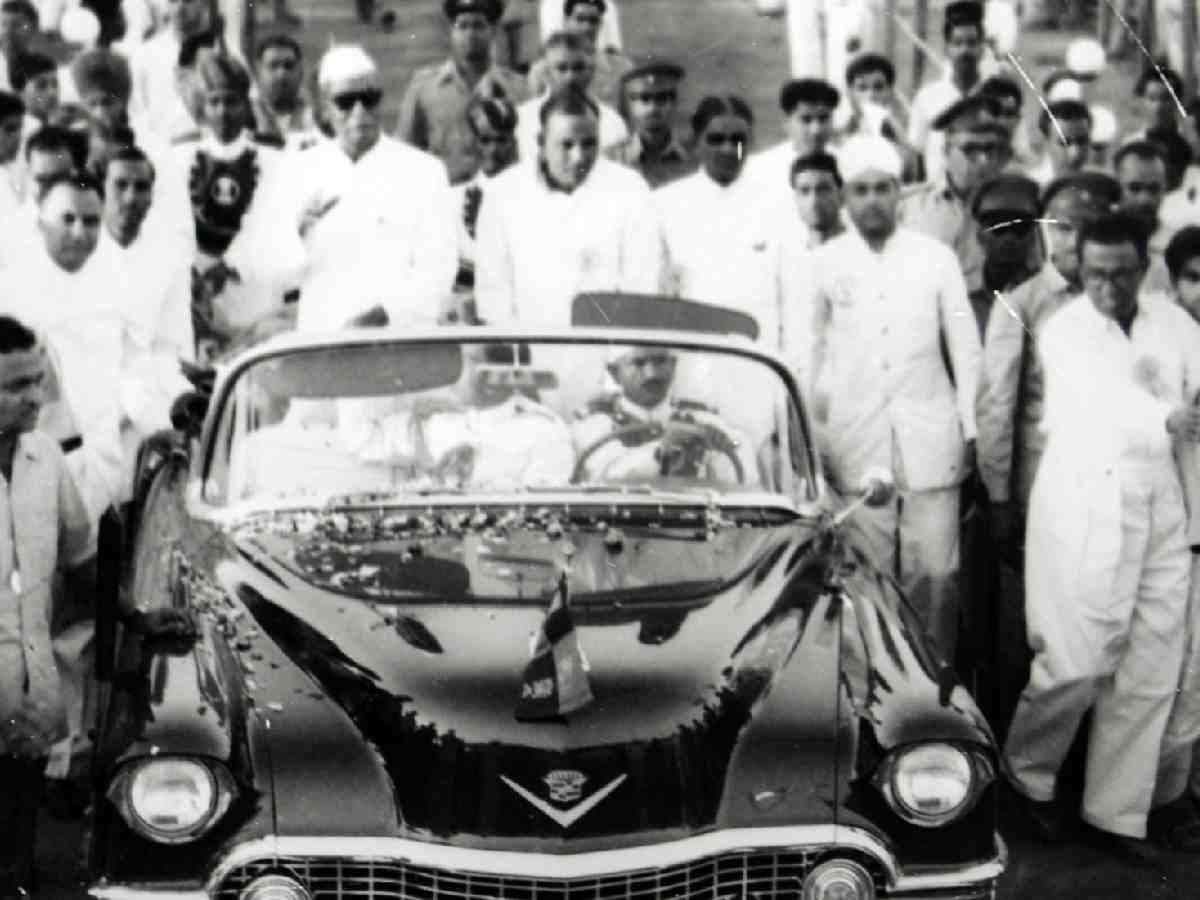
“In these leelas, top leaders like Pt Jawaharlal Nehru, Mrs Indira Gandhi and Narendra Modi have graced the occasion on Dussehra. It is our great honour that we have hosted both commoners and celebrities in our Nav Shree Dharmik Ramlila,” says Rahul Sharma, who has long been associated with the performance.
Ramlila’s evolution in post-independence Delhi
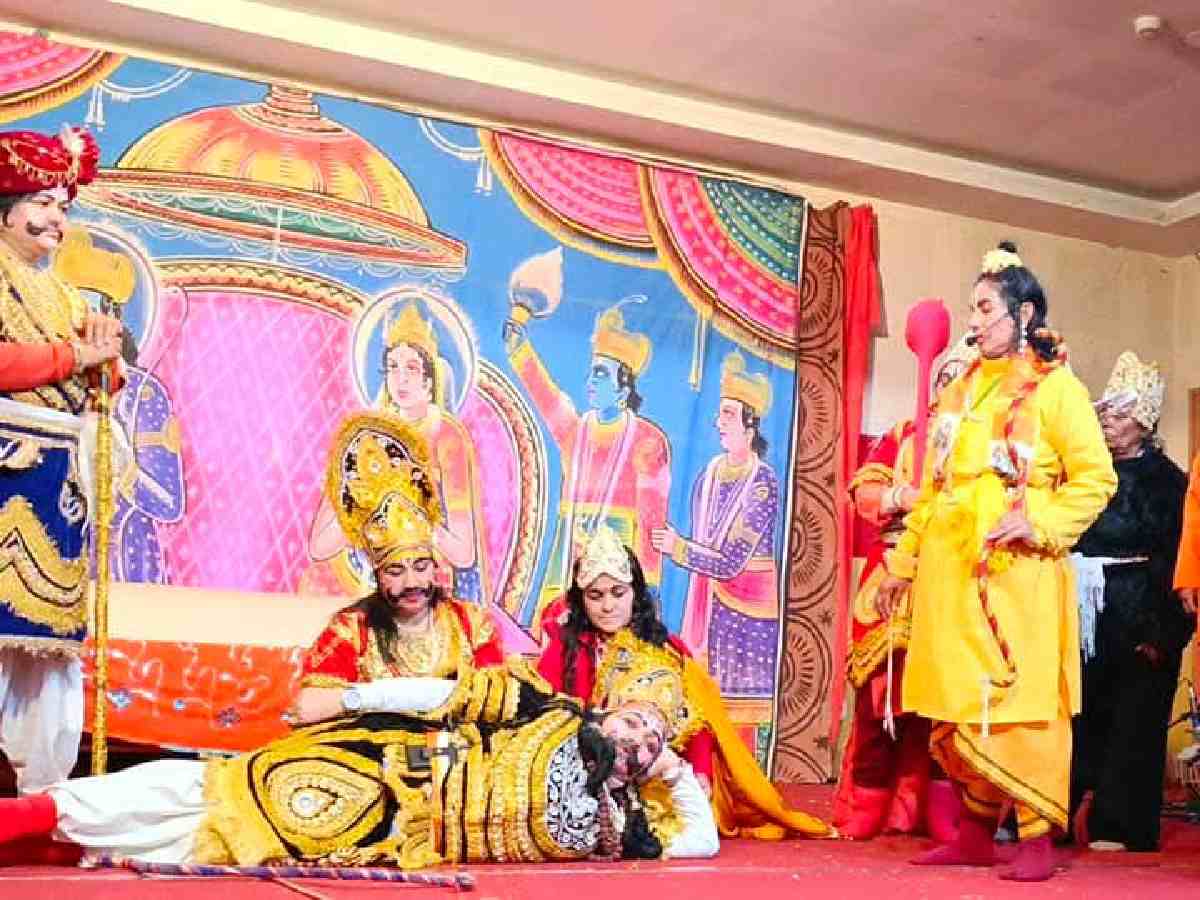
Ramlila, the dramatic re-enactment of the Ramayana, has been a cornerstone of Indian cultural life for centuries. In Delhi, the tradition traces back to the Mughal era, with performances in Shahjahanabad (Old Delhi) as early as the 17th century.
After independence in 1947, the tradition underwent significant transformations. The Capital’s population surged, driven by refugees from Pakistan and migrants from Uttar Pradesh, Bihar, Punjab, and Uttarakhand. These demographic shifts turned Ramlila into a vital tool for cultural preservation, community bonding, and identity assertion amid rapid urbanisation.
“What began as intimate, folk-driven street plays evolved into diverse, spectacle-laden events, reflecting Delhi’s multicultural fabric. Today, over 600 Ramlilas are staged annually, blending tradition with modernity,” says Suresh Bindal, President of the IPEX Ramlila.
The partition riots of 1947 caused communal tensions, leading to the cancellation of some performances in Old Delhi’s Walled City. Yet Ramlila emerged as a symbol of harmony. Ramlila Maidan, created in the 1930s, became a focal point. Committees formalised, relying on donations from industrialists such as the Lala Sri Ram family, who sponsored the DCM Ramlila near Bara Hindu Rao and introduced innovations like revolving stages.
In recent decades, Pitampura, Ashok Vihar, and Paschim Vihar have become key destinations for Ramlilas, largely organised by communities with Delhi-6 or Haryana roots. The Ram Lakhan Ramlila in Pitampura, started in 1992 by Shri Ishwar Prakash Gupta, is among the Calital’s largest. Gupta introduced unique features such as quizzes for children to draw in younger audiences.
Regional flavours of Ramlila in Delhi
Migration has profoundly diversified Ramlila styles, as communities brought their traditions to neighbourhoods across the city.
“Uttarakhand migrants introduced folk-infused Kumaoni and Garhwali Ramlilas, characterised by rhythmic dohas from Tulsidas’s Ramcharitmanas, vibrant costumes, and community singing,” says Sunil Negi, a senior member of the Uttarakhandi community.
Bhojpuri-speaking migrants from Bihar and eastern Uttar Pradesh, who arrived between the 1960s and 1980s for factory and service jobs, settled in areas such as Laxmi Nagar, Ramesh Park, Vinod Nagar, and Mayur Vihar. They infused Delhi’s east and northeast with energetic, music-driven Ramlilas featuring thumri songs and dholak beats.
For the first time, however, a dedicated Bhojpuri Ramlila will now be staged in Dwarka Sector 13. “Bhojpuri-speaking people have a strong presence in the Capital, with over 20 lakh residents in Delhi. Surprisingly, we’ve never had a purely Bhojpuri Ramlila here. Thankfully, we’re starting the Sampurna Bal Ramlila in Bhojpuri on September 21. We hope more Bhojpuri Ramlilas will emerge in Delhi-NCR in the coming years,” says Ajit Dubey, President of the World Bhojpuri Conference.
Ramlila in Delhi’s new cultural hubs
Punjabi refugees from West Pakistan established vibrant Ramlilas in Rajinder Nagar, Karol Bagh, and Punjabi Bagh. It was here that a young Shah Rukh Khan once played a role in the New Rajinder Nagar Ramlila, while actor Gulshan Grover took part in the Trinagar Ramlila near Karol Bagh.
The Kumaoni Ramlila organised by the Himalayan Art Centre, however, has ceased. Initiated in 1968 by renowned theatre artist Mohan Upreti, these performances featured Garhwali and Hindi dialogues and drew enthusiastic crowds.
“One major reason for their closure seems to be that the generation from Garhwal, which brought these traditions to Delhi, has nearly vanished. The generation that grew up in Delhi could not connect with these Ramlilas,” observes Ashutosh Upreti, a Delhi-based journalist.
Also Read: Delhi’s Old Secretariat: a witness to India’s political journey
Sindhi Ramkatha
The Sindhi community in Delhi organises Ramkatha during Ramlila days, typically in Jhulelal temples or community halls in areas such as Lajpat Nagar, Ashok Vihar, Mayfair Garden, and Old Rajendra Nagar.
“Ram is a revered deity for Sindhis. Ram jo naalo vathnu saan ee maanhu jo jeevan khushhal thee vanje tho—merely taking Ram’s name makes a person’s life blissful,” says Anil Makhijani, a participant in the Sindhi community’s cultural activities. Young Sindhis actively participate in Ramkatha.
Until a few years ago, Sindhi-dominated areas also hosted their own Ramlilas. During Navratri, Sindhis pray for their sons to be obedient like Ram.
A reflection of Delhi’s pluralism
Today, Ramlila embodies Delhi’s pluralism, weaving together diverse linguistic, regional, and cultural threads. From the folk-driven Garhwali and Bhojpuri performances to the grandeur of Delhi-6 and the vibrant Punjabi and Sindhi traditions, Ramlila remains a dynamic expression of the capital’s multicultural identity.