On August 13, the Delhi High Court issued a notice to the Delhi Metro Rail Corporation (DMRC) over the absence of proper sanitary pad facilities at stations.
A bench of Chief Justice Devendra Kumar Upadhyaya and Justice Tushar Rao Gedela observed that the lack of vending machines and disposal units directly affects women commuters’ rights. The court has sought a detailed report on the number of machines installed and their working condition, with a fresh survey to be filed before the next hearing on September 24.
The petition, filed by advocate Nikhil Goyal, argues that the lack of such facilities undermines the dignity, health, and equality of women, who form a significant share of the Metro’s 30–35 lakh daily passengers.
The petitioner argues that the lack of functional vending machines and disposal facilities not only causes discomfort but also harms the dignity, health, and equality of women. This, he says, is a violation of their fundamental rights under Articles 14, 15, and 21 of the Constitution.
But if Metro stations show neglect, Patriot’s ground reporting reveals that conditions at Delhi’s bus terminals are far worse.
Also Read: Delhi: In 5 years, over half the POCSO cases resulted in acquittals
Women commuters left behind
According to the report Riding the Justice Route, released by Greenpeace India in October 2024 on the fifth anniversary of the Delhi government’s “pink ticket” scheme, 35% of women in the city travel by bus daily or three to five days a week.
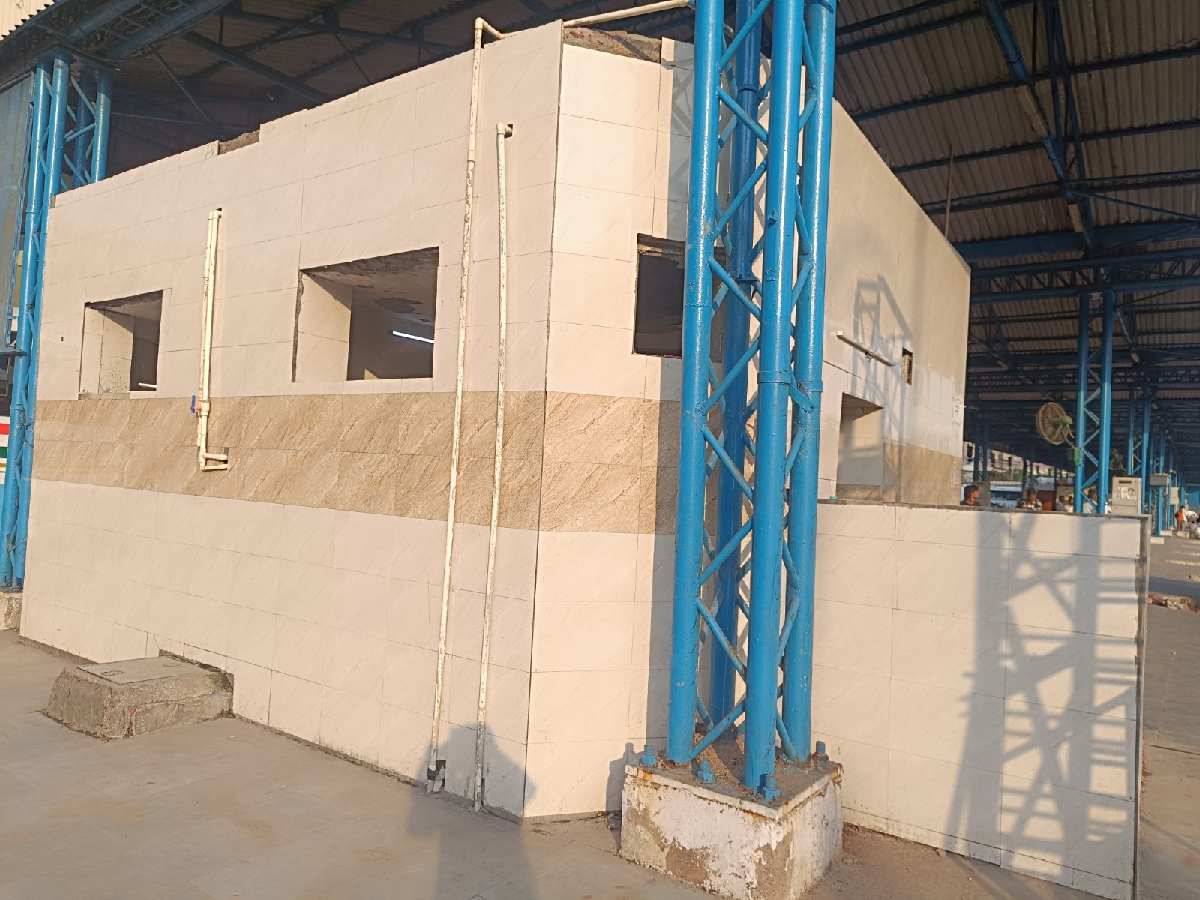
Patriot visited the three major ISBTs in the Capital — Sarai Kale Khan, Anand Vihar, and Kashmere Gate — and found women’s washrooms plagued by hygiene issues and safety hazards. From the absence of soap and clean water to broken toilet seats, missing doors and windows, and not even a single sanitary pad vending machine, the neglect is striking.
Sarai Kale Khan: unhygienic conditions
The Veer Hakikat Rai ISBT, commonly known as Sarai Kale Khan ISBT, is one of Delhi’s three major bus stations and connects the Capital with Haryana and Rajasthan. Built to ease congestion at Kashmere Gate and Anand Vihar, construction began in March 1996 with a budget of Rs 80 crore. It opened to the public in January 2005 and was later expanded to handle more passengers.

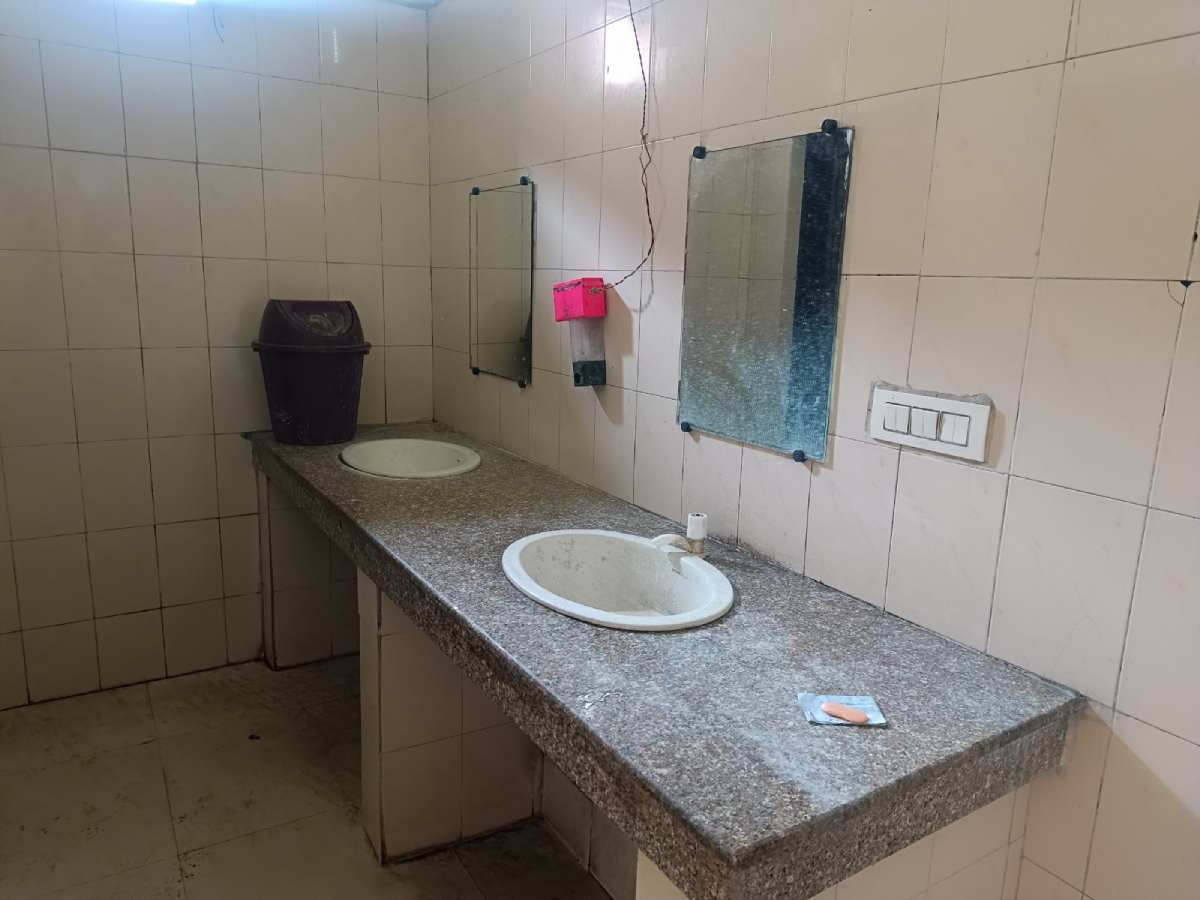
Despite this, the facilities are falling apart. Essential items such as functional flushes, hand wash, soap dispensers, toilet paper, and sanitary napkin dispensers were absent. Jet sprays were broken, flushes often non-functional, and washrooms filthy.
The terminal was designed to welcome 50,000 passengers daily, yet the washrooms barely meet basic needs.
At the entrance, a signboard points to the washrooms, but construction workers were seen resting there with their belongings. The pathway itself was under repair, and the washroom was either locked or being used as a shelter.
Another washroom near the bus stands had a teenage boy, Ravi (name changed), sitting outside to collect money. He told users: “10 rupe lagega, dena ho to hi jana.” Although a board nearby listed the fee as Rs 1 for women and free for urinals, Ravi charged Rs 10 and even offered a UPI scanner linked to his father’s account. When asked, he said, “It’s my father’s account, and why are you asking too many questions? At least we clean the washrooms, otherwise no one can use them.”
Inside, the washrooms were dirty, with floors untouched for days. Jet sprays lay broken on the ground, dustbins were overflowing with used sanitary pads and baby diapers, and of four toilet seats, two flushes did not work.
Reshma, travelling to Haryana, said, “I travel almost every week. I work as a sweeper in a Connaught Place restaurant, and sometimes I come directly here after work, but the conditions are very bad. There is no clean water in the washroom. I always carry a water bottle because there are no mugs or sometimes the tap has no water.”
Another woman, Prachi from Sarita Vihar, was travelling to Jaipur with her three-year-old daughter. She struggled to clean her baby in the unhygienic facility. “At least they should provide baby stations. I don’t travel much by bus, but sometimes budget issues force me to. It is very difficult with babies. There is no clean water, no facilities, and not even soap,” she said. She added that pad vending machines, diaper-changing stations, and women staff at night were urgently needed.
Kashmere Gate: unsafe and misused
The Maharana Pratap ISBT, popularly known as Kashmere Gate ISBT, is the oldest and one of the largest in India. Spanning 5.3 acres, it handles over 1,800 buses daily, linking Delhi to Haryana, Jammu and Kashmir, Ladakh, Punjab, Himachal Pradesh, Uttar Pradesh, Rajasthan and Uttarakhand.
Yet, the women’s washrooms here were in no better shape.
When Patriot visited, four or five men were sitting at the entrance having lunch, leaving barely any space to pass through. In one corner, separating the men’s and women’s washrooms, there was a stove with spice boxes, utensils, and groceries — a makeshift kitchen inside a public facility. A storage room meant for washroom supplies had also been repurposed for personal use.
Inside the women’s section, there were no lights and no water. Flush systems did not work, basins were broken, and toilet paper and mugs were missing. A dustbin sat on top of a washbasin.
Rhea Gupta, a student of Janki Devi Memorial College who frequently travels to Punjab and Chandigarh, said she never uses the washrooms at Kashmere Gate anymore. “The one time I tried, it was extremely unhygienic. Since then, I only go to the nearby Metro station.”
A woman vendor selling snacks at the terminal said, “I stay here 12–15 hours every day. I have no choice but to use the washroom. But the men sitting at the entrance make it unsafe. Regular travellers know not to use these toilets. Only new passengers try, and all of them complain. The place is filthy and unsafe.”
Another washroom inside the bus stop is also in poor condition. Toilet seats are broken, flushes don’t work, and two of the toilets were completely non-functional when Patriot visited the terminal. The washbasins were filled with washroom items like buckets, mops, and sanitary gloves. Only one tap was usable, while the rest were covered with dirty mops and used gloves, making them unsafe to touch.
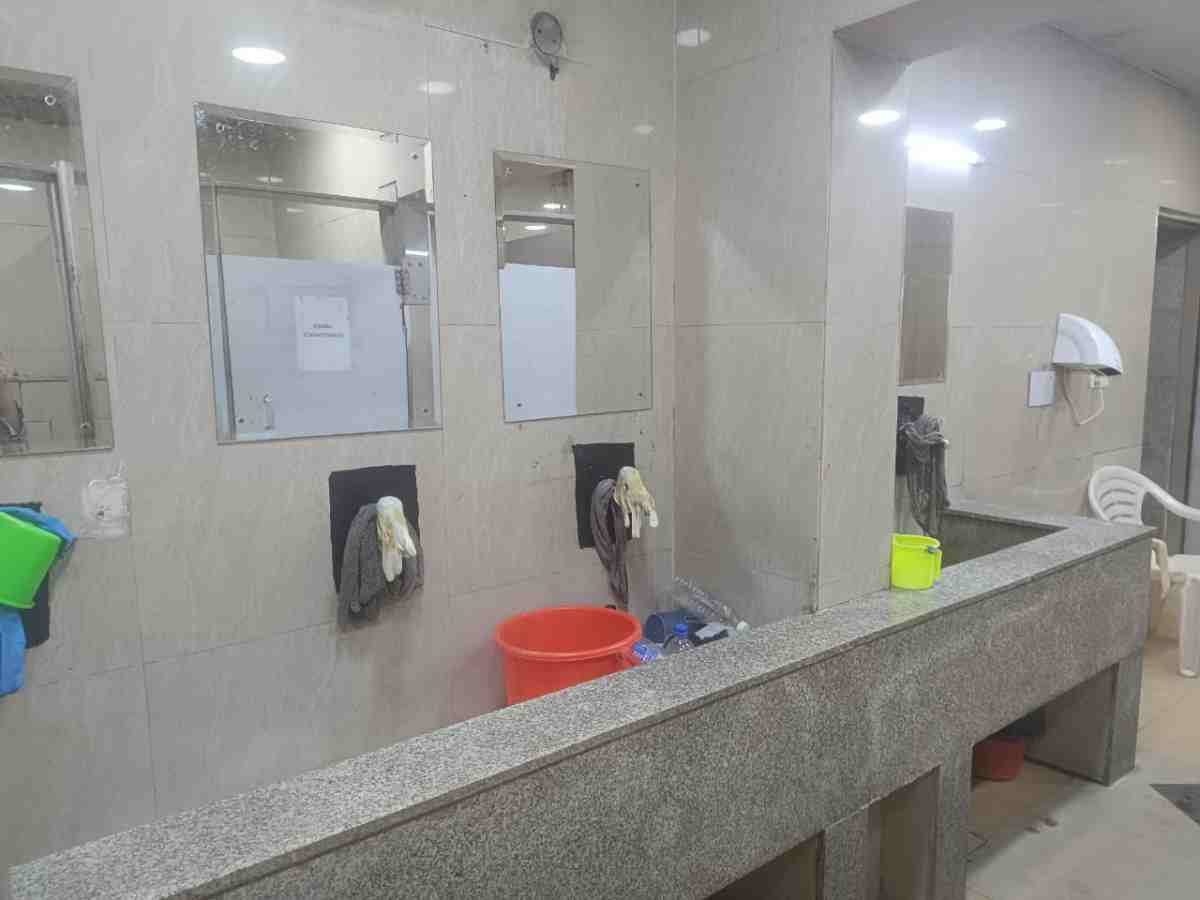
Another woman, Ayesha, waiting for her bus, said she deliberately restricts her water intake before travel. “The washrooms are in such filthy condition that they are practically unusable, even though this is supposed to be a standard bus terminal of Delhi.”
Anand Vihar: a safety hazard for women
The Swami Vivekanand ISBT at Anand Vihar serves as Delhi’s primary link to Uttar Pradesh and Uttarakhand, with 1,500 interstate buses and nearly 2,000 city buses operating daily. Here, the conditions were not just unhygienic but outright dangerous.
The women’s washroom entrance had no door, while wide-open windows left users completely exposed to passers-by. There was no signage, leading even men to peek inside to check whether it was a women’s or men’s toilet.
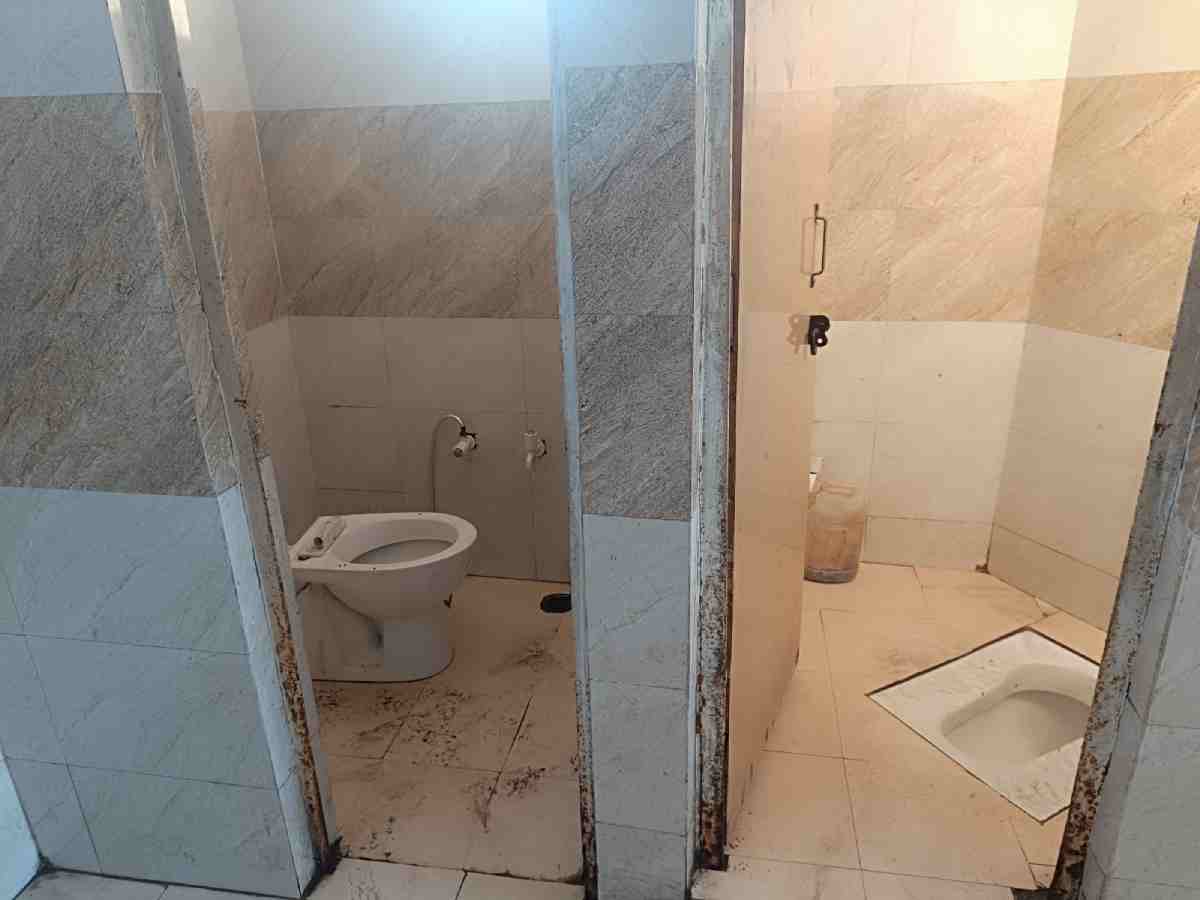
Inside, the toilets had broken seats and non-functional flushes. There was no soap or dispenser. Even women of average height could be seen from outside through the open windows.
“This washroom is not at all safe for women,” said Ratna, an e-rickshaw driver. “I have seen many young boys, sometimes even drunk, peeking inside while women are using it. Those who know about these issues don’t dare to use it. Only a few women, who really have no choice, go in sometimes just to wash their hands.”
A security guard expressed helplessness. “We can’t do anything. This is an interstate bus terminal. Many types of people come here and we can’t stop them. Yes, sometimes people misbehave and peek through the windows. Everyone knows about these problems but nothing has changed for years.”
A woman passenger on a nearby bench added, “I tried to use this washroom once, but the open windows and gates stopped me. I didn’t feel safe at all. Now whenever I have to go, I walk all the way to the Metro station.”
Also Read: A slice of Ladakh in the heart of Delhi
Neglect without accountability
The Patriot ground report revealed the dire state of women’s washrooms at Delhi’s three ISBTs. From lack of soap and clean water to overflowing dustbins and safety risks from loitering men, conditions make them practically unusable. Not one sanitary pad vending machine was found at any of the three bus terminals.
When asked about the state of facilities, a Delhi Transport Corporation official said, “We are not responsible for these matters; the Transport Department is.”
Officials at Delhi Transport Infrastructure Development Corporation Limited (DTIDC) offered conflicting responses. One mid-level official, requesting anonymity, said that staff themselves were responsible for poor upkeep and said proposals — including an NGO’s offer to install free sanitary pad vending machines — were rejected by seniors. He added that while there had been talks of handing over the management of bus terminals to DMRC, “nothing has really come out of it.”
In contrast, a senior DTIDC official dismissed the complaints, insisting that “everything is good” and that such facilities could not be found elsewhere. He said if anyone had grievances, they should file a written application, and denied the allegation that commuters were being charged to use toilets.