When British luxury retailer Thomas Goode and Hungary’s legendary porcelain manufacturer, the House of Herend, come together, the result is more than fine craftsmanship — it is a meeting of histories, traditions, and design philosophies.
Founded in 1827, Thomas Goode has long been the name behind fine dining tables of European royalty and aristocracy. Herend, established in 1826, mirrors that legacy in porcelain — celebrated for its intricate, hand-painted designs and exceptional craftsmanship.
Over the years, the two houses have collaborated on collections that merge British refinement with European artistry. Their partnership finds its natural resonance in India, where collectors and aesthetes share an enduring appreciation for artisanal excellence.

“Our relationship with the House of Herend is built on a shared appreciation for craftsmanship, heritage, and beauty,” says Dr Reshma Khattar Bhagat, Director of Thomas Goode. “Every creation tells a story of artistry passed down through generations. With this collaboration, we are not just offering products but pieces that carry emotion, legacy, and meaning — crafted for collectors who value the rare and the timeless.”
A divine symbol of prosperity
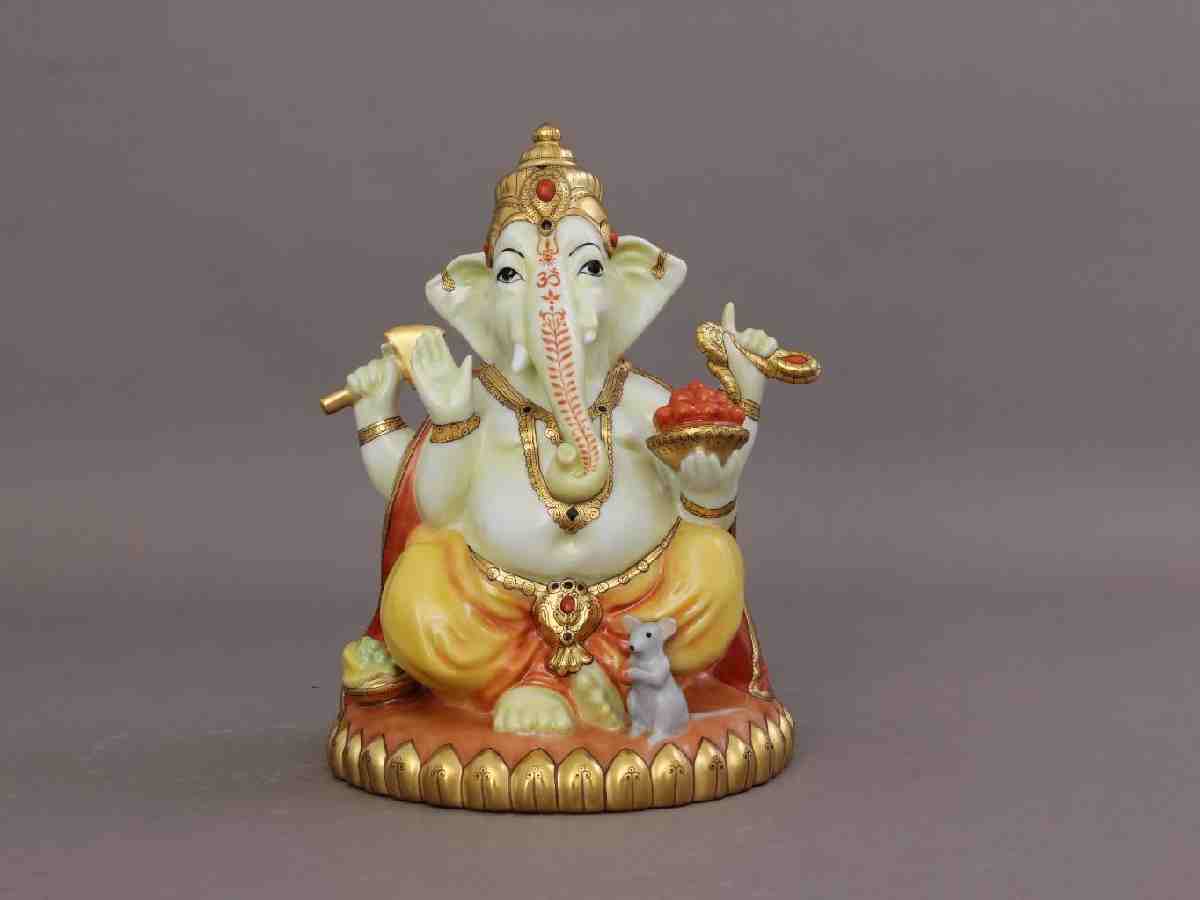
At the centre of the new showcase is the gold-plated porcelain Ganesha — a figure that elegantly bridges Eastern spirituality and European craftsmanship. Handcrafted by Herend’s skilled artisans, each piece is adorned with 24-carat gold detailing, its smooth porcelain surface painted with Herend’s signature precision.
Also Read: From London to Lutyens’: Thomas Goode brings fine tableware to Indian market
The creation, exclusive to Thomas Goode, pays homage to Indian culture while staying true to Herend’s centuries-old techniques. The Ganesha figurine embodies the values of prosperity, wisdom, and grace — themes that resonate deeply during the festive season.
The artistry of Herend, curated by Thomas Goode
The showcase also features Herend’s most celebrated collections — each representing a chapter in the brand’s long history of design innovation.
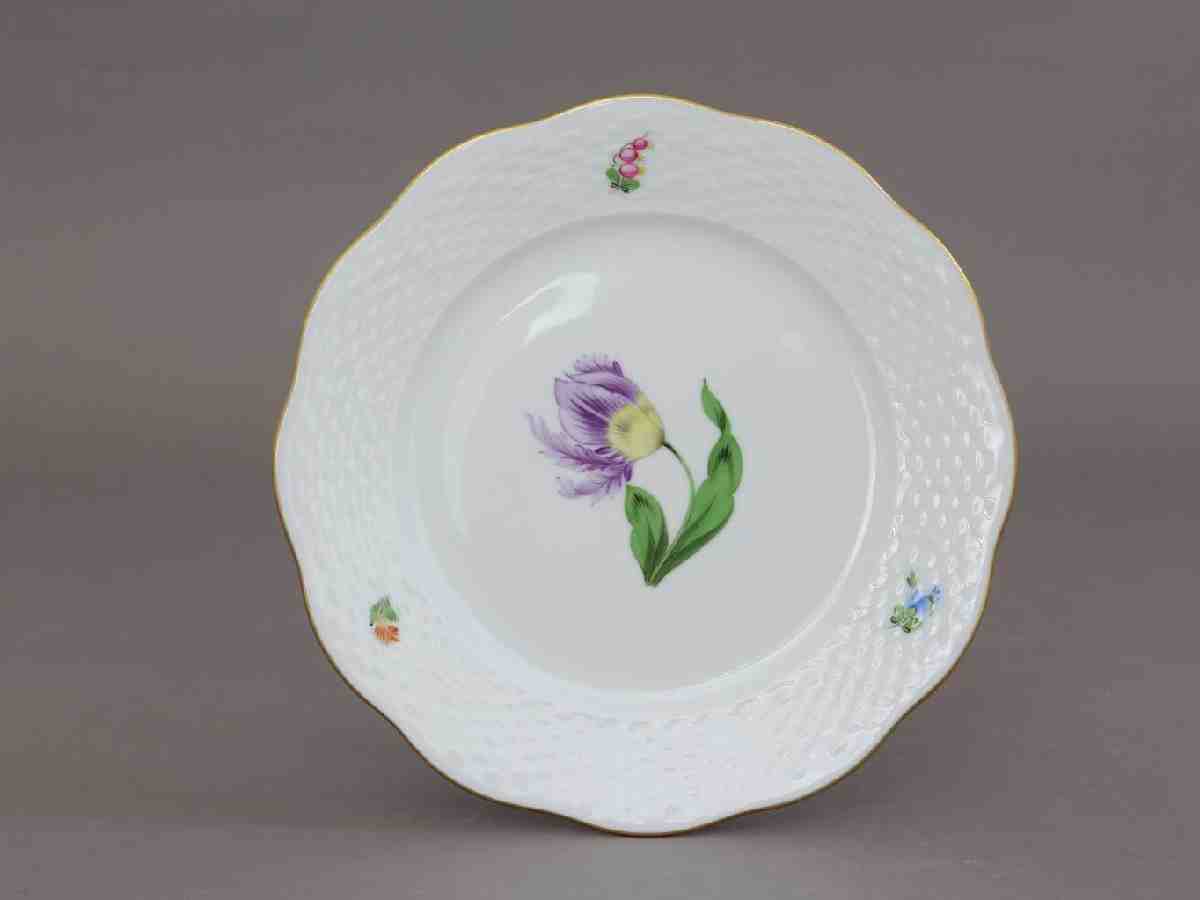
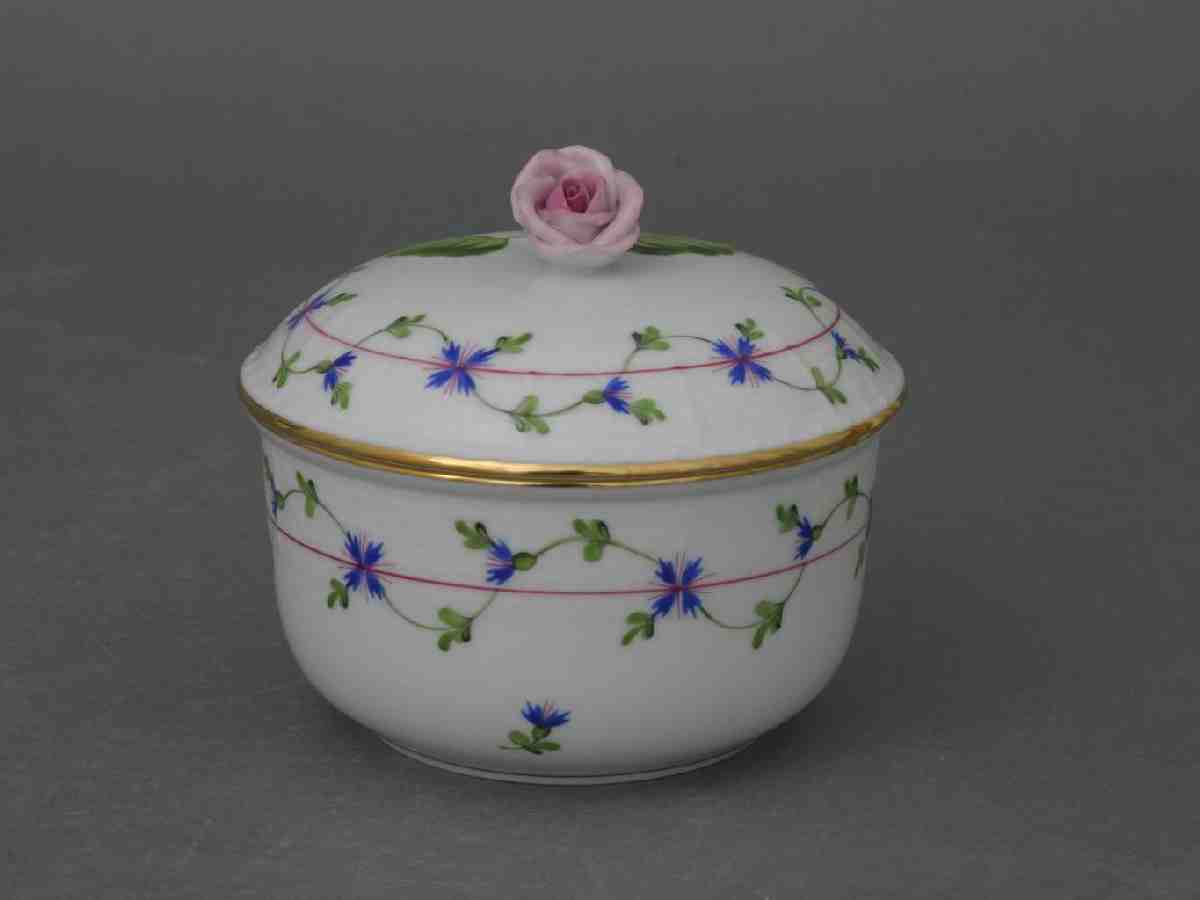
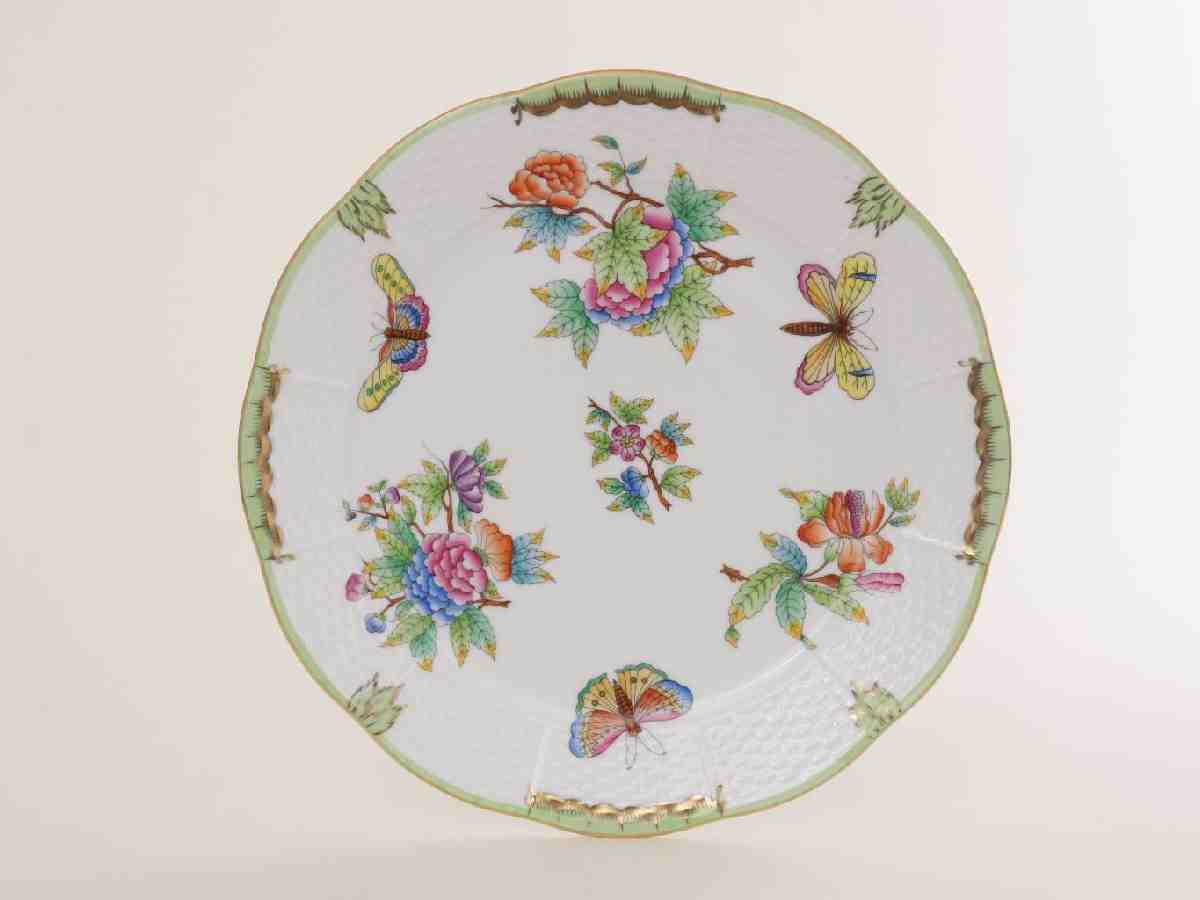
The Purple Garland Collection (starting at Rs 70,000 plus taxes) draws on classic European florals rendered in fine brushwork. The Queen Victoria Collection (from Rs 1,25,000 plus taxes) remains Herend’s most iconic design — a motif first created in honour of Queen Victoria in the mid-19th century, now revived with a modern sensibility.
For collectors seeking sculptural brilliance, the Purple Parrot figurine (priced from Rs 3,50,000 plus taxes) captures Herend’s mastery of form and colour. Meanwhile, the Two Kittens figurine (from Rs 60,000 plus taxes) showcases the brand’s ability to transform everyday subjects into timeless works of art.
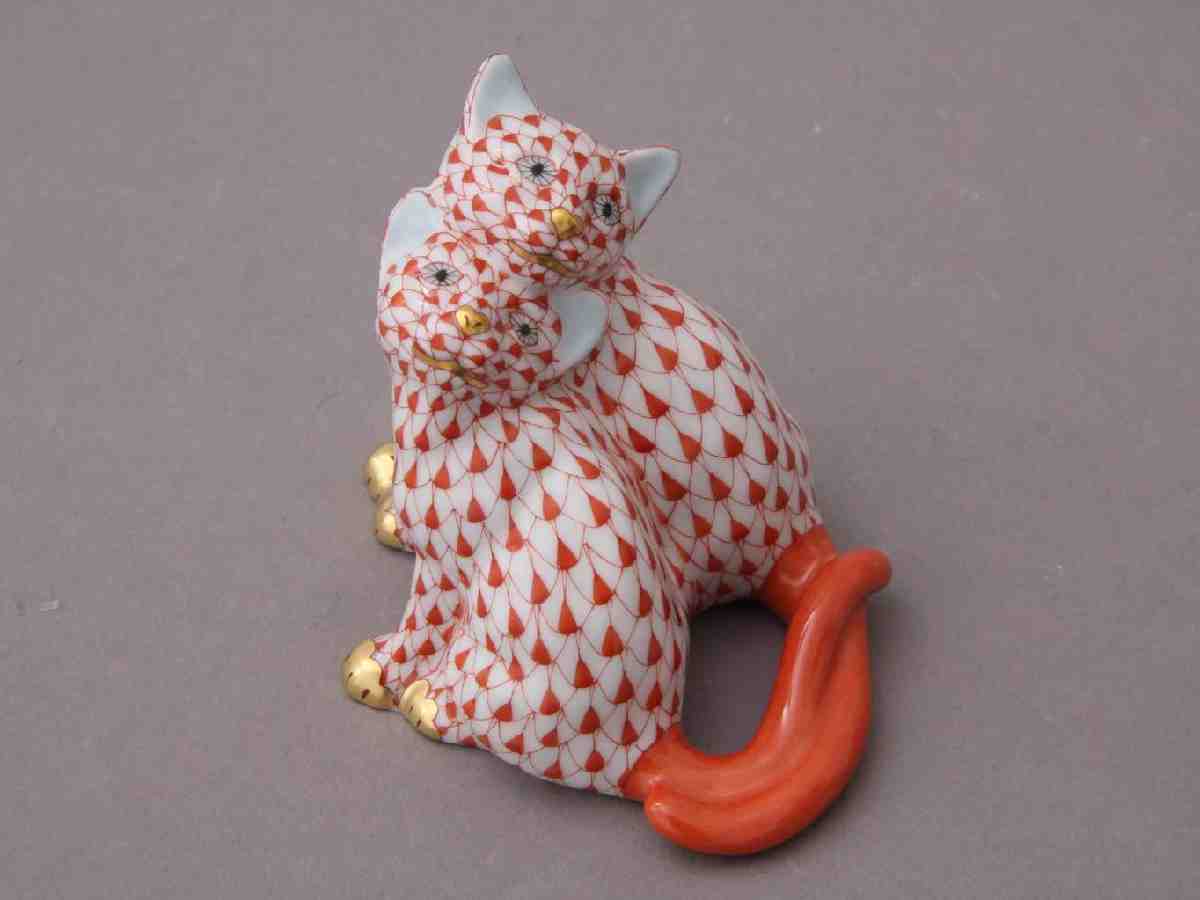
Each collection, curated by Thomas Goode, embodies a distinct narrative — of artistry, culture, and emotional connection.
Celebrating craftsmanship in the age of modern luxury
In a world increasingly defined by speed and uniformity, both Thomas Goode and Herend represent an antidote — valuing process over production, heritage over hype.
“Luxury today isn’t just about price or exclusivity,” Dr Bhagat said. “It’s about meaning — about holding something that connects you to a story, a lineage of hands and hearts that made it possible.”
That sentiment is reflected in the showcase’s design: intimate, detailed, and rooted in tradition yet attuned to the aesthetics of contemporary collectors. The collaboration also signals a growing appetite in India for objects that are not just decorative but heirlooms — pieces that carry history into modern homes.
An invitation to collectors
As the festive season unfolds, Thomas Goode’s Herend collection invites collectors and connoisseurs to celebrate craftsmanship that endures. It also reaffirms the brand’s role as a bridge — bringing together European heritage and Indian sensibility, artistry and spirituality, tradition and timeless beauty.
For Thomas Goode, the showcase is not merely a product launch but a statement — that fine art and luxury, when rooted in craft and culture, remain eternal.