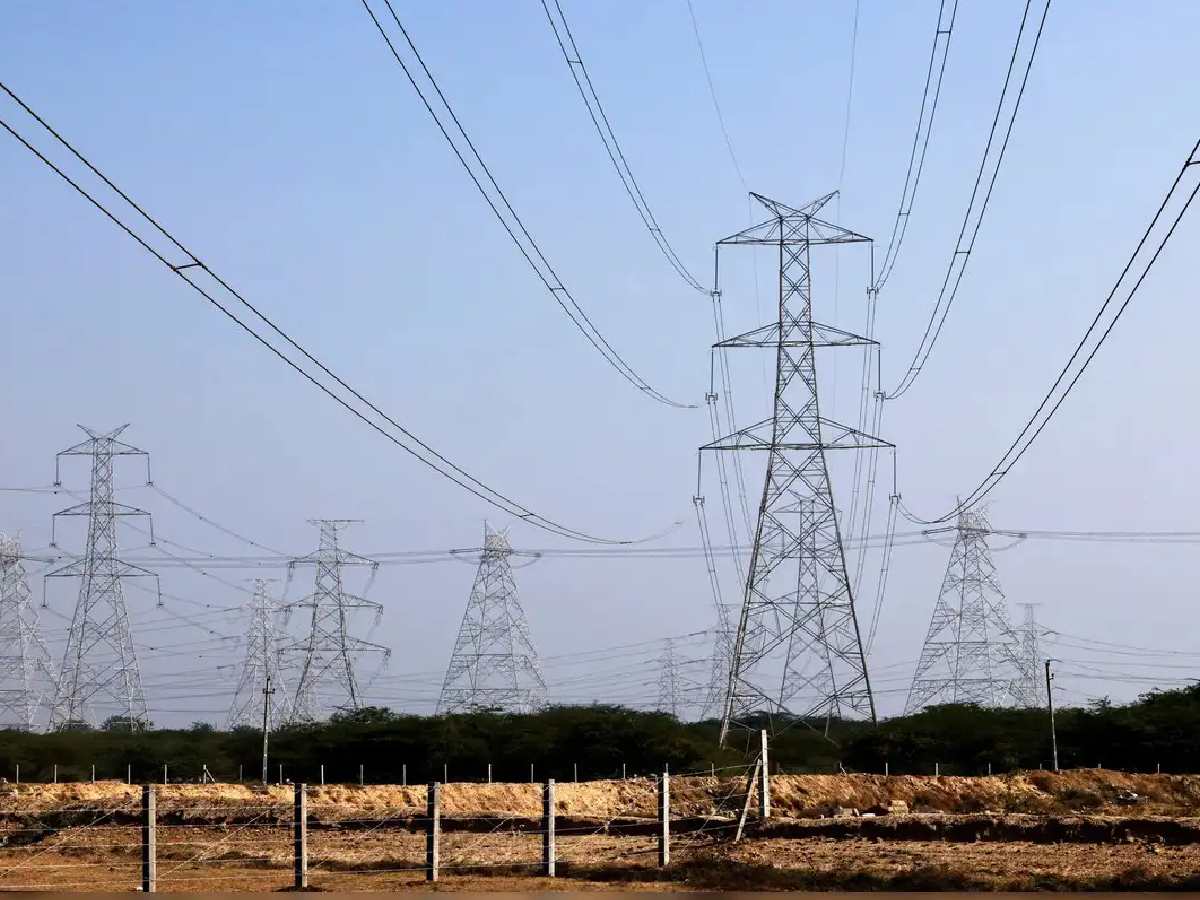
Peak power demand met in the country or the highest supply of electricity on the day of Diwali dropped slightly this time compared to last year, breaching the usual trend during the festival.
According to government data, the peak power demand declined to 180.14 GW on Monday from 182.87 GW on October 31, 2024, when the festival of light was celebrated last year.
Usually, consumption of electricity as well as demand increases on Diwali due to excessive use of lights and other appliances by domestic and commercial consumers as people decorate every corner of their homes, shops and offices.
This time the festivity was staggered across the country with people in northern region celebrating on Monday and those in western and other parts on Tuesday.
On Monday, the country’s overall power consumption declined to 3,965 million units as against 4,062 MUs recorded on the occasion a year ago, the power ministry data showed.
On Tuesday, the peak power demand met recorded at 176.50 GW, while the consumption stood at 3,862 MUs.
For the peak summer season this year, the ministry had projected the highest demand to reach 277 GW, more than the all-time high of 250 GW recorded in May last year.
However, this summer (April onwards), the highest demand reached just 242.77 GW in June as more than usual rainfall lowered the overall temperature, leading to less use of air-conditioners and coolers.
Before last year, the electricity demand had recorded an all-time peak of 243.27 GW in September 2023.
Read more
Delhi: Floods expose cracks in Yamuna rejuvenation projects
The recent floods that engulfed the Yamuna floodplains in Delhi have reignited debate over how the city manages its most vital natural asset. Environmental experts and the river advocacy body South Asia Network on Dams, Rivers and People (SANDRP) are demanding accountability from the Delhi Development Authority (DDA) after crores of rupees spent on so-called rejuvenation projects were wiped out in the deluge. What was projected as an ambitious ecological restoration drive has, in the wake of the 2025 floods, been exposed as a glaring example of poor planning, disregard for hydrology, and misuse of public funds.
Delhi hospitals report over 250 burn cases on Diwali
More than 250 people suffered burn injuries in Delhi on Diwali, with hospitals across the city reporting a surge in cases, mostly caused by firecrackers, while the Safdarjung Hospital, which has the country’s largest burn unit, recorded the highest number of 129 cases. After the Safdarjung Hospital, 55 burn cases were reported at the All India Institute of Medical Sciences (AIIMS), 37 at the Guru Teg Bahadur (GTB) Hospital, 16 at the Deen Dayal Upadhyay (DDU) Hospital and 15 at the Lok Nayak Jai Prakash (LNJP) Hospital.