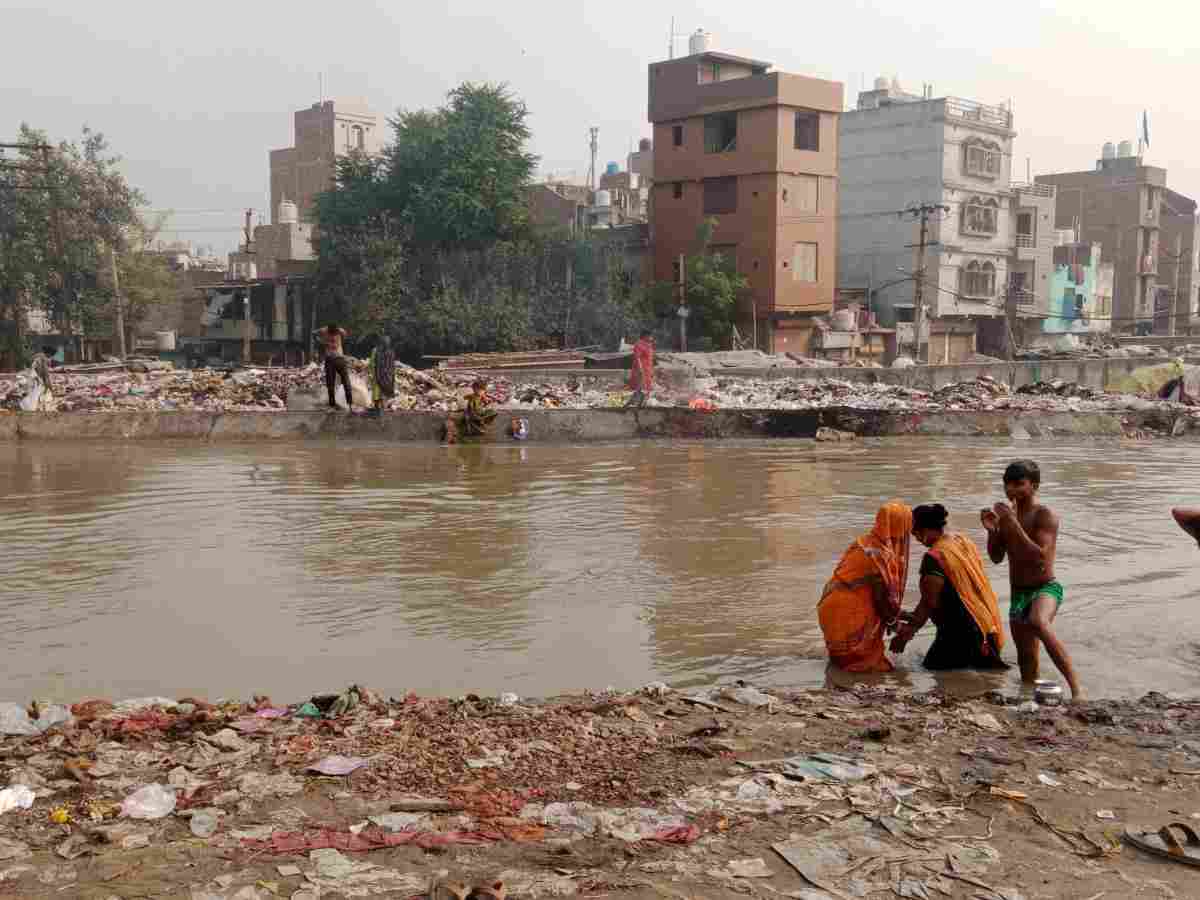
An alarming situation has emerged along the Western Yamuna Canal (WYC) in Bawana, northwest Delhi, where unregulated industrial and human activities are contaminating one of the city’s key water channels that feeds the Yamuna River.
A recent open letter by the South Asia Network on Dams, Rivers and People (SANDRP) to Delhi Water Minister Parvesh Sahib Singh Verma and regulatory bodies has exposed widespread violations that endanger both human health and the capital’s already fragile water system.
Toxic discharges and waste dumping
The SANDRP team inspected the Bawana stretch of the WYC on October 25, 2025, and documented serious polluting activities. They found dark, foul-smelling effluents being discharged directly into the canal, with no sign of functional treatment plants nearby.
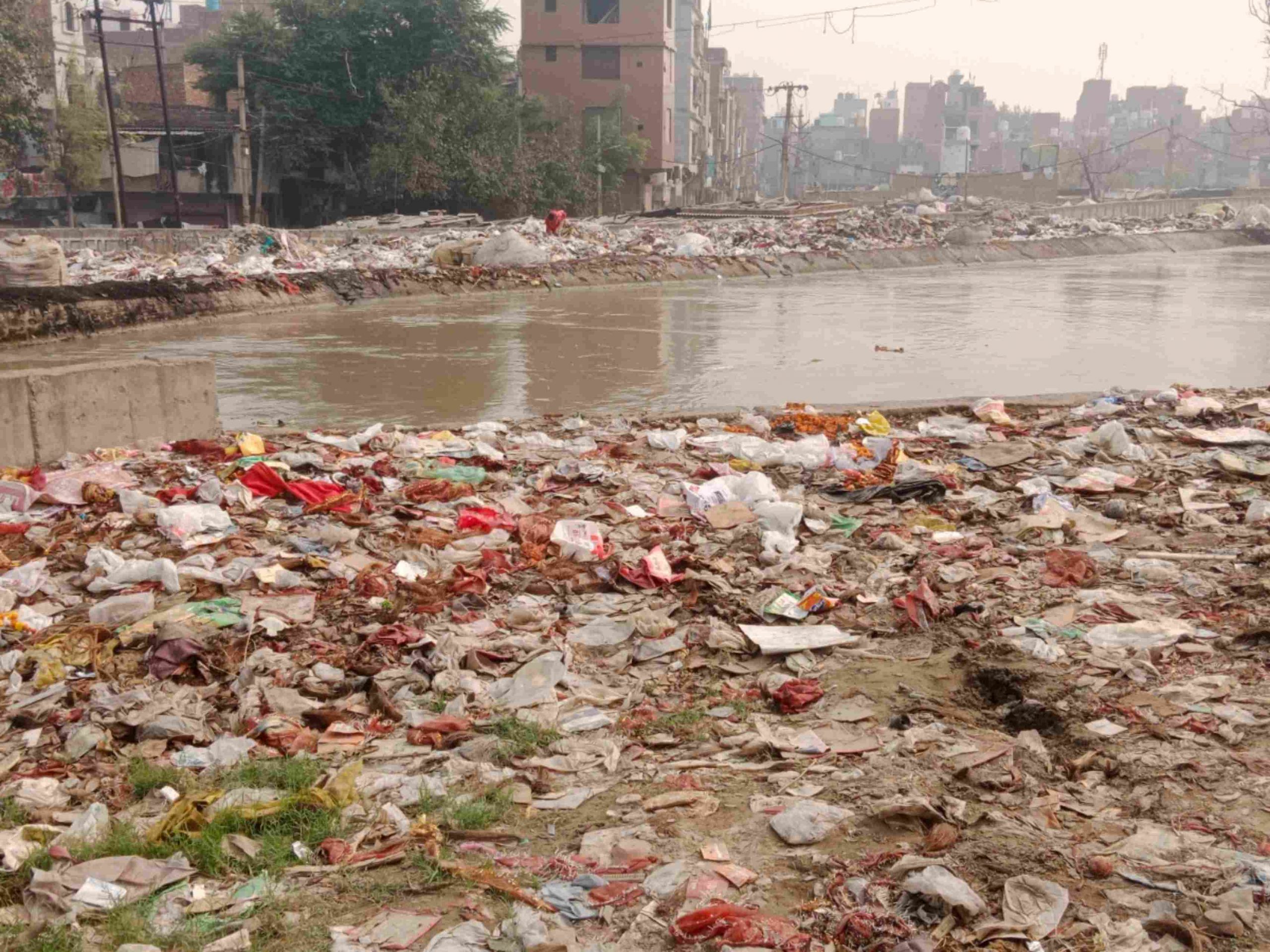
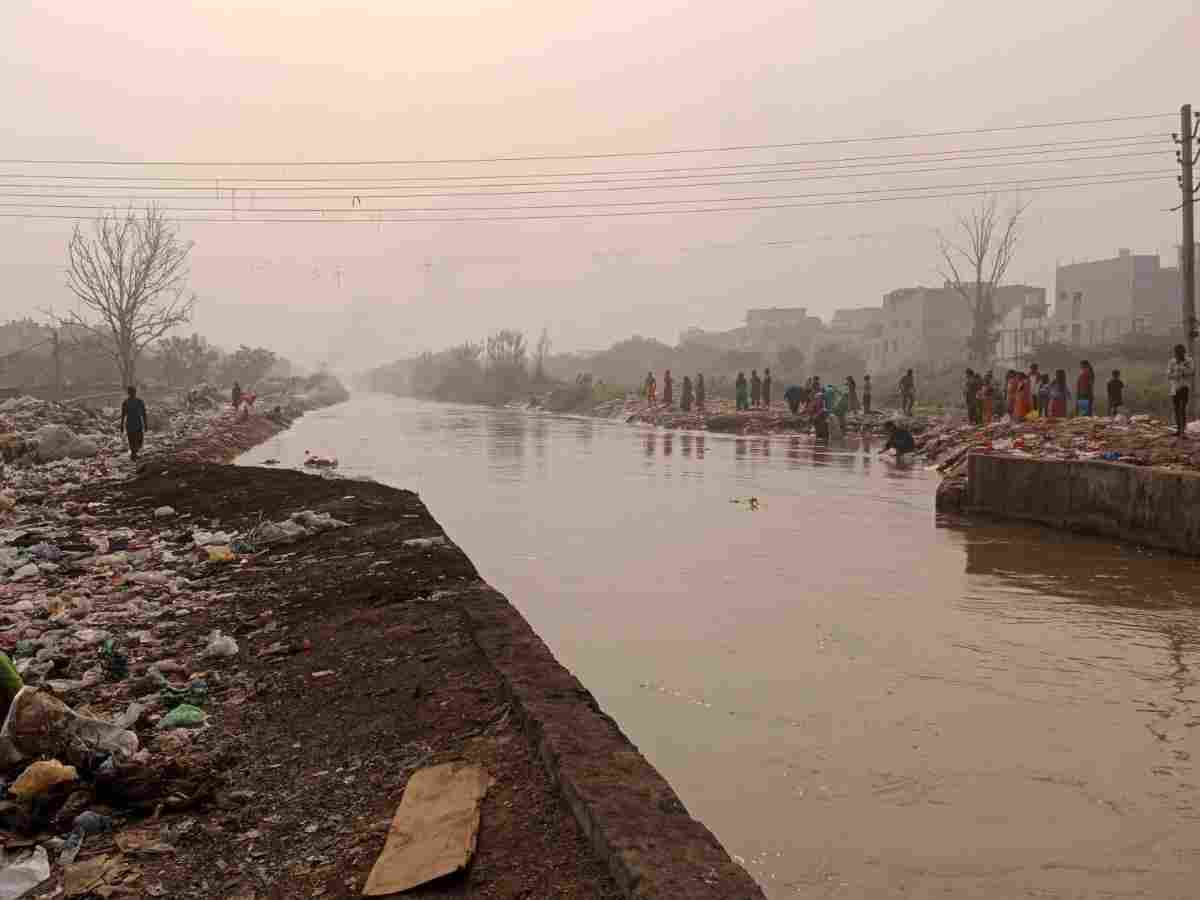
Heaps of solid waste, plastic refuse, and construction debris lined the canal banks. Locals said the dumping had been going on for months, effectively turning the edges into informal landfills. In some areas, domestic sewage and open defecation were also adding to contamination, creating a breeding ground for pathogens.
Bawana’s industrial belt under scrutiny
Bawana hosts one of Delhi’s largest industrial clusters, housing hundreds of small and medium units engaged in dyeing, electroplating, plastic recycling, and chemical manufacturing—industries known to produce toxic waste. According to SANDRP, several units appear to be discharging untreated wastewater into drains connected to the canal.
Despite “zero liquid discharge” norms for Delhi industries, violations persist. The group also noted the absence of functional effluent treatment plants (ETPs), pointing to weak enforcement and oversight.
Threat to Yamuna and groundwater
The Western Yamuna Canal supplies water for irrigation and groundwater recharge in Delhi and Haryana. Pollution here directly affects the Yamuna, already among India’s most polluted rivers.
Experts warn that toxic seepage from the canal may contaminate nearby groundwater. Many rural and peri-urban areas of Delhi depend on borewells, and polluted water can lead to long-term ailments such as gastrointestinal diseases, kidney damage, and neurological disorders.
Himanshu Thakkar, Coordinator, SANDRP, said, “The multiple sources of pollution show how badly our pollution governance has failed. Several agencies are supposed to protect this drinking water source, but none have acted. There must be an independent inquiry and accountability.”
He added that involving local communities was essential. “Unless people are empowered to monitor pollution, parts of the community may also end up contributing to it,” he said.
Breach of environmental laws
Environmentalists say the dumping and discharge in Bawana violate the Water (Prevention and Control of Pollution) Act, 1974, and the Environment (Protection) Act, 1986, both of which prohibit the release of untreated waste into water bodies.
The canal banks fall under the Irrigation and Flood Control Department, which is responsible for preventing encroachments and contamination. SANDRP’s letter noted that the canal is being treated as a waste drain instead of an ecological asset, undermining the objectives of the National Mission for Clean Ganga (NMCG) and the Yamuna Rejuvenation Project.
The letter, sent to the Delhi Water Minister, the Delhi Pollution Control Committee (DPCC), the Delhi Jal Board (DJB), and the Irrigation and Flood Control Department, demanded an immediate inspection, sealing of polluting units, and public release of water-quality data.
SANDRP also called for a joint survey involving independent experts, local residents, and civil society organisations to identify pollution sources. The group said accountability should extend to both industries and the government agencies responsible for oversight.
Health and environmental fallout
Residents near the canal have long complained about foul odours and mosquito infestation. SANDRP members reported oily layers on the surface, discoloured water, and dead fish in shallow stretches—signs of severe contamination.
Doctors in nearby areas have reported a rise in respiratory and skin ailments, especially among children. Scientists warn that without urgent intervention, the canal could become “ecologically dead” in the coming years.
Bhim Singh Rawat, Associate Coordinator, SANDRP, said, “It is shocking to see so many water-polluting activities—dumping of solid waste, open defecation, industrial discharges, and even religious leftovers—happening unchecked. These are directly affecting water quality, treatment plants, and public health.”
He added, “Delhi’s water supply has suffered for years due to untreated industrial effluents and sewage. Now the canal itself is under severe contamination. This has increased people’s dependence on private water supply and groundwater.”
Rawat said the situation reflected official indifference. “The WYC is Delhi’s water lifeline. If this is the state of such a crucial source, it shows how disconnected the authorities are. The government must act urgently with both short- and long-term measures,” he said.
Call for immediate action
The open letter recommended a comprehensive environmental audit of all industrial units along the canal and immediate suspension of operations for those found discharging untreated effluents. It also called for installation of real-time water-quality sensors with public access to data, along with regular clean-up drives and removal of dumped waste.
SANDRP further proposed the development of a vegetated buffer zone along the canal to prevent further contamination. The group urged the authorities to integrate the WYC clean-up under the broader Yamuna Action Plan to ensure continuous monitoring rather than sporadic, short-lived drives that have failed in the past.