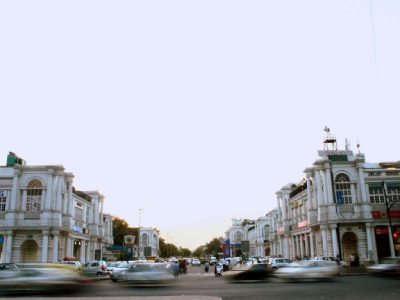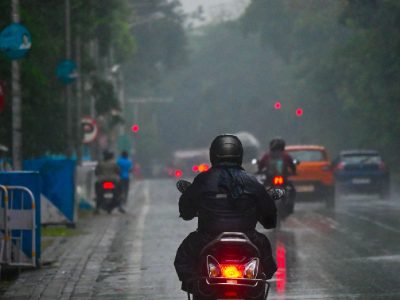
Each winter, as Delhi disappears beneath a dense, metallic-grey haze, the human toll of toxic air dominates public debate. AQI charts turn crimson, hospitals fill with respiratory cases, and emergency curbs under the Graded Response Action Plan return with sombre predictability. But the city’s non-human residents — stray dogs, companion animals, birds, pollinators, and urban wildlife — remain the unseen victims of Delhi’s worsening environmental disaster.
Veterinarians, rescue workers, and wildlife experts increasingly warn that the capital’s air pollution crisis is now affecting the survival, reproduction, and long-term health of countless animals. Their suffering, largely invisible and rarely reported, parallels the city’s own struggle to breathe.
How toxic air harms animals
Sanskriti Bansore, Lead, Media and Celebrity Projects at PETA India, explains that animals experience the same physiological impact that humans do — and often worse.
“The effect of air pollution on animals is similar to that of humans. It can cause irritation of the throat, nose, and eyes, coughing and gagging, and respiratory problems like difficulty breathing. Serious air pollution can even cause birth defects, reproductive failure, and other diseases in animals,” she says.
Dogs and cats frequently develop bronchitis-like symptoms, persistent coughing, or reduced stamina. Horses pulling tourist carriages or cargo carts, forced to navigate polluted roads for hours, are especially prone to respiratory collapse. Injured or abandoned street animals who cannot access medical care suffer prolonged, often fatal complications.
Companion animals struggle indoors and outdoors
Veterinarians across Delhi report a surge in breathing troubles among dogs, especially during high-smog weeks. For brachycephalic or flat-faced breeds — pugs, bulldogs, Shih Tzus, boxers — the challenge is multiplied.
Bansore notes: “Breathing-impaired breeds already suffer from a debilitating and sometimes fatal condition. Air pollution makes even walking, playing, or running extremely difficult.”
Pet owners increasingly restrict outdoor walks to short intervals or early mornings when pollution slightly dips. But even indoors, trapped particulate matter, unless filtered, can irritate pets’ lungs. Cats, who groom themselves frequently, end up ingesting dust and pollutants deposited on their fur.
Stray animals face continuous exposure
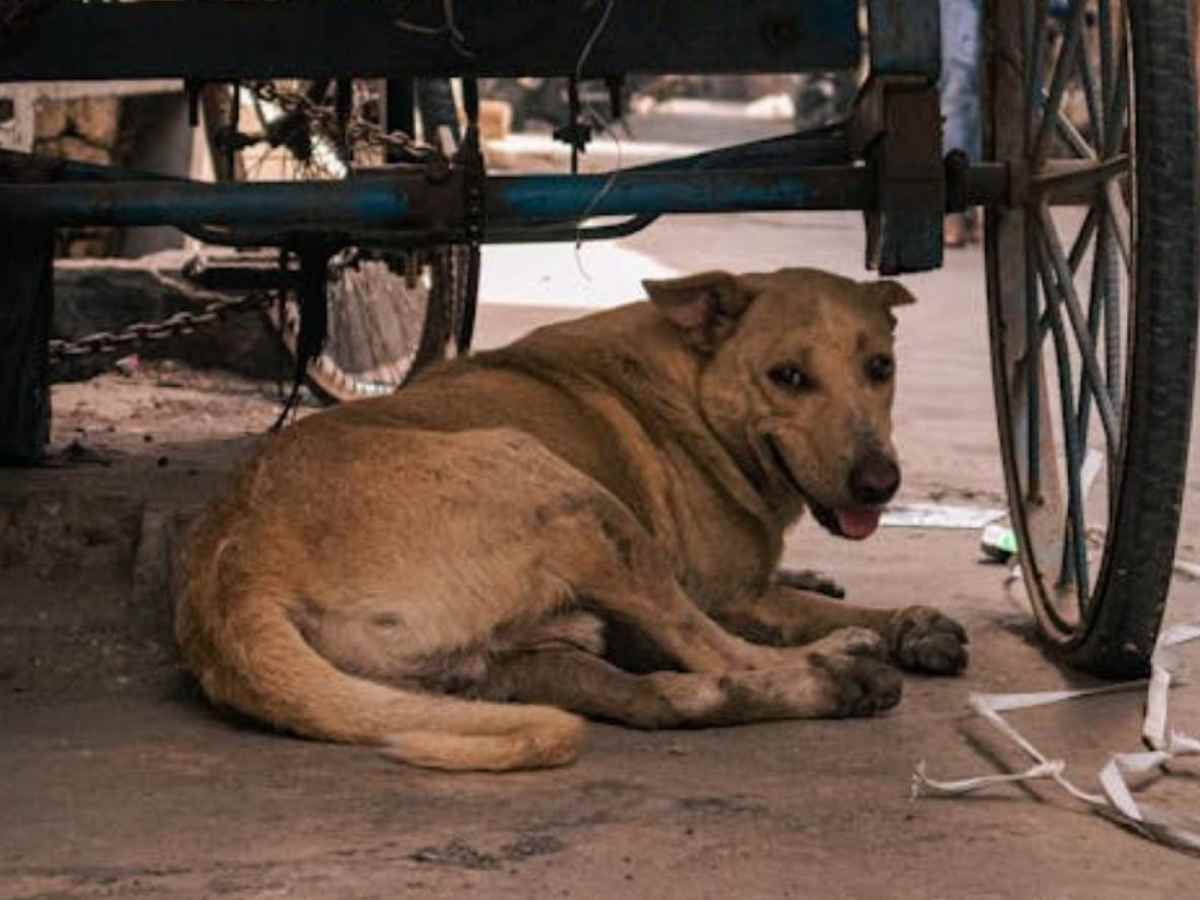
Delhi’s estimated five to six lakh stray dogs, along with thousands of community cats, cows, and bulls, experience the brunt of pollution without any defence. They sleep on dusty roadsides, wander traffic-laden markets, and inhale toxic air 24 hours a day.
Their symptoms often go unnoticed: wheezing, watery eyes, gagging, sluggish behaviour, and in severe cases, collapse. During extreme pollution spells, animal rescue groups report rising distress calls for breathlessness and disorientation.
PETA India’s emergency helpline receives around 1,400 calls a day, many of them related to animals affected by harsh environmental conditions — a number that spikes during pollution emergencies.
Birds navigate smog-choked skies
Birds, once silhouetted gracefully against Delhi’s skyline, now cut through heavy smog that impedes their flight and disrupts their foraging patterns.
Particulate matter clings to feathers, reducing insulation and making flights more energy-intensive. Toxic gases irritate their small, sensitive respiratory systems. Migratory birds reaching Delhi’s wetlands often encounter smog so dense that visibility drops drastically, disrupting navigation.
There have been repeated reports of birds collapsing mid-flight, crashing into buildings, or arriving dehydrated and disoriented at rescue centres. Thousands of birds, experts say, suffer the consequences of Delhi’s polluted air each winter.
Pollution weakens the food chain
Delhi’s ecological chain is intricately connected: birds, insects, dogs, cows, and small mammals coexist in overlapping habitats. Pollution disrupts this balance at multiple levels.
Toxic particles settle on plant surfaces, inhibiting photosynthesis and reducing food supply for herbivores. Insects — crucial food for many bird species — decline sharply during severe pollution episodes. Odour cues, essential for animals to locate food or mates, get distorted in polluted air.
Bansore explains that pollutants can damage the olfactory senses of animals. Without the ability to track scents, animals struggle to hunt, forage, or detect danger. In birds, weakened lungs reduce flight stamina, making long-distance navigation perilous.
Reproductive health suffers in silenceAir pollution’s most devastating impact may be on reproduction — a slow-burning crisis unfolding within Delhi’s wildlife and stray populations. Prolonged exposure to polluted air disrupts hormones, alters mating cycles, and reduces fertility.
According to Bansore, “air pollution can disrupt hormonal functions and affect reproductive behaviour. It can also alter scents, impacting animals’ ability to find mates. Pollutants can disrupt endocrine systems and reduce reproductive success.”
Birds miss seasonal cues triggered by temperature and daylight, leading to delayed or unsuccessful nesting. Mammals exposed to chronic pollution show higher rates of miscarriage, stillbirth, and developmental abnormalities. Such long-term disruptions could shrink local populations over time.
Green spaces and wetlands are losing resilience
Delhi’s green spaces — parks, gardens, and the Yamuna floodplains — are not spared either. Thick layers of dust coat leaves, weakening trees and reducing nectar production. Diminished plant health affects herbivores and pollinators, creating a chain reaction that stretches across the ecosystem.
Wetlands become toxic when airborne pollutants settle into water bodies, altering pH levels and reducing oxygen. Migratory and resident birds that depend on these wetlands face both food scarcity and respiratory distress.
Rising evidence from shelters and rescue groups
Comprehensive wildlife mortality data directly linked to air pollution remain limited, but recurring cases across Delhi point to a clear pattern. Animal shelters report increased admissions during smog peaks. Community feeders notice dogs refusing food due to respiratory irritation.
Bird rescuers have long documented collapses during peak pollution days, especially among kites and pigeons. Working animals, especially horses, are known to collapse from respiratory fatigue after prolonged exposure.
Organisations respond through rescue and advocacy
Animal welfare organisations including PETA India are stepping in through helplines, rescue operations, and policy advocacy.
PETA India has urged the government to amend breeding laws to prohibit breeding of breathing-impaired dog breeds, given their extreme vulnerability. The organisation consistently campaigns against firecrackers — a major seasonal pollutant — and promotes vegan lifestyles, citing the climate and pollution impact of the meat and dairy industry.
The group also collaborates with government bodies to support eco-friendly alternatives and sustainable policies that benefit both humans and wildlife.
How citizens can help protect animals
Citizens play a crucial role in reducing the pollution burden on animals. Simple steps include keeping pets indoors during high-AQI days, using air purifiers, maintaining hydration, and limiting exposure during smog spikes.
For stray animals, residents can provide clean water, safe shaded feeding areas, and promptly report distress to rescue helplines. Bansore emphasises the role of lifestyle changes, saying that adopting plant-based diets can significantly reduce individual environmental footprints.
PETA India’s emergency helpline — 98201 22602 — remains a critical resource for reporting animals in need.
A call for compassion and accountability
Delhi’s air pollution crisis is no longer a human-only story. The city’s animals and birds breathe the same toxic air, suffer the same health consequences, and yet receive only a fraction of the attention.
As Bansore notes, the crisis spans from lungs to hormones, from food chains to behaviour — a deeply ecological disaster. Pollution is slowly reshaping Delhi’s urban wildlife, altering its rhythms, shrinking its populations, and eroding its biodiversity.