A pattern of growing lawlessness, particularly among young people, has been troubling Delhi for several years. A significant segment of the population that is expected to contribute to the productivity of a city or town is increasingly drawn into crime, including violent offences.
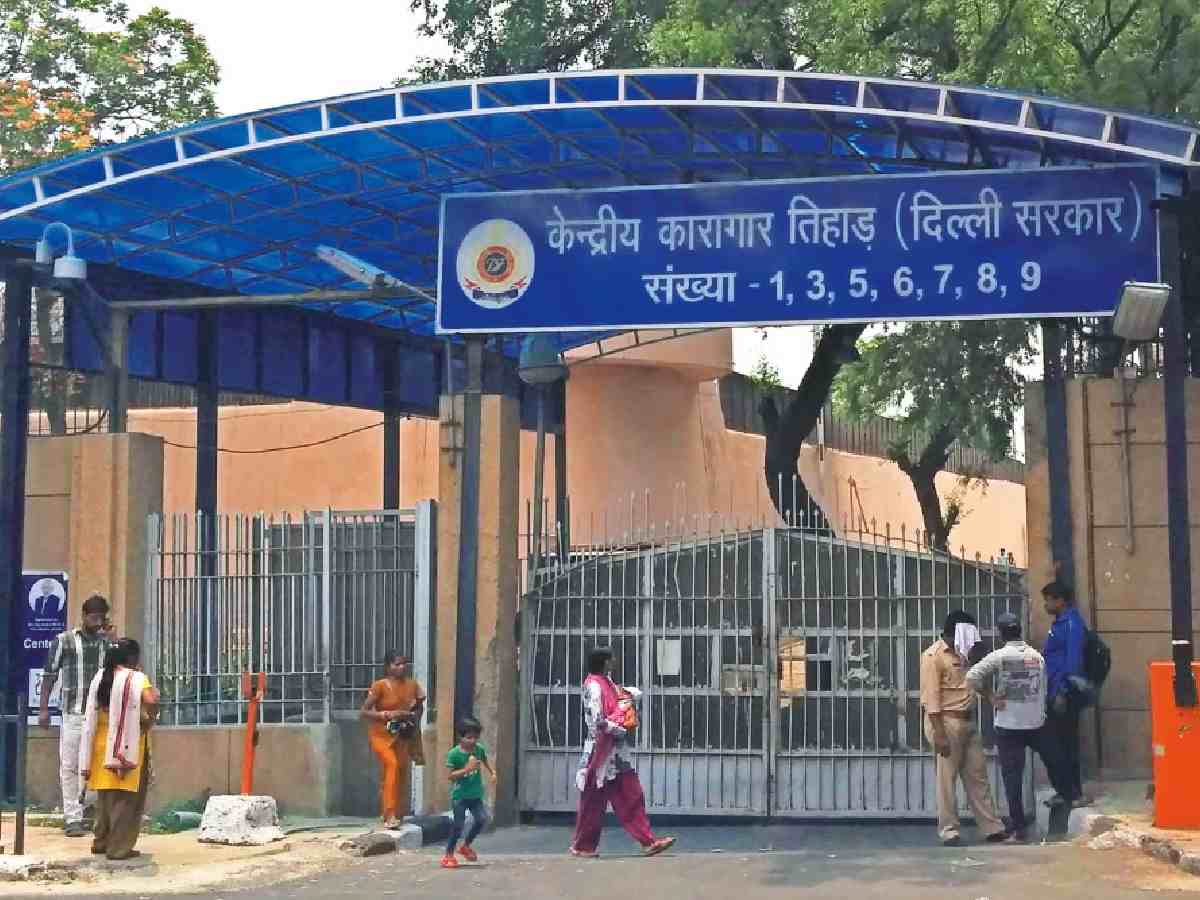
According to data from the Prisons department, of the 19,770 prisoners across the capital’s 16 jails, 9,992 — just over 50% — are aged between 21 and 30, making them the largest age group among inmates.
The next significant segment comprises 9,304 prisoners aged 31 to 50. However, inmates aged between 18 and 20 account for 773 of those lodged inside.
Overall, more than 55% of inmates are below 30, and seven out of 10 prisoners are under 50, highlighting the youth-heavy nature of Delhi’s prison population. At the other end of the spectrum, 370 prisoners are aged between 60 and 70, while 101 inmates are above 70.
Drivers behind youth involvement in crime
Multiple factors contribute to the disproportionate number of young people being implicated in crime and incarceration. Economic hardship, social marginalisation, and the allure of criminal lifestyles portrayed on social media are among the key influences.
According to a senior police officer in the Special Cell, Delhi’s criminal gangs are increasingly recruiting young people and juveniles. “In many cases, they are at the centre of heinous crimes, including murders. Gangs exploit the legal leniencies granted to them, using them to commit crimes without fear of significant legal repercussions,” the officer explained.
While juveniles apprehended for crimes are sent to juvenile homes, older youth do not receive similar leniency. “The juveniles return after a stretch of time inside the homes but the case is not the same for other young people,” the officer said.
Financial hardship and difficult home environments often push young people towards gangs, where they seek a sense of belonging. “The rush of an easy way to get a certain amount of money is also there. It’s easy money. However, sometimes they are just unfortunate enough to get embroiled with questionable company,” said a senior Crime Branch officer.
According to the police, some of the gangs that have employed such individuals include the Lawrence Bishnoi–Goldy Brar gang, Himanshu Bhau, Kapil Sangwan alias Nandu, Manjeet Mahal, Neeraj Bawana, and Hashim Baba, among others.
National data reflects rising juvenile crime
According to the latest National Crime Records Bureau (NCRB) report, a total of 31,365 cases were registered against juveniles across the country in 2023, marking a 2.7% rise over the previous year. Delhi recorded the highest crime rate at 41 per one hundred thousand children.
Nationwide, the juvenile crime rate increased from 6.9 in 2022 to 7.1 in 2023, reflecting a steady upward trend.
The report further detailed that 40,036 juveniles were apprehended in connection with these 31,365 cases. This included 34,674 individuals held under the Indian Penal Code (IPC) and 5,362 under Special and Local Laws (SLL) during 2023.
The data indicates that most minors fall into the older age bracket. The report stated that the majority of juveniles in conflict with the law apprehended under IPC and SLL crimes were aged 16 to 18, accounting for 79%, or 31,610 of the 40,036 total apprehensions.
A police study covering January 2022 to May 2024 revealed that 259 minors were involved in serious offences such as murder, attempted murder, rape, robbery, and extortion. In 2022 alone, 3,002 minors were involved in various crimes, including 152 murders.
The numbers were even higher in 2021, with 3,317 minors implicated in crimes, including 125 murders. These statistics highlight the increasing brutality of juvenile crimes, leaving police and psychologists deeply concerned.
Psychological and social influences
Psychologists attribute the rise in crimes involving juveniles and young people to socio-economic pressures and media exposure.
“On a daily basis, these juveniles are exposed to a barrage of content on television and social media that can significantly influence their behaviour. Even something as straightforward as a news story about a murder can leave an impression,” said Dr Anuna Bordoloi, consultant clinical psychologist at Fortis Healthcare, Noida.
“Social media, in particular, often glorifies violent acts, while video games with aggressive themes exacerbate their tendencies. Moreover, their immediate environment plays a critical role. Many of these minors are driven by a desire to prove themselves, sometimes viewing crime as a way to gain recognition or ‘hero’ status within their families,” Dr Bordoloi added.
She further noted that younger generations have become more impatient in how they see themselves.
“They want everything quick. The society in itself has turned much more secluded and divided, with no sense of cohesion. This brings these children up to turn into aggressive human beings themselves,” she said.
Sanskriti Singh, a Delhi-based clinical psychologist, stressed the need for preventive measures. “Mental health professionals must be actively involved in rehabilitating juvenile offenders, focusing on positive personality growth rather than just punishment,” she said.
Singh advocated community mental health programmes, particularly in lower socio-economic areas, to address the root causes of crime.
Overcrowded prisons
Delhi’s prison system is currently grappling with a serious space crunch, with inmate occupancy at nearly double the sanctioned capacity. A significant portion of this burden comes from younger inmates, reflecting the shifting age profile of crime in the capital.