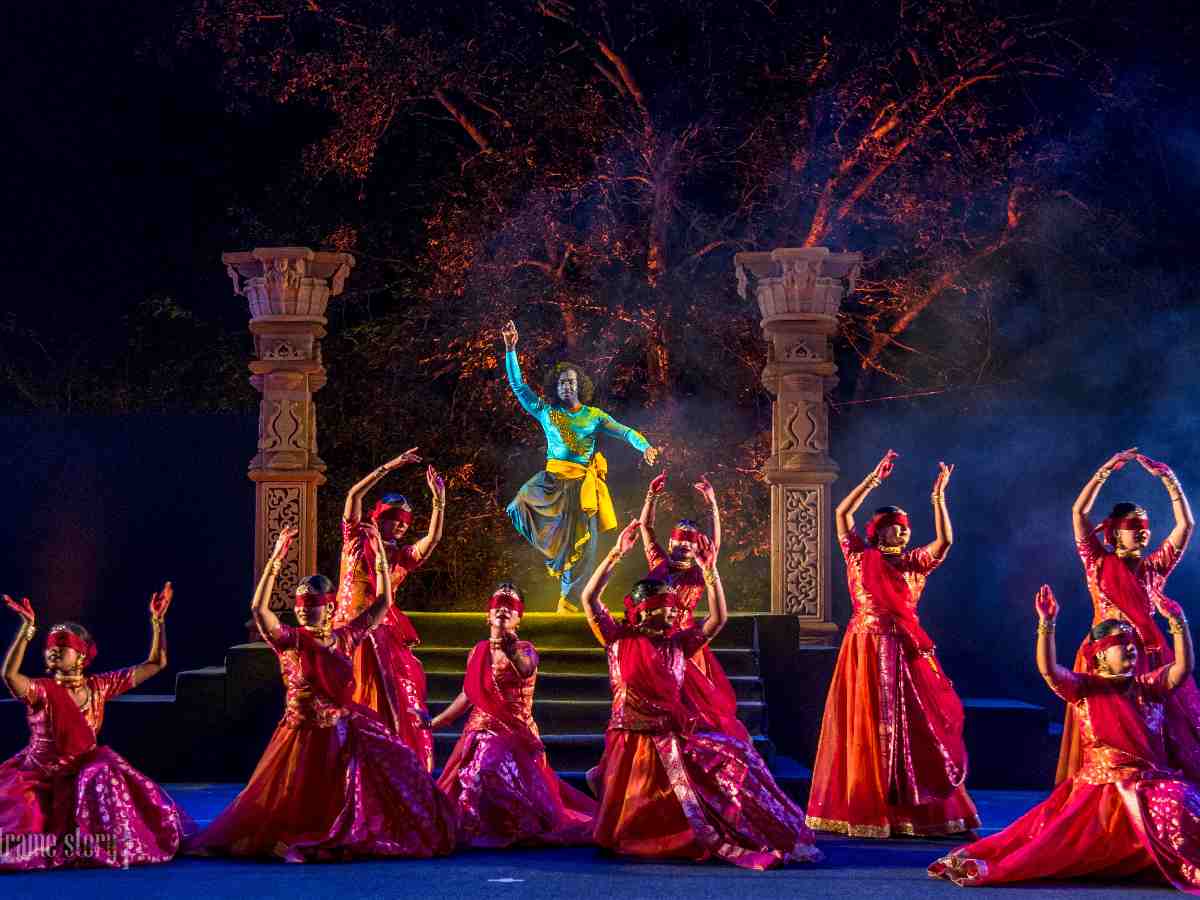
Kuchipudi gurus Raja Radha and Kaushalya Reddy are presenting the annual dance and music festival Parampara at Kamani Auditorium on August 7, 8 and 9.
This year, the music section of the festival focuses on legacy. The three concerts each feature parents performing with their children, though every pairing tells a different story.
Pt Sajan Mishra sang for decades with his elder brother Rajan, until the latter succumbed to Covid-19 in 2021. Unaccustomed to performing solo, Sajan invited his son Swaaransh to join him on stage. Pt Madhup Mudgal inherited the music and teaching legacy of his father, Pt Vinay Chandra Maudgalya. In turn, his younger daughter, Sawani, has trained as a singer and is also a teacher.
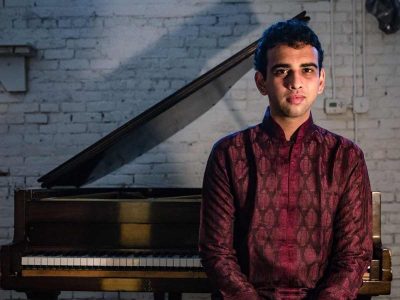
Pt Shubhendra Rao, the sitarist, and Vidushi Saskia de Haas, the cellist, will perform with their son, Ishaan Leonard Rao, on the piano. Although Ishaan trained in both North Indian classical and Western classical music, he has chosen to pursue a different musical path.
A journey back to classical music
Swaaransh, the eldest of the three second-generation musicians, trained as a classical vocalist, representing the sixth generation of his family’s Banaras gharana. However, he initially chose to build a career as a lyricist and music composer. In 2012, he composed the song Ganga Maiyya in the award-winning documentary Bha. His debut as a lyricist and music director in feature films came with Bekhudi in 2021.
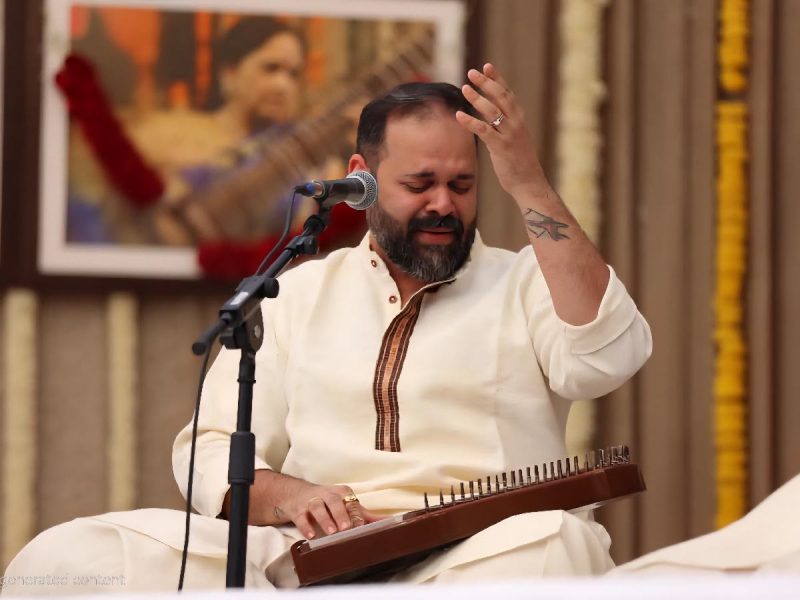
As he puts it, “Just when I felt my journey towards Bollywood and commercial music was beginning to take shape, God had a completely different plan for me. The passing of my uncle Rajan ji, and then, just nine months later, losing my grandfather, Pt. Birju Maharaj ji, was a huge emotional shock. Suddenly, life asked me to leave everything behind and choose a completely different career in the middle of my life.
“When my father asked me to sing with him on stage, accepting that offer was not easy. Both my gurus never compromised on presenting a raga in its true form. Even today, my biggest fear is making a small mistake, because they would point it out right there on stage. It was funny and scary at the same time.”
Elaborating on where he sees his musical legacy going, Swaaransh said, “If I get the opportunity, I would still love to write, compose, or sing for Bollywood. I see singing, composing, and writing as complementary rather than competing with each other. Today, my first priority is to establish myself as a classical singer. Right now, I am enjoying this inner journey — learning every day, refining my thoughts, and growing under my father’s guidance.
“When I perform with him, the one thing I keep in my mind is not only the music but also the pauses. To me, duet singing is not just about two people singing together. It requires patience, trust, and listening. If one singer is the music, the other becomes the silence. Both are equally important.”
Passing it on
Sawani Mudgal is a singer, teacher and organiser of music concerts for the family’s Gandharva Mahavidyalaya. Keen to explore other facets of the art, she worked until recently at KNMA. The soft-spoken Sawani is also an accomplished photographer. Asked what legacy means to her, she says: “Legacy for me is not restricted to music alone. It is about carrying forward the values and ideas that have been instilled in me since childhood.”
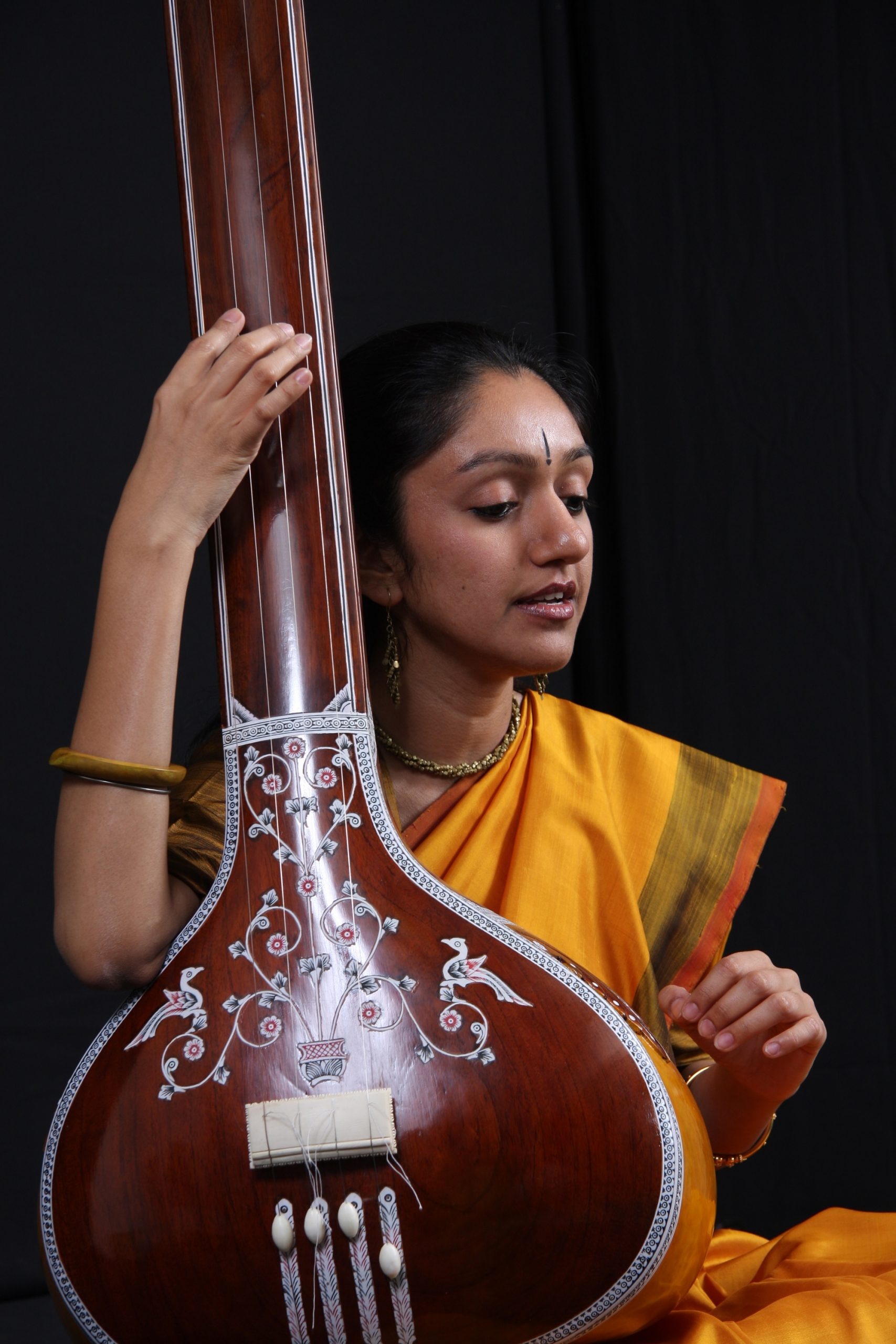
For Sawani, music etiquette is as important as the music itself.
“Rehearsals have included not just practice but the respect and love that we show to our co-artists. Teaching, learning how to teach, and learning through teaching are all part of the process. Treating everyone equally in class, whether they are here to become professional musicians or simply pursue music as a hobby, is equally important.”
This spirit of inclusivity – and the belief that performance need not be the ultimate goal for every music student – forms an important and distinctive part of Sawani’s understanding of legacy. Other values, she says, are equally significant: “Learning to listen, organising, stage arrangement, aesthetics, punctuality, sensitivity, and showing respect to everyone are all part of what I have imbibed. They are as much a part of my legacy as the music itself.”
Bridging two worlds
Born to Indian sitarist Shubhendra Rao and Dutch cellist Saskia de Haas, Ishaan Leonard Rao inherited both Indian and Western classical traditions. He chose the piano as, in his words, “a means of individuation.” As a child, he trained in Indian classical music as well as the classical piano repertoire. Over time, he sought “to find commonalities between the two and draw inspiration from various other musical traditions.” Today, his music is rooted in classical traditions but interpreted through his own distinct voice, incorporating piano techniques to create a sound that is uniquely his.
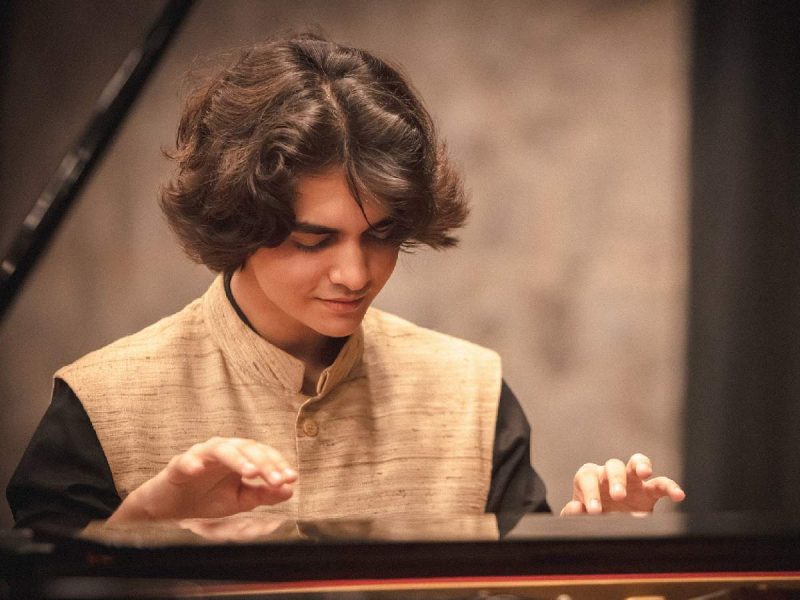
Currently pursuing a Masters Degree in Music at the New England Conservatory in the United States, Ishaan says: “I grew up cognizant of my legacy, while also not being fearful of the restrictions it might impose on me. My compositions flit in and out of conventional genres, but don’t fit neatly into any one of them. I always begin musically within a raga, using piano techniques, before moving into harmonic vocabulary, jazz of the 1950s and ’60s, and contemporary jazz. I have also learnt Arabic and Balkan music; rhythmically, there is a lot of similarity with Indian music. But I remain rooted in the musical legacy I have inherited.”
Three inheritors; three perspectives on the legacies they inherited.
Tickets for the concerts are available on BookMyShow.