The Delhi government’s plan to regulate e-rickshaws through a mandatory E-Rickshaw Compliance Certificate (ECC) has brought the future of the city’s battery-operated three-wheelers into focus and raised concerns about road safety, traffic management and the livelihoods of thousands of drivers.
Under the proposed Delhi E-Rickshaw (Registration and Operation) Scheme, 2026, the government has proposed capping the number of e-rickshaws operating in the Capital at 2.5 lakh.
The draft framework also anticipates a digital compliance certificate for every vehicle, along with stricter requirements for registration, fitness, insurance, driver credentials, and battery safety. The proposal aims to address congestion, road safety concerns and unregulated fleet growth.
The proposal comes at a time when e-rickshaws remain an important means of affordable last-mile connectivity, particularly in residential neighbourhoods, narrow lanes and areas with limited access to public transport.
Implications for drivers
Under the draft scheme, the ECC would serve as a compliance and operational authorisation linked to the vehicle, its owner, the authorised driver and relevant safety documents. The certificate is proposed to remain valid for two years.
Existing registered e-rickshaws would have 90 days from the scheme’s notification to obtain the certificate, subject to any extension. Drivers would also be required to meet the applicable licensing requirements, including holding a valid e-rickshaw driving licence and a Public Service Vehicle badge.
The proposed framework raises concerns for drivers who may lack complete documentation or whose vehicles need repairs to meet the prescribed standards. The cost of compliance, the availability of inspection facilities and the time required to complete the process could determine how easily drivers adapt to the new system.
For those dependent on daily earnings, even a short interruption in operations could affect household expenses, loan repayments and vehicle rentals.
2.5-lakh cap
The proposed fleet cap is another major aspect of the draft. The government has cited traffic congestion, road safety hazards and the excessive growth of e-rickshaws as reasons for introducing the limit.
However, the estimated number of e-rickshaws currently operating in Delhi has been reported around 4.5 lakh to 5 lakh [source?], well above the proposed cap. This estimate needs to be distinguished from the number of vehicles officially registered and actively operating.
The draft also proposes limits on vehicle ownership and additional obligations for fleet operators. These provisions could affect not only individual drivers but also owners who operate multiple vehicles and employ drivers.
Will it ease congestion?
The government’s proposal aims to bring greater accountability to e-rickshaw operations and address concerns about unsafe vehicles, overloading, parking and movement on restricted roads.
The draft includes measures such as compliance with battery-safety requirements, vehicle identification, fitness and insurance checks, restrictions on passenger capacity and rules against obstructing traffic or pedestrians.
Yet certification alone may not resolve the larger challenges facing Delhi’s roads. Inadequate parking facilities, roadside encroachment, vehicle concentration around transport hubs, and the lack of designated stopping areas can also contribute to congestion.
For commuters, e-rickshaws provide a relatively accessible link between homes, markets, Metro stations and bus stops. A substantial reduction in their availability could make last-mile travel harder in areas where alternative transport options are limited.
Cost and downtime
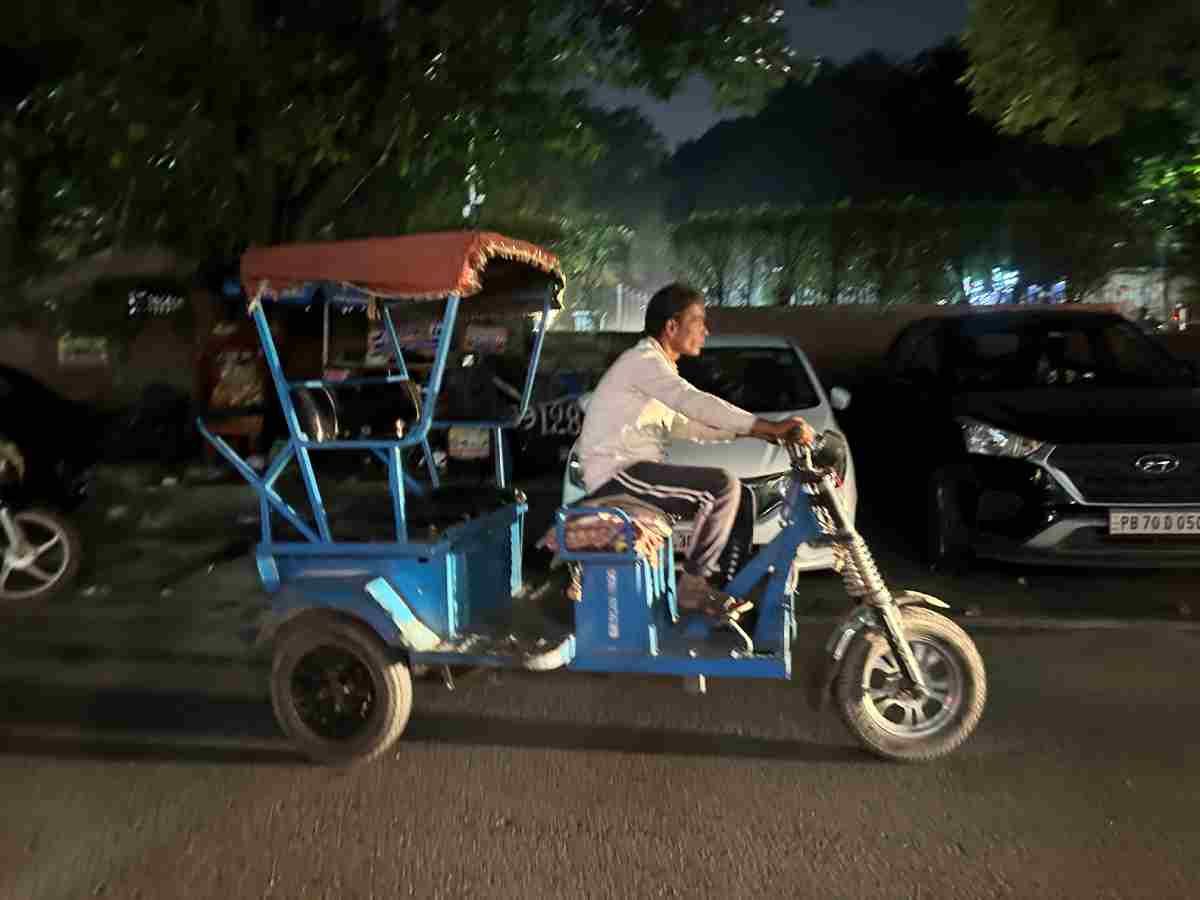
E-rickshaw drivers at the Munirka metro station ferry passengers to nearby residential colonies, markets and other parts of South Delhi. Many depend on these trips for their daily income. The proposed ECC certification has left them concerned about additional costs and possible disruptions to their work.
Ramesh Kumar (name changed), 42, an e-rickshaw driver in Munirka, said, “If we have to pay extra for certification, inspections or repairs, it will be difficult to manage. Whatever we earn goes towards household expenses, charging and maintaining the vehicle. There is not much left at the end of the day.”
For drivers who rent their vehicles, the concern is also about losing income while completing the required formalities.
Mohammad Salim (name changed), 35, who operates near the Munirka Metro station, said, “We have to pay the owner a fixed amount every day. If the vehicle stays off the road for two or three days because of paperwork or inspection, we will still have to manage our expenses. The process should be completed quickly so that our work does not suffer.”
Drivers say the authorities must clearly explain the new standards and give them enough time to carry out any necessary repairs.
An e-rickshaw driver told Patriot, “My e-rickshaw is old, but it is still how I earn my living. If the authorities ask us to make expensive changes, arranging the money will be difficult for all of us, because we earn daily and spend daily. We should be told clearly what is required and given enough time to make the changes.”
Drivers also want clarity on what will happen if their vehicles fail to meet the certification requirements. Many have invested their savings or taken loans to purchase their vehicles, making the prospect of being unable to operate a serious concern.
Salim added, “We are ready to follow the rules if they are meant to improve safety. But if a vehicle fails an inspection, the owner should be told what is wrong and given a chance to fix it. Taking a vehicle off the road without giving us time to make repairs would affect our livelihood.”
“People depend on us to reach the nearby metro station, or the furniture market or get home. If the number of e-rickshaws on the road is reduced, passengers may also have to wait longer. The authorities should consider how these rules will affect both drivers and commuters,” he added.
The proposed certification requirements highlight the cost of compliance, the time drivers will have to meet the standards, and how vehicles that fail inspection will be treated. While the authorities aim to regulate e-rickshaw operations, drivers want a process that is affordable, transparent and does not unnecessarily interrupt their work. The final impact will depend on the rules the government adopts and how they are implemented on the ground.