
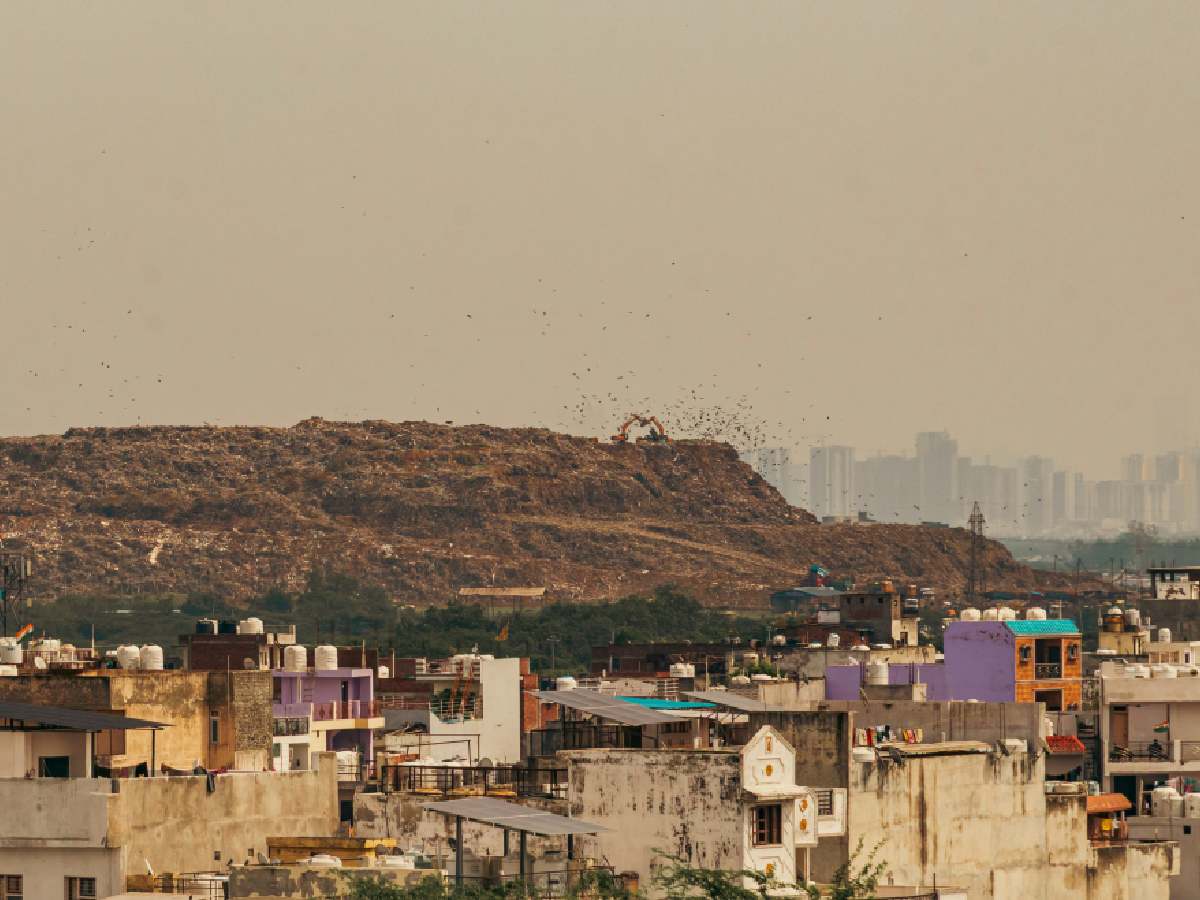
Every November, Delhi’s banquet halls gear up for the busiest weeks of the wedding season. But as the celebrations peak, so does the Capital’s winter pollution crisis, forcing the micro-entrepreneurs who power these events — caterers, tent operators and equipment renters — into an impossible bind.
Under the Graded Response Action Plan (GRAP), strict curbs on open burning and coal use have rendered the traditional coal-fired tandoor illegal, placing a massive operational and financial strain on those trying to keep the city’s grandest feasts running.
Differing costs
At the centre of this seasonal transition is the traditional culinary heart of North Indian wedding feasts: the coal-fired tandoor. Long celebrated for delivering the crust of classic flatbreads, coal burning is strictly prohibited under winter anti-pollution rules to reduce particulate matter emissions. Instead, vendors and kitchen operators have had to pivot rapidly toward commercial liquefied petroleum gas setups.
In wholesale markets where kitchens are outfitted for weddings and events, the transition shows up in the hardware itself.
Arvind Kumar, a tandoor manufacturer and seller, says the sales divide reflects strict compliance in the Capital.
“Inside Delhi, coal tandoors are not being sold. The people buying tandoors inside Delhi are only taking the gas ones,” Arvind explains. He notes that coal-fired units are now only dispatched to buyers operating beyond the Capital’s territory. For local businesses, making that initial equipment switch requires an upfront capital outlay, with Arvind confirming that there is a difference of around Rs 4,000 to Rs 5,000 between a conventional coal drum and a gas-fitted commercial tandoor.
Also Read: 300 detainees and a hostage crisis: inside Delhi’s largest detention centre
For the city’s catering contractors working with razor-thin margins and tight budgets, however, the current operational cost of gas presents a far heavier burden than the stove itself. Under the current fuel pricing structure, clean commercial LPG cylinders cost significantly more than the sacks of coal usually used for long catering shifts. Abhishek Rawat, the owner of Rawat Caterers, emphasises that absorbing these running expenses cuts directly into a caterer’s bottom line. “In this season, we cannot use coal, so we have to use cylinders,” Rawat says. “A commercial cylinder costs around Rs 3,000. Now you tell me, is it a profit or a loss? It is a direct loss for us.”
He says this loss compounds as they pick up events throughout the wedding season. “In one single function, at least two cylinders are used,” Rawat explains, “Sometimes it is Rs 6,000, sometimes it reaches up to Rs 8,000 to Rs 9,000. Sometimes two cylinders are used, sometimes three.”
Because Indian weddings are typically planned and booked months in advance during the late summer, contractors are caught between fixed contracts and volatile seasonal overheads.
“The customer books two to three months in advance, so they don’t care about these changes. Because of this, we have faced so much loss. For five or six functions, the cylinders cost around Rs 30,000. And recently, during the fuel crisis when cylinders were stopped or hard to find, we had to use firewood, which alone cost Rs 50,000 to Rs 60,000. But whoever has a wedding planned will still have to go ahead with it.
Also Read: City markets present uneven picture of pre-Deepavali clean-up
Demand for traditional kitchens
Beyond the kitchen counters, the shift also reshapes the expectations of both clients organising their events and the guests attending. Food remains central to family celebrations, and diners accustomed to the rustic taste of coal-baked naans are often hesitant to accept pan-cooked alternatives.
Manoj Kumar, who operates a tent and catering business, explains how catering menus have had to change drastically on short notice. “The tandoor is completely closed now; it is banned,” he explains. “Earlier our menus included tandoori roti, tandoori naan, and puri. Now, as we are replacing the tandoor, we have to make puri and phulka roti separately on gas, the kind that is made in homes.”
As a result, customer satisfaction remains a delicate tightrope they must balance. “The client still demands items made on the tandoor and wants the roti roasted and crisp,” Manoj adds. “They don’t want simple items. But since there are strict rules and fines now, there is nothing we can do. We provide them with a tent, but we cannot cater the event.”
Rather than risking penalties, many tent operators simply decline to take on catering contracts altogether, choosing to rent out only the fabric awnings and seating to avoid the culinary friction.
Loss of reliable power supply
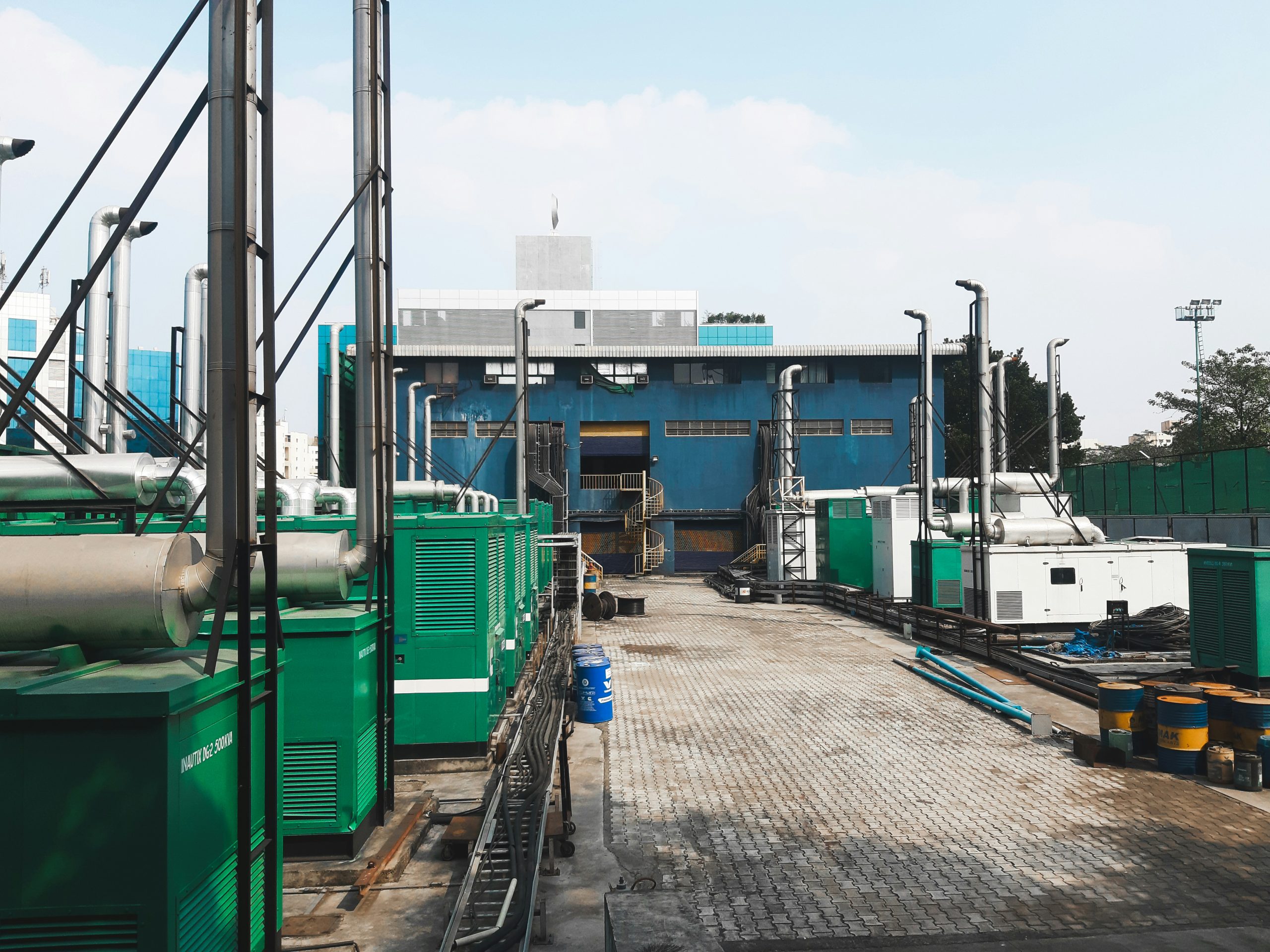
A similar shift is taking place in how temporary outdoor banquets are illuminated. To curb emissions from older, polluting diesel generators, environmental regulations require users to connect directly to the formal power grid. Newer generator models that meet the latest central pollution control standards significantly minimise emissions. However, acquiring compliant machinery or fitting approved retrofit kits remains difficult for small-scale rental agencies.
An employee spoke at length about their private generator rental firm’s dwindling business. He explained that while cleaner, low-emission generator sets represent the technological future, the economics of compliance fall heavily on smaller business owners. Upgrading machines with approved retrofits or investing in newer units can raise capital costs by tens of thousands of rupees, an expense rental vendors cannot easily pass on to budget-conscious families. When restrictions on running temporary generators take effect, many operators find their rental inventory idling in warehouses during what should be their peak earning quarter.
Also Read: Where books found their readers: Delhi Public Library at 75
Passing costs to consumers
“If the initial cost of a generator set goes up, we must increase the rent. And when rent increases, clients hesitate. The generator industry has been unfairly defamed, even though generators are an essential alternative power source. For three or four months every year, our business comes to a complete standstill. The Haryana government and Uttar Pradesh give subsidies to those investing in sustainable generators, but the Delhi government hasn’t brought in any such scheme to help our business,” said the private firm employee.
To keep temporary tent set-ups lit without running diesel engines, the administration directs event organisers to draw electricity directly from the formal grid by applying for temporary event meters from local distribution companies like BSES. In practice, this transition requires advance coordination that often proves challenging for ordinary households.
As Manoj observes, applying for a temporary meter involves formal paperwork, verifying residential identity documents, and waiting days for sanction approvals. While a temporary line offers clean grid power, the associated connection charges can push basic electricity costs up from a few thousand rupees to Rs 12,000- 15,000 for a single venue. This adds another layer of expense to the family’s wedding budget.
At SK Tent House, operators report a noticeable domino effect across neighbourhood bookings. With inflation touching raw ingredients and fuel, small tent suppliers find their overall costs climbing rapidly. While commercial gas cylinders remain accessible in open markets, long-time clients frequently insist on being given discounts or adhering to older price estimates, forcing small business owners to squeeze their margins to retain the goodwill of families.
Cleaning Delhi’s winter skies is an environmental and moral necessity that protects millions of citizens from the harsh impacts of toxic air. Yet, as the capital navigates this essential green transition, the voices from its banquet tents and catering kitchens reveal the human side of environmental regulation. Behind the glitter of every wedding reception are the daily wagers, cooks, and equipment operators working on thin margins, quietly absorbing the financial shocks of clean-air compliance to ensure that the city’s celebrations go on.