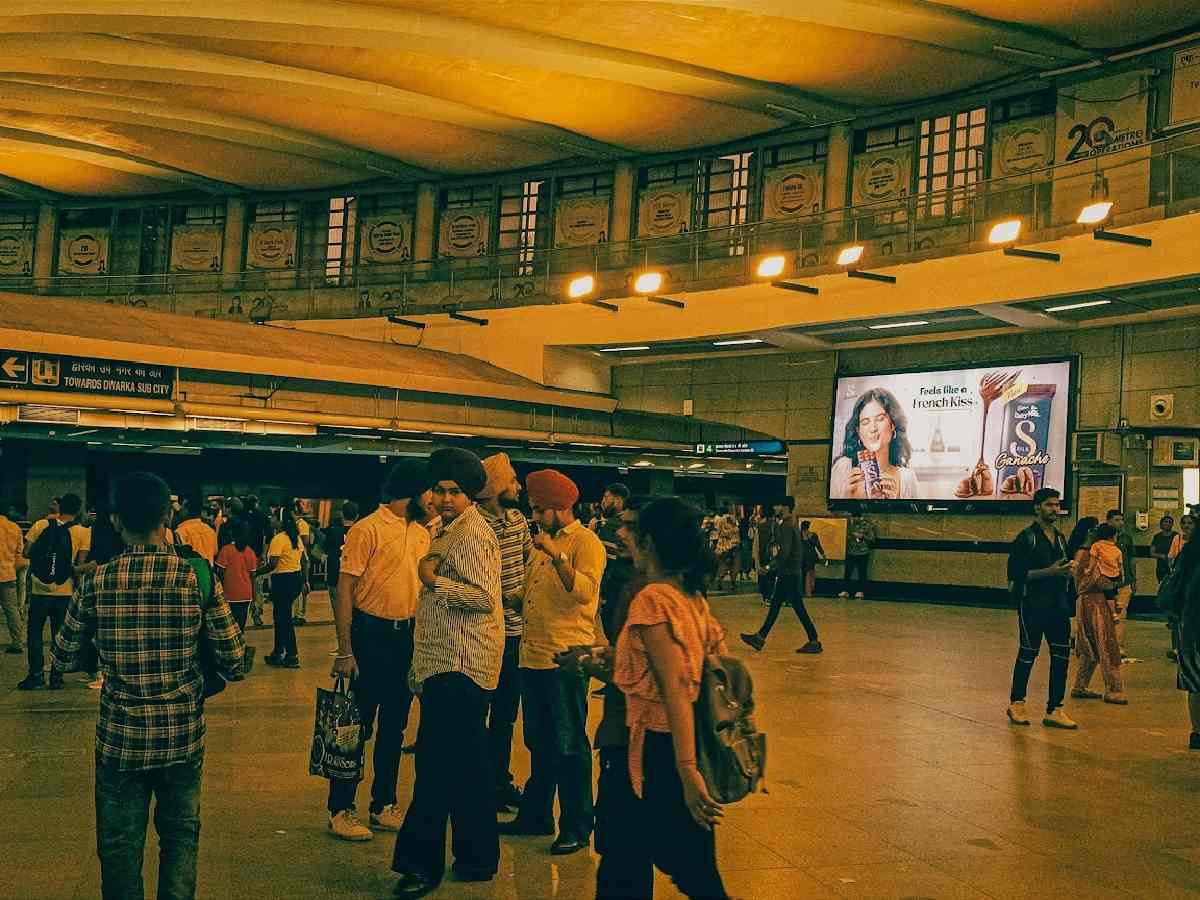
Stepping off the train in Delhi no longer just means braving chaotic street crowds to score a bargain. Across the city’s major commute hubs, a thriving micro-economy has bloomed right inside the metro stations, turning daily travel into impulse shopping sprees.
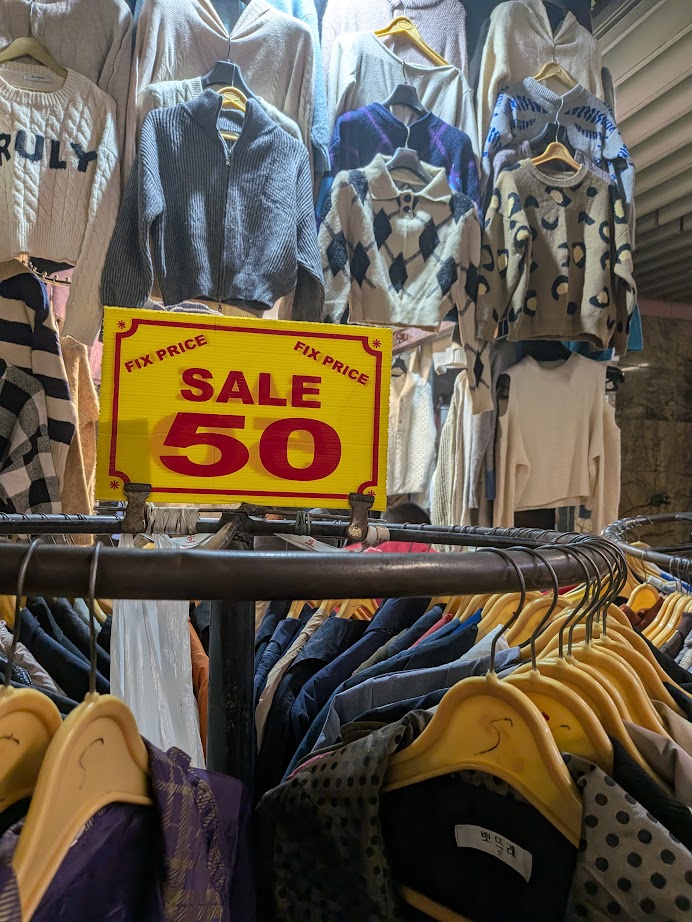
At Sarojini Nagar, commuters don’t even need to exit the station to hunt for deals. Racks are packed with seasonal coats, tops, and winter sweaters with prices starting as low as Rs 50 and rarely crossing Rs 200. Though if you browse long enough, you might chance upon bizarre yet quirky, Bollywood-themed prints. Down the line at Lajpat Nagar, metro travellers are greeted with internet-driven trinkets—from viral Labubu charms to chaotic “AI-slop” keychains.
Further west, Rajouri Garden operates on a festive clock. Salesman Kamran opens shop between 9 and 10:30 AM, stocking waist chains, coin belts, and festival-specific jhumkas that routinely sell out by the 4–5 PM rush. Their jewellery stock changes with the season, as heavy, festive pieces are swapped out for more contemporary winter pieces.
Also Read: Delhi: Women sanitation workers: breathless at work, untreated at home
Meanwhile, Mandi House caters to students and couples during the 6–7 PM evening wave. Here, saleswoman Arfa manages earring sales alongside evergreen crocheted flowers (Rs 150–Rs 300), though perfumes and hair clips move more slowly. Along the same line, passengers exiting Rajiv Chowk can find beautiful Kashmiri bangles for Rs 150 per stack. These sit right alongside accessories ranging from hairpins to chunky rings.
Yet behind the Rs 40 margins and wholesale restocks lies a gritty and complex reality. Daily-wage staff like sweater-market workers earn just Rs 500 a day and struggle to keep track of every piece during metro rush hours, often paying out of pocket when the crowds are full of shoplifters. Amid aggressive bargaining and rents reaching as high as Rs 1.5–3 lakh a month, running a station stall can be tricky. Still, as winter stocks rotate in and festivities peak, Delhi’s metro bazaars remain the Capital’s fastest-moving retail frontier.