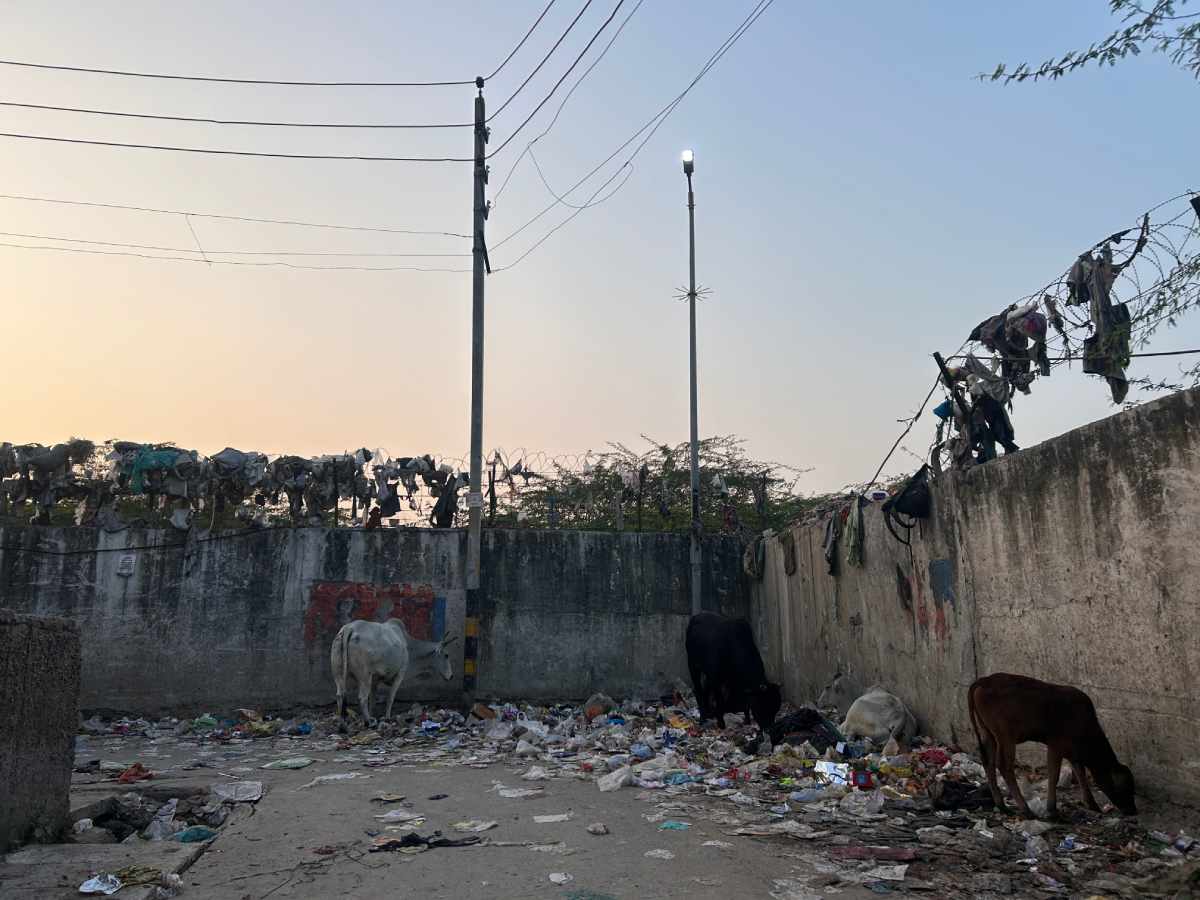
As Delhi continues to grapple with hazardous air pollution, a section of its workforce has little choice but to remain exposed to it for hours every day. Women sanitation workers, who sweep the city’s roads, clear garbage and work around drains and waste sites, are among those bearing this burden. While their respiratory problems are increasingly being documented, a less discussed concern is emerging around their menstrual and reproductive health.
A report published by The Times of India on November 23 cited a study by the International Institute for Population Sciences (IIPS), which found that sanitation workers in India have an estimated life expectancy of 63.8 years, nearly 11.4 years lower than that of professional and managerial workers. In urban Delhi, the estimated life expectancy of women sanitation workers stands at 64.3 years, compared with 62.3 years for their male counterparts.
The study, titled ‘Bridging the Life Expectancy Gap of Sanitation Workers in India’, also found that out-of-pocket healthcare spending accounts for 17.4% of monthly household consumption expenditure among sanitation workers. Only 1% of the survey records showed payment of a health insurance premium. An estimated 128 occupational hazard-related deaths occur annually across the country’s sanitation workforce.
For women workers, however, the concerns go beyond the immediate effects of breathing polluted air. Their accounts of breathlessness, persistent coughing, burning eyes and other health complications, alongside reports of menstrual and gynaecological problems, raise questions about the cumulative impact of occupational exposure.
Uterine fibroids
Anju, 45, a sanitation worker from Kusumpur Pahari, reports persistent coughing, breathlessness and eye irritation after spending long hours sweeping roads and working around dust and vehicle emissions. She also raises concerns about menstrual irregularities and suspected uterine fibroids.
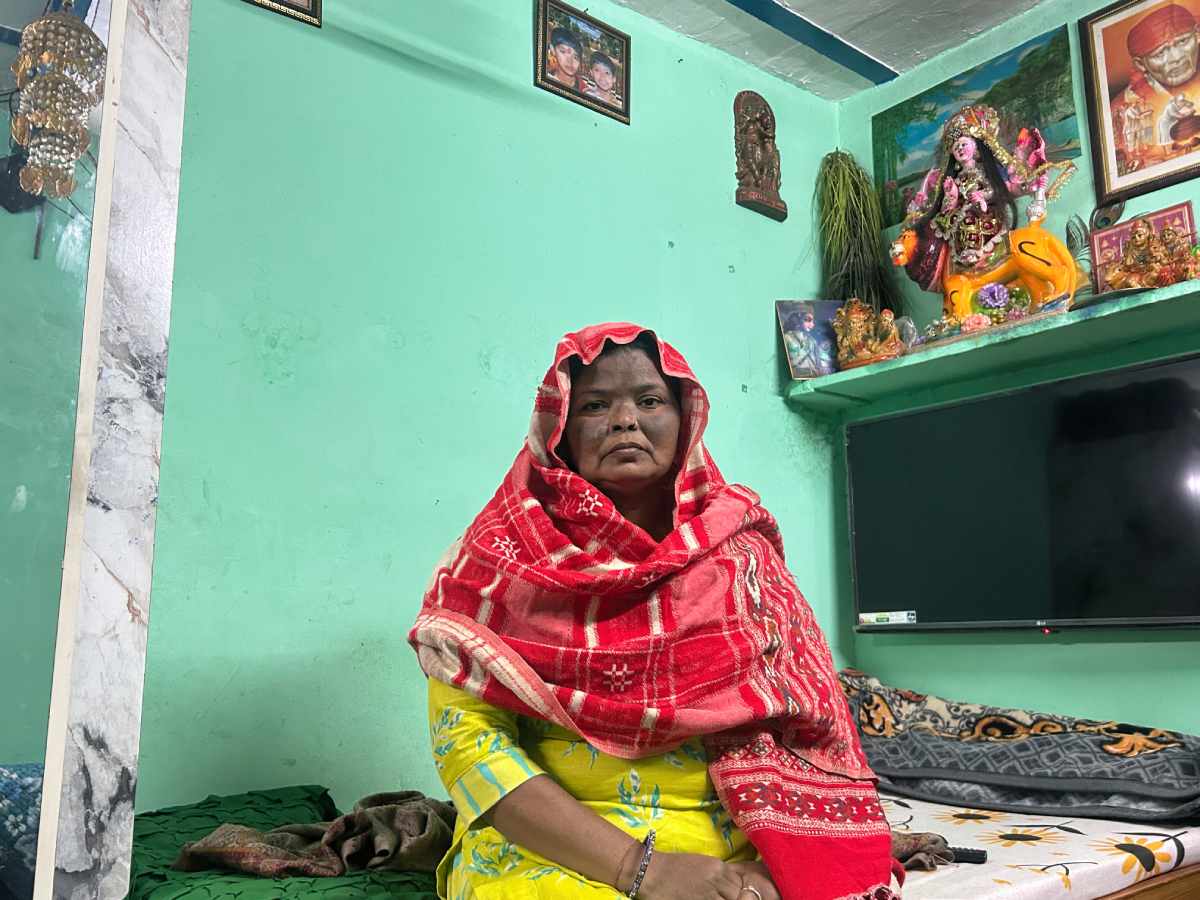
“I often experience breathlessness and a persistent cough after working outdoors. My eyes also burn and water, particularly when there is too much dust. Along with this, I have experienced irregular periods and lower abdominal pain,” she said, adding that her women colleagues talk about a recurring problem they colloquially refer to as “rasoli”, broadly understood as non-cancerous growths such as cysts or benign tumours. “But getting an ultrasound or consulting a gynaecologist is not easy. We also handle discarded sanitary pads and other waste, often without adequate protective equipment. It becomes difficult to look after our health when we have to continue working every day,” she added.
Santosh, 50, a sanitation worker, reports breathlessness and difficulty walking after prolonged exposure to dust, vehicle emissions and polluted surroundings. She also describes experiencing menopausal symptoms, which add to the physical discomfort of her daily work.
“After working outdoors for several hours, I feel breathless and sometimes experience persistent coughing and chest discomfort. The dust from sweeping roads and smoke from passing vehicles make it difficult to breathe, especially when the pollution is severe. At my age, I am also going through menopause. I experience hot flashes, excessive sweating, disturbed sleep and weakness, which make it harder to manage long working hours. Even when I feel exhausted, taking time off is difficult because I depend on my daily wages,” she said.
Rita Devi, 40, a sanitation worker, has asthma and has had to stop working for a few days when her breathing problems become severe. She also expresses concern about vaginal irritation and possible infections while working around contaminated waste.
“I have asthma, and when the pollution becomes severe, I start coughing and struggle to breathe. Sometimes I have to stop working for a few days because I cannot manage the symptoms. We do not always have gloves or clean water to wash properly after handling such garbage,” she said.
At just 19, Naina is already a mother of two children. Her elder child is three years old, while her younger child is one year and seven months old. Managing two young children alongside the demands of daily life has been physically exhausting, particularly when she continues to experience health concerns following her pregnancies. She describes how working and living in polluted surroundings adds to her discomfort, with persistent coughing, breathlessness and irritation making it difficult to manage household responsibilities and care for her children.

“After my pregnancies, my body has not felt the same. I sometimes experience weakness, lower abdominal pain and irregular periods, but it is difficult to find time to visit a doctor when I have two small children to look after. The pollution makes things worse. I often have coughing, breathing difficulties and irritation in my throat, especially when I spend time outdoors. I worry about whether constantly breathing polluted air and working in these conditions could affect my health in the long run. During pregnancy, women need proper care, rest and regular medical check-ups, but for women like us, managing all of that is not easy. We have to look after our children and continue our daily responsibilities even when we are unwell,” she said.
These women’s experiences highlight the everyday consequences of pollution for workers who cannot simply move indoors when air quality deteriorates. They also bring attention to the additional difficulties women face when occupational exposure intersects with menstrual health and access to medical care.
The respiratory burden
A June 2023 study by environmental organisation Chintan, titled ‘UnfAIR Quality: The Impact of Air Pollution on Three Occupations’, examined respiratory health among waste pickers, municipal sweepers and security guards across 15 locations in Delhi.
The study surveyed 400 participants: 100 municipal sweepers, 100 waste pickers, 100 security guards and 100 people in a control group. Participants underwent pulmonary function tests to assess their lung health.
It found that approximately 97% of sanitation workers reported exposure to air pollution during work. Abnormal pulmonary function results were recorded among 86% of the surveyed sanitation workers. The study also identified poorer lung function among women participants than men. A subsequent Chintan publication highlighted that women sanitation workers were six times more likely than their male counterparts to have deteriorated lung function.
The study also found that more than 60% of sanitation workers were unaware of personal protective equipment kits that could help reduce their exposure.
The findings indicate that exposure to dust, particulate matter and toxic gases is not merely an occasional occupational inconvenience but a sustained health concern.
Reproductive health burden
While respiratory complications are increasingly being recognised, the reproductive health concerns of women sanitation workers have received considerably less attention.
A study published in October 2026 in Social Work & Society, titled ‘Intersection of Caste, Gender and Labour: Lived Experiences of Women Sanitation Workers in Delhi’, by Archana Dassi and Risha Baruah of Jamia Millia Islamia University, has brought this aspect into focus.
The researchers conducted in-depth interviews and observations involving five Valmiki community women sanitation workers employed at a public university in Delhi. Four of the five women reportedly described experiencing “rasoli”.
The researchers discussed the possible relationship between occupational exposure to biological and chemical pollutants, poor menstrual hygiene and reproductive health vulnerabilities, including reproductive tract infections.
The findings draw attention to how reproductive health concerns can remain unaddressed when women have limited control over their working hours, access to toilets or opportunities to seek medical attention.
For sanitation workers, menstrual irregularities, persistent pelvic pain, infections and suspected growths can require medical examination and follow-up treatment. Yet taking time off work, paying for diagnostic tests and reaching a specialist can be difficult for women with limited incomes.
Dr Harmeet Khurana, a gynaecologist, explains, “When a woman works for several hours in an environment with dust, vehicle emissions and other pollutants, we need to consider the overall impact of her working conditions on her health. Respiratory symptoms such as persistent coughing, breathlessness and irritation should not be ignored. At the same time, women reporting irregular menstruation, unusually heavy bleeding, persistent pelvic pain or suspected fibroids need proper gynaecological assessment. Poor menstrual hygiene facilities and the inability to change sanitary products regularly can also create additional difficulties. However, we must be medically careful. We cannot say that air pollution directly causes every case of fibroids, ovarian cysts or menstrual irregularity. These conditions can have multiple causes. What is important is that women sanitation workers should have access to regular examinations, diagnostic tests and follow-up treatment instead of being expected to manage persistent symptoms on their own.”
She further added, “Many women delay seeking medical help because they cannot afford to lose a day’s wages, do not have time to visit a hospital or feel uncomfortable discussing reproductive health concerns. This delay can make an existing problem harder to manage. Occupational health programmes should therefore include reproductive healthcare, not just general physical examinations. Pregnant women, women experiencing menstrual complications and those reporting persistent gynaecological symptoms may require individual medical assessment and suitable adjustments to their working conditions.”
The distinction is important. Air pollution exposure does not automatically mean that a woman will develop a reproductive disorder. Conditions such as cysts, fibroids, menstrual irregularities and reproductive tract infections can have several causes, including hormonal, genetic and infectious factors.
However, the available evidence makes it important to investigate whether prolonged occupational exposure to pollutants is adding to existing reproductive health risks among women who work outdoors.
Inadequate workplace protection
The Chintan study also highlighted the need to give special consideration to pregnant and lactating women workers, including assignments with lower exposure to dust and particulate matter, closer health monitoring and flexible working arrangements.
For women experiencing menstrual or reproductive health problems, delayed diagnosis can make receiving appropriate treatment harder. Access to clean toilets, drinking water, private changing spaces and menstrual hygiene facilities is equally important. The absence of these facilities can make menstrual management difficult, particularly when women are assigned long shifts away from municipal facilities.
A woman sanitation worker’s health needs do not end with providing a mask. She also needs access to clean drinking water, suitable protective clothing, toilets and a place to rest when she experiences pain or discomfort.
Response from MCD
When reached for comment, MCD officials told Patriot, “The sanitation workers are provided with protective equipment and health-related facilities. Medical support is addressed through the corporation’s existing arrangements.”
The official added that complaints regarding the availability of masks, workplace sanitation facilities and medical assistance can be taken up with the concerned authorities. However, they did not specify how many women sanitation workers had received gynaecological check-ups, whether reproductive health screenings were included in routine medical examinations, or what dedicated provisions were available for pregnant and lactating workers.