

VIVEK SHUKLA
The writer is a Delhi-based senior journalist and author of two books ‘Gandhi's Delhi: April 12, 1915-January 30, 1948 and Beyond’ and ‘Dilli Ka Pehla Pyar - Connaught Place’
Posts by: VIVEK SHUKLA
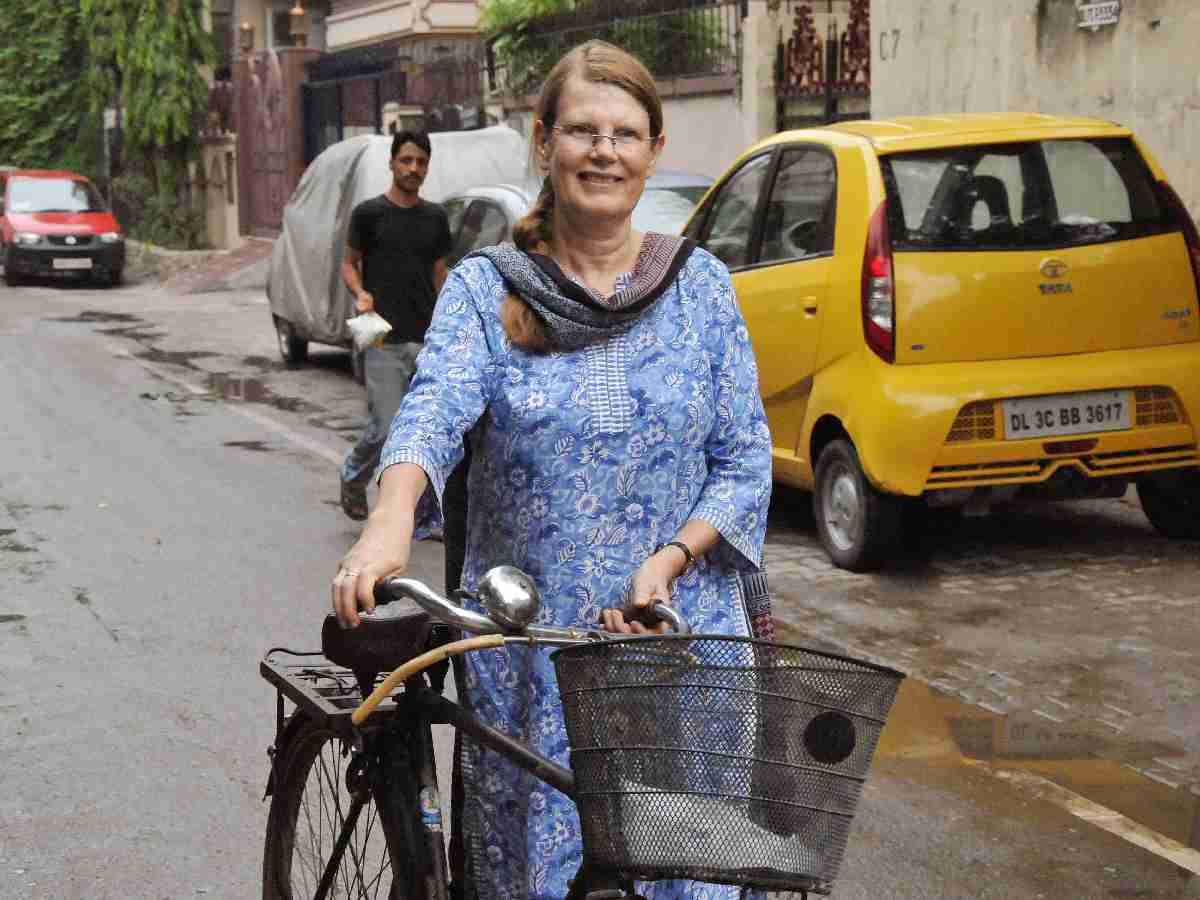
London to Nizamuddin: Gillian Wright’s love affair with Delhi
A translator’s journey from the BBC to the bylanes of Delhi, shaped by literature, language, and quiet resistance
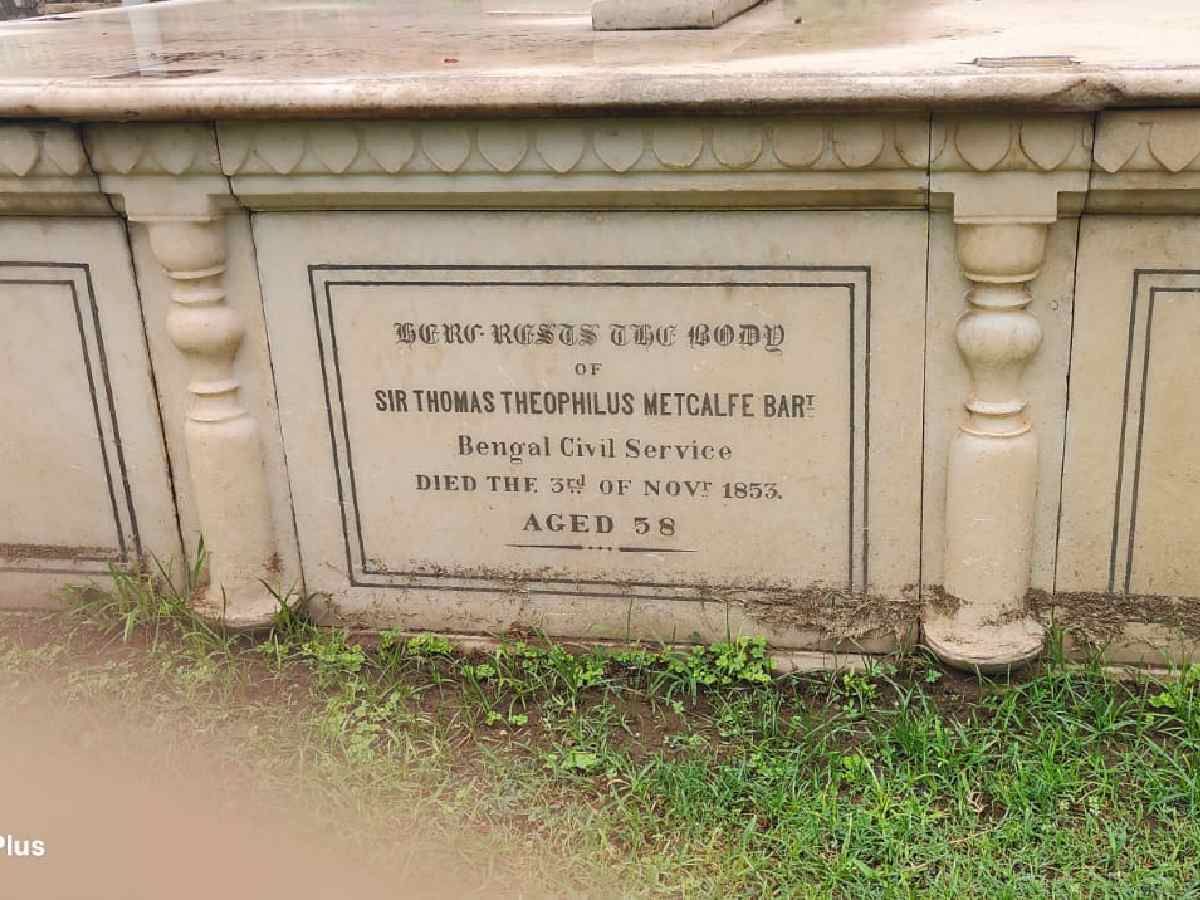
The fall of a White Mughal: Story of a murder and a lost grave in Delhi
William Fraser’s murder in 1853 revealed a web of personal rivalries and political intrigue and left behind an enduring mystery of his lost grave

Delhi’s decade of infamy: Murders that shook nation’s conscience
Priyadarshini Mattoo, Naina Sahni and Jessica Lal—three women, three murders, one city forever changed
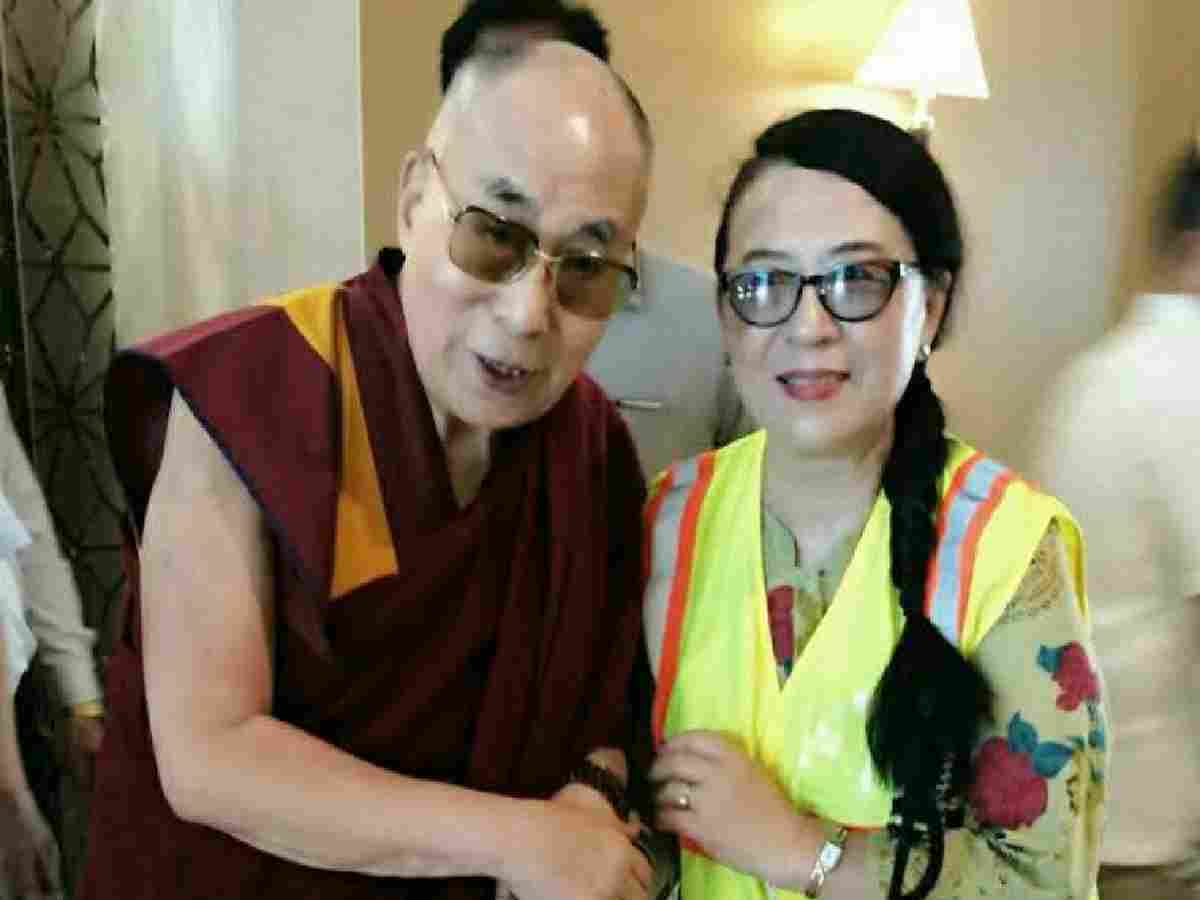
Tracing the Dalai Lama’s enduring imprint on Delhi
As the spiritual leader and head of Tibetan Buddhism turns 90, let's recall his early years in India and his influence on the national capital
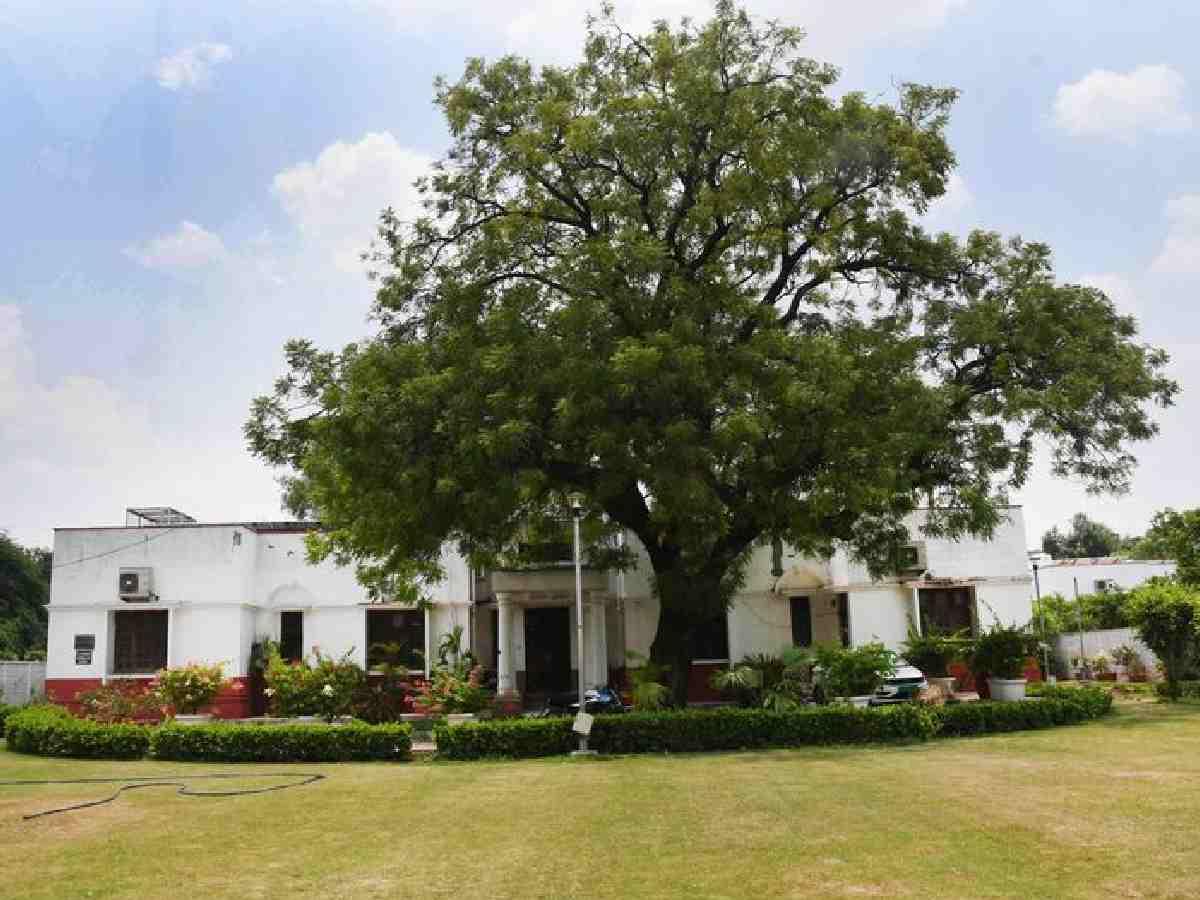
Sisson House and Haryana Canal Rest House wait to welcome their new neighbour-Delhi CM
The Delhi CM’s new official residence and office are located in the historically rich Sisson House estate on Raj Niwas Marg
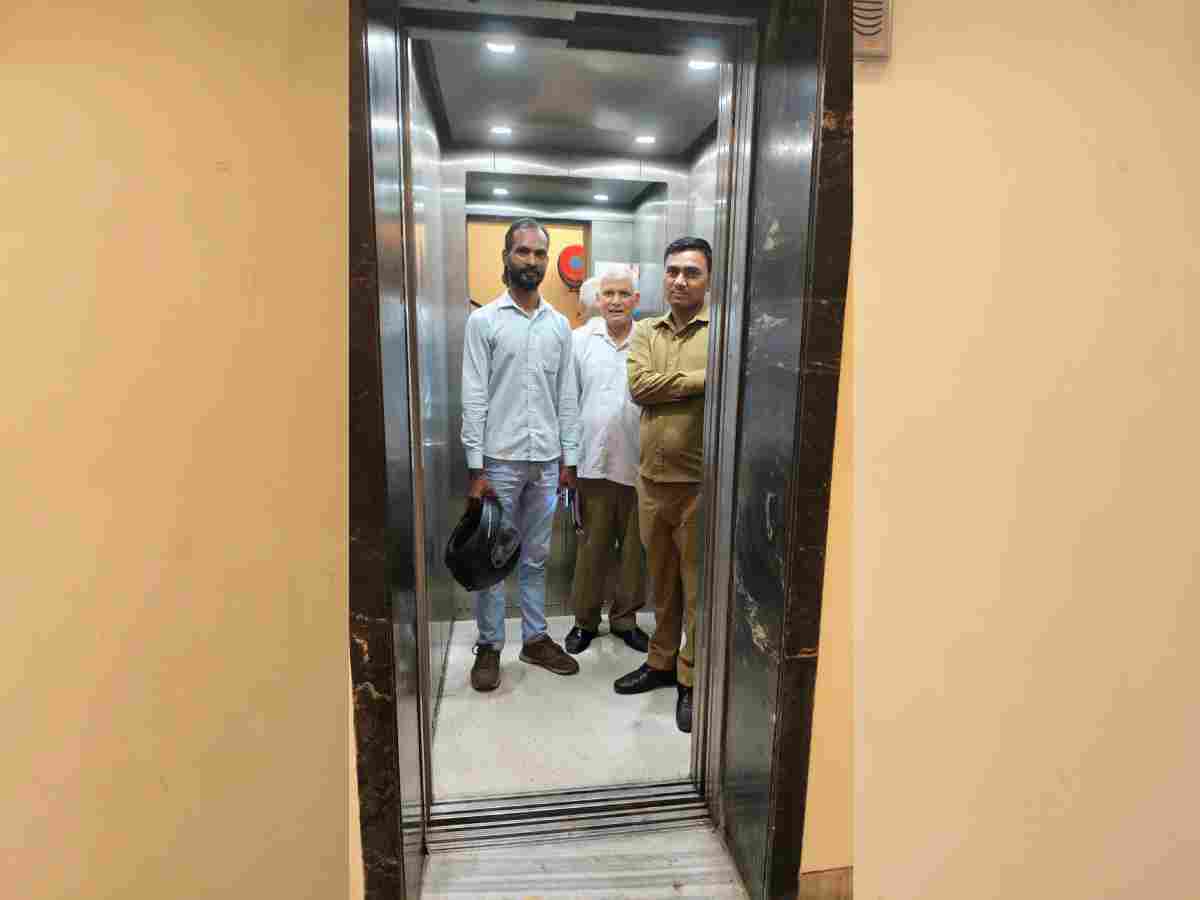
Up and down all day: The hidden world of lift operators in Delhi high-rises
The undimensional life of Delhi's lift operators is mostly dreary, but every once in a while, it's punctuated with interesting episodes
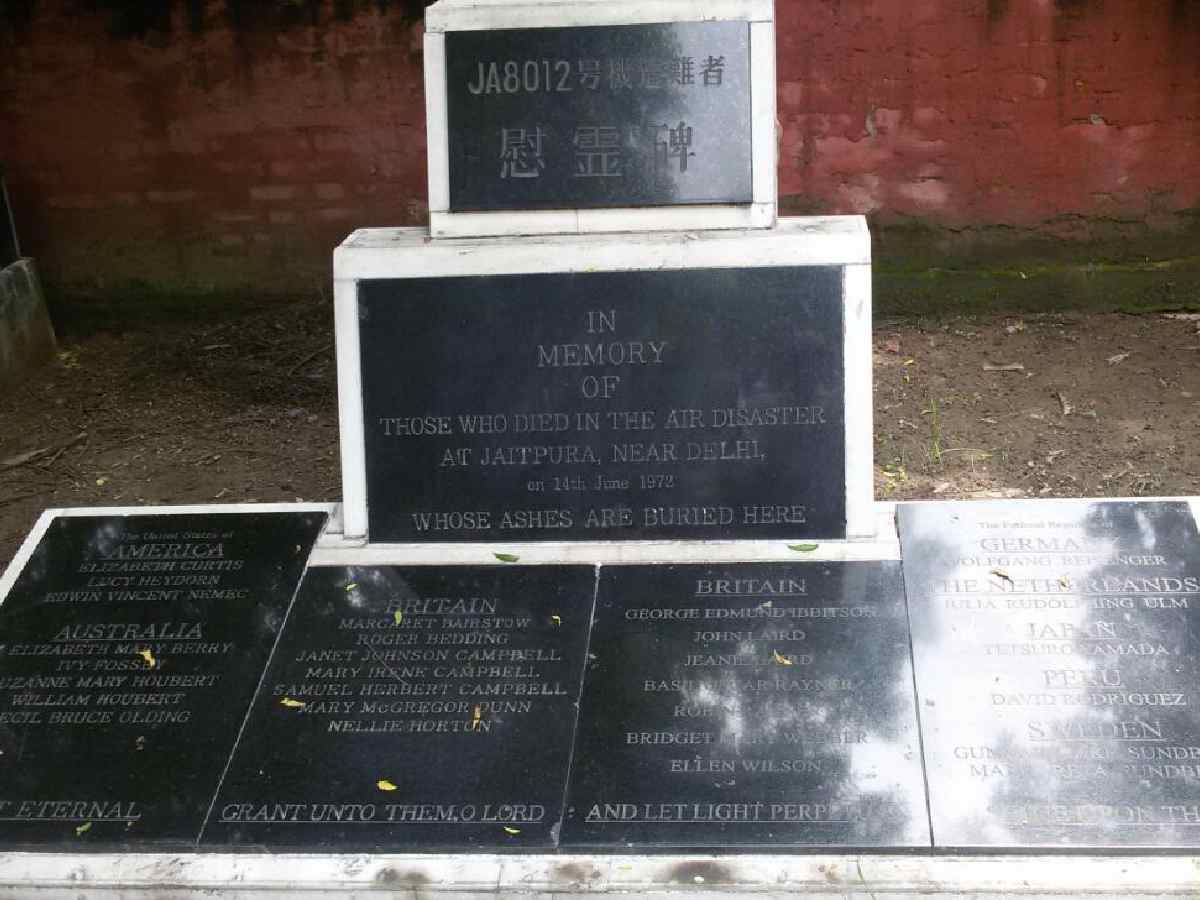
Total recall: The forgotten victims of the 1972 JAL crash in Delhi
At Delhi’s Royal Cemetery, a lonely black sandstone memorial reminds visitors of a plane crash that shook two continents and remains shrouded in mystery
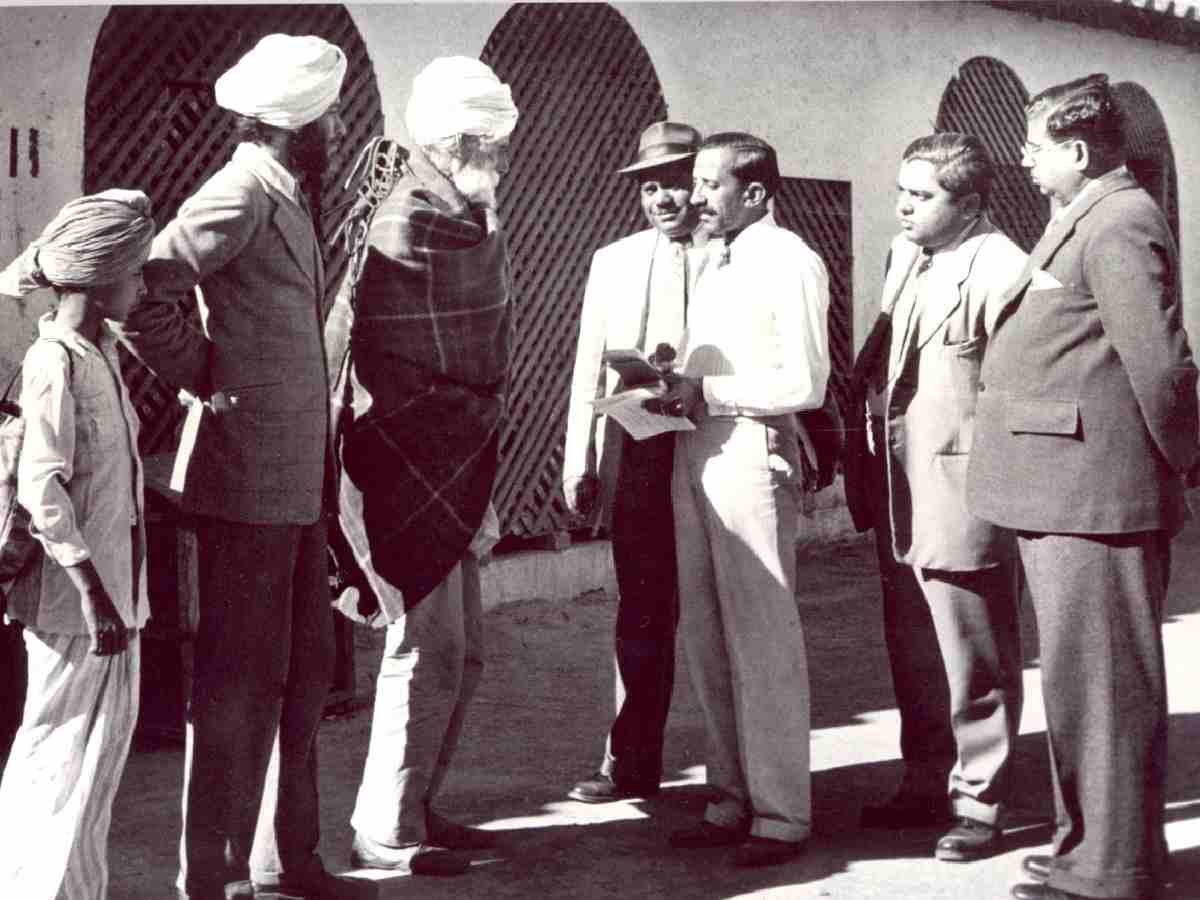
First Census in Delhi: A walk down memory lane
India's first post-Independence census revealed a city transformed by Partition and migration, with all the makings of a modern new capital