Delhi: Earlier this month, the Union Home Ministry revealed that between 2014 and 2025, drugs with an estimated value of Rs 1.71 lakh crore were seized across the country. In response, Union Home Minister Amit Shah instructed all relevant departments to devise a three-year roadmap aimed at completely eradicating the drug menace nationwide.
In Delhi, enforcement action has intensified markedly over the past year. The Delhi Police registered at least 1,800 cases under the Narcotic Drugs and Psychotropic Substances (NDPS) Act in 2025, leading to the arrest of about 2,400 drug traffickers.
Financial investigations resulted in the seizure of assets worth over Rs 21.5 crore, with another Rs 5 crore currently under final investigation. Detention orders under the Prevention of Illicit Traffic in Narcotic Drugs and Psychotropic Substances (PITNDPS) Act were issued against four traffickers, while other proposals are still being processed.
Rising cases, tougher enforcement
Official data show that 1,789 cases were registered and 2,290 people arrested in 2024. In comparison, Delhi recorded 1,325 cases and 1,736 arrests in 2023, 1,179 cases and 1,499 arrests in 2022, and 566 cases with 857 arrests in 2021.
Police officers said enforcement action became more stringent in 2025 in response to the expansion of drug-smuggling networks operating through the capital.
Delhi also accounts for a substantial share of drugs seized nationally. The Delhi Police recently destroyed 1,847 kg of illicit drugs, including cannabis, charas, heroin, cocaine, amphetamine, and Tramadol and Alprazolam tablets seized across various districts.
These narcotics carried an estimated international market value of Rs 35 crore. Over the past three years, the Delhi Police have destroyed drugs worth approximately Rs 13,796 crore on the international market.
The invisible scourge of injectable drugs
Even as overall seizures rise, a certain class of drugs continues to evade routine enforcement. Injectable drugs and opioids are gaining traction in parts of the national capital, signalling a more dangerous pattern of abuse.
Ahead of Republic Day, the Delhi Police launched ‘Operation Gang-Bust 2026’, seizing more than 117 kg of narcotics, including heroin, cocaine, ganja, and charas, along with psychotropic tablets and injections. The 48-hour operation, conducted from January 9 to 11, led to the arrest of 854 individuals.
Police said the operation was aimed at dismantling organised crime syndicates and neutralising security threats ahead of the January 26 celebrations. However, officers stressed that the seizures reflected a broader trend rather than an isolated spike.
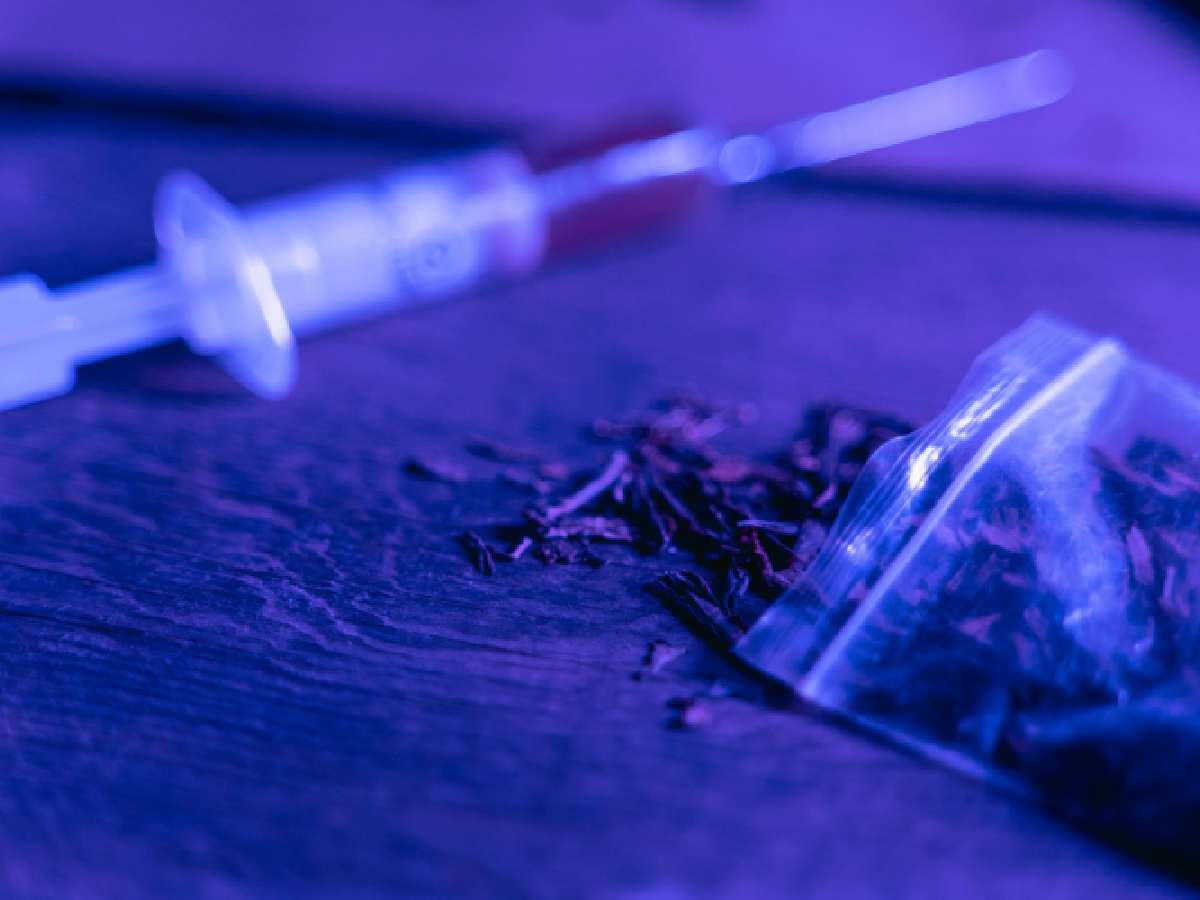
While smack has long plagued Delhi’s streets, syringes and banned pharmaceutical drug cocktails are now increasingly visible. During an earlier raid last year, police recovered six panni pipes, three injection vials, 12 tablets, and one syringe.
Such recoveries have become common in North East Delhi and Shahdara. In these areas, syringes are often found alongside opioid tablets such as Buprenorphine and injections of Pheniramine Maleate.
Buprenorphine is commonly used to treat opioid dependence and manage acute and chronic pain by reducing cravings and withdrawal symptoms without causing euphoria. Pheniramine is an antihistamine and decongestant.
When combined, the two form a psychotropic cocktail that is highly addictive and potentially fatal. According to a doctor who spoke on condition of anonymity, the combination can cause dizziness, confusion, and drowsiness.
“It may impair judgement and motor coordination, especially in older individuals. People should avoid alcohol or driving while on these medicines,” he said.
Deputy Commissioner of Police Ashish Mishra, North East, said smack remained the most commonly abused substance in his district. “Smack remains the common substance abused here, usually smoked using panni pipes. But recently, we are witnessing a rise in syringes and injection vials during our operations,” he said.
Shahdara and emerging hotspots
The situation in Shahdara appears particularly grave. On June 24, 2025, Shahdara police arrested Sunil alias Kale based on a tip-off while he was selling psychotropic substances in NSA Colony, Farsh Bazaar.
Officers seized 27 Pheniramine Maleate injections and 46 Buprenorphine Hydrochloride tablets. “This combination is commonly used intravenously by addicts,” said Deputy Commissioner of Police Prashant Gautam, Shahdara.
Later the same day, Jagatpuri police arrested 26-year-old Nadeem Ahmad near Silver Park in Shivpuri. Police recovered 18 tablets containing Buprenorphine and Naloxone, along with 18 Pheniramine Maleate injections.
Naloxone is typically used to reverse opioid overdoses, but is misused on the streets to intensify the high when combined with other substances. “This cocktail is dangerous and highly addictive,” Gautam said. “Drug addiction has become a blemish on society, spoiling the future of our youth.”
In 2024, the Anti Narcotics Task Force of Delhi Police identified 64 drug-trafficking hotspots across the city, including New Seelampur, Jwala Nagar, Nand Nagri, and Vivek Vihar. In many of these areas, injectable drug abuse is now overtaking traditional narcotics.
Police in the Outer district have also reported a rise in such substances. On January 11, 2026, five cases were registered under the NDPS Act, with five arrests.
During the operation, police seized 21.18 g of smack, 39 Buprenorphine tablets, and 12.2 kg of marijuana. Officers said the pattern mirrored trends seen elsewhere in the capital.
Also Read: Contraband mephedrone makes dangerous inroads into Delhi’s drug market
As surveillance and seizures increase, police say the battle against drug abuse is shifting from powder and pipes to needles and vials, with far deadlier consequences.
Gang crackdown and the road ahead
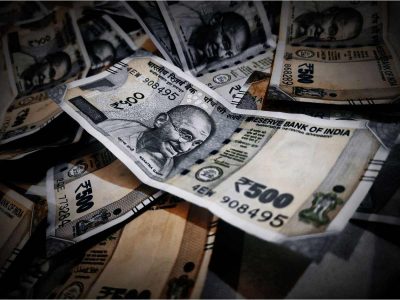
Beyond drug seizures, Operation Gang-Bust 2026 also led to the recovery of 122 firearms, 189 knives, 129 rounds of ammunition, and 28,364 quarters of illicit liquor. Police also recovered Rs 25.75 lakh in cash and several vehicles.
Members of gangs led by Kapil Sangwan alias Nandu, Jitendra Mann alias Gogi, and Kala Jathedi were apprehended. The operation followed earlier action between September and December 2025, during which 183 gangsters were arrested and assets worth over Rs 1.01 crore seized.
Earlier, addressing the ninth apex-level meeting of the Narco-Coordination Centre at Vigyan Bhawan in New Delhi, Shah said every department of the Government of India must draft a strategic roadmap up to 2029, with a time-bound review mechanism.
He announced that a three-year collective campaign would be launched on March 31 to define operational methods, set specific targets, and ensure fixed timelines for review. Shah said the challenge was more closely linked to “narco-terrorism” than to routine law-and-order issues.