New Delhi’s Travancore Palace will turn into a living archive of the capital’s many selves on February 14 and 15, when Kahaani: Dilli Ki opens its doors to audiences. Conceived as a celebration of Delhi’s lived heritage, the inaugural edition of the festival brings together music, gastronomy, craft, history and storytelling to reflect the city’s plural, ever-evolving identity.
Curated and conceptualised by Sara Abdullah and Aishwarya Jha of Indophile, and supported by the Ministry of Culture, the festival is rooted in the idea that Delhi is not a singular city but a constellation of histories—mythical and modern, imperial and everyday. “Delhi is not one city frozen in time; it is many cities layered over each other,” said Sara Abdullah. “We wanted the festival to reflect that complexity rather than reduce it to nostalgia.”
Across two immersive days, visitors are invited to walk through the capital’s eras, encounter its artistic traditions and engage with the stories that have shaped its cultural memory. According to Aishwarya Jha, the intention was to create a space where audiences could experience Delhi through multiple senses. “Kahaani: Dilli Ki is about slowing down and paying attention—to what we eat, what we listen to, and the histories that quietly surround us,” she said.
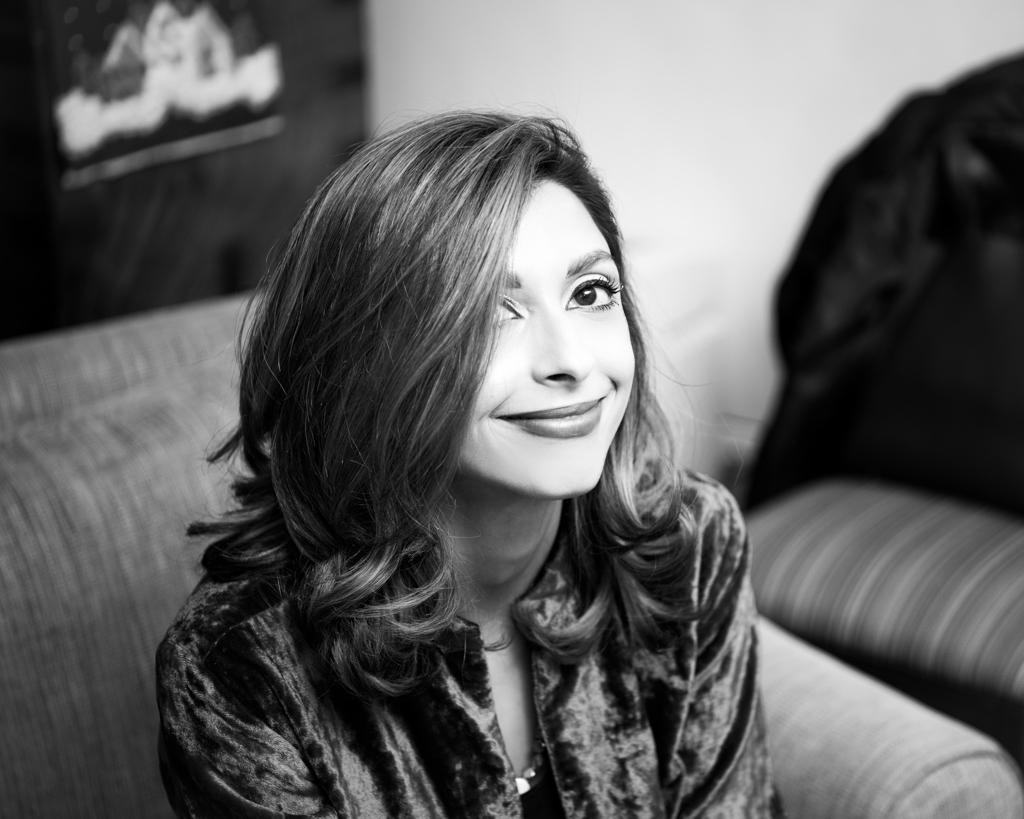
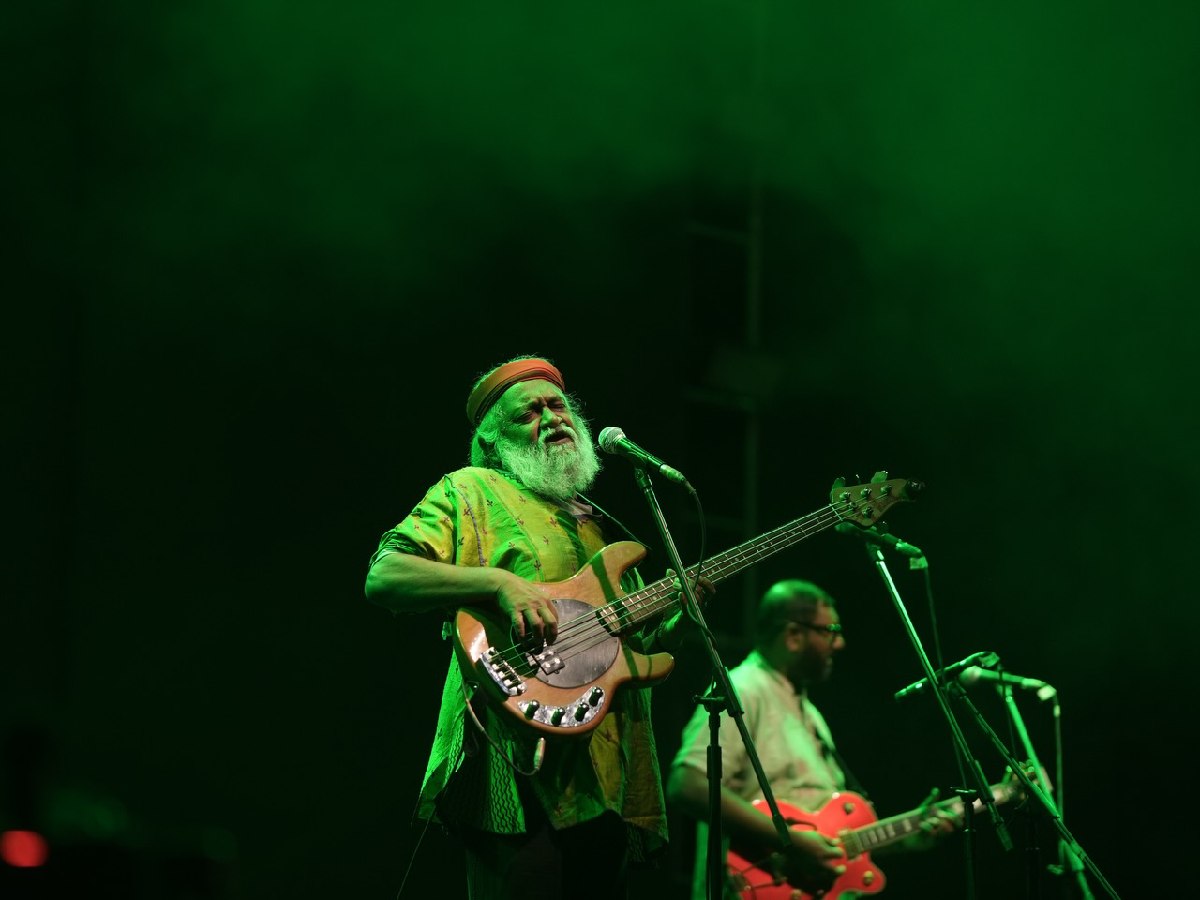
Music lies at the heart of the festival, with performances drawing from Delhi’s deep-rooted artistic traditions. The line-up includes Dilli gharana–inspired acts, poetry and theatre, with headlining performances by Deveshi Sahgal on February 14, followed by Sonam Kalra and Indian Ocean on February 15. Kathak exponent Gauri Diwakar, dastangoi artist Ashhar Haque and street theatre performers add to a programme that reflects the city’s layered performance culture. “Each performance was chosen for its relationship with Delhi’s cultural life, not just its popularity,” Pilot noted.
A celebration of Delhi’s culinary legacy
One of the festival’s major highlights is its expansive food showcase, which traces Delhi’s gastronomic evolution through Mughal, Kayastha and Baniya culinary traditions. Curated by food historian Anoothi Vishal and produced by EVH International, the culinary experience brings together heritage recipes, community voices and iconic street food flavours.
Six home cooks from different communities will present dishes rooted in memory and tradition, offering a glimpse into the changing face of Delhi’s kitchens. “Food is one of the most honest ways of understanding a city,” said Jha. “It carries migration, memory, class and culture in ways that archives often cannot.”
Adding a sensory layer to this journey is an immersive installation centred on Khari Baoli, Old Delhi’s historic spice market. Presented by Edible Archives, the installation features whole spices handpicked from the market by Chef Anumitra Ghosh Dastidar. Visitors can explore traditional spice blends, create their own mixes and sample dishes that foreground the role of spices in Delhi’s diverse cuisines. “Khari Baoli represents the everyday continuity of the city,” Sara said. “It is chaotic, fragrant and deeply alive—much like Delhi itself.”
Conversations, archives and craft
The festival also hosts a series of conversations with historians, writers, architects and cultural practitioners, including William Dalrymple, Swapna Liddle, Madhulika Liddle, Ratish Nanda and Shalini Passi. These sessions explore Delhi’s architecture, literature, heritage conservation and cultural life. “We wanted conversations that ask difficult questions about preservation, loss and change,” Jha said, “not just celebratory talks.”
Complementing these discussions is a photography exhibition by Mahatta Photo Studio, showcasing rare archival images of Delhi, alongside a vintage photo booth offering retro-style portraits. Rathin Mitra’s centenary exhibition Ink & Empire traces the Rajdhani journey between Calcutta and Delhi, connecting two former capitals through visual history.
The Crafts Bazaar brings together artisans from across Delhi and India, including kalai workers from Old Delhi, embroidery artists and terracotta practitioners. Through live demonstrations and interactions, the bazaar reflects Delhi’s role as a meeting point of communities, skills and traditions. “Craft is often the first casualty of urban change,” said Pilot. “This is our way of placing it back in the centre of the conversation.”
More than a festival, Kahaani: Dilli Ki positions itself as a tribute to Delhi’s living heritage—its resilience, contradictions and creativity. “It was born out of a love for Delhi and a desire to reawaken the kaleidoscope of stories hidden beneath its surface,” Jha said. “We hope people leave not with answers, but with curiosity.