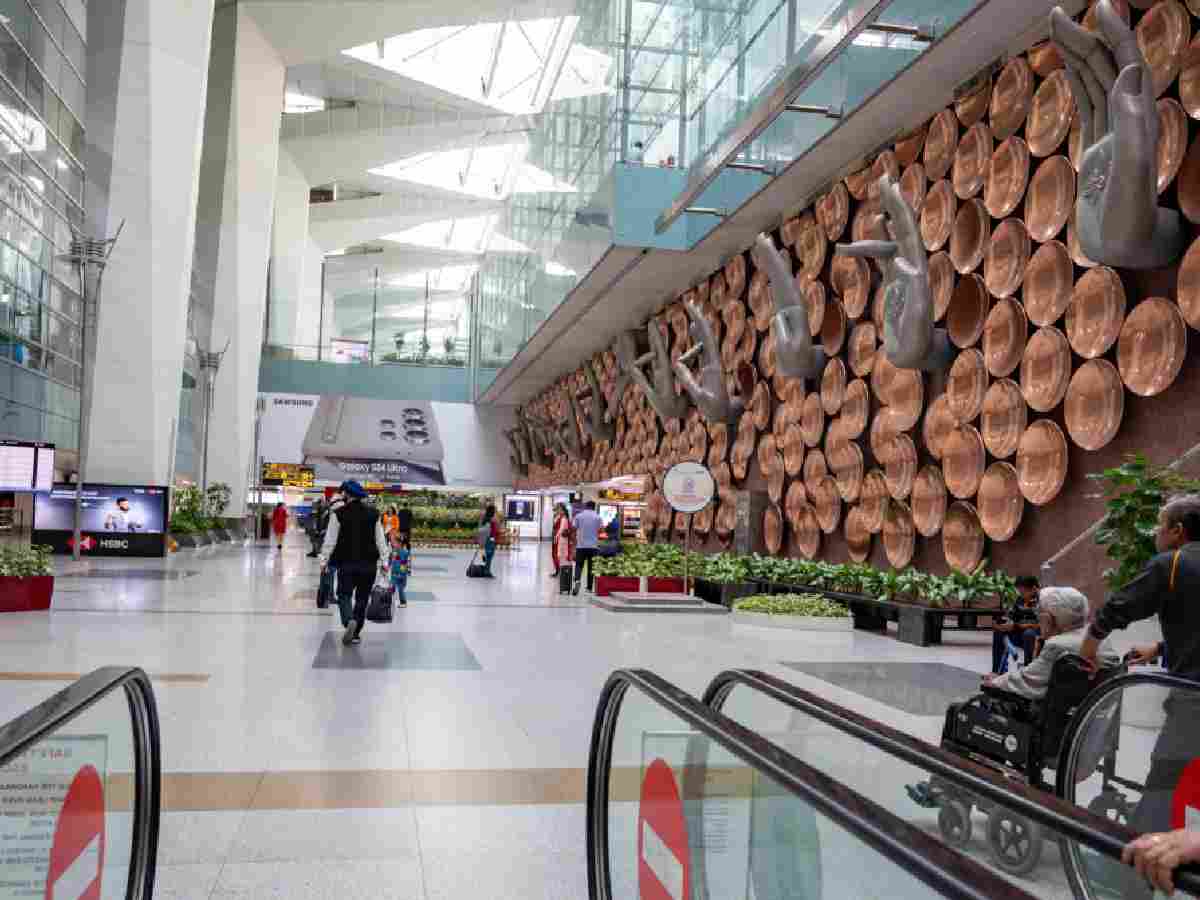
Delhi airport’s upgraded Terminal 2 will be operational from October 26, which will take the overall annual passenger handling capacity to 100 million.
The Indira Gandhi International Airport (IGIA) in the national capital, also the country’s busiest airport, has three terminals — T1, T2 and T3.
T2, which was built 40 years ago by the Airports Authority of India (AAI), was shut down for upgradation in April this year.
The upgraded Terminal 2 at the IGI airport is set to become operational from October 26, coinciding with the beginning of the winter schedule, airport operator DIAL said in a release on Monday.
“From the intervening night of October 25-26, 2025, approximately 120 daily domestic flights operated by Air India and Indigo are set to shift operations to the upgraded Terminal 2,” the release said.
Currently, T1 and T3 are operational.
IGIA, operated by the Delhi International Airport Ltd (DIAL), has four runways and handles around 1,400 flight movements daily.
Read more
Celebrating 60 years of Nehru Park: a modern Indian masterpiece
After an extended rainy season that had kept regulars away, Nehru Park in Delhi is once again bustling with activity. With the skies clear, walkers, joggers, and yoga enthusiasts have returned to this iconic park, established in 1965. In one quiet corner, a reader sits under the shade of a tree, immersed in a novel, adding to the park’s serene charm.
Spanning 75 acres, Nehru Park was developed at a cost of Rs 20 lakh in 1965. Prime Minister Lal Bahadur Shastri laid its foundation on February 25, 1965, and it opened to the public that September. As the park celebrates its 60th anniversary in 2025, it remains a testament to India’s post-independence vision for public green spaces.
Unrest in Kathmandu leaves Nepali diaspora in Delhi fearful and uncertain
Within the cramped lanes of Vasant Vihar, many Nepali nationals in Delhi have built their lives over the years. Yet, even as they find belonging in the city, distance from families across the border weighs heavily, especially as violent protests sweep Nepal.
On September 10, the Nepal Army imposed nationwide restrictions and a curfew following deadly anti-government demonstrations in Kathmandu. The protests forced the resignation of Prime Minister KP Sharma Oli, leaving several buildings ablaze and the nation on edge.