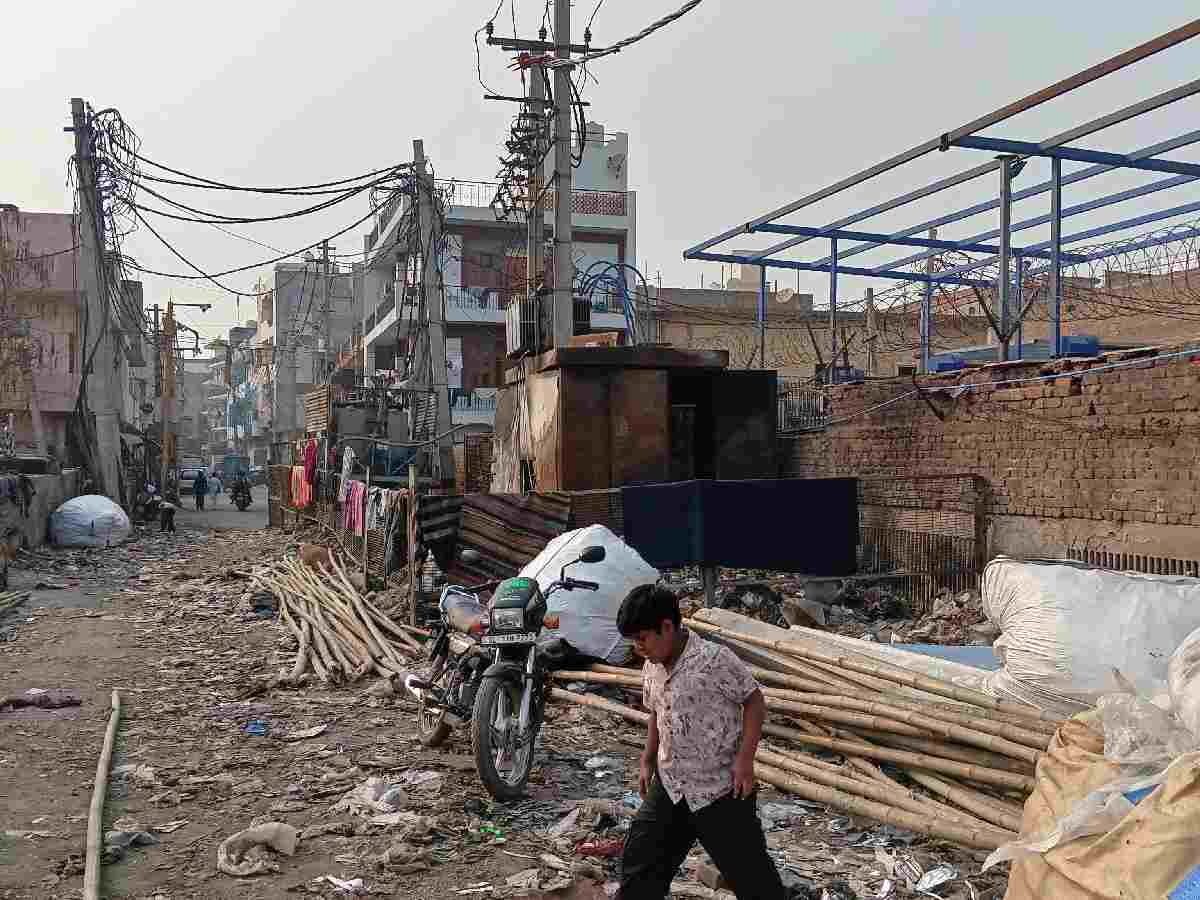
Across Delhi, several slum clusters have faced repeated fires linked to non-compliance with basic safety guidelines. Such guidelines are rarely followed, leaving residents exposed to frequent fires and the constant fear of losing their homes and belongings.
These incidents have persisted throughout the year. Across Delhi’s borders, many jhuggi-jhopdi (JJ) clusters have recorded multiple fires, often with little time for residents to recover before another blaze occurs.
Most affected areas
According to the Delhi Fire Services (DFS), clusters under several fire stations have reported repeated incidents, with some areas witnessing more than one major fire this year. Bengali Colony under the Rohini Sector 5 station, Sanjay Colony under the Okhla station, and tenements around the Ghazipur Dairy Farm under the Mandavali Mayur Vihar station have been among the worst affected.
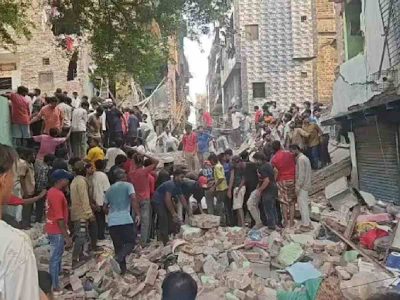
Bengali Colony, though the smallest, suffered the most extensive damage and the highest loss of life. The makeshift houses there now lie reduced to charred bamboo, plastic sheets and twisted metal mixed with soot-covered soil.
Three decades old settlement
Built from plastic sheets, bamboo and poles, the settlement has existed for more than three decades without basic amenities such as toilets or drinking water. Even light rain turns the area too muddy for movement. With only one main entry path, the fire that broke out on November 7 at around 10.30 pm spread rapidly.
Residents lost their documents, savings and possessions within minutes. Fires had previously struck the settlement on April 5, 2011, and December 4-5, 2016 — meaning homes here have burnt down three times in 14 years. This time, the blaze began along the only exit, forcing people to escape by climbing over or breaking down boundary walls. Both life and property were lost.
Two people died—one at the spot and another during surgery. For the settlement’s 2,500 residents, survival has become even more precarious.
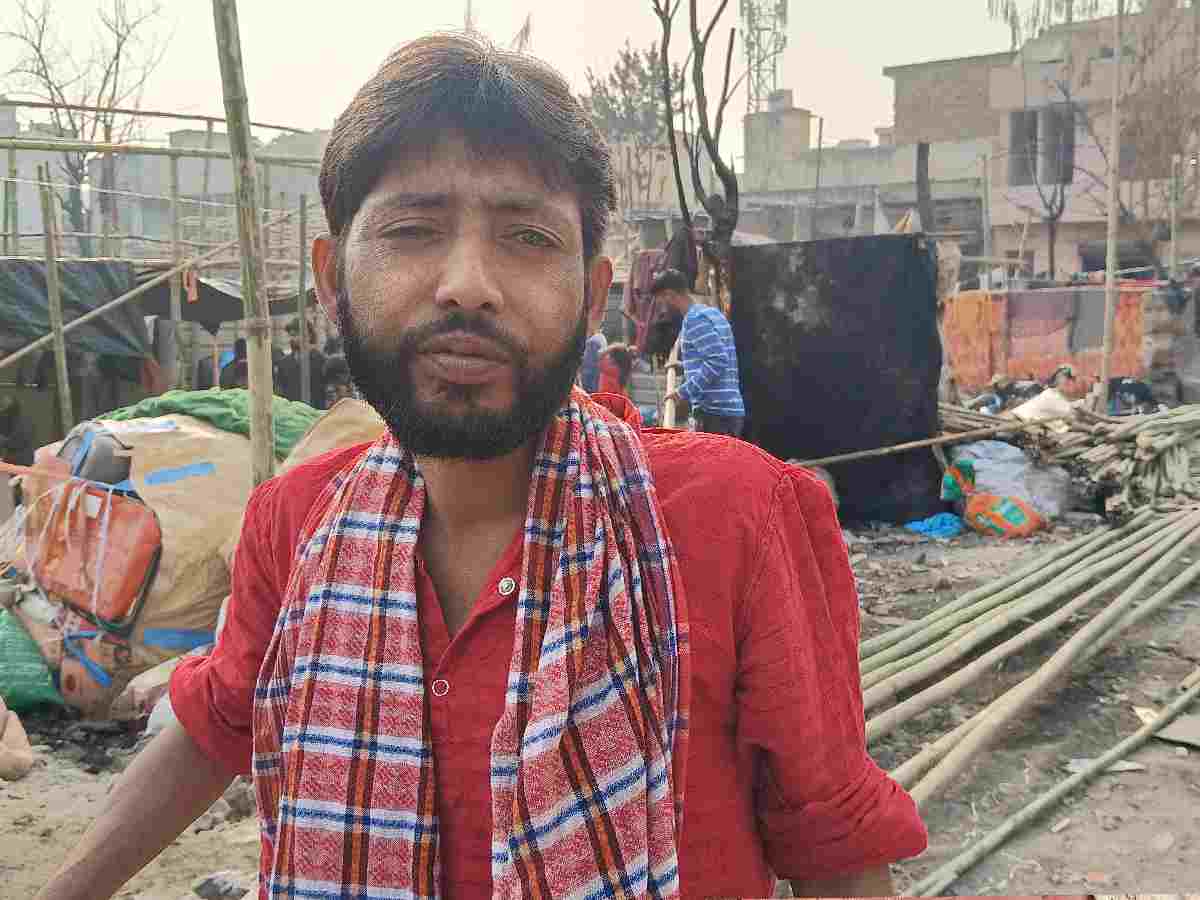
“We have no proof of our existence anymore. All our documents and whatever little money we had are gone,” said Sheru Ali, whose house was among the first to catch fire. “There was no time to save anything.”
Although the land belongs to the government, residents said villagers from Rithala collected rent from them until 2016. After the 2011 fire, villagers allegedly blocked media access, and no compensation was given. After the 2016 fire, the government paid Rs 25,000 per shanty, and residents stopped paying rent.
Most residents are migrants from the Birbhum, Murshidabad, Bardhaman, and Malda districts of West Bengal, and they work as ragpickers. “Someone claimed this was his land and told us to leave. We asked for papers in 2016 after the fire, but we have still not seen them,” said Badshah, a resident.
Several residents alleged the fire did not start naturally. Eyewitnesses said a liquid was thrown from across the fence shortly before the blaze. “One of the villagers had threatened us. I saw a cloth-wrapped object thrown inside, and soon the whole area caught fire. Cylinders kept bursting. Munna was trapped, and no one could reach him,” said Rina, his sister.
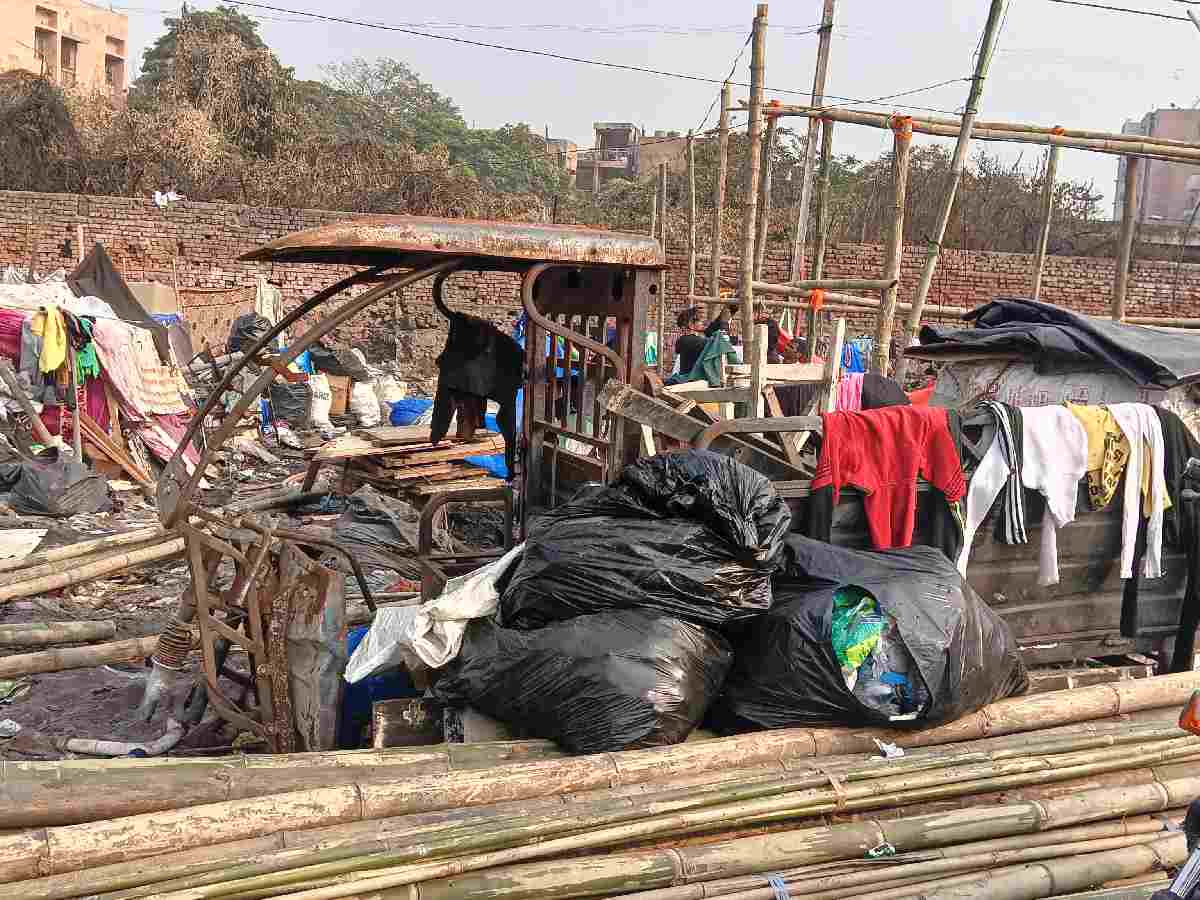
Munna, who collected waste from Pitampura, leaves behind a daughter living in their native village. A land ownership case between villagers and slum residents is currently ongoing. Another fire was reported in April, but it was comparatively minor.
Presently, a case is being fought regarding the ownership of the land between the villagers and slum dwellers.
Proximity to industrial units
Sanjay Colony has also seen multiple fires this year. Five incidents have been reported, owing partly to its proximity to industrial units. Two electric poles caught fire, and there were two rubbish fires. The most serious incident was a blaze at an electrical wire manufacturing unit.
“The fire started on the second floor where the wires were stored. Industrial fires are common here. One of our operators was injured,” a DFS official said.
Congested slum structures
Atul Garg, director of the Fire Safety Management Academy, told Patriot that many calls originate from west Delhi, where major industrial clusters are located.
authorities
“Rohini and Wazirpur have historically seen the highest number of fire incidents and emergency calls,” he said. “But the congested structure of slum clusters also contributes to the spread of fires.”
Cramped lanes, unavoidable hazard
Ghazipur’s slum clusters face similar challenges. Residents said cramped lanes make it difficult for fire engines to reach the spot. “In summer, the landfill also catches fire frequently. It becomes a serious health hazard, and we can’t avoid it,” said Shilpa Kumari, a resident of Ghazipur Dairy Farms.
Many such areas continue to receive little attention from authorities or the wider public, leaving residents to rebuild their lives with limited support.