
As the festive season approaches, social media feeds and living rooms fill up with pictures of pets dressed in elaborate costumes — miniature superhero capes, velvet tuxedos and glitter-strewn headbands — all promising the perfect holiday photo. To humans, draping a four-legged companion in seasonal outfits looks like an affectionate act of inclusion. Yet behind the viral portraits and celebratory enthusiasm lies a different reality. For most canines, being forced into costumes and sequins is an uncomfortable and disorienting ordeal.
Veterinarians and experienced pet owners are urging people to reconsider this seasonal trend. It is common for human celebrations to rely on visual pageantry, but dogs and cats navigate the world through senses much different from ours. When tight, synthetic fabrics and chemical dyes disrupt this, festivity can quickly turn into distress for our pets.
Fabrics and harmful dyes
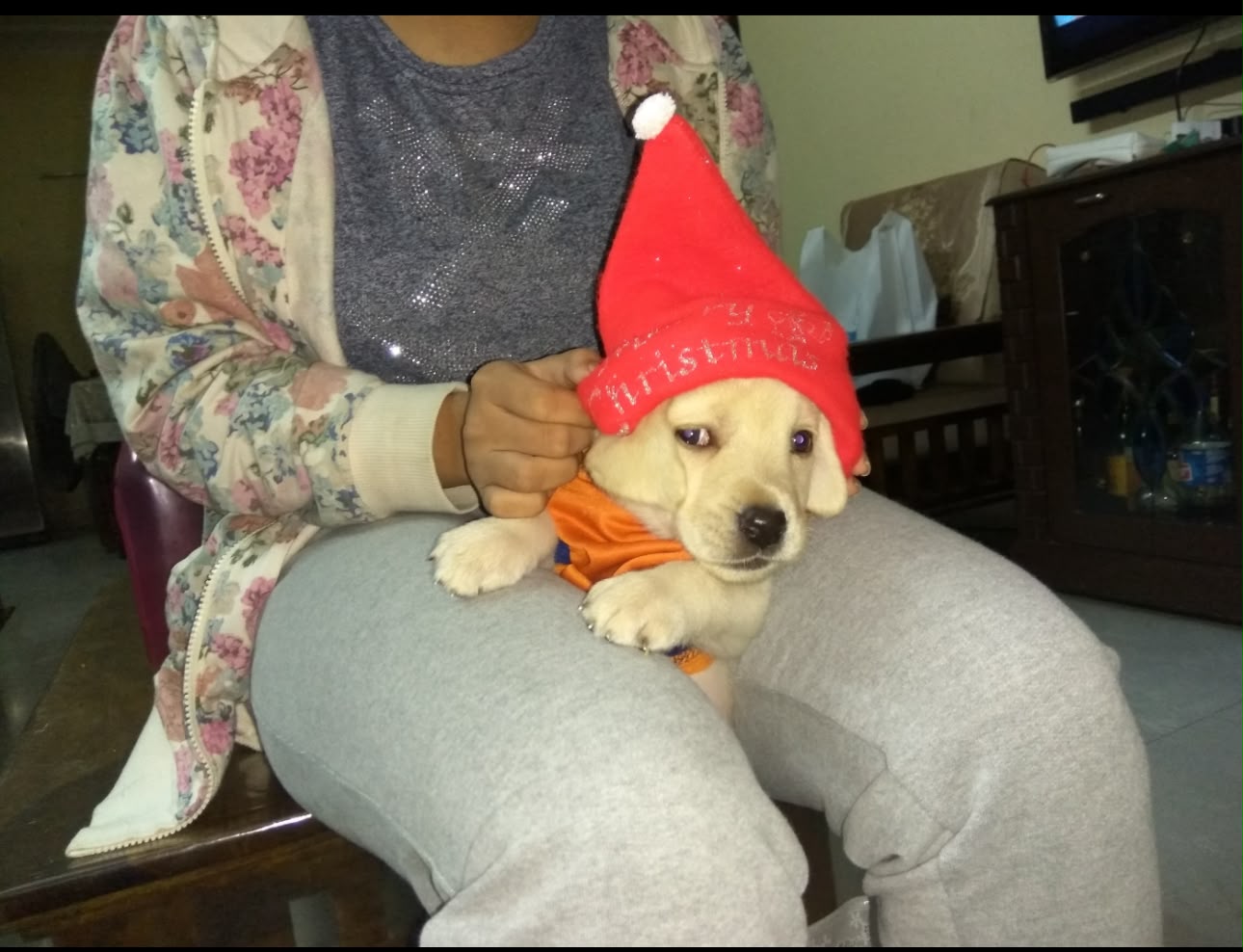
Biologically, dogs are quadrupeds whose balance, gait and body temperature regulation rely on unrestricted movement. Dr Rahul, a Noida-based veterinarian, observes that low-grade commercial garments carry severe dermatological consequences. Mass-produced costumes frequently use cheap dyes that risk bleeding directly onto an animal’s coat. This transfer not only stains and damages their fur but also creates a fertile environment for acute contact dermatitis and fungal infections. Moreover, many costumes marketed online for animals are treated with chemical colourants and additives. “A canine’s tendency is to groom and soothe irritated patches by licking, and in the process, they may ingest these chemicals directly, leading to gastric inflammation,” he said.
Also Read: ‘Khoya-Paya’: how Delhi festivals handle missing children
Dr Rahul added, “The biggest issue is that poor-quality clothing often bleeds colour. That ruins their coat, creates a risk of skin infections, and the dye settles onto their skin. If clothing is used at all, it should be very lightweight, soft cotton fabric. Companies do make these outfits, but ideally, it is best not to dress them up at all. People mostly do it just to show their pets off.”
These skin reactions are far from theoretical. Kamakshi, a pet owner from Vivek Vihar, recalls dressing her dog for major celebrations only to find the outfit triggering immediate suffering. She noted visible discomfort on the pet’s skin followed by rapid itching and rashes caused by the costume’s fabric, a revelation that led her to abandon dressing him entirely on veterinary advice.
“I have tried dressing my pet around festivals like Diwali, but I have seen visible discomfort on his skin because of the material of the dress. So, I’ve stopped dressing him up right now. I do prefer keeping him away from costumes. A lot of vets suggest that pets should not be dressed in elaborate clothes. I have noticed a lot of rashes and itching along those lines, so I’ve stopped doing that now,” Kamakshi told Patriot.
Difference in coats
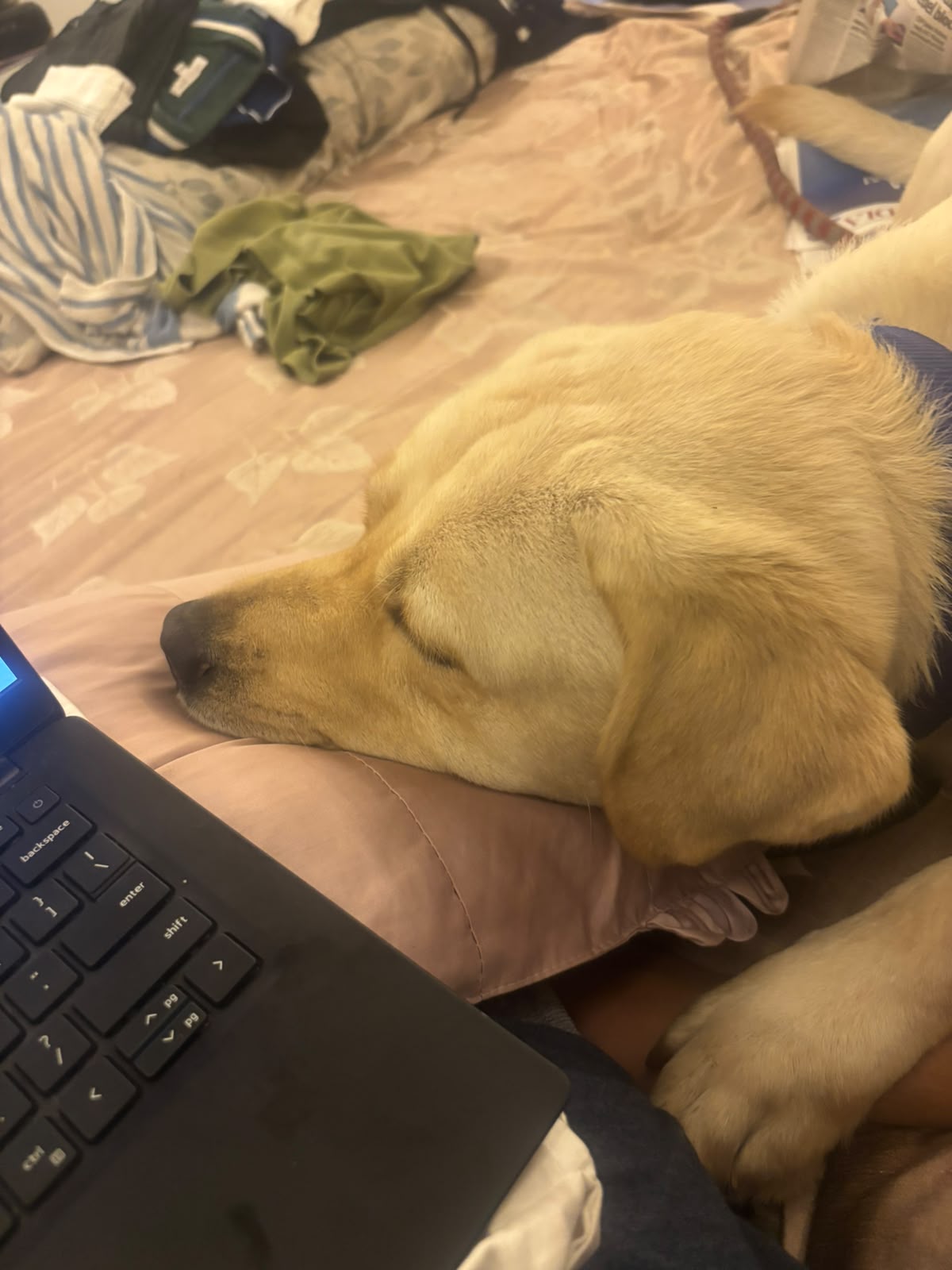
Coat types further dictate the severity of this friction. Advika, a dog owner from Gurugram, points out that short-coated breeds such as Labradors lack the protective undercoat of long-haired breeds, which means tight polyester clothes rub directly against delicate skin near the chest and armpits, causing rapid chafing.
“I have noticed that my dog can have rashes near her arms when the fabric is tight or a little itchy. If it’s a little too tight, she doesn’t move a lot. For my pug, because he’s so small, a lot of the clothing does not properly fit him, so if it’s something elaborate, he always trips on it or doesn’t have any control over his movements, so he doesn’t feel very comfortable in it.”
Also Read: Between barricades: how non-protesters were caught up in Delhi crackdown
On the other hand, heavily furred and double-coated dogs encounter acute thermal danger. Dr Rahul said small breeds with naturally thick coats already carry more biological insulation. Layering an artificial coat or bulky costume over their natural fur may lead to excessive warmth. In warm weather indoors, this trapped heat can trigger rapid overheating and dehydration.
Psychological impacts
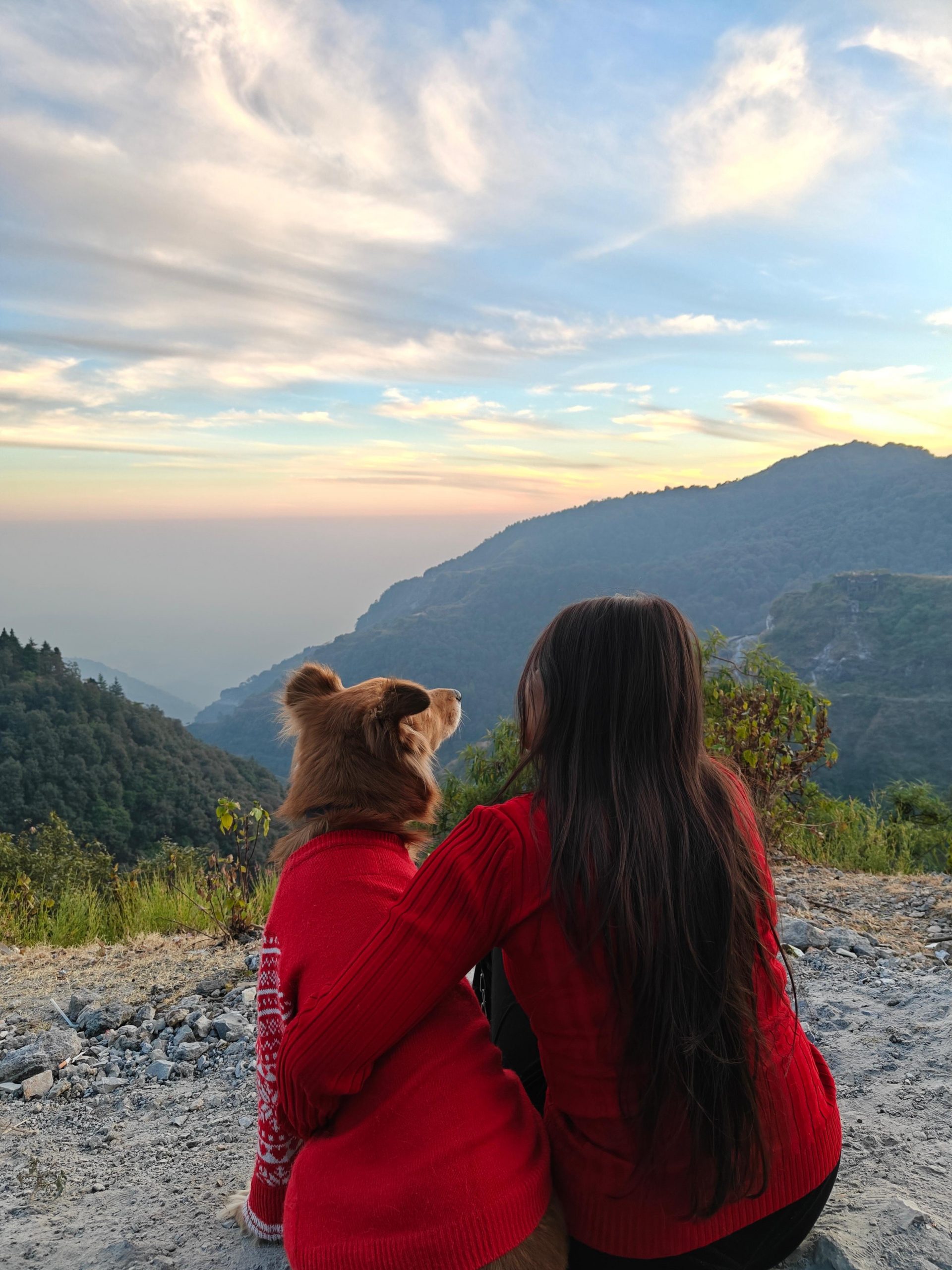
Beyond the physical discomfort lies psychological disorientation. Canines’ communication depends on shifts in body language: the angle of their ears, the tension along their spine and the movement of their tail. Headpieces clamp down on sensitive ear canals and facial whiskers, dulling an animal’s awareness and generating constant pressure along their faces. Many dogs risk behavioural issues when clothed in uncomfortable fabrics. They stand completely rigid and often refuse to walk or sit.
A pet owner from Faridabad said her dog, Buddy, exhibits immediate distress when forced into any clothing, even soft T-shirts or simple sweaters. “Buddy gets very uncomfortable anytime we put something on him. Even in soft T-shirts, he gets extremely uncomfortable, to the point where he spends two to three hours just nibbling on it, wanting us to take it off. It reaches the point where we simply take it off, because he gets uncomfortable and we don’t.”
Also Read: Between barricades: how non-protesters were caught up in Delhi crackdown
This agitation is frequently worsened by too many people surrounding the dog or displaying excitement. Advika observes that when pets are dressed up, owners and guests often react with loud, high-pitched squeals, crowding around the animal to take photos. “It might just be a little confusing for them to be in a get-up. When people look at them, they are very awestruck, and that reaction can also make them confused about what’s happening, so they end up being more agitated, panicked or start jumping around because they’re not sure what’s going on. I don’t want to give them the stress of watching other people react to it. I don’t want them to go through that extra level of panic, anxiety or excitement unnecessarily, so I don’t do it very often.”
Other risks
Physical trauma can also stem from the decorative hardware stitched into modern pet wear. Buttons, zippers, sequins, ribbons and flowing capes turn garments into traps. When an irritated or playful animal attempts to chew off an uncomfortable outfit, plastic buttons, metallic zipper pulls and ribbons are easily swallowed. Once inside, these indigestible pieces can puncture organs or choke the pet, which could be life-threatening.
“When it comes to elaborate clothing with tassels, glitter or if it’s a very flowy costume, there’s more danger of them tripping or injuring themselves. I don’t want them to chew on something that they shouldn’t. I also don’t want them to eat something they shouldn’t or chew on fabric that can hurt them,” said Advika.
Vital precautions
For pet parents who still desire a festive photograph with their pets, vets and dog owners share a list of precautions that should be strictly followed.
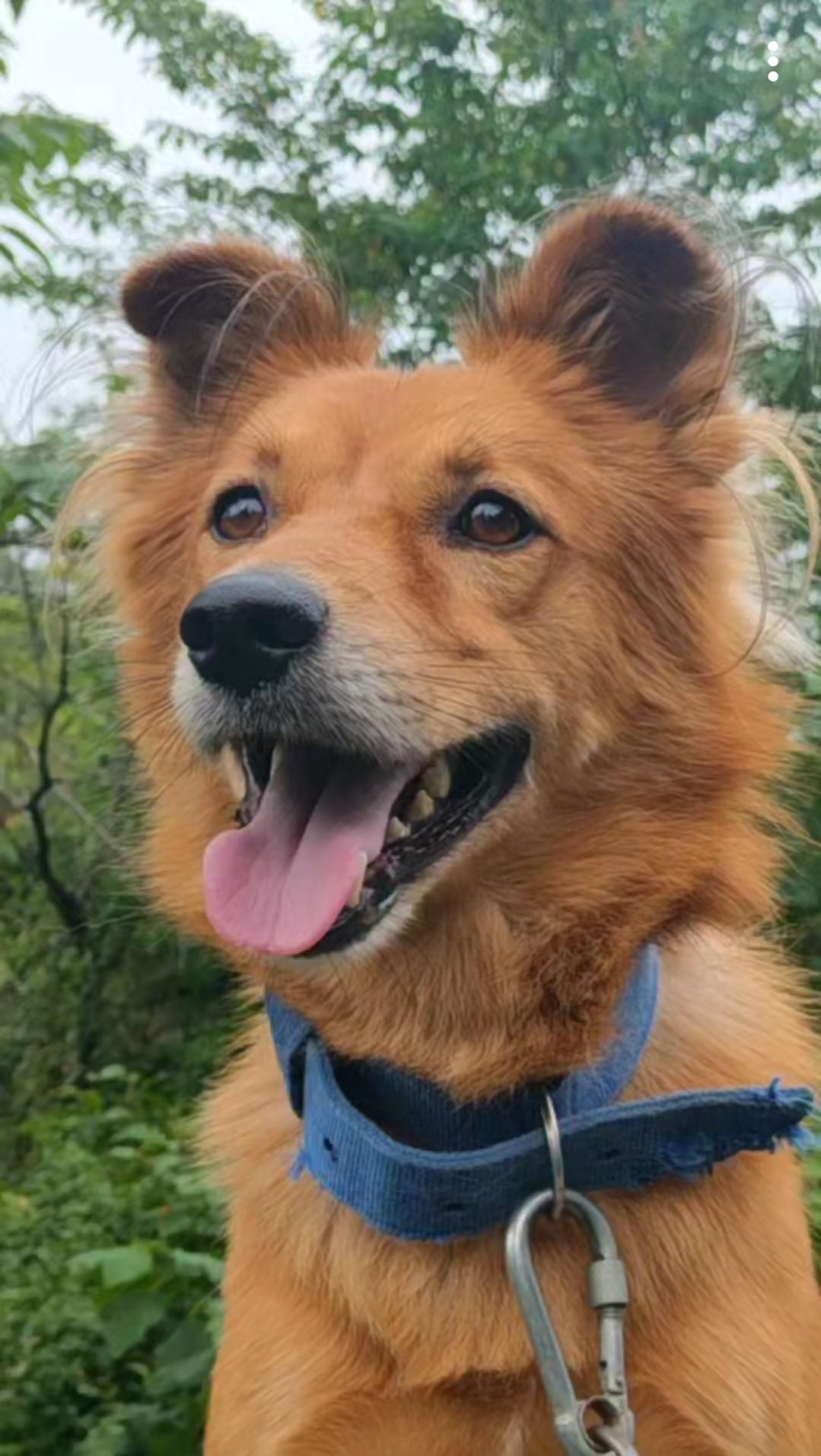
Dr Rahul lists a few simple things to keep in mind while buying outfits. “Avoid items with buttons, zippers or chains. Jackets, for instance, often have buttons and zippers. Avoid those and opt for simple clothing secured with tie-strings/threads instead. Also, ensure the fabric colour does not bleed, because the animal will lick it and commercial fabrics contain dye additives that can harm their health.”
“One thing that could be done, since they are taught from childhood to be on a leash and wear collars, is to put a festive collar on them if you want to show it off. That is not outside their nature and does not restrict them,” says the veterinarian.
When complications do occur, immediate intervention is essential. “If a dog swallows something or develops rashes, take the garment off right away. After that, consult a nearby veterinarian or provide medicine if the stomach is upset. Typically, ingesting fabric causes vomiting and gastrointestinal upset. You can give pantoprazole for stomach relief and keep emergency medication on hand for safety,” says Dr Rahul.
Festive traditions are built on warmth, connection, and joy. But true companionship requires understanding the difference between human amusement and an animal’s basic comfort. Honouring them during the holidays does not require transforming them into characters; it simply requires letting them exist comfortably in their own skin.