Two months after a fire at Flourish Stay Bed and Breakfast in Hauz Rani killed 22 people and injured 25, unregistered and over-capacity establishments continue to operate in parts of Delhi, even as the Delhi Government moves to replace the existing regulatory framework with a more flexible policy.
Outside Max Hospital in Saket, pharmacies remain crowded with residents and medical tourists, with some advertising discounts of up to 50% on chemotherapy medicines. A few lanes away, however, the bustle gives way to the shuttered fronts of former bed-and-breakfast establishments.
Among them are the charred remains of Flourish Stay and an adjoining cafe. Blackened walls, ash and a partially legible signboard are all that remain after the June 3 blaze.
A Delhi court granted bail on July 27 to Keshar Negi, who had been arrested after investigators alleged that his negligence contributed to the fire. Additional Sessions Judge Samar Vishal observed that the chargesheet did not establish a direct connection between Negi and the tragedy.
Several others associated with the establishment were detained and questioned during the investigation. Hotel owner Lavkesh Bajaj was also arrested and booked for offences including culpable homicide not amounting to murder.
Officials said the building did not have a fire no-objection certificate (NOC), although such certificates are not mandatory for every bed-and-breakfast establishment under the existing framework.
Registration does not ensure compliance
According to Tourism Department data from June 2025, Delhi had 689 registered bed-and-breakfast establishments. South East Delhi recorded the highest number, with 230, followed by South West Delhi, including Dwarka, with 199, and South Delhi with 133.
A review of registration records found that the licences of 252 properties had expired before August 10, 2026. Across 2026, 197 registrations were due to expire, while 383 establishments had certificates valid until 2027 or 2028.
Registration, however, did not always translate into compliance, Patriot found.
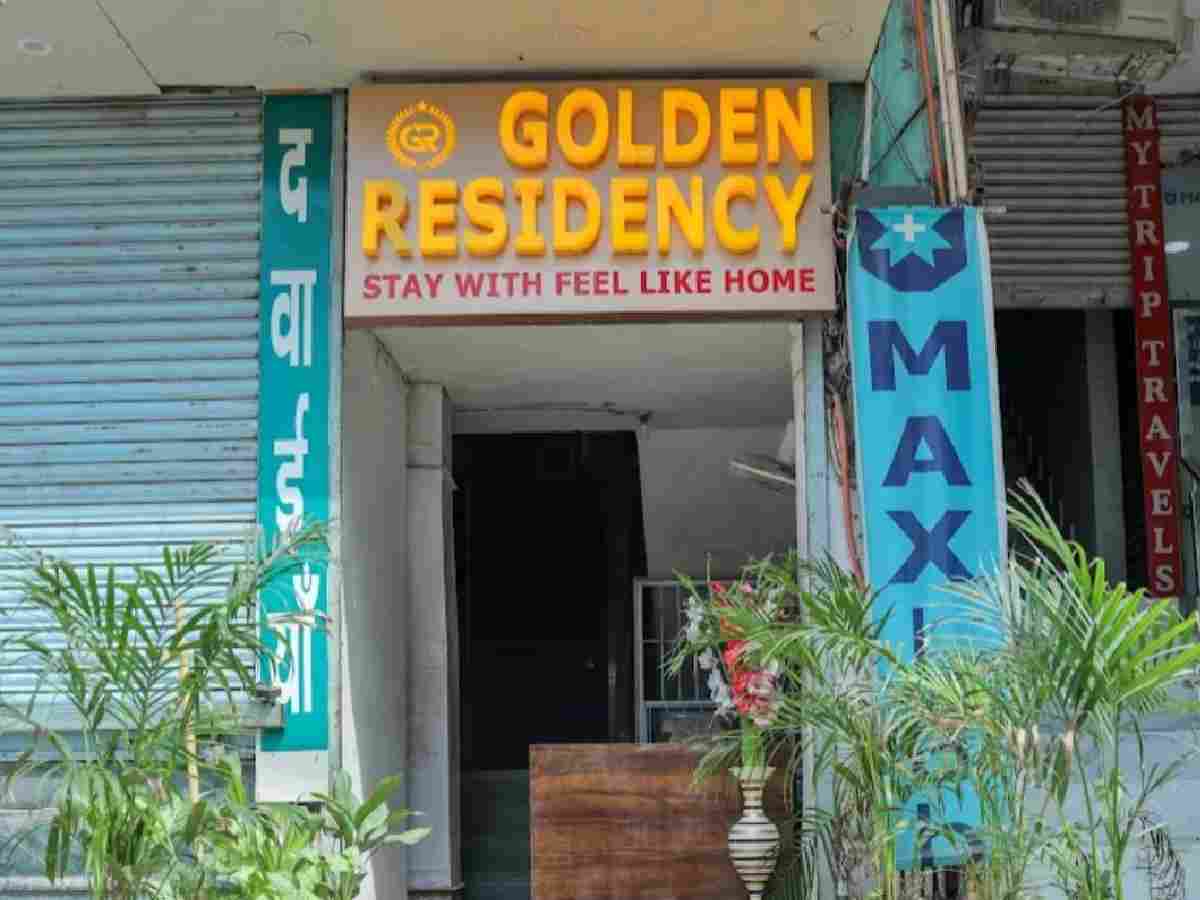
Sethi Homestays, an establishment catering to tourists in Hauz Rani, does not appear in the Tourism Department’s register but continues to operate.
“We have not been getting a lot of visitors lately, especially after the fire,” a worker said.
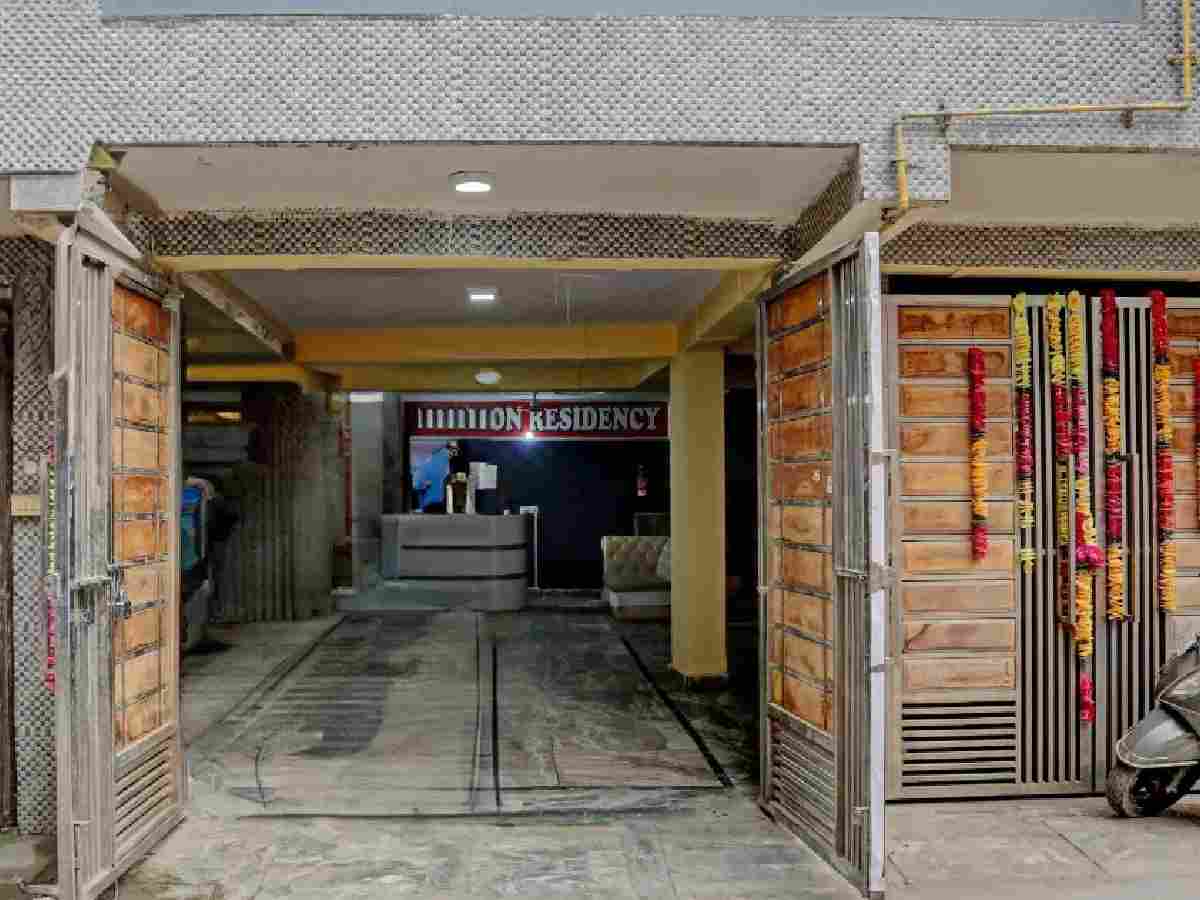
Questions also arose over establishments marketed through major hospitality platforms. Blue Moon Residency, near Nawada in Uttam Nagar, had permission to operate six rooms until August 10, 2026. Its online listing, however, advertised 30 rooms.
A Delhi Fire Services official said the lack of windows was another recurring concern at such establishments.
“It makes rescue more difficult during a fire because the chances of saving people are lower,” the official said on condition of anonymity.
A senior official said many establishments registered themselves as bed-and-breakfast units because they were subject to fewer checks. “But they still market themselves as hotels or guest houses,” the official said.
The official added that the proposed policy could introduce more checks for such establishments.
Government moves to repeal existing law
On August 7, Tourism Minister Kapil Mishra introduced the Delhi Bed and Breakfast Establishments (Repeal) Bill, 2026, in the Assembly.
The Bill seeks to repeal the National Capital Territory of Delhi (Incredible India) Bed and Breakfast Establishments (Registration and Regulation) Act, 2007, along with its subsequent amendments of 2009 and 2021.
The Bill was taken up for consideration on August 10 and is pending before the Assembly, even as the earlier Act has been repealed.
“Over a period of time, the tourism and hospitality sector has undergone significant transformation, including the emergence of new forms of accommodation and evolving policy approaches,” the statement of objects and reasons said.
“In this context, it has been considered necessary to discontinue the existing framework governing B&B establishments and replace it with a more flexible and facilitative policy regime. A new comprehensive policy in this regard is under formulation and will be placed before the Cabinet for approval,” it added.
The existing Act was enacted in 2007 to regulate and promote bed-and-breakfast establishments operating from residential premises, particularly those catering to tourists visiting the Capital. It prescribed registration requirements and standards for their operation.
The repeal is part of the Delhi Government’s broader exercise to review and simplify regulatory laws and procedures.
The Bill states that the repeal “shall not affect the previous operation of the repealed Acts or anything duly done or suffered thereunder”.
Registrations, certificates, approvals, orders and proceedings initiated under the existing law would remain valid as long as they are not inconsistent with the proposed policy.
“During the transition period, fresh registrations and the processing of pending applications under the existing Act shall remain in abeyance,” the Bill states.
Existing registrations, certificates, directories, operator records, grievance redressal mechanisms, pending appeals and classification standards would be addressed under the proposed policy. Penalties, liabilities, non-compliance and legal proceedings arising under the existing Act would continue to be dealt with under its provisions.
Eight-room limit proposed
The draft Delhi Bed and Breakfast Policy, 2026, which the Tourism Department has placed before the public for feedback, proposes allowing residential properties with up to eight rooms and 16 beds to operate as bed-and-breakfast establishments.
The existing Act permits six rooms and 12 beds. In practice, however, this limit has often been violated.
“The bed and breakfast scheme had many gaps. We plan to revisit the scheme and see if we can provide incentives to homestay owners and also assure them of promotion through the government’s platforms,” Mishra said.
The draft policy proposes Gold and Silver categories based on room size, furnishings, sanitation, guest amenities and safety arrangements.
Rooms in Gold Category establishments would have to measure at least 120 sq ft and include wardrobes, study tables, televisions, filtered drinking water, proper ventilation and cooling arrangements, including fans or air conditioners where necessary.
Bathrooms would require Western-style toilets, running hot and cold water, ventilation, proper drainage and additional toiletries.
Silver Category establishments would be subject to comparatively relaxed standards. Rooms would have to measure at least 100 sq ft and provide clean bedding, cooling facilities, filtered water and dedicated or attached bathrooms.
Safety and hygiene requirements
The proposed policy requires establishments to maintain guest registers, conduct police verification and comply with reporting requirements for foreign guests.
Fire extinguishers, first-aid kits, emergency contact displays and functional door locks would be mandatory. CCTV cameras would be permitted only at entrances and in common areas.
The rules also require the daily cleaning of rooms, bathrooms and common areas, along with waste segregation, adequate ventilation and hygienic food preparation wherever meals are provided.
An owner, manager or caretaker would have to remain present or available at the premises at all times to assist guests and respond to emergencies.
The policy also seeks to preserve the residential character of neighbourhoods by prohibiting commercial restaurants, banquet activities, bars, hotel-style signage and structural alterations that violate zoning norms.
Only residential properties would qualify for registration. Hotels, lodges, hostels, guest houses, serviced apartments and properties operating banquet or other commercial hospitality facilities would remain outside its scope.
The revised framework is intended to promote smaller, community-based stays as alternatives to conventional hotels while creating additional income opportunities for residents and increasing Delhi’s accommodation capacity.
Officials said it had been prepared in response to changing travel preferences, with more tourists opting for affordable and personalised accommodation offering local cultural experiences.
Applications would be processed online through a self-certification and self-renewal mechanism. The draft proposes deemed approval if registration is not granted within seven working days of the submission of the required documents and fees.
The government would, however, retain the power to inspect establishments and take action over violations, repeated complaints or safety concerns.