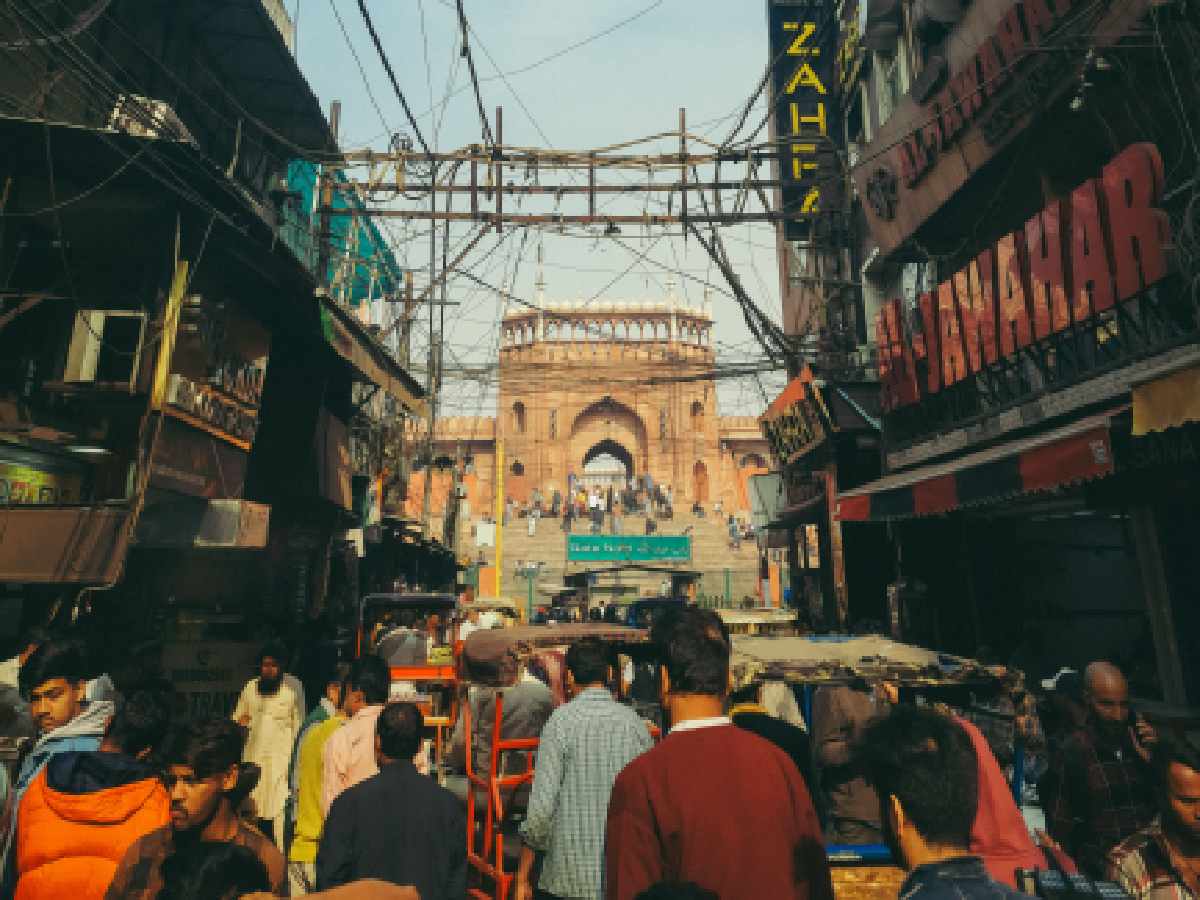
As the festive season approaches, Old Delhi begins to reveal a familiar side of itself. Shops fill with decorative hangings, shoppers hunt for festive bargains, and the narrow lanes of Shahjahanabad grow busier with people preparing for celebrations.
But the festive character of Old Delhi extends beyond its main thoroughfare. Behind the bustle of Chandni Chowk lies a network of historic bazaars, many of which developed around specialised trades. Some supply the embellishments used in festive decorations and weddings, others provide the spices and dry fruits that find their way into celebratory meals, while others preserve traditions of jewellery, textiles and food.
Much of this commercial landscape developed alongside Shahjahanabad, the Mughal capital established by Emperor Shah Jahan in the 17th century. Its markets served residents, merchants and the imperial establishment, with specialised trading areas emerging for different goods. Centuries later, many of these bazaars continue to serve the city, connecting its festive customs with an older commercial history.
Here are seven Old Delhi lanes where the city’s festive traditions continue to find expression.
Kinari Bazar: where celebrations find their finishing touches
Few markets capture the visual excitement of the festive season quite like Kinari Bazar. Known for its zari borders, gota-patti, ribbons, sequins, tassels and decorative embellishments, the market is a destination for shoppers looking to add a traditional touch to their celebrations.
The history
Kinari Bazar is part of the historic commercial network around Chandni Chowk, where specialised markets developed to meet different needs. Its association with ornamental trimmings and wedding supplies reflects the long-standing demand for decorative materials in Indian ceremonial clothing. The surrounding lanes of Shahjahanabad traditionally housed traders and artisans whose work supported the city’s markets and households.
Festive connection
Today, the market’s shops stock materials used in bridal outfits, dupattas, ceremonial clothing and decorative accessories. During the festive season, these materials also find their way into torans, household decorations and other ornamental pieces used to prepare homes for celebrations.
The market’s importance lies in the details: a border added to an outfit, an embellishment on a gift or a decorative hanging at the entrance of a home. In a city where festivals are often marked by new clothes and decorated homes, Kinari Bazar continues to supply many of the elements that complete the occasion.
Khari Baoli: the flavours behind the festivities
At Khari Baoli, the festive season arrives in sacks of spices, heaps of dry fruits and the unmistakable aroma of wholesale trade.
The history
Khari Baoli developed into one of Old Delhi’s principal wholesale trading centres. Its name is associated with a baoli, or stepwell, that once existed in the area. The market’s identity grew around the trade in spices and other food commodities, connecting merchants, suppliers and buyers through an extensive trading network. Its importance as a wholesale market expanded over time, making it a major destination for traders from Delhi and beyond.
Festive connection
For festive shoppers, the market offers ingredients that feature prominently in celebratory cooking. Almonds, cashews, raisins, pistachios and other dry fruits are used in sweets, desserts and homemade preparations shared with family and guests. Spices remain central to traditional dishes served during gatherings and festive meals.
The market’s contribution to celebrations is less about decoration and more about what reaches the dining table. Long before a festive meal is served, its ingredients may have passed through their hands.
Dariba Kalan: jewellery and the tradition of gifting
For generations, jewellery has been associated with weddings, family milestones and festive gifting. In Old Delhi, Dariba Kalan remains closely connected with this tradition.
The history
Dariba Kalan is one of Shahjahanabad’s historic jewellery markets, with roots in the city’s Mughal-era commercial life. The name is commonly traced to the Persian expression Dur-e-Bebaha, meaning an incomparable or priceless pearl. The market developed a reputation for precious ornaments and jewellery, serving customers seeking gold, silver and other valuables. Although its range of merchandise has evolved, its association with jewellery has endured.
Festive connection
The market is known today for silver jewellery, alongside other ornaments, traditional accessories and attar perfumes. These products find buyers during weddings, festivals and family celebrations, when jewellery and personal gifts often carry significance beyond their monetary value.
Dariba Kalan’s appeal lies in the continuity of these practices. While designs and consumer preferences have changed, the market remains part of a larger tradition in which ornaments mark important occasions and connect generations.
Katra Neel: the fabrics behind festive wardrobes
Festive dressing begins well before an outfit is worn. For many shoppers, it starts with selecting a fabric, choosing a colour and deciding how a garment should be tailored.
Also Read: Chawri Bazar tragedy: inspected in June, collapsed in November
The history
Katra Neel is part of Old Delhi’s historic network of specialised trading areas. The word katra refers to a market or enclosed commercial complex, often associated with particular merchants or commodities. Historical accounts of Shahjahanabad describe Katra Neel as a centre associated with indigo and textile commerce.
Festive connection
The market is associated with fabrics ranging from silk and satin to cotton and other dress materials. These are purchased for garments worn during festivals, weddings and family occasions.
Unlike ready-to-wear shopping, buying fabric leaves room for personal choices in tailoring, design and embellishment. A length of cloth can become a suit, a blouse or an elaborate festive outfit, depending on the buyer’s preferences.
Chawri Bazar: the paper trail of weddings and celebrations
In an age of digital invitations and instant messages, printed wedding cards continue to hold a place in many Indian families’ celebrations. Chawri Bazar, known for its paper trade and wedding-card printing businesses, is closely associated with this tradition.
The history
Chawri Bazar is among Old Delhi’s established commercial streets. Historical accounts describe the wider area as part of Shahjahanabad’s network of specialised markets, with the name associated with an earlier market for hardware and related goods. Its commercial identity changed over time as new trades established themselves, and paper and printing became prominent features of the market.
Festive connection
Wedding invitations remain an important part of the bazaar’s identity. From traditional designs to elaborate printed cards, its businesses cater to families preparing for weddings and other ceremonies.
An invitation is more than a piece of paper: it announces an occasion, carries a family’s message and marks the beginning of a celebration. For families that prefer physical invitations, selecting a card remains part of the preparations.
Chawri Bazar’s connection to festivities therefore lies not in what guests eat or wear, but in how they are invited to participate.
Matia Mahal: the food traditions around festive gatherings
Near Jama Masjid, Matia Mahal offers a different way of understanding Old Delhi’s festive culture: through food.
The history
Matia Mahal developed around the historic Jama Masjid neighbourhood, itself a central part of Shahjahanabad. The area became associated with traditional food businesses and the culinary practices of the old city. Its food culture reflects a longer history of cooking, trading and serving meals around important religious and commercial centres.
The wider neighbourhood also has a connection with traditional cooks who prepared food for important households. Historical accounts of Old Delhi describe how some cooks associated with royal kitchens later continued their trade through independent businesses and catering.
Festive connection
Today, Matia Mahal is known for its traditional eateries and Mughlai cuisine. The area is particularly associated with food traditions around Jama Masjid and sees activity during major festivals.
Food plays a central role in celebrations, whether through dishes prepared for family gatherings or meals shared with visitors. Traditional eateries become part of the wider experience of visiting Old Delhi, bringing together residents, shoppers and people arriving from other parts of the city.
Paranthe Wali Gali: culinary tradition that outlasts trends
Tucked into the Chandni Chowk area, Paranthe Wali Gali is one of Old Delhi’s best-known food lanes. Associated with stuffed parathas and traditional eateries, it represents another side of the city’s enduring relationship with food.
The history
Paranthe Wali Gali developed as part of the commercial landscape around Chandni Chowk. The lane became associated with shops selling parathas and gradually acquired a reputation as a destination for traditional food. Its history reflects a wider feature of Shahjahanabad: individual streets and neighbourhoods often became known for particular products, crafts or culinary specialities.
Over time, the lane’s food businesses became part of Old Delhi’s wider identity, attracting visitors interested in experiencing its established culinary traditions.
Festive connection
The lane is a reminder that festive traditions do not always depend on special decorations or seasonal merchandise. Food itself can be a reason for families and visitors to return to familiar neighbourhoods, share meals and introduce younger generations to established culinary customs.
During the festive season, Old Delhi’s food streets also become part of the wider shopping experience. A visit to the markets can turn into a meal, while an outing planned around food can lead to a walk through the surrounding bazaars.