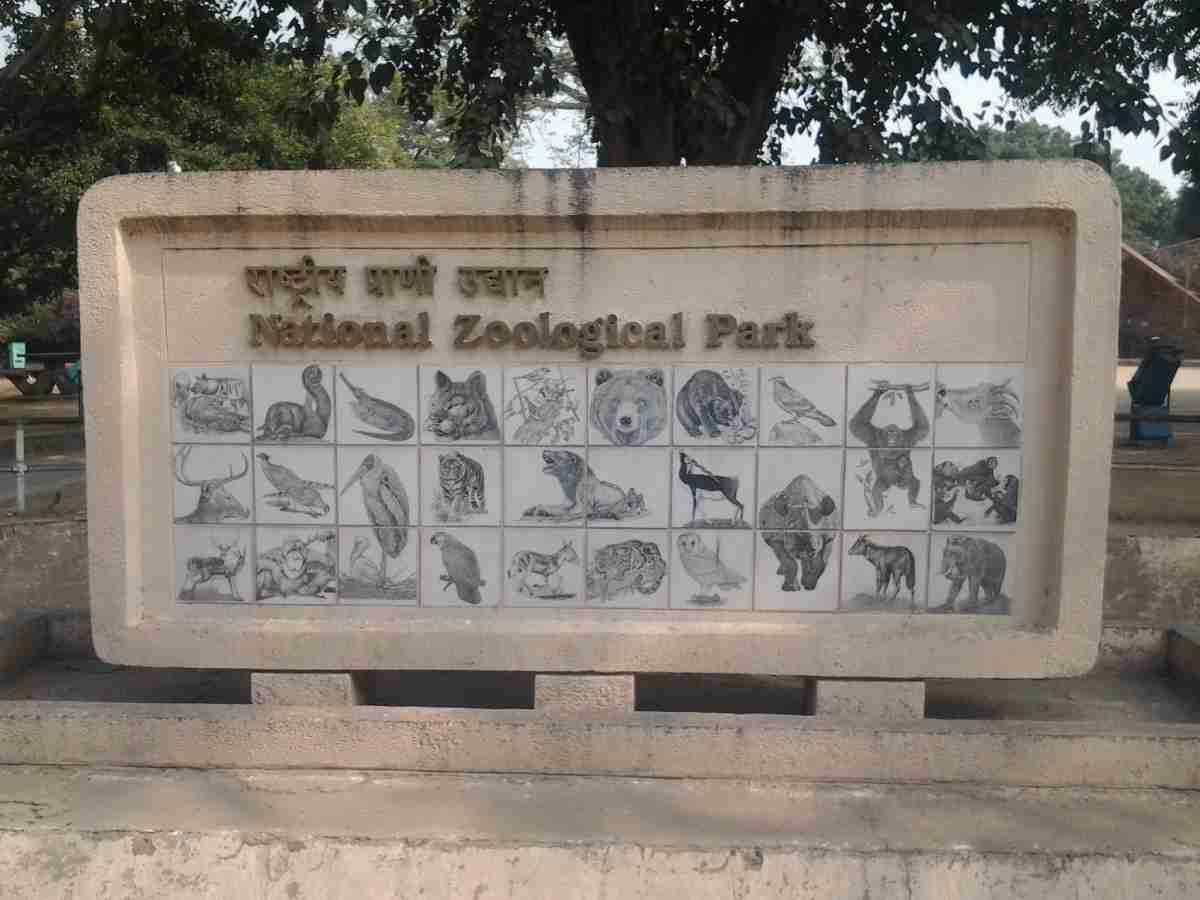
The year 2025 at the National Zoological Park in Delhi was defined by a volatile rhythm of conservation triumphs and heart-wrenching tragedies, painting a complex portrait of the challenges inherent in modern wildlife management.
Delhi Zoo hounded by death
The year began with a surge of optimism as the zoo broke a sixteen-year hiatus in its big cat breeding programme. In late April, the birth of four Asiatic lion cubs to the five-year-old lioness Mahagauri and her mate Maheshwar served as a vital beacon of hope for a species currently listed as endangered. This biological milestone was hailed by the Central Zoo Authority as a critical contribution to the national conservation effort, offering a fresh genetic lineage to a population primarily concentrated in Gujarat’s Gir forest.
However, this joy was tempered by the high mortality rate of a litter of tiger cubs born to the tigress Aditi earlier in the year. Despite the best efforts of the veterinary staff, five of the six cubs succumbed to health complications, sparking a public debate regarding the adequacy of the zoo’s neonatal care facilities and specialised medical equipment.
Avian influenza and Shankar, the African elephant’s death
As summer transitioned into the monsoon, the facility faced a significant existential threat in the form of a severe outbreak of H5N1 avian influenza. The detection of the virus in August necessitated an immediate and total closure of the park to the public for over sixty days. During this period, the zoo’s avian population was decimated, with the loss of twelve birds, including nine painted storks and three black-necked ibises.
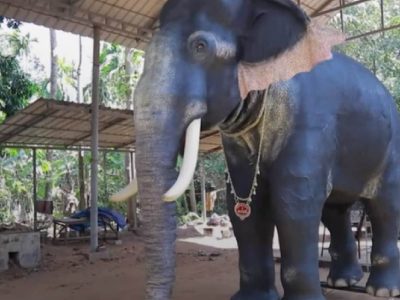
The closure, which lasted until early November, was a period of intense decontamination and surveillance, revealing the vulnerability of captive populations to migratory diseases. This period of quiet was shattered in September by the most high-profile tragedy of the year — the sudden death of Shankar, the twenty-nine-year-old African elephant. Having spent nearly three decades at the park after arriving from Zimbabwe, Shankar was a cornerstone of the zoo’s identity.
A subsequent necropsy revealed that he had fallen victim to Encephalomyocarditis virus (EMCV), a rare viral infection, marking the first documented case of its kind in an Indian zoological setting.
Yearly pattern of Delhi Zoo’s mortality figures
Following a set pattern, the Delhi Zoo has struggled with mortality figures that significantly exceed international benchmarks. While the World Association of Zoos and Aquariums (WAZA) suggests an acceptable annual mortality rate of approximately 5%, the Delhi Zoo has frequently recorded figures doubling or even tripling that standard over the last decade. For instance, the 2018–19 period saw a peak mortality rate of nearly 20% (245 deaths), a figure that sparked national headlines and multiple high-court inquiries.
Data from the last five years indicate a gradual, albeit inconsistent, downward trend in overall fatalities. Following the 2018 peak, mortality rates shifted to 17% in 2019–20 and dropped further to approximately 10% in 2020–21 (124 deaths), a decline largely attributed to the absence of “adverse events” such as major epidemics and restricted movement during the pandemic.
However, subsequent years showed a slight rebound as the park returned to full operational capacity. In the 2022–23 and 2023–24 cycles, mortality hovered between 11% and 13%, with roughly 125 to 137 deaths reported annually. These figures highlight a persistent baseline of loss, particularly among herbivores such as blackbucks and spotted deer, which frequently succumb to “shock” or seasonal pneumonia.
In contrast, the 2025 data represent a year of “high-impact” losses rather than sheer volume. While the total number of deaths in 2025 (estimated at approximately 15–20 major animals, excluding avian casualties) may appear lower than the hundreds lost in 2018, the qualitative loss was far greater. The death of Shankar and the loss of nearly an entire litter of tiger cubs dealt a severe blow to the zoo’s core conservation and educational identity.
Furthermore, the August–September avian influenza outbreak, which claimed 12 birds in a single fortnight, served as a reminder of how quickly “low-mortality” years can be upended by environmental factors.
Zoo reopens to significant footfall
Owing to the avian influenza outbreak, the zoo remained closed for well over two months, shutting its gates from August 30. However, after reopening on November 8, the footfall was exemplary. According to officials, the zoo recorded an attendance of 8,065 visitors, including 954 students representing 12 different schools.
Footfall increased substantially on November 9, reaching 15,292 visitors. This group included 262 students from five schools.
Multiple security breaches become cause for concern
Security and animal containment protocols were also tested during the latter half of the year, most notably in November when a group of golden jackals managed to escape their off-display enclosure.
The animals exploited a structural breach in the rear fencing near the historic Azimganj Sarai, triggering a frantic, multi-day tracking operation. While most of the escapees were safely herded back into containment within forty-eight hours, the incident prompted a thorough internal audit of the park’s ageing perimeter infrastructure.
These lapses occurred alongside other unexpected animal deaths, including the loss of two four-horned antelopes in December, suspected to have contracted rabies. The incidents further underscored the constant battle against environmental pathogens and the urgent need for more robust physical barriers between zoo inhabitants and local feral populations.
MoUs and technological advancements
Despite these setbacks, 2025 was also a year of modernisation and forward-looking policy. The zoo administration pursued digital transformation aggressively, introducing QR-based “Insta Ticket” systems and UPI payment integration to streamline visitor entry and eliminate long queues that had plagued the facility for years.
A tripartite Memorandum of Understanding (MoU) was signed between the Delhi Zoo, the Gujarat government, and the Vantara (Greens Zoological) Centre, establishing a collaborative framework for knowledge exchange and advanced veterinary training.
Plans were also finalised for a major overhaul of the park’s layout, including a transition from traditional barred cages to modern glass-walled enclosures and the conceptualisation of a night safari.