Delhi has recorded around 3,000 influenza cases so far this year, including 2,308 H1N1 infections. The rise has prompted Chief Minister Rekha Gupta to call an emergency meeting to review the city’s preparedness.
Delhi Health Minister Pankaj Kumar Singh said the review would cover H1N1 and other seasonal influenza infections, as well as vector-borne diseases. He said the city had enough doctors, hospital staff, medicines and beds.
“There is no shortage of doctors, staff or medicines,” Singh said. “The Chief Minister has called an emergency review meeting. I assure you that there is no cause for concern; everything is under control.”
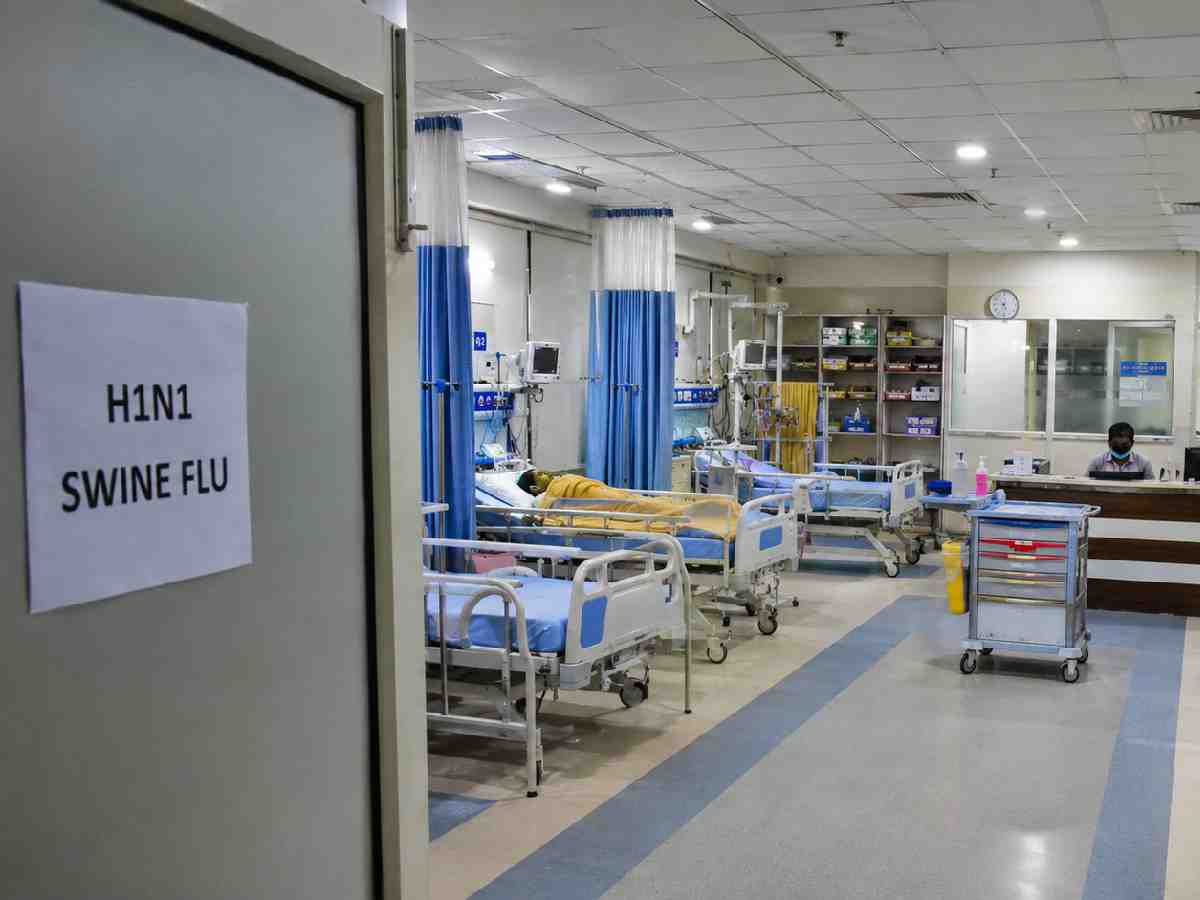
Singh said all hospitals had established isolation wards and warned that action would be taken against any hospital that denied a patient a bed.
“There is no need to panic. Patients are coming in, receiving treatment and then going home,” he said.
Tally rises sharply within days
Delhi had recorded 1,777 H1N1 cases by August 20, 2026, nearly eight times the 229 cases reported during the corresponding period in 2025. By August 25, 2026, the tally had risen to 2,308.
Doctors said seasonal conditions, increased person-to-person spread, travel and reduced immunity among the population against the circulating influenza variant may have contributed to the rise.
Influenza viruses undergo gradual genetic changes over time. These changes can make people more susceptible to infection even when the virus remains within the same subtype. However, there is no evidence that a new or more dangerous H1N1 strain has emerged.
No new strain detected
Indian Council of Medical Research (ICMR) Director General Dr Rajiv Bahl said the current rise followed the seasonal influenza pattern and that no new strain had been detected.
The circulating virus belongs to the influenza A(H1N1)pdm09 lineage, which emerged during the 2009 pandemic and is now endemic. Most infections are mild and self-limiting, he said.
“What we commonly describe as a cough or cold is often caused by an influenza virus, and H1N1 is a subtype of influenza A,” Bahl said.
He said influenza viruses mutate every year as part of their natural behaviour, but this did not necessarily mean that a new strain had emerged. ICMR surveillance showed that H1N1 was the most frequently detected influenza subtype among samples from people with cough or cold symptoms.
“The vast majority of these cases are very mild and self-limiting,” he said, adding that routine testing was not necessary for everyone with such symptoms.
Bahl said outbreaks generally reached a peak before subsiding, although it was not possible to predict precisely when that would happen. He expected the number of cases to begin falling over the next few weeks.
Influenza A(H1N1) is currently the predominant subtype. H3N2 and influenza B of the Victoria lineage are also being detected. Some COVID-19 cases have been reported, although their numbers are declining, according to Bahl.
Hospitals report more patients
Hospitals across Delhi and the National Capital Region have reported an increase in consultations for flu-like symptoms.
Consultant in Infectious Diseases Dr Aakashneel Bhattacharya of Paras Health, Gurugram, said patient numbers at his facility had risen by 22–25% over the past week, equivalent to five or six additional patients.
At Sri Balaji Action Medical Institute, eight to 10 patients with flu-like symptoms are visiting the clinic every day, while two or three patients with more severe influenza are being admitted, Director of Internal Medicine Dr Arvind Aggarwal said.
Senior Consultant in Internal Medicine Dr Ali Sher of Apollo Spectra Hospital also reported more consultations for flu-like symptoms, including from patients with serious respiratory complaints.
Senior Consultant in Internal Medicine Dr Niraj Kumar of ShardaCare-Healthcity told Patriot that some patients were presenting with persistent cough, high fever, body ache, fatigue and gastrointestinal symptoms such as diarrhoea.
Other common symptoms include sore throat, headache, chills, a runny nose and nasal congestion. Some patients, particularly children, may also experience nausea or vomiting.
While most patients recover with timely and appropriate care, people with diabetes or heart and lung diseases, as well as older adults and young children, are at greater risk of complications such as pneumonia and respiratory distress, Kumar said.
Symptoms may overlap with other infections
Head of HLA and Molecular Biology Dr Yoginder Pal Singh at Agilus Diagnostics told Patriot by phone that the laboratory had recorded an H1N1 test positivity rate of nearly 30% among people tested at its Reference Laboratory over the past week.
“The rise in H1N1 cases is a reminder that seasonal respiratory infections can spread rapidly, particularly in crowded and poorly ventilated environments,” he said.
Singh said influenza symptoms could overlap with those of COVID-19 and other respiratory infections. Timely testing and medical assessment were therefore particularly important for high-risk patients.
Depending on the symptoms and medical history, doctors may recommend reverse transcription polymerase chain reaction (RT-PCR) testing or a comprehensive respiratory panel. Tests such as a complete blood count or C-reactive protein test may also be advised.
“Early diagnosis can help doctors begin antiviral treatment promptly where appropriate,” Singh said.
Antiviral medicines are most effective when started within 48 hours of the onset of symptoms. High-risk patients should seek medical advice promptly and take antiviral medication only when prescribed by a doctor.
Dr Diksha Goyal, Consultant, Internal Medicine, Marengo Asia Hospitals, Gurugram, said H1N1 was highly infectious and could spread easily in the community, particularly when people were in close proximity indoors and respiratory infections were circulating.
“The illness may begin suddenly with fever, chills, headache, muscle aches, weakness and cough. Some people recover within days, but others may develop more serious respiratory problems,” she said.
Goyal said H1N1 could affect people differently, with pregnant women, young children, older adults and those with chronic diseases facing a higher risk of complications such as pneumonia.
She said antibiotics did not treat H1N1 because it was a viral infection, while antiviral medicines could be prescribed by doctors where appropriate, particularly in severe cases or among people at increased risk of complications.
“The first line of protection is our everyday habits,” she said, advising people to avoid close contact with sick people, improve indoor ventilation, wash their hands regularly and consider annual influenza vaccination.
Dr Seema Dhir, Unit Head and Senior Consultant, Internal Medicine, Artemis Hospitals, said H1N1 was a type of influenza virus that caused seasonal flu and was mainly spread through respiratory droplets when an infected person coughed, sneezed or talked.
“It can also spread through contaminated hands and surfaces,” she said.
Dhir said common symptoms included fever, cough, sore throat, body aches, headache, tiredness and, in some cases, vomiting and diarrhoea.
“For most healthy people, H1N1 gets better with rest, fluids and the right medical care. But it can progress to serious illness, especially in young children, elderly adults, pregnant women and people with health conditions such as asthma, diabetes, heart disease and a weakened immune system,” she said.
Dhir said flu symptoms could resemble those of other viral infections and advised against self-medication with antibiotics. Doctors may prescribe antiviral medicines such as oseltamivir to people at higher risk or those with serious or worsening symptoms, particularly when treatment is started early, she said.
She advised people to wash their hands regularly, cough and sneeze into their elbow, improve ventilation and avoid close contact with others when unwell. Annual influenza vaccination could also help protect against circulating flu strains, she said.
Who faces greater risk
Children, older adults, pregnant women and people with chronic illnesses or weakened immune systems are more vulnerable to complications from influenza.
Bahl advised older adults, immunocompromised people and pregnant women to take additional precautions and consult their doctors about seasonal influenza vaccination.
People with diabetes, heart disease or chronic lung conditions such as asthma are also at greater risk of developing severe complications.
Doctors said most uncomplicated cases could be treated on an outpatient basis. Hospitalisation is generally considered when a patient develops pneumonia, breathing difficulties, reduced oxygen saturation, persistent high fever or a worsening pre-existing condition.
Senior Director of Respiratory and Sleep Medicine Dr Bharat Gopal, who practises at Medanta Mediclinic in Defence Colony and Medanta-The Medicity, said some patients continued to mistake fever, cough and lethargy for a routine viral illness.
Sher said other patients were delaying medical consultation and relying on self-treatment until their symptoms worsened.
Doctors cautioned against self-medication, particularly taking antibiotics without medical advice. They also advised patients not to delay seeking help when symptoms persisted or worsened.
Patients should seek medical attention if they experience severe breathlessness, persistent chest pain, oxygen saturation below 94%, confusion, bluish lips or fingertips, or a fever that returns after initially subsiding.
Dhir also advised people to seek immediate medical attention for trouble breathing, persistent chest pain, confusion, extreme weakness, dehydration or rapidly worsening symptoms.
Testing should be guided by doctors
Physician Dr Bibhu Anand of Sir Ganga Ram Hospital said H1N1 testing was widely available at hospitals and diagnostic centres.
Testing at private hospitals generally costs between Rs 1,500 and Rs 5,000, while a complete respiratory BioFire panel can cost between Rs 9,000 and Rs 15,000. Government hospitals offer testing at a lower cost, he said.
Anand said multiplex polymerase chain reaction testing was available at only a limited number of laboratories. The decision to test should be based on the patient’s symptoms, clinical presentation and the treating doctor’s assessment.
Bahl cautioned against using surveillance figures to estimate the total H1N1 caseload. He said ICMR surveillance data did not measure hospital admissions and that determining the total number of infections would require testing everyone. Since universal testing was not recommended, he said estimating every infection would serve little purpose.
Government steps up surveillance
The Delhi Government has brought 35 hospitals under enhanced surveillance and designated the All India Institute of Medical Sciences and the National Centre for Disease Control as referral laboratories.
Technical guidelines have been issued covering patient categorisation, treatment protocols, ventilatory support, mask use and home care.
The Delhi State Health Mission is monitoring cases of influenza-like illness, severe acute respiratory infection, influenza and COVID-19 through the Integrated Health Information Platform. Daily reports are being compiled and shared with senior authorities.
Healthcare workers are also being trained to identify symptoms, apply case definitions and follow up with patients. Public awareness activities are being conducted at health facilities.
India generally experiences two seasonal influenza peaks each year: one between January and March and another during the post-monsoon period. H1N1 is the predominant subtype in Delhi this year, while H3N2 was the predominant subtype in 2025, according to the Health Department.
How to reduce the risk
Doctors and health officials advised people to stay home when unwell, limit close contact with others, wear a well-fitting mask in crowded indoor spaces, cover their mouths and noses while coughing or sneezing, and wash their hands regularly.
Improving ventilation in homes, offices and other indoor spaces can help reduce transmission. People with influenza should remain hydrated, rest adequately and avoid self-medication.
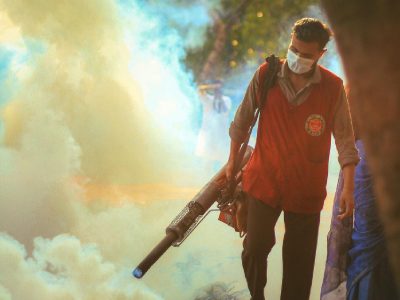
During the monsoon, health experts also advised people to prevent water from stagnating to curb the breeding of mosquitoes that transmit diseases such as dengue.
Bahl advised people with flu symptoms to drink adequate fluids, maintain proper nutrition, get sufficient rest, avoid close contact with others and practise hand hygiene.