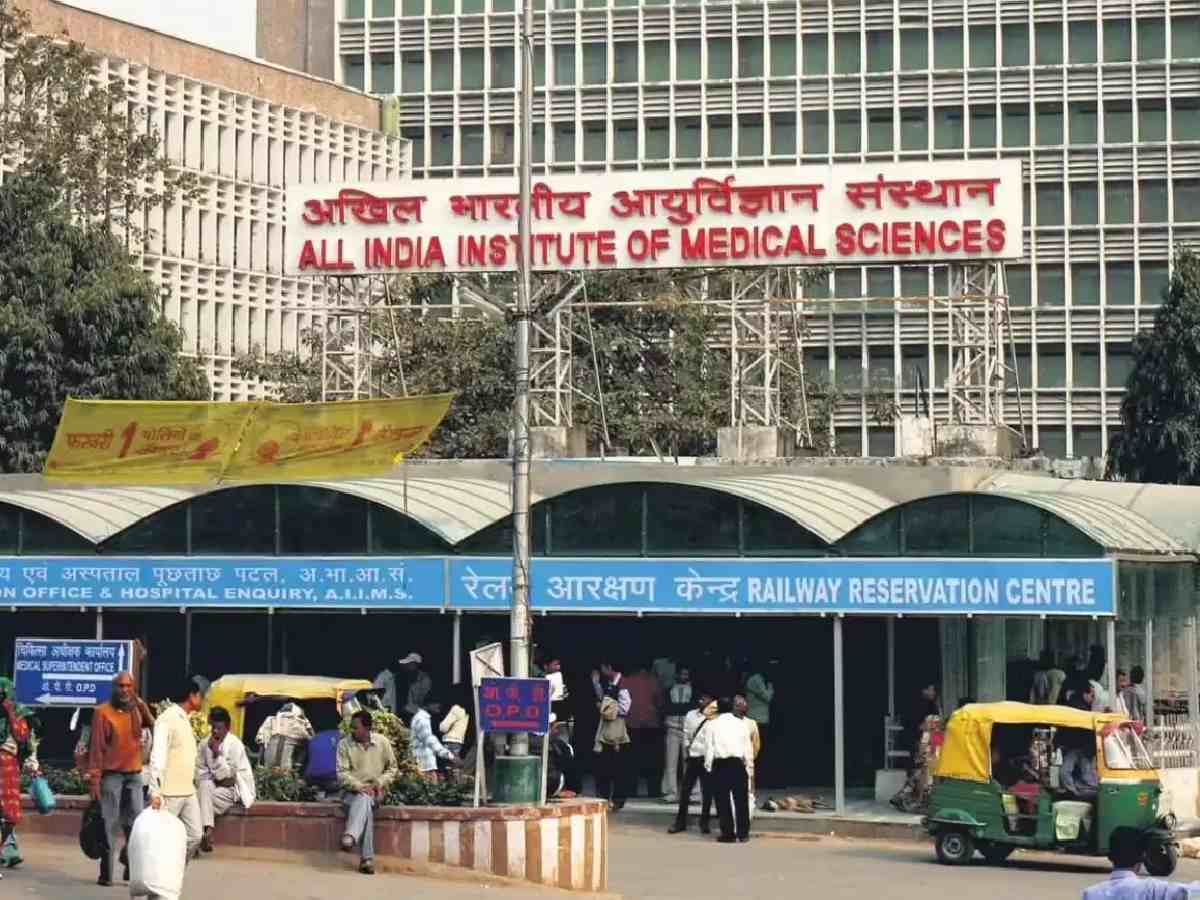
AIIMS Delhi: In a significant breakthrough for diabetes care in India, the All India Institute of Medical Sciences (AIIMS) Delhi has reported that more than 30 patients suffering from uncontrolled Type-2 Diabetes have fully recovered after undergoing metabolic surgery. The group includes several patients who were obese with a Body Mass Index (BMI) below 30 — a category not traditionally associated with bariatric procedures.
According to AIIMS doctors, every single patient who underwent the surgery is now free of diabetes medications, marking a remarkable milestone in diabetes management.
“What is even more striking is the rapid response,” doctors said. “Many patients show dramatic improvement in blood glucose levels from the very next day after surgery — a change far too quick to be explained by weight loss. This indicates a powerful weight-independent metabolic effect of surgery.”
Rising Diabetes Burden in India
Dr Manjunath, Additional Professor, Department of Surgery at AIIMS New Delhi, warned that India’s diabetes burden is escalating faster than ever.
“India’s diabetes burden is rising every year. It is unfolding right now,” she said. “With millions progressing toward kidney failure, heart disease and disability, it is essential that people know all available treatment options.”
Highlighting the urgent need for public awareness, she added, “India’s diabetes crisis is no longer a future threat. Millions remain unaware that a scientifically validated, safe, and effective surgical option exists for uncontrolled Type-2 diabetes, both with and without organ damage.”
Surgery Gains Global Acceptance
Dr Manjunath emphasised that metabolic surgery should not be viewed as a last resort.
“Metabolic surgery is not experimental, not cosmetic, and not a last resort. It is a globally accepted, evidence-based treatment when medicines fail,” she said.
Also Read: Delhi doctors implant India’s first dual-chamber leadless pacemaker
The AIIMS team has conducted a retrospective analysis of patient outcomes, revealing consistent and encouraging results.
“In our own analysis, we have performed over 30 surgeries on patients with uncontrolled Type-2 diabetes, including several who had only mild obesity or were not obese at all. All of them are currently off diabetes medications,” she said.
“One of the most striking findings is the speed of improvement. Many patients show near-normal blood sugar levels from the first post-operative day, proving that the benefits are weight-independent,” she added.
A Globally Endorsed Treatment
India’s reputation as the diabetes capital of the world is well established, but experts warn the country is now becoming the global capital of uncontrolled diabetes — the more dangerous and treatment-resistant form of the disease. Sustained uncontrolled diabetes is a silent driver of kidney failure, stroke, heart attacks, blindness and amputations.
Yet, few Indians are aware that surgery is now an internationally recommended treatment for selected cases of uncontrolled Type-2 Diabetes Mellitus (T2DM).
A major shift occurred in 2016, when the International Diabetes Federation (IDF) formally recognised metabolic (bariatric) surgery as a scientifically proven treatment for uncontrolled diabetes. While the guidelines initially focused on obese individuals with diabetes, global studies have since shown that even patients without obesity can achieve long-term remission and improved quality of life after surgery.
This shift is based on extensive evidence that metabolic surgery triggers powerful hormonal and metabolic changes that directly improve blood glucose control — independent of weight loss.
A Lifeline for Millions
“For many Indians, it may mean the difference between a life threatened by complications and a life reclaimed,” Dr Manjunath said. “As India fights this growing epidemic, it is time to bring awareness to the forefront — responsibly, scientifically and urgently.”