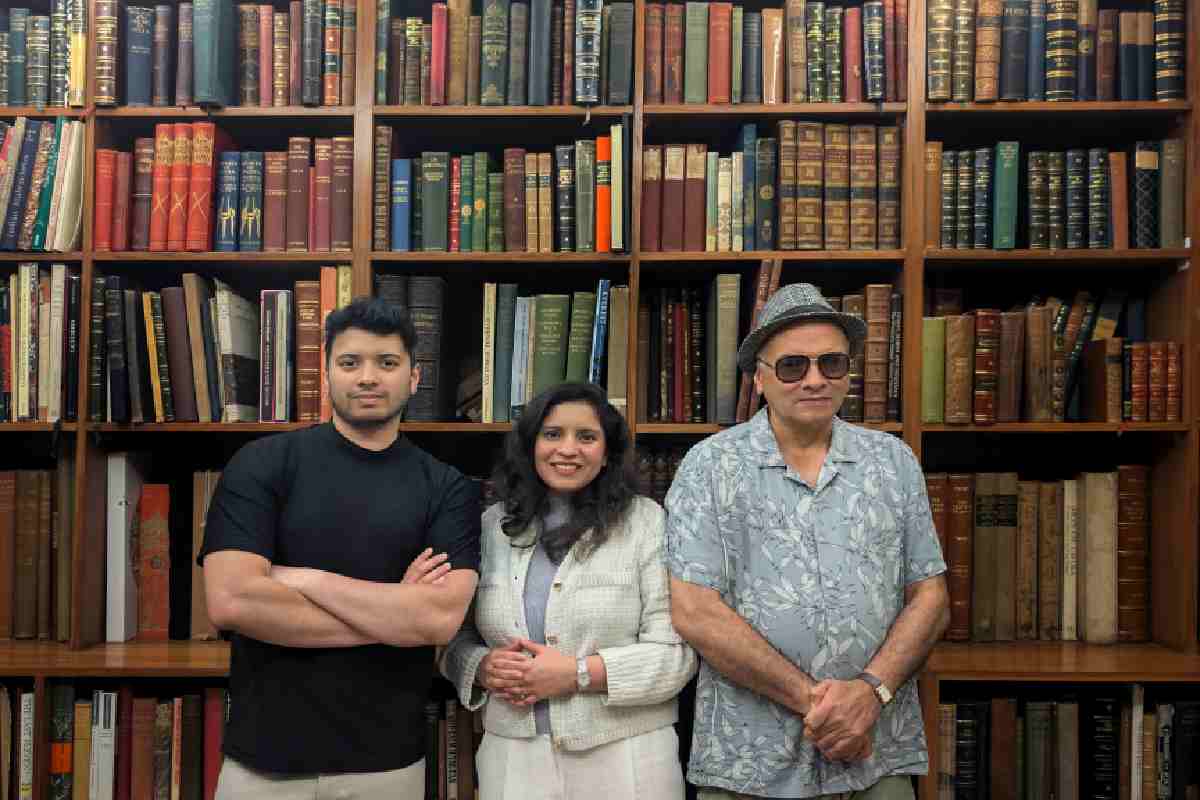
In a residential lane in South Extension, a modest signboard marks the entrance to Memoirs of India.
Inside, three rooms are lined with leather-bound books, hand-coloured maps, fragile manuscripts, historic photographs and paintings collected over decades. A first edition sits beside a centuries-old map, while some volumes contain handwritten inscriptions.
Some visitors arrive looking for a particular title. Others browse the rooms, examining objects acquired from different countries and passed between owners over generations.
“This place is more than a bookshop or a library,” says Rashi Jain Dugar, one of the proprietors of Memoirs of India. “It is a curated museum with rare collections of books and maps.”
Three generations, one legacy
The story of Memoirs of India began nearly six decades ago.
The family’s interest in antiquarian books dates back to 1967, when Dugar’s grandfather acquired a private collection from a Parsi physician. He later discovered that it included several rare signed books.
“My grandfather bought a collection of scarce books from a Parsi physician, which he later discovered included several rare signed books,” Dugar recalls. “That collection really became the foundation of everything we do today.”
What began with a handful of rare books has grown into a family enterprise spanning three generations. It is now run by Rajiv Jain, Rishabh Jain and Rashi Jain Dugar.
“We have sourced collections from private owners, collectors, auctions across India and exhibitions in London, Scotland and other countries,” Dugar says. “Every collection comes with its own history, and that’s what makes this work so fascinating.”
The archive now houses rare books, manuscripts, historic maps, engravings, paintings and photographs documenting India’s cultural, political and intellectual history.
Highlights from the collection
Among the collection’s highlights are three copies of Presenting Indian Cricket, kept in a specially designed archival box. Although they appear identical at first glance, each is different.
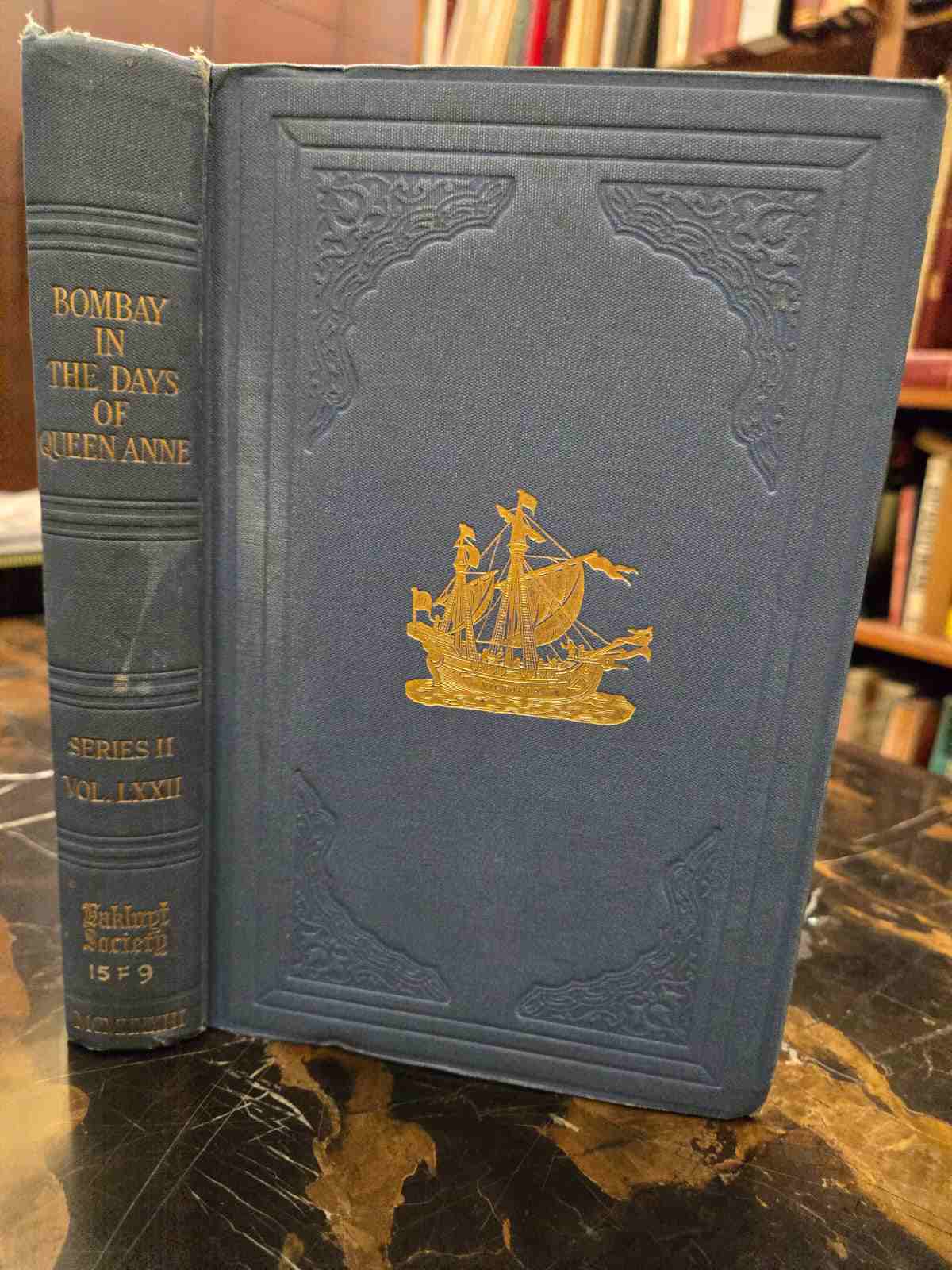
“This is one of our most treasured collections,” Dugar says.
The book chronicles the early years of Indian cricket and records India’s historic 1946 tour of England, the country’s first overseas cricket series after the Second World War and its last before Independence. Led by tikhar Ali Khan Pataudi, the touring side featured players such as Vijay Merchant, Vijay Hazare and Vinoo Mankad.
One copy carries the original signatures of every member of the Indian and England teams. Another bears stamped signatures, while the third is an early unsigned edition.
“This is like a gem for cricket lovers,” Dugar says. “People come specially to catch a glimpse of the signed copy.”
Another important volume is a first edition of My Experiments with Truth, printed by Navajivan Press in Ahmedabad in 1929.
“It is one of the most important books in our collection,” Dugar says. “It is not only a first edition but also a record of Mahatma Gandhi’s life and the philosophy that shaped India’s freedom movement.”
The collection also includes a first edition of Raga Mala, Ravi Shankar’s autobiography, edited and introduced by George Harrison.
“Ravi Shankar personally inscribed this copy on the title page in 2000,” Dugar says as she opens the book. “Collectors and music lovers are always fascinated when they see it.”
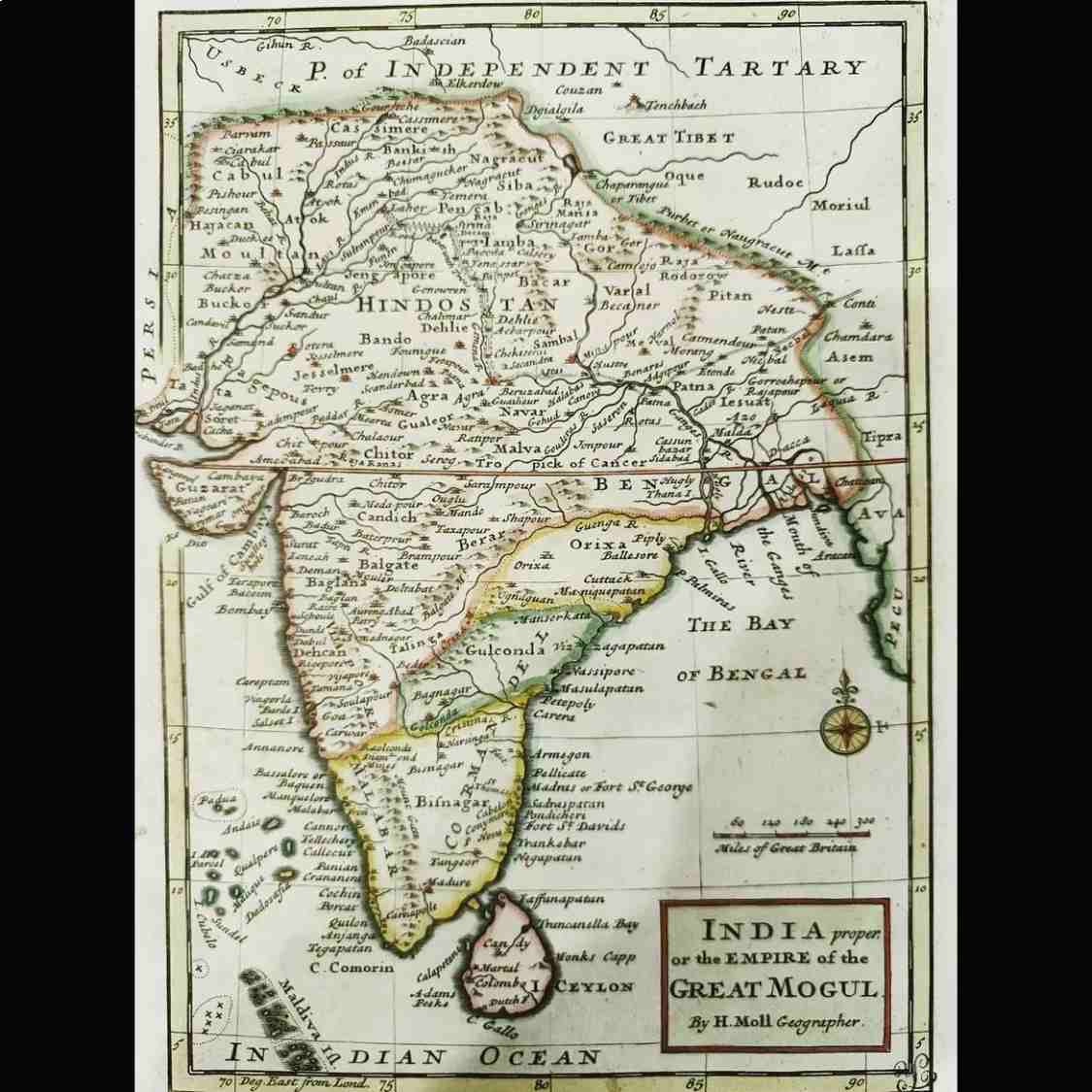
The collection extends beyond literature. It includes an original eighteenth-century map titled India – Empire of the Great Mogul by Herman Moll and Robert Melville Grindlay’s painting of the tombs of the kings of Golconda.
The archive also has signed first editions by Rabindranath Tagore and Margaret Thatcher.
Younger visitors are often drawn to a more recent title: a signed first edition of JK Rowling’s Harry Potter and the Goblet of Fire.
“Every reader finds something fascinating here,” Dugar says. “These collections are gems. It all depends on who is looking at them.”
The stories books carry
While visitors are often drawn to famous names, Rishabh Jain is interested in the journeys the books have made.
“People look at an old book and just see an object, but every rare book has already lived a few lives before it gets to us,” he says. “The ownership marks, the annotations, the binding, even the wear on the spine; that’s all part of the story. You have to understand that journey before you can catalogue anything properly.”
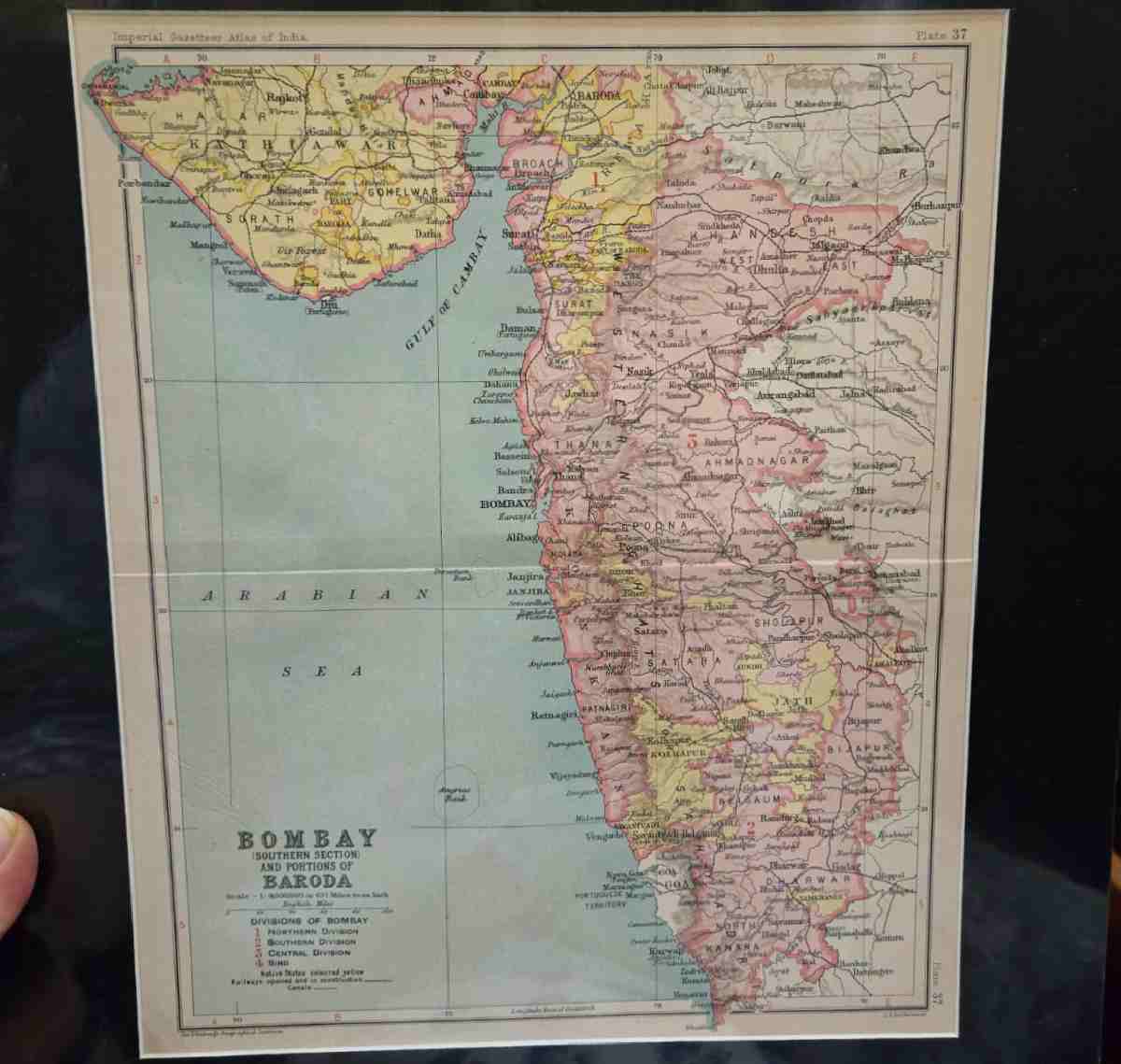
Having grown up surrounded by rare books, Rishabh Jain says he became interested in the history of a book before it reached the shelf.
“People think cataloguing is just writing down a title and an author’s name,” he says. “In reality, that is only the beginning.”
Every acquisition, he explains, requires tracing its provenance, verifying historical details and documenting ownership records before it is added to the archive.
“There is always a story attached to every object,” he says. “Without understanding that story, you haven’t really understood the book.”
“There’s something moving about finding a forgotten note stuffed inside a book or tracing where an old map has been,” Rishabh Jain says. “It reminds you history isn’t some distant thing. Ordinary people lived it, and their stories are still sitting there in the objects they left behind.”
For him, preserving the story is as important as preserving the object.
“Every catalogue entry requires research, verification and documentation,” he says. “Future collectors and scholars should know not only what they are looking at but why it matters.”
The challenge of preservation
Collecting rare books, Rajiv Jain says, is only one part of the family’s work. Preserving them presents an even greater challenge.
“Unfortunately, in India we have had a very poor tradition of preserving books,” he says. “Whatever little has survived is largely because people cared enough to keep it safe.”
India’s climate presents additional difficulties.
“The tropical weather is not very conducive to preserving books,” Rajiv Jain says. “Paper begins deteriorating above 32 degrees Celsius, and during the monsoon the moisture damages bindings and paper even further.”
Learning how to conserve rare books, therefore, became as important as collecting them.
“We not only collected these books but also learned how to preserve them under suitable conditions,” he says. “If you don’t preserve them properly, they simply won’t survive.”
Besides buying and selling rare books, the family undertakes restoration and traditional bookbinding, helping collectors preserve ageing volumes before they deteriorate beyond repair.
A younger audience
Memoirs of India has also begun attracting a younger audience.
“Earlier, the store was mostly visited by intellectuals, historians and rare book collectors,” Dugar says. “Now students come in groups. Many of them spend hours exploring the shelves.”
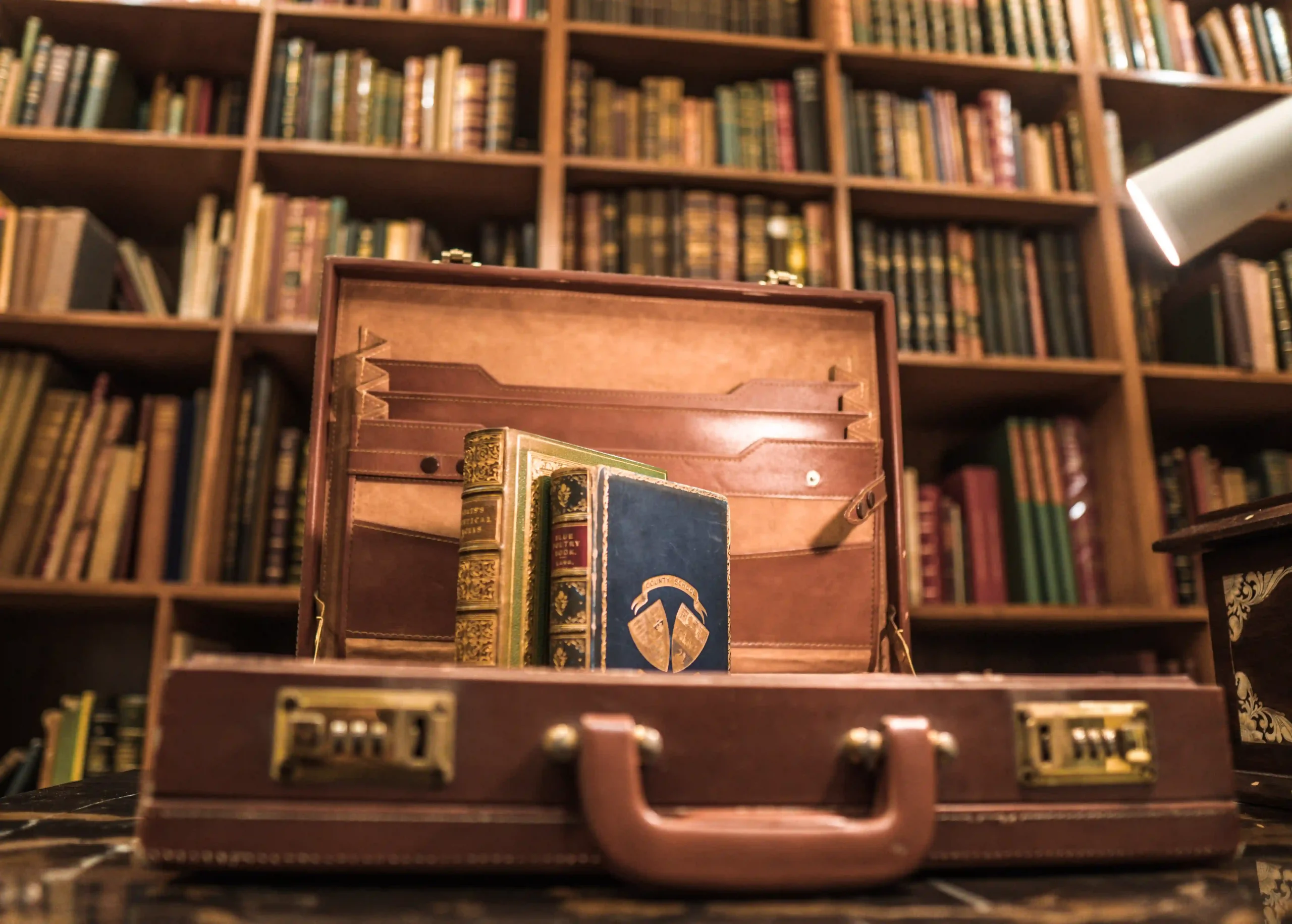
Not everyone leaves with a purchase, but the family does not see that as a concern.
“Even if they don’t buy anything, seeing young people take an interest encourages us to continue preserving and expanding the collection,” Dugar says.