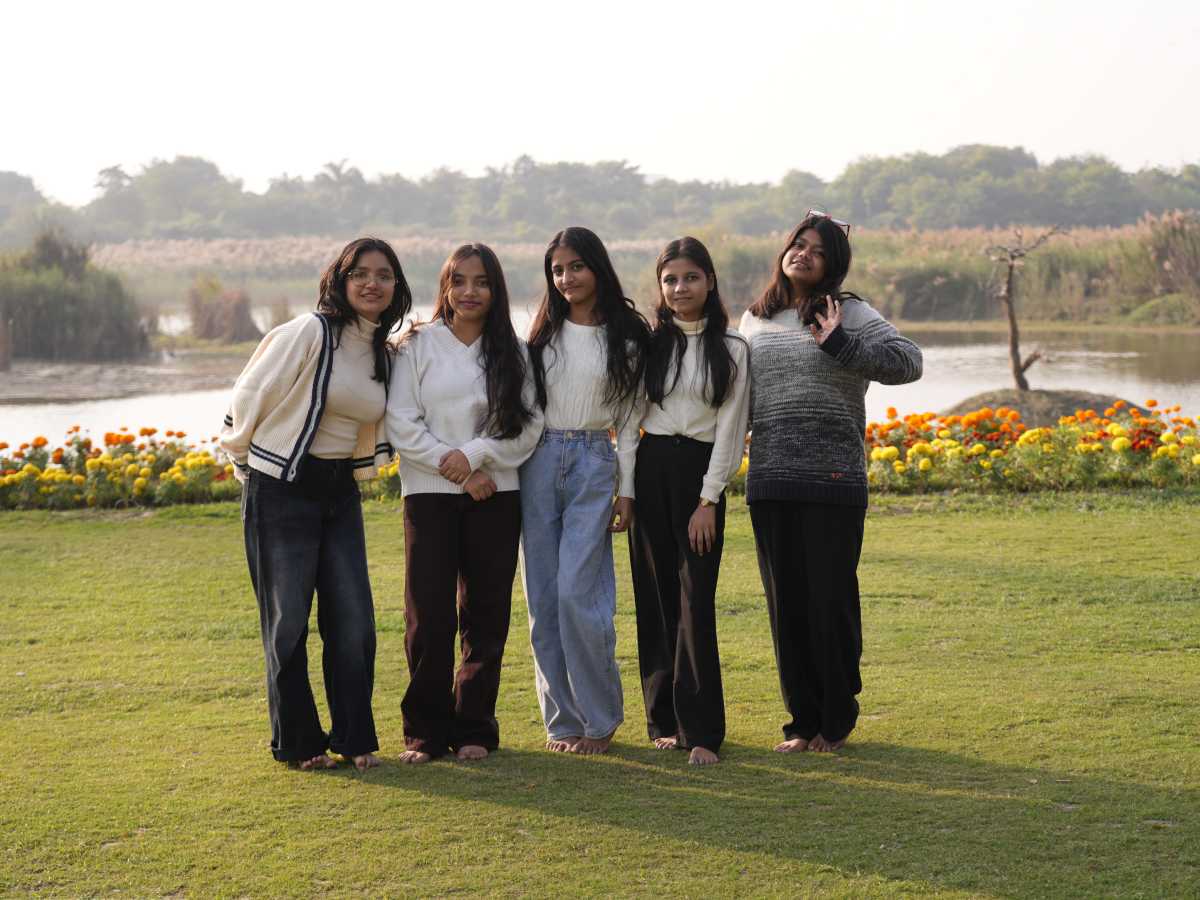
On a soft winter afternoon at Asita Park, the breeze carries the scent of grass instead of traffic. Children chase each other along winding paths, cyclists slow down to take photos, and families stand quietly by the wetlands, surprised by the sudden lift of wings as birds rise into the sky. It feels less like central Delhi and more like a riverside retreat — open, gentle, unhurried.
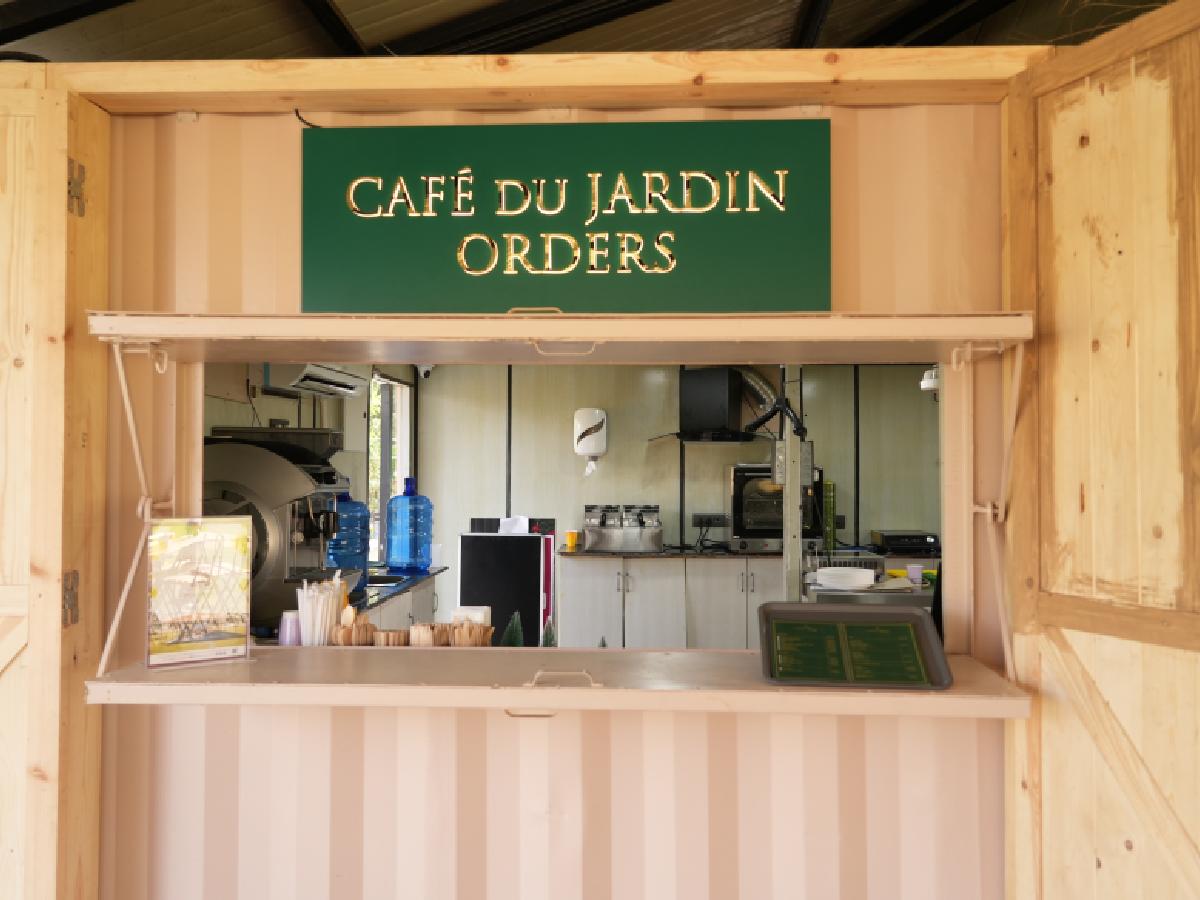
Welcome to Café du Jardin, the city’s newest experiment in bringing people back to the Yamuna. Created by the Delhi Development Authority (DDA) and French bakery brand L’Opéra, the café opened this week inside the restored floodplains, drawing more than 300 visitors on day one — ambassadors, policymakers, diplomats, business leaders, nature enthusiasts, families, morning walkers and curious Delhiites who arrived expecting a café but left talking about the landscape.
The inauguration on November 26 saw 11 ambassadors, 30 diplomats, senior government officials and cultural patrons join the public at Asita Park — a celebration of what many described as a “landmark moment in Delhi’s ecological revival”.
A river rediscovered
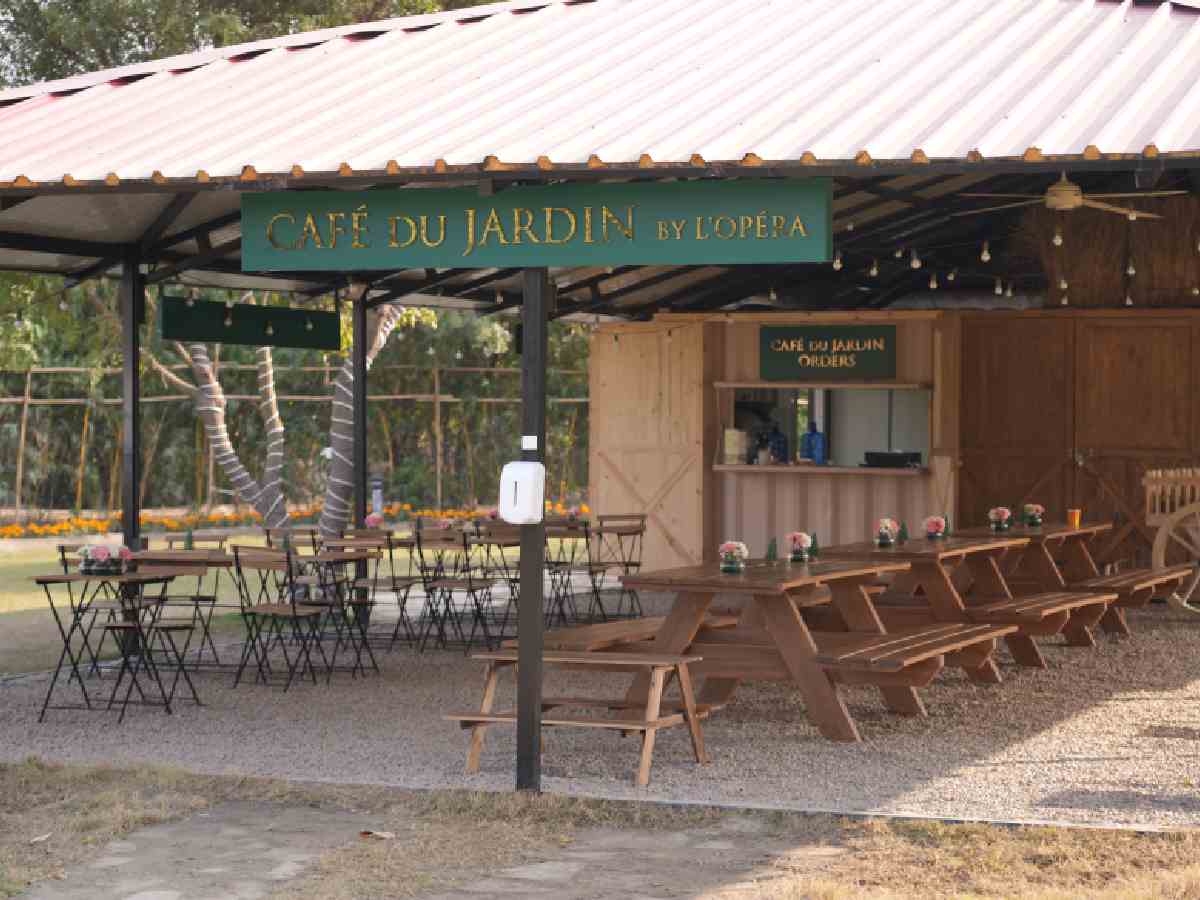
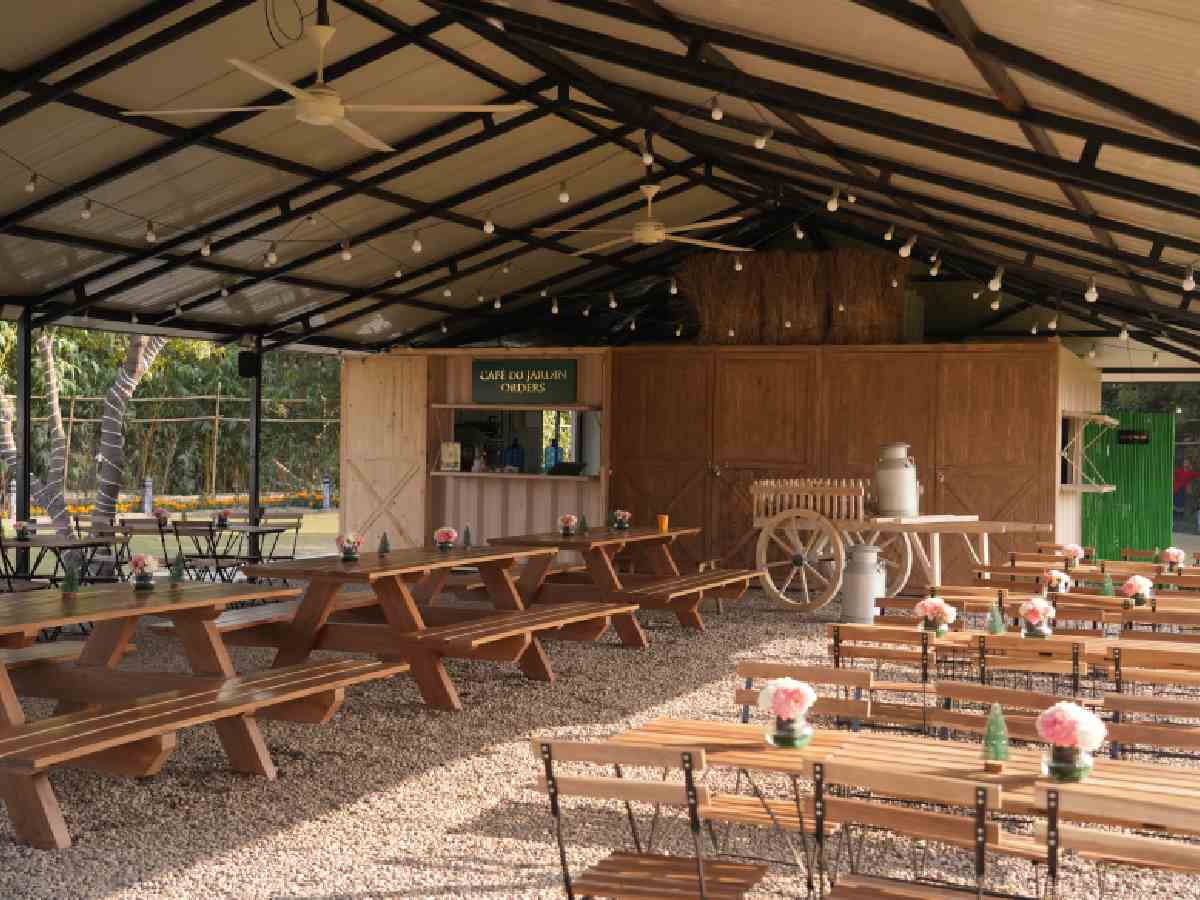
Spread across nearly 197 hectares of revived greenery, wetlands and thriving bird habitats, Café du Jardin does not look built so much as grown. Its fully biodegradable structure blends into the land, framed by wetland views and quiet corners meant for lingering. It is the sort of place where you can hear water moving again — slowly, quietly — just beyond the tall grasses.
Lieutenant Governor Vinai Kumar Saxena called the café another step in reconnecting Delhi with its river. “These environmentally sensitive structures offer the kind of riverfront experience the city has long missed,” he said, as visitors settled into wooden tables shaded by bamboo and sunlight.
For L’Opéra’s founders, the project is a meeting point between culinary culture and emotional memory. Executive Chairman Dr Kazem Samandari described Café du Jardin as “a unique outdoor concept that blends French culinary heritage with Delhi’s reawakening natural corridors”. Co-founder Dr Christine Samandari added, “It is an invitation to pause — to enjoy food, nature and each other.”
Food with room to breathe
Café du Jardin offers a thoughtfully curated menu of freshly prepared light meals, artisanal French bakery and pâtisserie, refreshing beverages and picnic-ready options for walkers, cyclists and families. Many visitors simply grabbed a basket and settled into a sunny patch of grass overlooking the wetlands.
As an added nudge to linger, the Rs 50 park entry ticket is redeemable at the café, encouraging visitors to enjoy the full riverside experience rather than treating it as a quick stop.
A young graphic designer from South Delhi, sipping coffee by the water, put it simply: “I never thought I’d sit by the Yamuna and drink coffee in peace.”
Another visitor, who arrived with her parents, said: “It feels like the city finally remembered we have a river. This place makes you want to protect it.”
A group of college students who cycled in from Kashmere Gate said they had never seen the river like this. “We grew up thinking the Yamuna was just a polluted line on a map,” said one of them. “This is the first time it looks alive.”
Nearby, an elderly couple shared a pastry while watching birds skim across the water. “We used to walk here decades ago,” the husband said. “Back then, you couldn’t imagine a café. Today, it feels like the river is returning — and so are we.”
A mother with her six-year-old pointed to the tall grasses. “My daughter has only known malls. This is the first time she’s seeing wetlands. She keeps asking why the river was gone for so long.”
Another regular walker added: “This café won’t just be a hangout spot. It will make people care about the river. When you sit this close to nature, you start respecting it.”
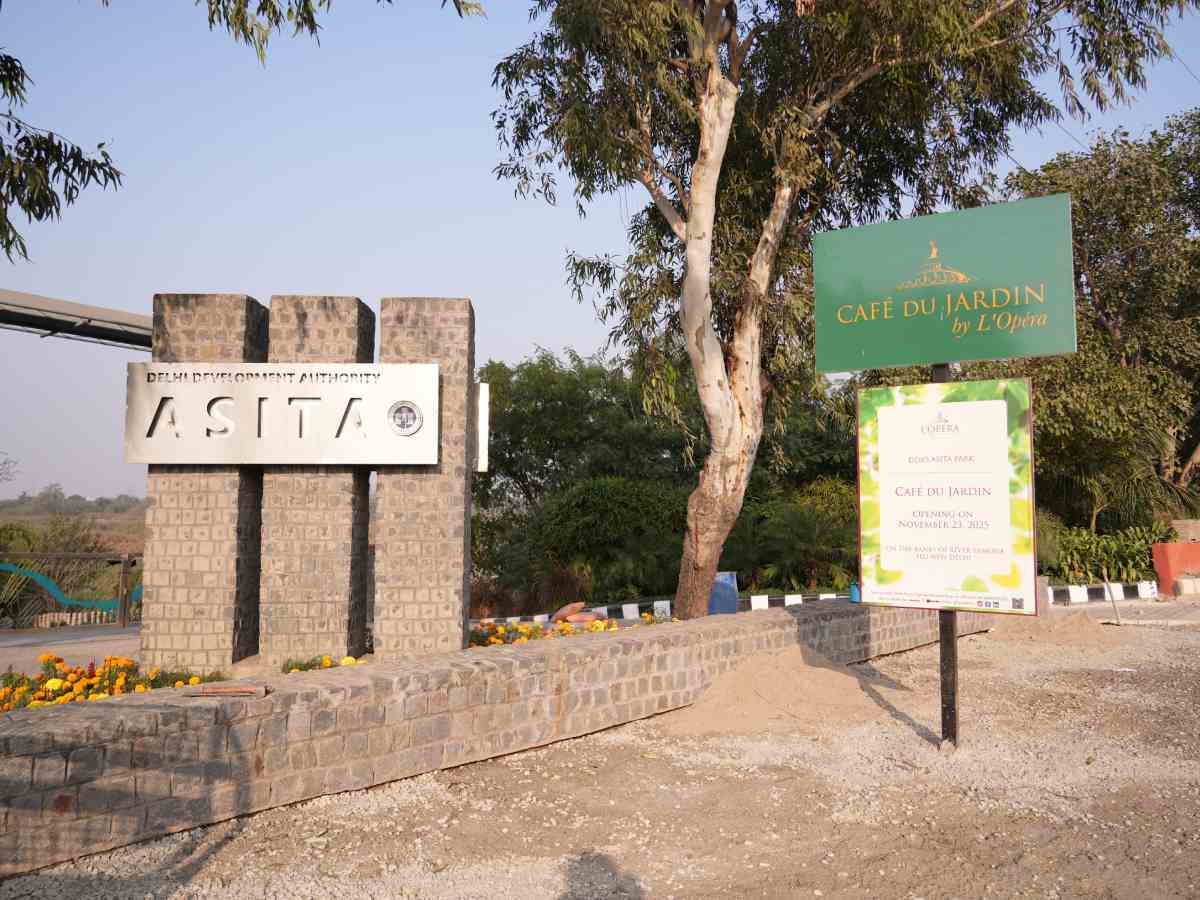
Nature at the centre
Once a neglected, polluted stretch, Asita has undergone one of Delhi’s most significant ecological transformations. Today, it features millions of native grasses and trees, restored wetlands and nearly 200 species of migratory birds, making it an urban biodiversity hotspot.
The café’s biodegradable structure sits lightly on the land, offering panoramic views of restored grasslands and wetlands. Golf-cart access and eco-sensitive design make the experience comfortable while keeping the ecological footprint minimal.
In the coming months, Asita Park will launch Delhi’s first hot-air balloon experience, offering aerial views of the rejuvenated floodplain — yet another way of encouraging residents to rediscover the Yamuna.
Guests at the inauguration enjoyed a guided ecological walk through the wetlands, followed by a French-style outdoor brunch at Café du Jardin. Many described it as “Delhi’s new riverside haven”, praising its harmony of natural serenity, community life and French café elegance.
New direction for a familiar name
Founded in 2008, L’Opéra is India’s leading French pastry and bakery house, known for its unwavering commitment to excellence and traditional French savoir-faire. Conceived by Laurent Samandari and led by Dr Kazem Samandari and Dr Christine Samandari, the brand operates through three formats: its classic pâtisserie and boulangerie boutiques, its upscale Le Café concept and now Café du Jardin, its first nature-driven outdoor dining experience.
For L’Opéra, this new café marks a shift toward spaces rooted in nature. But for Delhi, it may be something larger — a sign that the city is finally beginning to turn back toward the river it abandoned for decades.
On a winter afternoon, under soft light and over plates of croissants, Delhi seems to have found a new way to meet the Yamuna again.