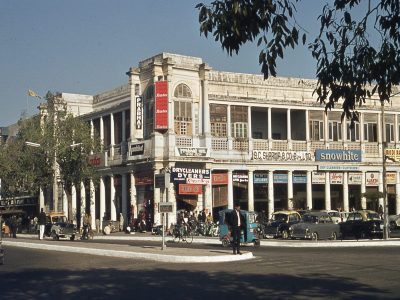
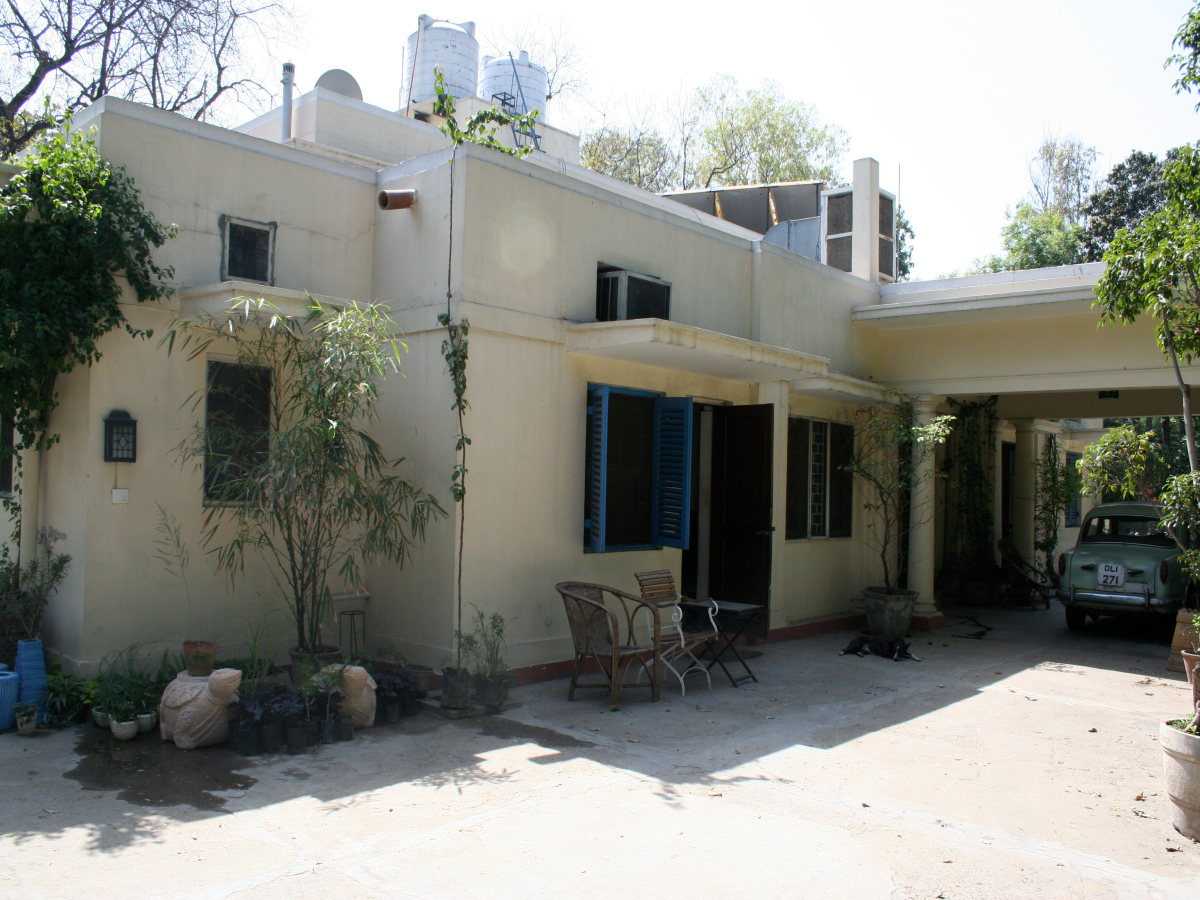
Far from Delhi’s dusty roads, evenings in Lutyens’ Zone can feel like another world. When golden light falls on tall neem, banyan and jamun trees, time seems to pause among dense avenues and high walls. These large bungalows are not just houses; they are remnants of a past era and a living link between British rule and independent India.
These homes are in the news again. An RTI reply shows that the government spent Rs 92.35 crore on the repair and upkeep of ministers’ residences in 2025-26, compared with Rs 27.47 crore in 2014-15 — more than three times as much. Between 2014 and 2026, the total expenditure was about Rs 547.68 crore, or an average of Rs 1.20 crore per minister.
An imperial inheritance
The bungalows were built during the British period. Work to make New Delhi the Capital began in 1912 and continued until 1930, when the new imperial capital took shape. The Lutyens Bungalow Zone grew out of this project, with large homes built for senior British officials. After Independence, they were allotted to senior officers, ministers, MPs, judges and military officials. That practice continues today.
The zone is named after Edwin Lutyens, the chief architect of New Delhi. In reality, he designed only some of the bungalows, particularly those in the President’s Estate. Many of the government residences were built under Robert Tor Russell, who was part of Lutyens’ team. The typical bungalow has a large garden and compound, with the main house accompanied by separate staff quarters.
Most of these are Type-VIII houses, with plots ranging from one to three acres, although some are larger. A comparable private residence could command a monthly rent of Rs 18 lakh to Rs 25 lakh. Ministers, by contrast, are allotted these homes at a token rent.
The bungalows are nearly a century old, and maintaining them is not inexpensive. Damp, termites, ageing wiring and leaking pipes are common, while some structures have weakened over time. Inflation has also pushed up the cost of materials and repairs. CPWD is responsible for the upkeep.
“The houses are nearly 100 years old. Damp, termites, old wiring and leaking pipes are common. Some structures have grown weak. Inflation pushes costs up. CPWD does the repairs. Changing tiles, fitting fans and lights, and garden work all add to the bill,” says an official of the CPWD’s Kushak Marg office.
Heritage comes at a cost
Is such spending justified? There is a case for preserving these homes. They are part of Delhi’s architectural heritage and give Lutyens’ Delhi its distinctive character of green roads and open spaces. But there is also a question that taxpayers are entitled to ask: how much should be spent on maintaining such large residences for so few people when the same money could be used for schools, hospitals and roads?
Some experts have proposed replacing the low-rise bungalows with high-rise buildings to make better use of valuable land, but heritage advocates oppose such changes.
The government’s side also deserves consideration. Ministers have demanding responsibilities, and security requirements are necessary. But there must be transparency. Annual accounts should be made public, with details of major works and their costs. Unnecessary decoration should be avoided.
“Some reforms are possible. Modern materials can make repairs cheaper and longer lasting. A few bungalows can become museums or offices. New homes can be smaller and energy-saving. Heritage can stay, but the bill must be controlled,” says South Delhi-based architect Ujjwal Updhaye.
BR Ambedkar provides a striking counterexample to the attachment to official residences. On September 27, 1951, he resigned from Nehru’s Cabinet after a disagreement over the Hindu Code Bill. The next day, he moved to 26 Alipur Road, now in Civil Lines, where he lived until the end of his life.
The pull of Lutyens’ Delhi
Leaving a Lutyens’ bungalow is not always easy. Even in Delhi’s harsh summer, a cool breeze moves through this 26-kilometre green belt. Tamarind, amaltas, jamun and banyan are among its characteristic trees. Jamun lines Safdarjung Road, Sunehri Bagh, Rajaji Marg, Kushak Road, Thyagaraj Marg and Motilal Nehru Marg. Tamarind stands on Akbar Road, Teen Murti Marg, Baba Kharak Singh Marg, Tilak Marg and Ferozeshah Road, while neem lines Prithviraj Road, Aurangzeb Road, Tees January Marg and Krishna Menon Marg.
The bungalows may be about a century old, but the questions surrounding them are not. If the cost of maintaining them continues to rise, the debate over their upkeep will only become sharper. Heritage deserves to be preserved, but so does the principle of responsible public spending.
Read More: The changing face of ITO