Cinema Halls: Before streaming platforms, before multiplexes and weekend blockbusters, Delhi’s cinemas were worlds in themselves. People didn’t just watch films—they lined up for hours, argued over dialogues, bought tickets in black, and returned again and again for the sheer joy of the experience. These early halls were places of wonder, aspiration, and escape. Today, as single-screen cinemas rapidly vanish from the urban landscape, looking back at the city’s earliest movie theatres feels like opening a forgotten photo album.
Among those who have preserved this history is Ravindra Kumar, a former Indian Railway Service officer and dedicated film historian. In his latest book Indian Film Industry Interesting Facts, he carefully documents Delhi’s first ten cinema halls—names once lit in neon, now fading into memory.
Also read: The Hakim behind summer favourite: Rooh Afza
The first ten
The story begins in 1930, with the opening of Novelty cinema near Delhi Junction. Known then as Elphinstone, it was owned by Lala Jagat Narayan, a prominent figure from the Khatri community of Delhi-6. More than just a theatre, Novelty was Delhi’s first modern cinema hall. Today, not even a trace remains.
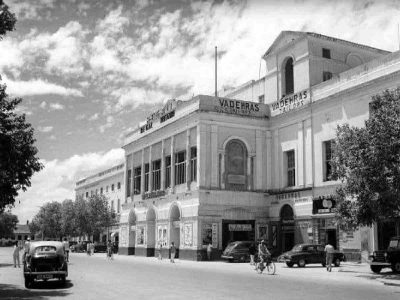
Then came Regal in Connaught Place in 1932, followed by Plaza in 1933 and Rivoli in 1934—each becoming a part of the city’s cinematic map. Ritz opened in Kashmiri Gate in 1937. In Old Delhi, Excelsior (Lal Kuan) launched in 1938 and Moti (Chandni Chowk) followed in 1939. That same year, Jagat cinema—also under Lala Jagat Narayan—began screening films; its ruins can still be seen on the walk from Daryaganj to Jama Masjid. Race Course cinema (near what would later be the Ashok Hotel) and Odeon in Connaught Place completed the list of the original ten by the end of the decade.
Race Course reels and black market deals
Among these ten, some are now no more than a whisper. Race Course cinema is one such example. Closed by the late 1990s, it lives on in memories like that of author and film buff Bhaskar Rammurthy. “We friends from INA and Laxmi Bai Nagar used to cycle to Race Course to watch movies,” he recalls. “In the 60s, 70s, and 80s, buying tickets in ‘black’ from touts was a regular feature. This was mainly due to the limited seating capacity of single screens and the huge demand for tickets, especially during the opening weeks of major Hindi films.”
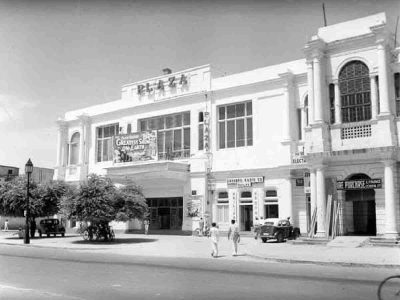
But Race Course wasn’t alone. Connaught Place had its own thriving black market. “At Rivoli, Regal, Odeon, and Plaza too, these operators thrived,” Rammurthy adds. “At Rivoli, there was a handsome guy with curly hair, often in theatre uniform, who’d discreetly gesture interested customers into the lane beside Mohan Singh Place to strike deals. At Odeon, the burly Billa was the kingpin, reportedly cornering over half the tickets for big releases and selling them at hefty premiums.”
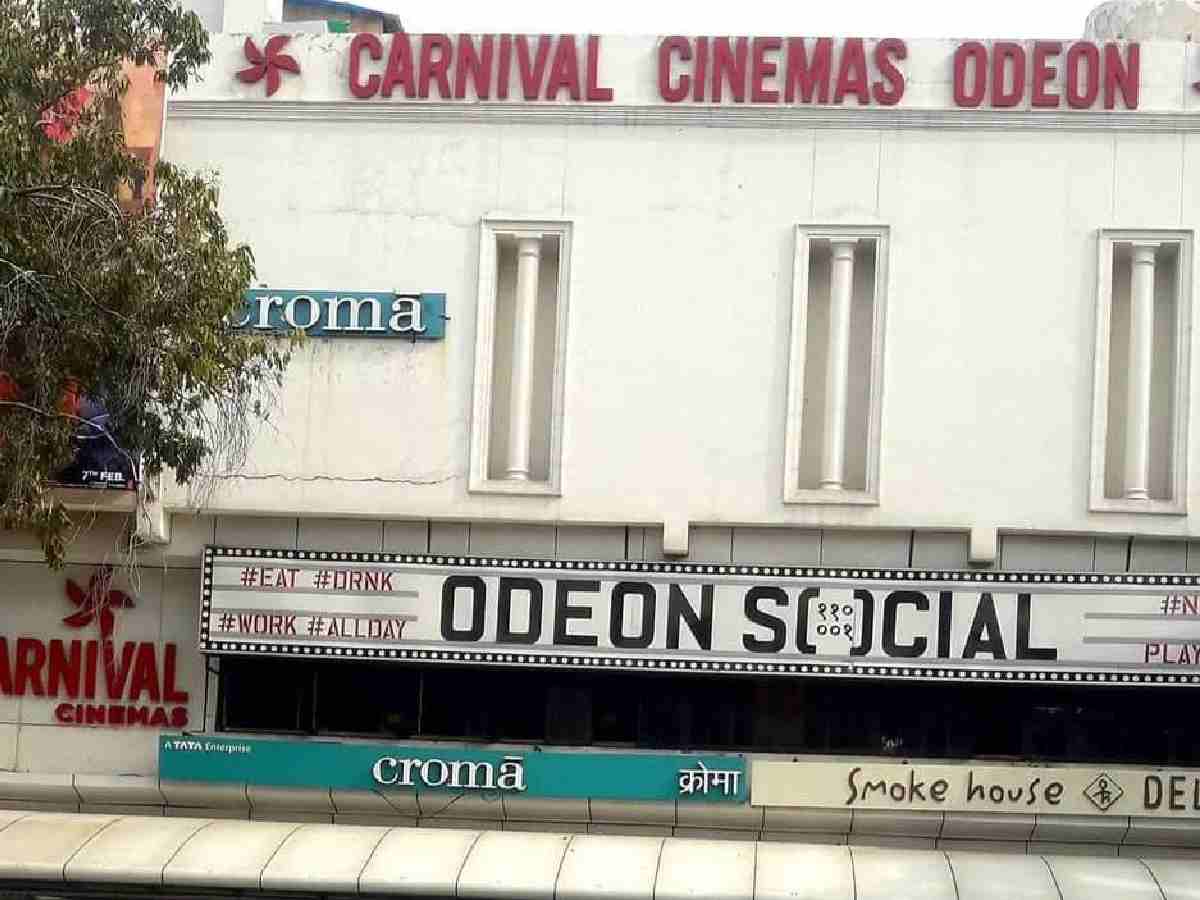
Today, of those first ten halls, only Plaza, Regal, and Odeon still function—but none retain their single-screen format. They have adapted to the multiplex era, their identities reshaped by the demands of modern entertainment.
Odeon: Dev Anand’s lucky charm
One name among them evokes particularly fond memories for Ravindra Kumar: Odeon. Opened in 1939, it was Delhi’s first air-conditioned cinema hall and the second (after Sheela) to offer a 70mm screen. For superstar Dev Anand, Odeon seemed to bring luck. Films like Hum Dono, Jewel Thief, Guide, Paying Guest, Munimji, and Kala Pani enjoyed long, successful runs here.
Initially, Odeon screened mostly Hollywood films. But things changed after Independence. “The Ishardas Sahni family, who migrated from Rawalpindi, took Odeon on lease in 1951,” writes author and journalist Ziya Us Salam in Delhi: 4 Shows. “The Sahnis already had experience running cinemas in Rawalpindi and Peshawar.” Under their care, Odeon embraced Hindi cinema. Naya Daur, Navrang, Jhanak Jhanak Payal Baaje, and Kohinoor drew packed houses.
Its central location helped. For decades, auto-rickshaws (“phatphatiyas”) and horse-drawn carts (“tangas”) brought eager filmgoers from Old Delhi directly to Odeon’s doors—until traffic restrictions came into effect near Minto Bridge in the late 1970s.
Excelsior: Where legends played and audiences roared
In the heart of Lal Kuan stands what remains of Excelsior. Once alive with sound and colour, today it is a shell of itself—yet filled with memories.
It was here that Mughal-e-Azam opened in Delhi. Surprisingly, the film got a lukewarm response in its first week. This was unusual, as Old Delhi had long adored Dilip Kumar, who typically promoted his films heavily in the city. But he was conspicuously absent this time. Fans waited outside the theatre daily, hoping for a glimpse. He never arrived. In his autobiography The Substance and the Shadow, the megastar later revealed that his relationship with director K Asif had deteriorated after Asif married his sister Akhtar without informing him.
Excelsior was also where Delhi welcomed Pakeezah. “Long queues formed for tickets,” says Mohammad Taki, a film enthusiast and Delhi-6 resident. “People waiting would debate the film’s immortal dialogues, engaging in meaningful discussions even before seeing it.” Released on February 3, 1972, after a difficult production journey, Pakeezah became a cultural milestone. Meena Kumari’s death just weeks later, on March 31, transformed every screening into a tribute. Delhiites came in droves to see her final, unforgettable performance.
Excelsior had another side too—full of action, adrenaline, and audience involvement. Dara Singh’s B-grade action films were favourites: Veer Bhimsen, Tarzan Comes to Delhi, Sikandar-e-Azam, King Kong, Sangdil, Rustam-e-Hind. Audiences didn’t just watch—they responded. When Singh chased down a villain on horseback, the crowd roared in support. The theatre wasn’t just a place to view the hero—it was a place to become part of his journey. A cry often heard during these screenings, shouted with gleeful abandon, was: “Abe tera baap aa raha hai peeche!” (Watch out, your father’s right behind you!). That line, half-joke and half-cheer, reflected the joyous participation that made moviegoing a collective ritual. In those moments, the boundary between screen and seat disappeared.
Later, Excelsior would become the unofficial home of Mithun Chakraborty’s rise—Disco Dancer, Suraksha, Saahas, Vardaat, Agneepath—films that celebrated a distinctly desi hero for a new generation.
Also read: Lodhi Colony at 80: Where nostalgia lives in brick and paint
Novelty, Regal, Moti: Grand releases and final curtains
Novelty, where it all began, hosted some of Hindi cinema’s biggest titles. It screened Mughal-e-Azam (though reportedly removed after just six weeks) and Sholay, films now embedded in cultural history.
Raj Kapoor, meanwhile, preferred Regal or Moti for his R K Banner launches. Sangam, Mera Naam Joker, Satyam Shivam Sundaram, Boot Polish, Jis Desh Mein Ganga Behti Hai—all premiered at these grand venues.
Regal, which had also staged plays by Prithviraj Kapoor in its early years, finally closed in 2017. Moti followed not long after. As their lights dimmed, Delhi bid farewell to more than just old buildings—it lost the communal experience of filmgoing as generations knew it.