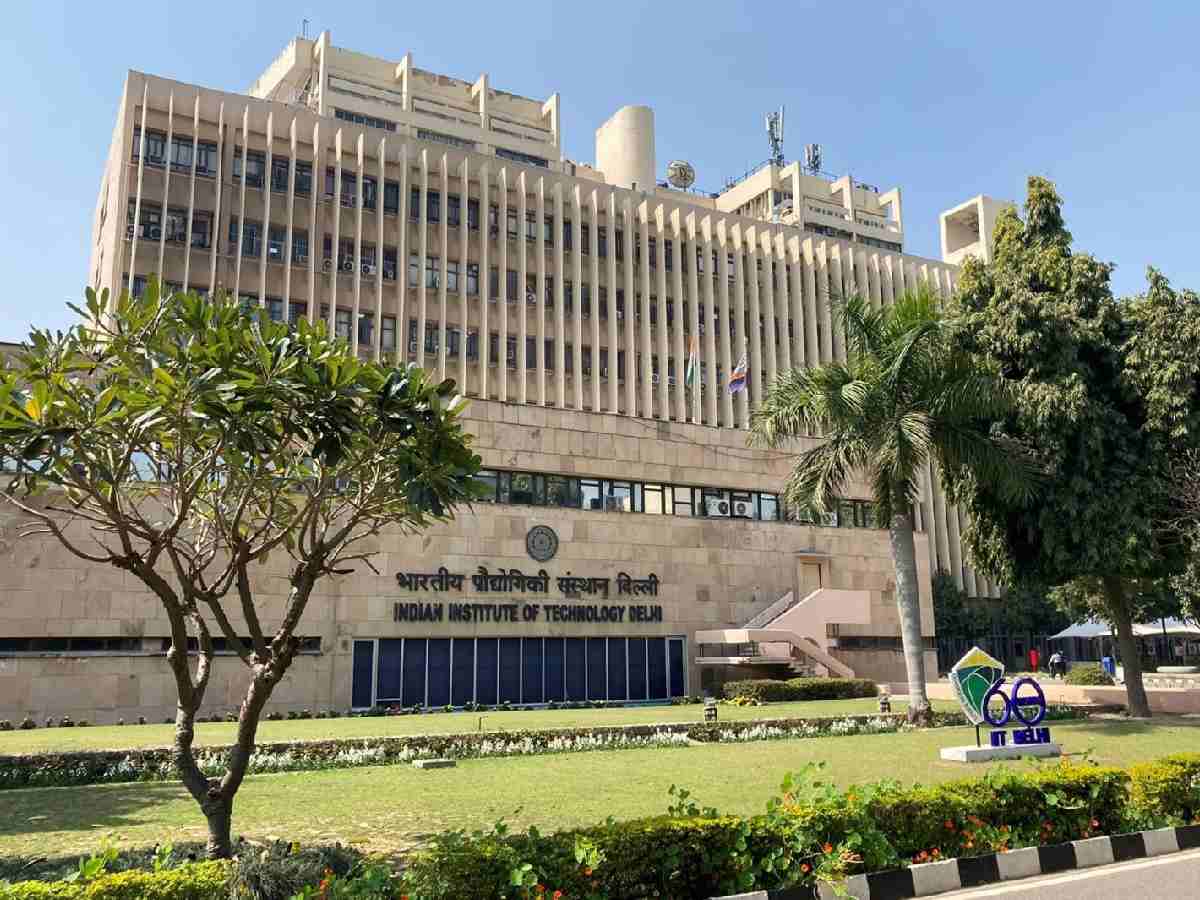
An anonymous post on Reddit recently alleged that several students at the Indian Institute of Technology (IIT) Delhi fell ill after consuming food served in the hostel mess. The institute, however, has refuted the allegation, asserting that the students had ingested sweets procured from an “outside vendor” and subsequently developed symptoms of food poisoning.
In an official statement, IIT Delhi acknowledged that one examination had been deferred due to a gastro-related outbreak.
According to the viral Reddit post, allegedly authored by a student, numerous residents of a boys’ hostel began experiencing symptoms after eating litti chokha served in the mess. The affected individuals reportedly suffered from diarrhoea, fever, vomiting, and other gastrointestinal complications.
“Last night our hostel served litti chokha in the mess, and everyone ate it,” the post stated. “Fast forward to this morning—boom—people are literally dropping like flies. Vomiting, diarrhoea, fever, shivering…”
The author went on to question the source of contamination. “Nobody knows what was contaminated—the food? the water? both? The whole hostel turned into a patient ward overnight,” the post read, adding that while many students were treated at the campus hospital, some required transfer by ambulance to the nearby Max Hospital.
The post concluded with a sharp rebuke of the institute’s food safety practices. “This is honestly shameful. We pay for this mess food, don’t even have the option to opt out, and this is what we get? Absolute joke. IIT Delhi, this is peak embarrassment.”
In response, IIT Delhi clarified that the affected students had consumed sweets from an external source. “Some of the students residing in a boys’ hostel at IIT Delhi visited the Institute hospital with symptoms such as nausea, fever, and stomach ache,” the statement noted. “As informed by some of the students to the medical staff, they experienced these symptoms after eating sweets that had been procured from an outside vendor.”
The institute further stated that all affected students were treated at the campus hospital and that most had since been discharged. “All students are now stable,” it added.
Administrative action and revised schedule
“The Institute administration is providing all necessary support to the students to ensure their physical well-being. The end-semester examinations were originally scheduled from April 30 to May 7, 2025. Due to the health issues faced by some students, the examination on April 30 has been rescheduled to May 8, 2025. All other exams will proceed as planned,” the statement said.
Despite the clarification, several students maintain that food poisoning incidents at the institute are not new. According to them, isolated cases have occurred across multiple hostels, often resulting in crowded infirmaries.
Some students said they have had to rely on prescription medication to digest food served at the hostel mess, while others have stopped eating mess meals altogether. IIT Delhi’s boys’ hostels include Aravali, Girnar, Jwalamukhi, Karakoram, Kumaon, Nilgiri, Shivalik, Satpura, Udaigiri, Vindhyachal, and Zanskar. In addition, Dronagiri and a two-storey Saptagiri hostel are reserved for postgraduate (including PhD) students and not applicable to five-year UG+PG programmes. Hostels for female students include Kailash, Himadri, Sahyadri (PG/PhD only), a five-storey Saptagiri (PG/PhD only), and Nalanda, which generally serves as transit accommodation—making a total of 13 boys’ and five girls’ hostels.
Also Read: Denied lunch, locked out of class: Delhi schools accused of punishing students over unpaid fees
“Some of us now skip mess food entirely and order from outside, which isn’t sustainable or affordable,” said a second-year BTech student, requesting anonymity. The student said they had been on antibiotics for three days following a suspected food poisoning incident in January. “We deserve better, considering the fact that this is the most premier IIT in the country.”
Persistent hygiene lapses
An IIT Delhi official, speaking on condition of anonymity, conceded that food safety had become a matter of concern but insisted that the administration was actively addressing the issue. “We’re working with hostel wardens and mess contractors to address the issue,” the official said. “Surprise inspections have been introduced, vendors are being reviewed, and hygiene workshops are being organised for mess staff.”
However, many students believe that the interventions are insufficient. A resident of Aravali hostel alleged that neither the mess proprietors nor the administration maintained proper hygiene. “The state of mess facilities in IITs is absolutely appalling,” the student said. “There’s no guarantee that the ingredients being used are clean or safe to consume. Every couple of months, someone discovers a dead insect in their meal. One might be willing to tolerate bland food if hygiene were being prioritised—but sadly, neither is.”
He cited a recent instance involving the use of adulterated paneer in the hostel mess. “Despite such a serious lapse, the caterers were merely handed a small fine — and within a week, it was back to the same unacceptable standards,” the student said.
Concerns over drinking water quality
In addition to concerns about food, the quality of drinking water has also come under scrutiny. One student claimed that hostel authorities had been using water geysers to heat drinking water—an unsafe practice that led to the presence of heavy metals, according to an internal inspection.
“In our hostel, they were reportedly using water geysers to heat drinking water — a completely inappropriate and unsafe method, according to internal committee sources,” the student said.
“Traces of heavy metals were later found in the hot drinking water. Shockingly, the warden instructed the staff not to inform students, fearing it might ‘cause panic’, and simply ordered the hot water supply to be shut off instead. Time and again, serious incidents like these are swept under the rug. There is no accountability, no proper action — just a persistent attitude of brushing off health risks as if they were minor inconveniences.”
Escalating mess fees, stagnant standards
In April 2023, over 400 students assembled on campus to protest what they described as an arbitrary hike in mess charges. The administration had raised fees from Rs 20,000 to over Rs 35,000 per semester. According to the 2025–26 prospectus, the current mess fee stands at Rs 36,000.
Despite the increase, students say the quality of food and hygiene standards have not improved.
With a new academic year set to commence in July, students are urging the administration to treat the issue as a priority. As one handwritten note on a hostel noticeboard bluntly states: “We came here to build the future. Not to survive the mess.”