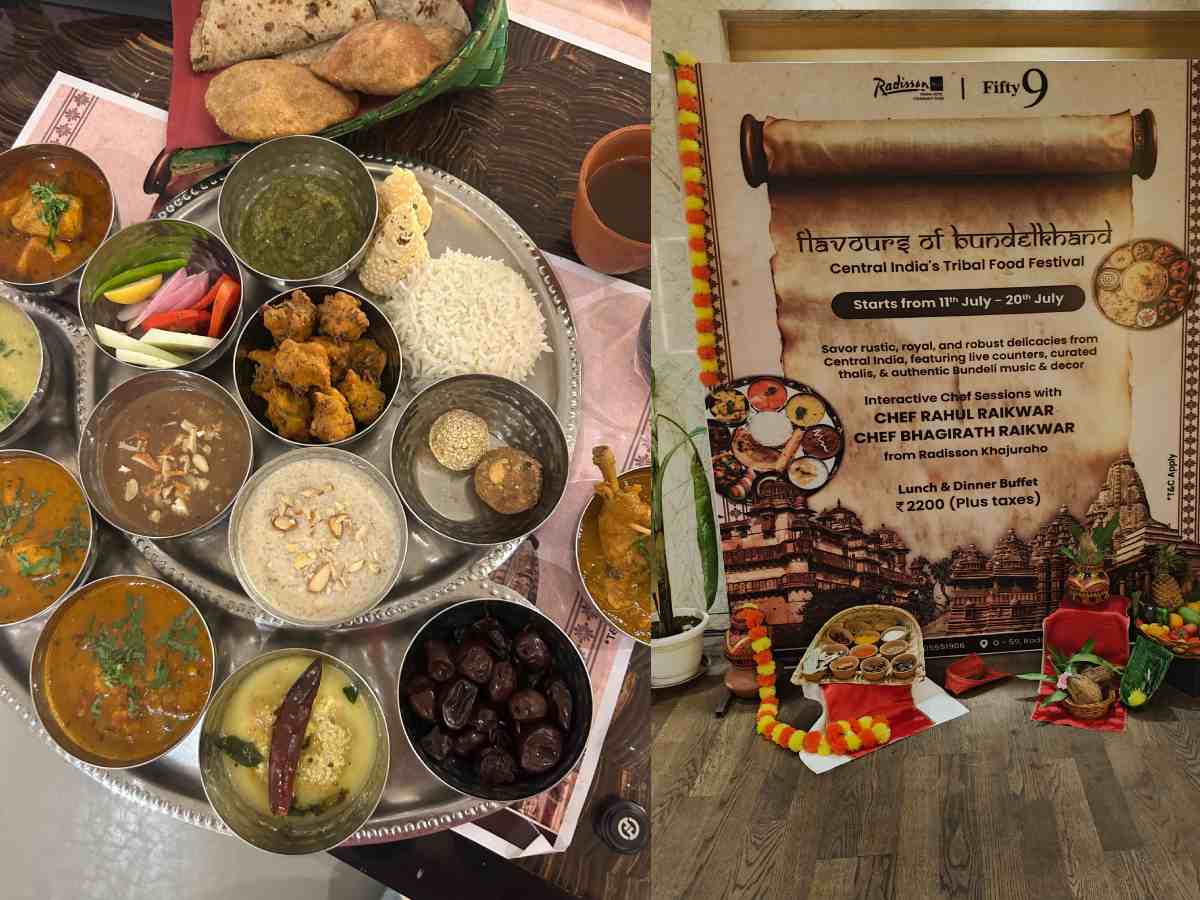
Curated by guest chefs from Radisson Khajuraho, the festival introduces tribal food traditions to an urban audience. For many Delhiites used to fusion menus and pan-Asian comfort food, the dishes here are rooted in memory, community, and seasonality.
Sudhanshu Yadav, General Manager at Radisson Blu Marina, underscores the emotional and seasonal resonance of the cuisine. “The Bundelkhand Food Festival is more than just a culinary event; it’s a celebration of our region’s rich heritage and traditions. Through every dish, we aim to tell a story of our ancestors, our land, and our culture,” he says. “As the first monsoon rains grace Delhi, Bundeli cuisine shines as the perfect companion — gentle and comforting. These traditional dishes are crafted to be light and nourishing — just what Delhiites need during the rainy spell. Each bite is a celebration of seasonal wellness, nourishing both body and soul.”
 “This idea came to life around the tribal New Year,” says Puneet Maurya, Food and Beverage Manager. Bundelkhand, he adds, is one of India’s largest tribal regions, yet its culinary heritage is rarely explored in Delhi. “So we brought down two chefs who’ve been doing this for years and deeply understand the culture behind the food.”
Executive Chef Sarbjeet Singh calls the festival both revival and revelation. “We’ve brought food from the heart of India to the heart of Delhi,” he says. Many of these recipes had disappeared or been forgotten. “By inviting chefs from Bundelkhand and launching this festival, we’re helping people rediscover tribal dishes — not just the taste, but the story and soul behind them.”
Singh believes India’s culinary diversity is underrepresented in hotel kitchens. “What is food, really?” he asks. “It’s history, geography, and emotion on a plate.” Customer feedback, he says, has been overwhelming, with many calling the food “delicious, unique, and beyond expectations”.
Meet the Raikwar brothers: Keepers of Bundeli tradition
The festival’s essence is brought alive by the Raikwar brothers — Bhagirath and Rahul — guest chefs from Radisson Khajuraho and lifelong custodians of Bundeli cuisine.
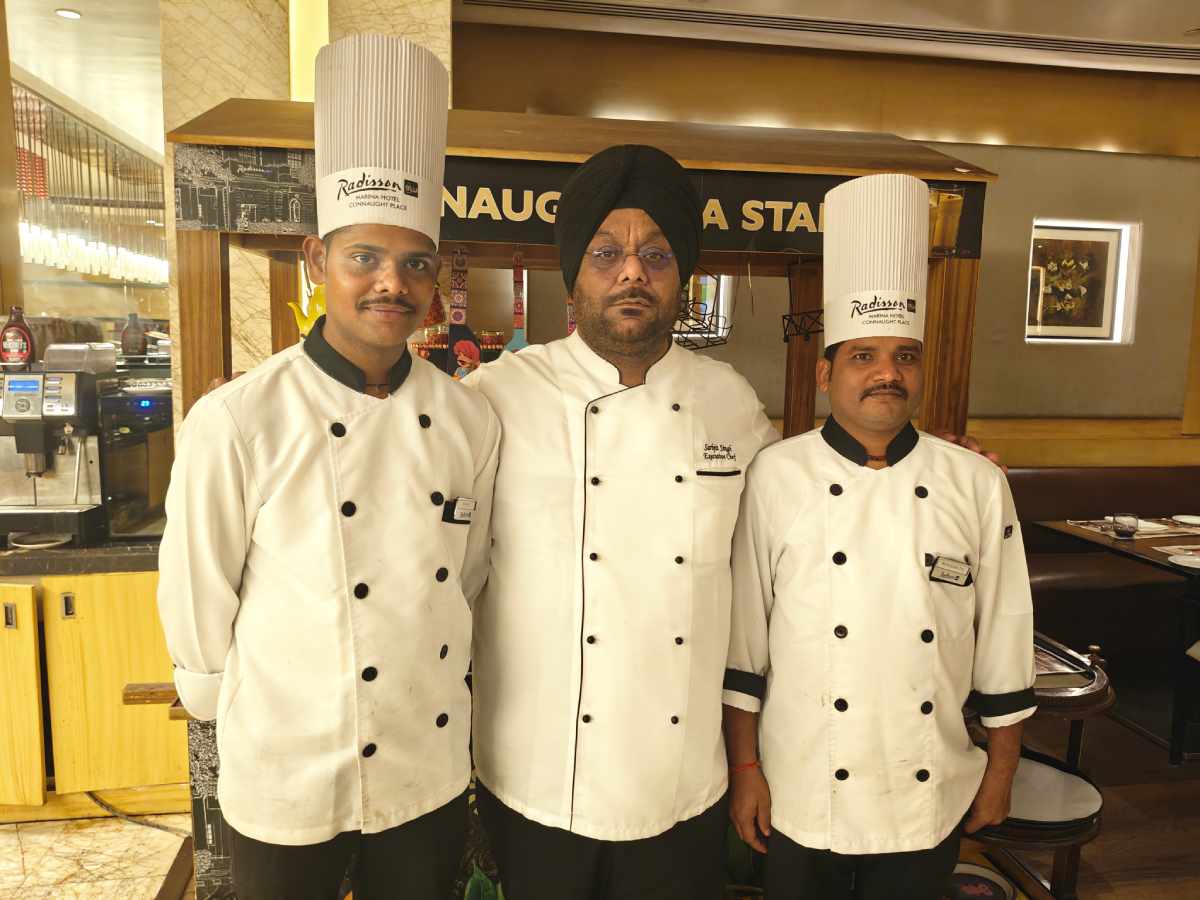
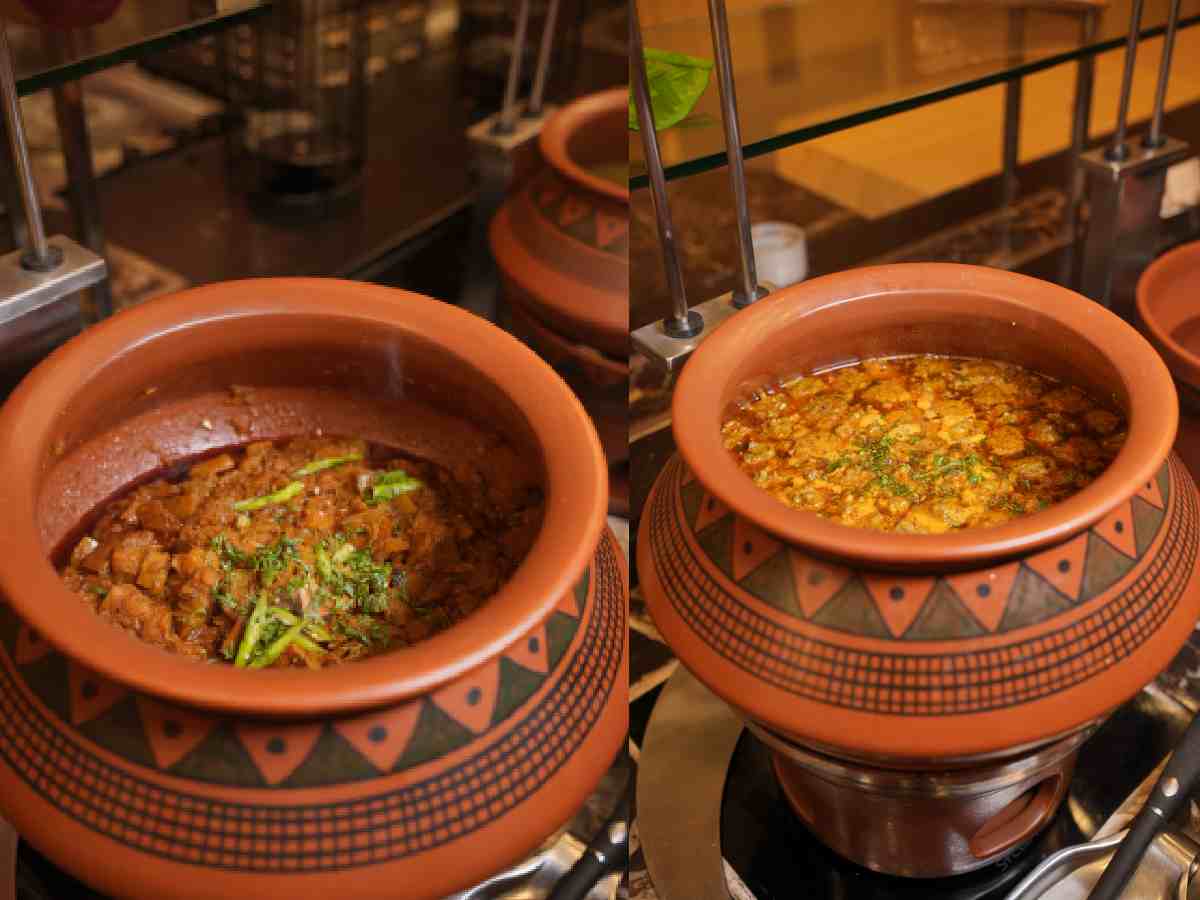
“Our food is a mixture of both Uttar Pradesh and Madhya Pradesh,” says Chef Bhagirath Raikwar. “We use clay vessels, and the response has been wonderful. People are tasting these dishes for the first time. Many said they haven’t seen this kind of food anywhere else.”
Bhagirath learned cooking in Bundelkhand’s villages from his grandmother and mother. With 15 years of professional experience, he still leans into the slow-cooked, earthy styles of his childhood — hearty lentils, foraged greens, and heritage curries.
His younger brother, Chef Rahul Raikwar, trained at FCI Khajuraho and has worked on international events, including the G20, where he served Indian cuisine to global dignitaries. But his heart remains in Bundelkhand. “Bundeli food starts from there — Bundeli chicken curry, urda dal, chawal ki khichdi, mangodi sabzi, charai ki bhaji. Even soups like palki shorba and snacks like matha ki pakodi have cultural roots that go generations deep,” he says.
A menu rooted in memory
Despite their simple ingredients, the dishes are layered with flavour and significance. The chefs source spices carefully and cook using age-old techniques, sometimes replicating village methods like slow cooking in clay pots.
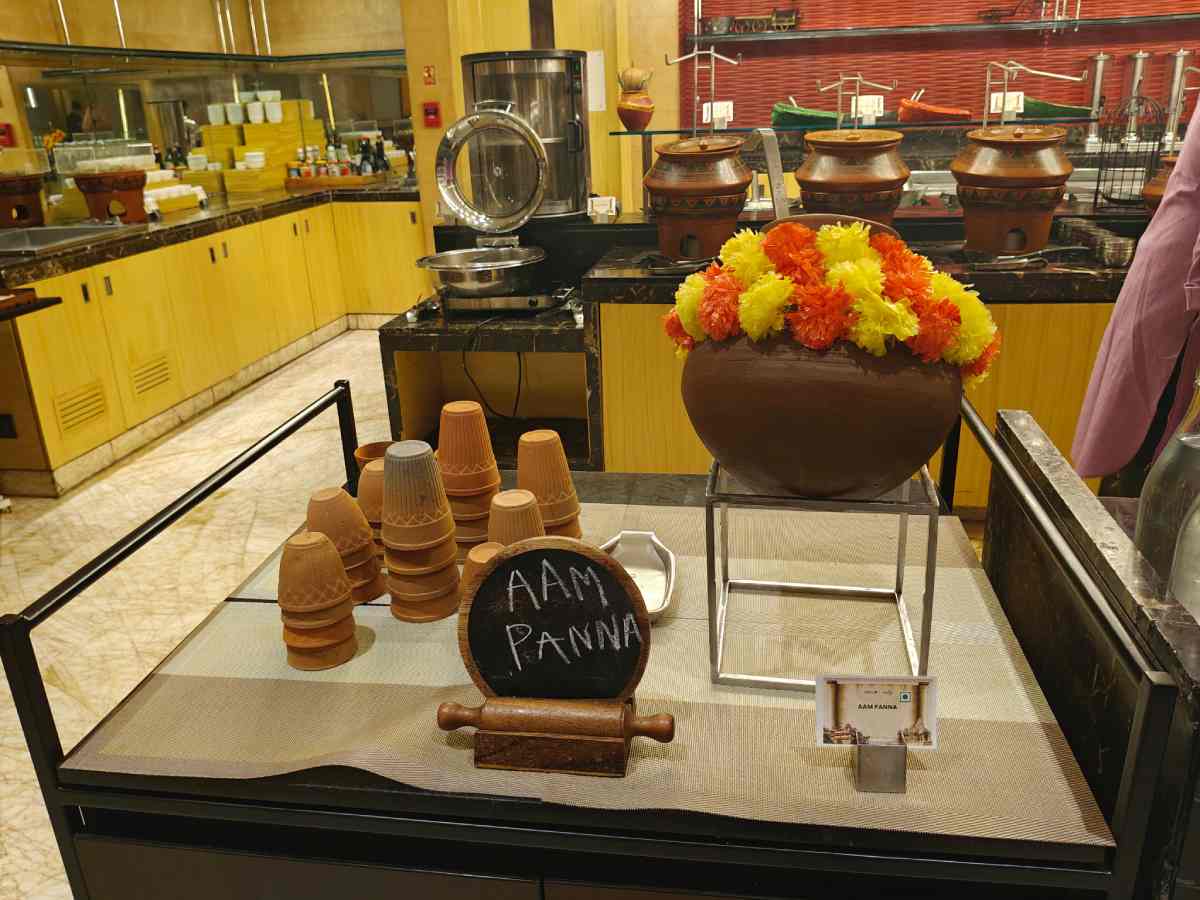 The menu celebrates these nuances — starters like bajre ki tikki, fish fry, and matha ki pakodi lead to mains such as Bundeli chicken jhol, magodi ki sabzi, orda dal, and rice khichdi. Salads like fruit chaat, jeera raita, and pasta salad balance tradition with contemporary tastes. Desserts such as lapsi and malida ke laddoo close the meal with a nostalgic sweetness.
A healthy twist for the monsoon season
“People often associate tribal food with the unfamiliar, but this cuisine is nutritious, seasonal, and very approachable,” notes Maurya. It is not overly spicy or oily, making it ideal for the monsoon season when health-conscious choices are on the rise.
Also Read: Delhi: A culinary odyssey through Asia
While weekdays have seen lower footfall due to the Sawan season’s dietary preferences — many Delhiites avoid non-vegetarian food during this time — weekends have been encouraging. “In the first three days, we sold more than 120 buffets,” Maurya says. “We’re expecting to cross 300 by the end of the festival. The turnout has really validated the idea.”
More than a meal: A cultural conversation
For the team behind Flavours of Bundelkhand, the real success lies beyond numbers. “This isn’t just about taste,” says Rahul. “It’s about taking people on a journey — through forests, across farmlands, into kitchens where stories and flavours are passed down like heirlooms.”
In a culinary landscape dominated by metropolitan flavours and global trends, Flavours of Bundelkhand offers a counterpoint — earthy, rooted, and richly Indian. For Delhi diners, it is more than a meal. It is a rediscovery.
Patriot was invited by Radisson Blu Marina for a visit, however, this is not a paid piece.