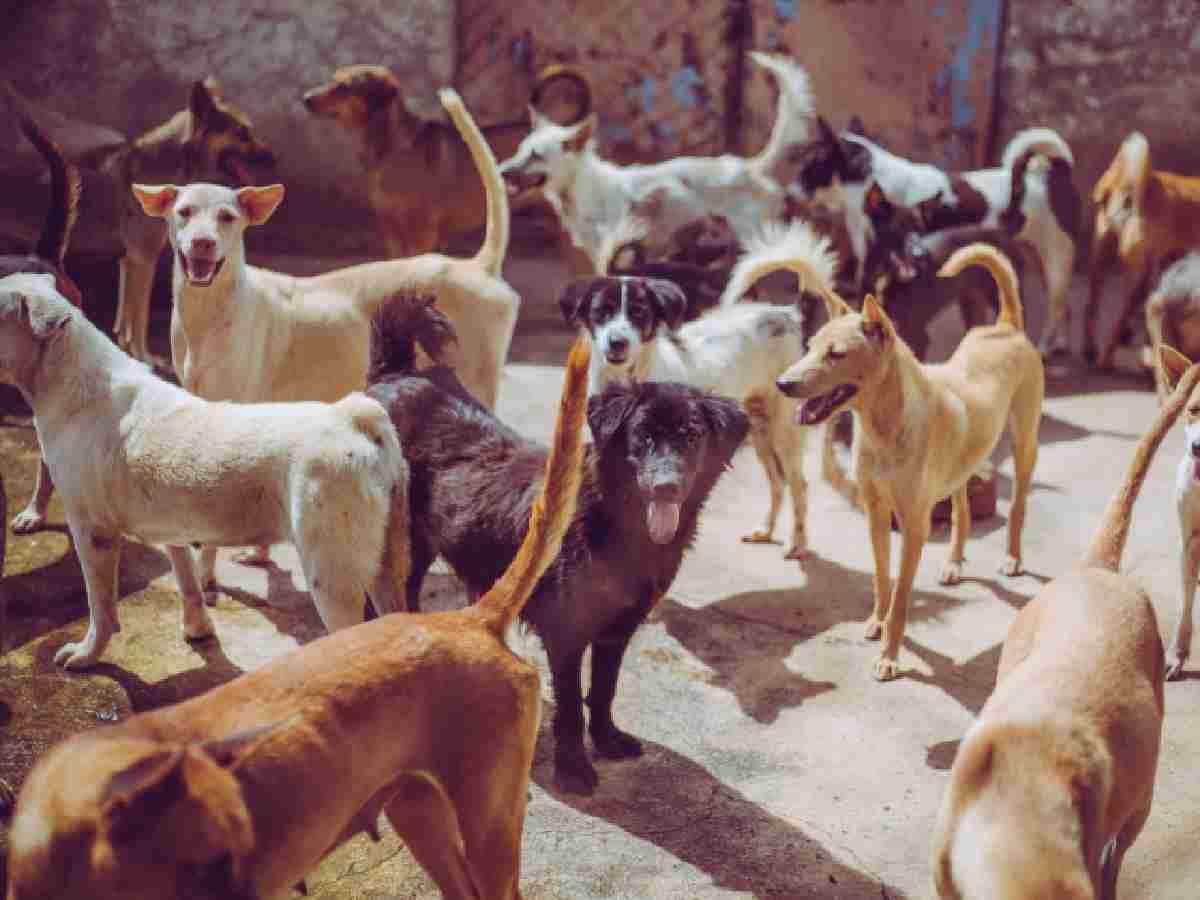
The Supreme Court’s recent directive to house all stray dogs in the national capital inside shelters has pushed Delhi’s Animal Birth Control (ABC) centres into unprecedented turmoil. What was meant as a welfare measure has, in practice, exposed the crumbling foundations of the city’s ABC’s infrastructure.
Across the city, ABC centres, run in partnership with the Municipal Corporation of Delhi (MCD), are collapsing under the weight of overcrowding, unpaid bills, collapsing facilities, and staff shortages.
Operators, veterinarians, and animal activists warn that the order could end up inflicting more suffering on dogs and paralysing the very sterilisation programme that was designed to bring the stray population under control.
“If dogs are to be kept permanently, we will simply have no space left for operations,” said Ayesha Christina Benn, Managing Trustee and CEO of Neighbourhood Woof. “This will undo decades of slow, difficult progress.”
A system at breaking point
The strain is visible across Delhi. At the Timarpur ABC centre, run by the NGO Neighbourhood Woof, kennel capacity is officially capped at 100–120 dogs, with another 50–60 accommodated outside. Today, every corner of the facility is overflowing.
“The total capacity has been breached,” admitted Benn. She explained that dogs brought in by the MCD from Red Fort ahead of Independence Day were still being kept there, as the civic body refused to release them back to their original locations.
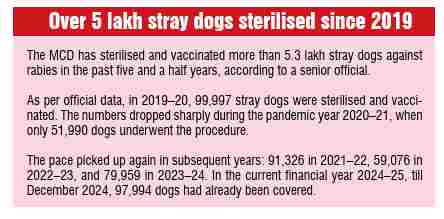
The centre, allotted 12,000 square feet by the MCD in 2016, has only 66 square feet dedicated to kennels. Despite this, workers manage to sterilise and vaccinate nearly 300 dogs each month before releasing them back to their territories — a practice now under threat.
Ongoing construction work at the facility has further shrunk usable space, leaving staff to juggle animals, surgeries, and chaos.
Collapse of infrastructure
The rot is not confined to Timarpur. Of the 20 ABC centres officially run in partnership with NGOs, only 13 are functional. A visit by Patriot found many under repair, dangerously understaffed, or stripped of essential veterinary equipment.
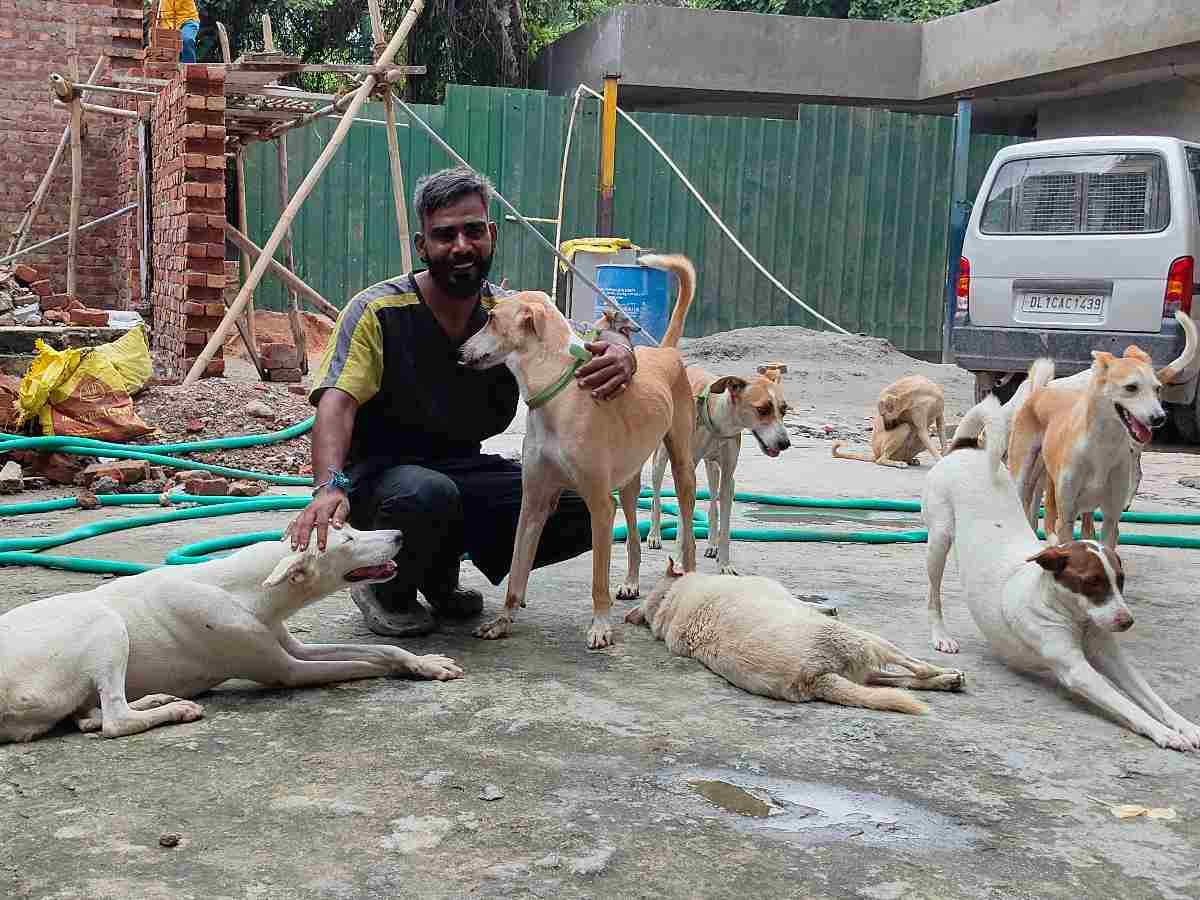
At Bela Road, the Yash Domestic ABC Centre has been closed since August 14. A staffer explained that sterilisation and vaccination had stopped entirely because the centre was filled to capacity. Bela Road is one of the only centres with a dedicated operation theatre, but even that remains unused due to lack of space.
At Jal Vihar Colony in Lajpat Nagar, disaster has literally struck from above. The Animal India Trust’s facility has been shut for two weeks after its roof collapsed. “No dog was hurt. We are rebuilding the damaged portion,” an official said, pointing to kennels now covered in plastic sheets.
But staff say the roof collapse reflects deeper neglect. One veterinary doctor noted that the MCD pays Rs 1,000 per dog, though the actual cost is around Rs 2,500. “Payments are delayed for at least three months or more. We pay salaries, electricity, food, medicines, and even repair costs. The MCD provided the infrastructure, yet when it collapses, we will be the ones footing the bill,” the doctor said.
Underfunding and delayed payments
The economics of Delhi’s ABC programme is at the heart of the crisis. Shelter operators describe the MCD’s reimbursement as “laughably low.”
“When the civic body brings a dog for sterilisation, it stays with us for at least four days,” explained a worker at Bela Road. “In that time, we operate, monitor recovery, provide medicines, and feed the animal. After that, we even release it back to the same location ourselves. The Rs 1,000 doesn’t even cover half the cost.”
With reimbursements arriving three to four months late, NGOs are forced to dip into donations and crowdfunding just to survive. Many staff members report going without salaries for months, while essential supplies are bought on credit.
“The civic body categorically denies our requests for infrastructure funds or medicines,” said Deepak Nagar, staff member at Timarpur ABC. “We have no choice but to beg private institutions or rely on crowdfunding. That’s the only reason many of these animals get treated at all.”
A death sentence for dogs?
Veterinarians are scathing about the Supreme Court’s directive. Dr Hargun Singh of Timarpur ABC called it “nothing less than a death sentence.”
He explained that housing sick dogs together with dozens of others would spread infection “like wildfire,” risking entire kennels being wiped out.
Singh pointed to guidelines by the Animal Welfare Board of India (AWBI), which clearly state that ABC centres are not permanent shelters. Their role is to sterilise, vaccinate, treat, and release dogs back to their original locations.
“Most kennels in Delhi don’t even meet AWBI’s size norms. Rabies isolation wards are almost non-existent. And repairs depend entirely on Corporate Social Responsibility donations,” Singh said. “Instead of strengthening sterilisation, the court order risks turning shelters into disease-ridden prisons.”
Workers on the edge
For staff tasked with handling the city’s dogs, the crisis is taking a personal toll. At Masoodpur, there is no resident veterinary doctor. Workers rely on a single NGO van for pickups, as MCD vans are “non-functional.”
“I was bitten during a pickup,” said one worker. “The dogs are terrified and aggressive. Sometimes wire nooses are the only option to capture them safely.”
Another Masoodpur staffer said that some dogs take months to recover. “Sometimes the community refuses to take them back. We have neither the space nor the money to keep them. The amount of money that we get doesn’t even pay for half of what’s needed.”
Activists warn of chaos
Animal rights organisation People for Ethical Treatment of Animals (PETA) India has criticised the idea of displacing community dogs from Delhi’s streets.
“Communities think of neighbourhood dogs as family, and the displacement and jailing of dogs is not scientific and has never worked,” said Dr Mini Aravindan, Senior Director of Veterinary Affairs at PETA India.
Citing a 2022–23 survey, she noted that Delhi has an estimated 10 lakh community dogs, of which less than half have been sterilised. Forcing their removal, she warned, would not only provoke backlash but also fail to control populations or reduce rabies cases.
Also Read: In Delhi’s shadows, Bengali migrants in Jai Hind Camp face eviction, power cuts, and stigma
“It is unfeasible to build enough shelters for 10 lakh dogs. Displacing them causes territorial fights, starvation, and suffering. In the end, dogs return to the same areas, especially as new litters continue to be born,” Dr Aravindan said.
PETA stressed that sterilisation remains the only sustainable solution and criticised the government for failing to scale up drives. “Had the Delhi government implemented an effective sterilisation programme, there would hardly be any dogs on the road today,” Dr Aravindan said.
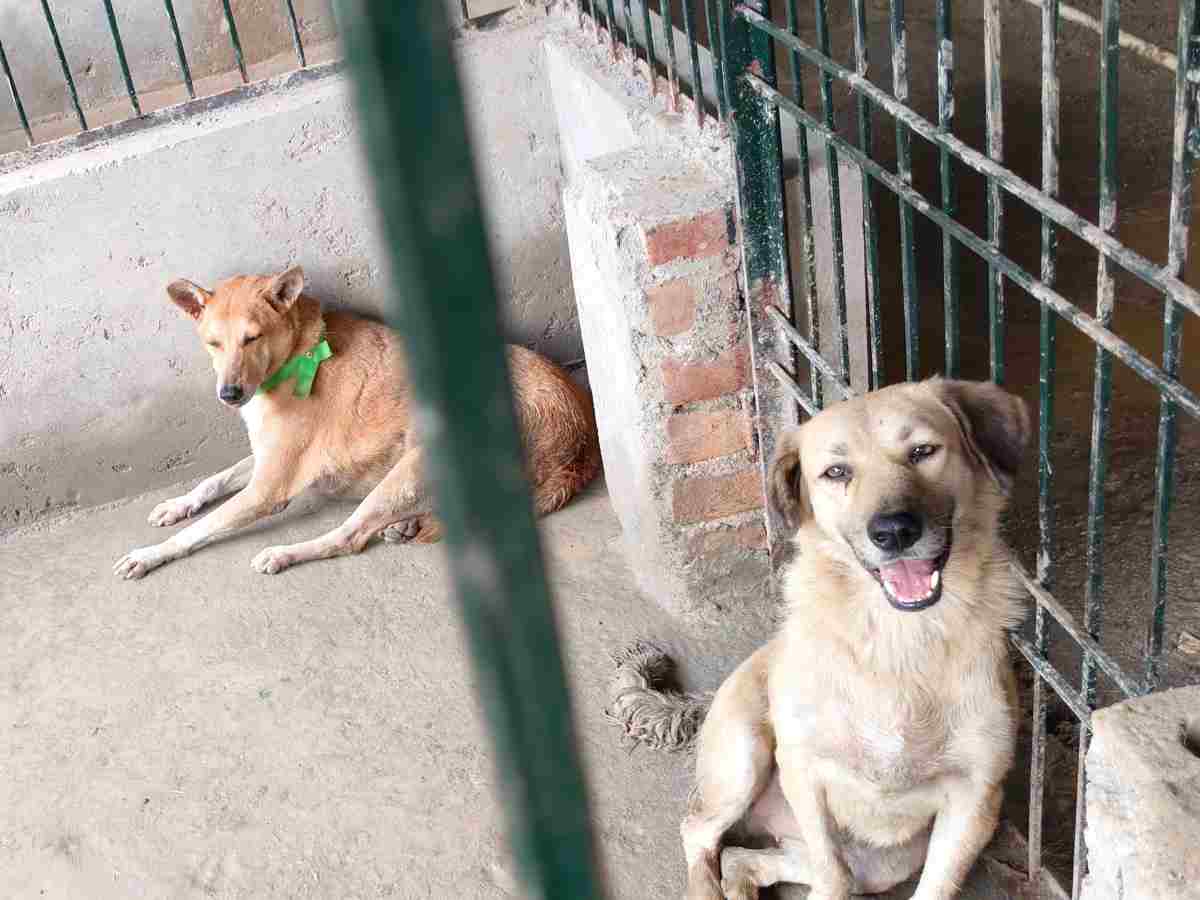
She also called for stricter action against illegal pet shops and breeders, and urged the public to adopt dogs from shelters or the streets.
MCD response
In the wake of the Supreme Court’s order, the MCD has begun mapping land parcels for new shelters. Officials said the corporation has vacant plots that could be used, with concrete plans expected soon.
The relocation process has already begun on a limited scale. “In phase one, we have caught around 150 aggressive dogs after identifying them and receiving complaints from resident welfare associations. At present, the existing Animal Birth Control centres can accommodate up to 2,000 dogs,” said an MCD official.
If the court directs permanent relocation, the civic body plans to set up a shelter on three acres of MCD land in Dwarka, capable of housing between 2,000 and 3,000 dogs. A larger phase is being considered for Ghogha village, where the MCD owns 82 acres. “In phase three, the majority of the city’s dogs could be moved to a shelter there,” the official said.
However, funding remains a major concern. “Permanent care means food, shelter, and medical treatment for thousands of animals. This will only be possible if we receive financial support from the Centre or the Delhi government,” the official added.