
A growing number of young Indian women want fertility to be treated as part of routine health care, a new survey has found. More than half of Gen Z women polled said fertility checks should be included in regular health tests, though awareness about reproductive health markers and options remains patchy.
The Fertility Awareness Survey: Gen Z Insights, conducted by Motherhood Hospitals and Nova IVF Fertility across metro and tier-1 cities, covered over 200 women between the ages of 23 and 30. The findings underline how India’s youngest working women are planning their reproductive choices — and where knowledge gaps persist.
Timelines and awareness
The study shows that 40% of respondents plan to attempt pregnancy between the ages of 28 and 32, with a quarter of them seeking clarity on fertility timelines and the risks of delaying childbirth. Yet 15–20% admitted they did not fully understand the concept of the “biological clock”. Nearly half said they rely on social media for reproductive health information.
AMH: the new BMI?
Anti-Müllerian Hormone (AMH), a blood marker that indicates ovarian egg reserves, has been dubbed “the new BMI” by specialists. While 35% of women surveyed were aware of AMH and 10% had undergone the test, two-thirds remained unfamiliar with it. Experts say this highlights the need to integrate fertility awareness into preventive health care.
Egg freezing conversations
Egg freezing, a procedure increasingly marketed to urban women, was familiar to 56% of respondents, but only one in ten said they would actively consider it. Many cited financial priorities, career goals, or not finding the right partner as reasons for postponing motherhood.
Also Read: Delhi: Doctors remove 18.5-kg fibroid from woman’s uterus
Doctors noted a rise in egg-freezing queries for “social reasons”, but warned that awareness of the right age to freeze eggs is limited.
Health conditions and lifestyle factors
The survey also pointed to broader challenges. Around 20% of respondents reported being diagnosed with conditions such as polycystic ovarian syndrome (PCOS), thyroid disorders or endometriosis, but most had not sought medical intervention.
Specialists emphasised that lifestyle factors — from fad diets and supplement use to processed foods, alcohol and smoking — also affect
fertility.

“Fertility health needs to be viewed the same way we look at heart health or mental health,” said Dr Sharvari Mundhe, consultant fertility specialist at Motherhood Hospitals, Bengaluru. She added that preventive care and awareness are crucial, and egg freezing should not be seen as a last-minute solution.
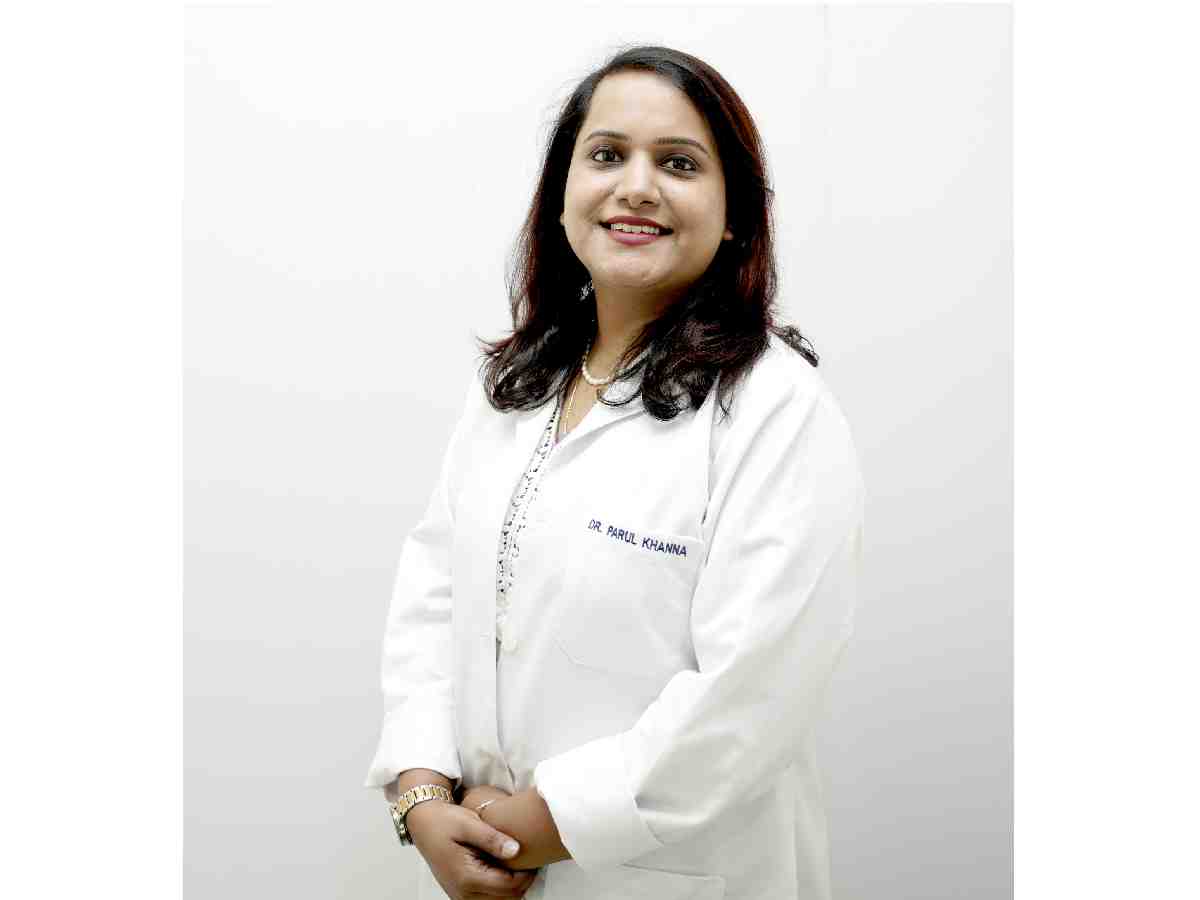
Dr Parul Gupta Khanna, fertility specialist at Nova Southend Fertility and IVF in New Delhi, highlighted that Ind
ian women face unique challenges. “Reports suggest Indian women’s ovaries age six years faster compared to Caucasian women. AMH decline is now being observed even in women in their late 20s. Fertility testing as part of routine health checks can help women make informed choices.”
Changing choices, falling rates
The survey also captured social trends. Eighteen percent of respondents said they had chosen not to have children, reflecting the growing acceptance of being childfree. Meanwhile, 27% of women said they were delaying parenthood due to financial concerns or lifestyle priorities, echoing the rise of dual-income-no-kids (DINK) households.
With India’s overall fertility rate continuing to decline, specialists say the findings carry implications beyond individual choices. They point to the need for policymakers and employers to consider fertility benefits and awareness campaigns as part of workplace health initiatives.
Though the survey focused on women, experts stressed that infertility is not gender-specific. Male infertility, they noted, is an equally significant factor in reproductive challenges among couples.