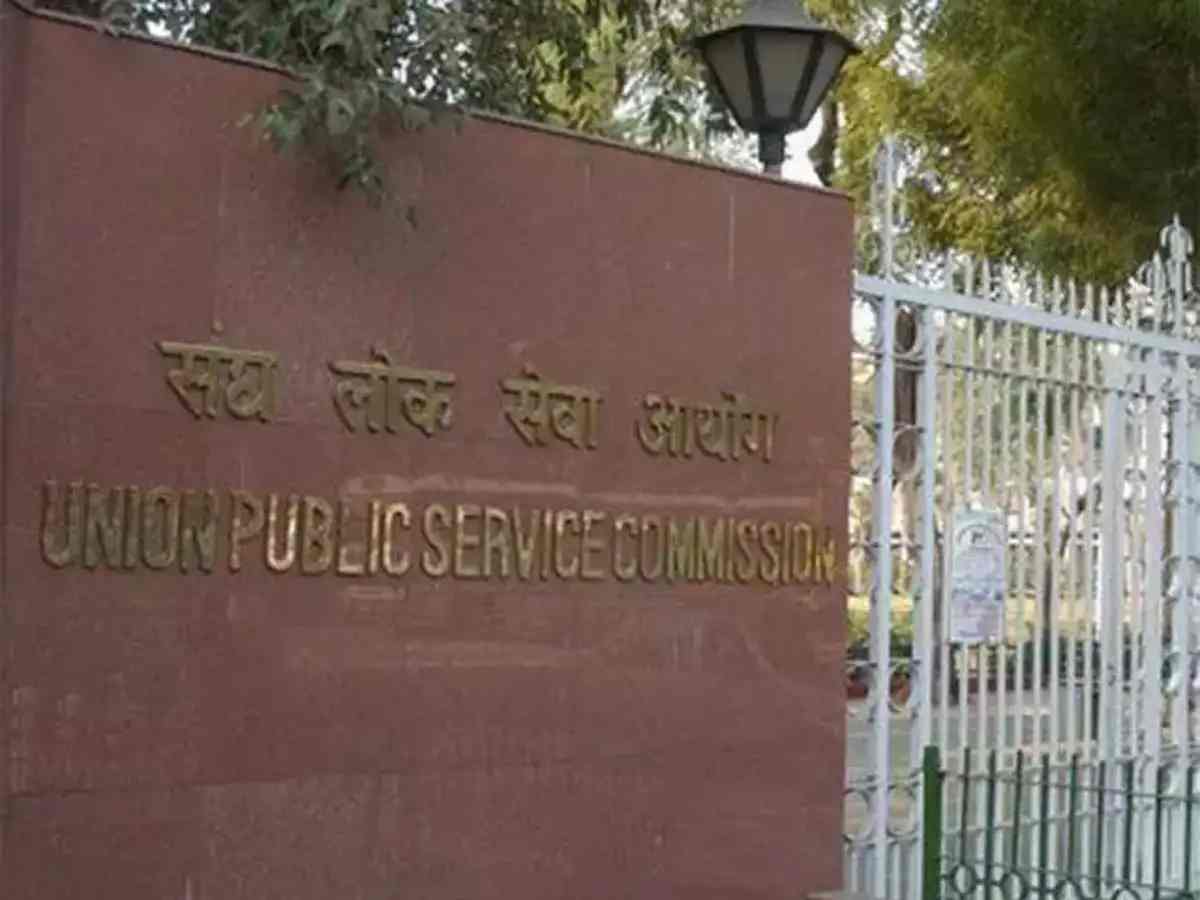
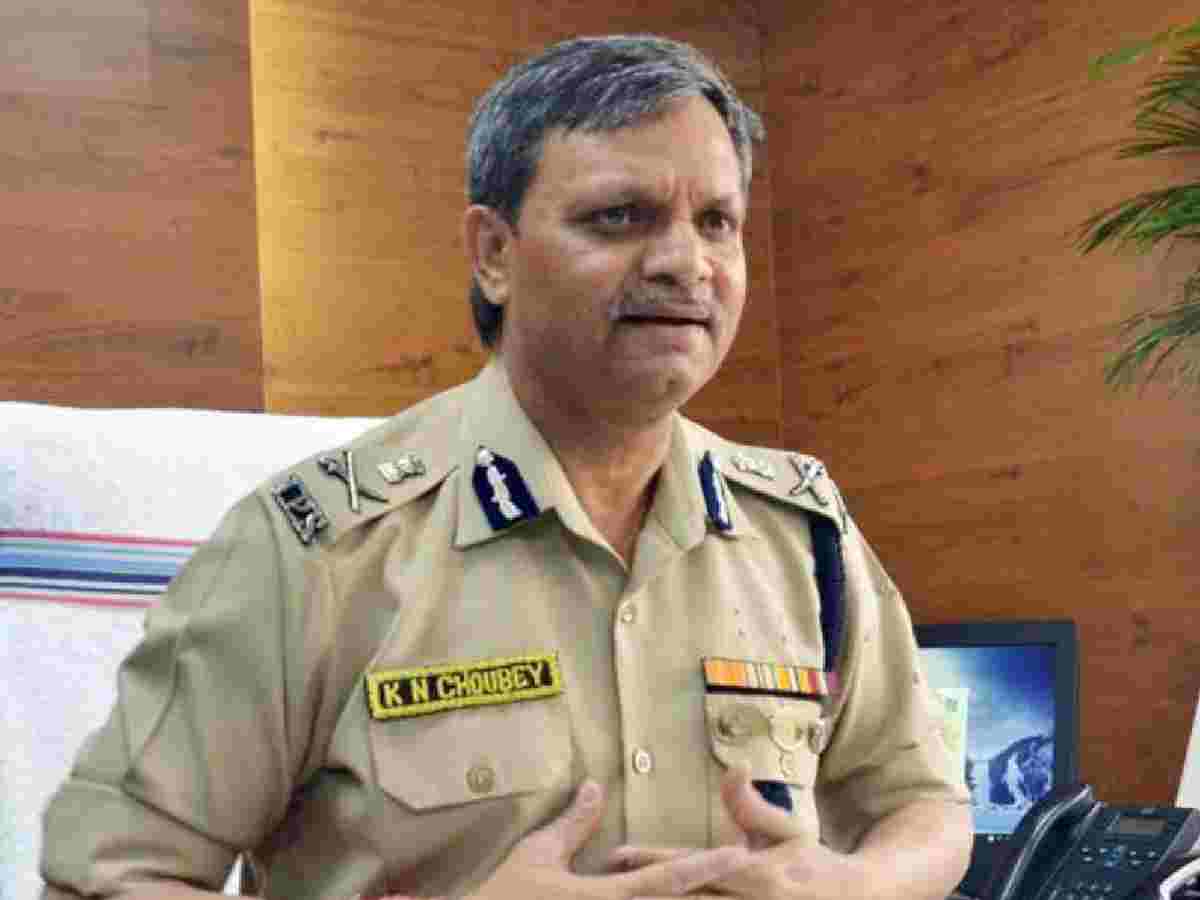
Kamal Nayan Chaubey never misses the chance to drive past Shahjahan Road whenever he finds himself near India Gate. Each time, he slows down at Dholpur House, the sight evoking a flood of memories. A 1986 batch Bihar cadre IPS officer, Chaubey had once walked through its gates for his final interview after clearing the UPSC examination. Like him, generations of IAS, IFS, and IPS officers hold the same affection for this iconic, oval-shaped building that has shaped so many destinies.
The making of a democratic pillar
The Union Public Service Commission (UPSC) stands as a cornerstone of India’s democratic system — the body that selects the nation’s top civil servants through rigorous, merit-based examinations. Established on October 1, 1926, as the Public Service Commission under British colonial rule, it has since evolved into a constitutional institution synonymous with integrity, fairness, and inclusivity.
As it entered its centenary year on October 1, 2025, the UPSC reflected on its remarkable journey from a colonial advisory commission to what Sardar Vallabhbhai Patel famously described as the “steel frame” of India’s administration.
“This milestone is being celebrated with year-long events from October 1, 2025, to October 1, 2026 — including seminars, a new logo launch, and several initiatives to honour its legacy while shaping the roadmap for the future,” said a UPSC official.
Also Read: Delhi Building Collapses: Experts cite use of sub-par material, MCD guideline violations
From Metcalfe House to Dholpur House
In 1959, the Union government shifted the UPSC office to Dholpur House, which soon became synonymous with the country’s most prestigious examinations. Once the Delhi residence of the royal family of Dholpur in Rajasthan, this elegant 1930s-era building became the cradle of India’s post-independence bureaucracy.
Some believe Metcalfe House would have been an equally fitting home for the commission. Spacious and well-located in Civil Lines, it had the grandeur for such an institution. Yet, it was Dholpur House that ultimately came to define the UPSC — both architecturally and symbolically.

Carnival at Dholpur House
Every year, when UPSC results are declared, Dholpur House turns festive. Since 1959, its corridors have echoed with the nervous footsteps of aspirants and the relieved laughter of newly selected officers. Countless future bureaucrats — including K Subramaniam, JN Dixit, Ashok Vajpayee, SY Qureshi, MS Gill, and Yashwant Sinha — have crossed its gates.
Zafar Iqbal, a 1975 Maharashtra cadre IAS officer, recalls how, after a gruelling interview, he treated himself to tikkis and papdis at the famous Prabhu Chaat Bhandar beside the Dholpur House walls. “It’s said that those who skip Prabhu’s chaatrarely clear their interviews,” he laughs.
Back in the 1980s and 1990s, Shahjahan Road saw far less traffic than it does today. Before results went online, hundreds of aspirants crowded around the Dholpur House noticeboards every morning and evening, scanning for their roll numbers. “The country’s top bureaucrats, who began their journeys here, still pass by this building — many of them now live on Shahjahan Road, Humayun Road, or Pandara Road,” said Chaubey, who retired recently as Director General of Police, Jharkhand.
When the ICS reigned at Metcalfe House
Long before independence, Metcalfe House was the seat of the Indian Civil Services (ICS), the precursor to today’s bureaucracy. Located in Civil Lines, it hosted the ICS exams and interviews for successful candidates during British rule.
The British established the Federal Public Service Commission for India in 1854, initially conducting exams in London. After World War I, they recognised the need for local examinations, and from 1922 onwards, ICS exams were held in Delhi and Prayag as well.
Badruddin Tyabji, a 1934 batch ICS officer of the Punjab cadre, once told this writer, from his South Delhi home, that he had travelled by tonga from Daryaganj to Metcalfe House for his interview. “In those days, Delhiites relied on tongas for commuting,” he had said with a smile.
Today, Metcalfe House is home to the Defence Research and Development Organisation (DRDO), the State Bank, and several other government offices.
Expanding beyond Dholpur
Until the early 1980s, Dholpur House hosted interviews not only for elite services but also for recruitment to several central ministries and departments. That changed with the construction of the Staff Selection Commission (SSC) building at the CGO Complex on Lodhi Road, which began hosting many such examinations.
“As the government expanded and new departments were created, it became impractical to conduct all tests and interviews at Dholpur House alone. The CGO Complex soon emerged as another vibrant centre for recruitment,” said Sunny Kumar, who teaches history to civil services aspirants.