Delhi’s relationship with food has never been about novelty alone. It is shaped by habit, repetition and comfort—what people return to again and again. Zaiqa-e-Dilli, the third edition of Crowne Plaza New Delhi Mayur Vihar’s flagship food festival, draws directly from this instinctive bond. Hosted at Infinity from January 30 to February 8, the festival presents over 100 dishes on a cyclic menu, offering a curated yet grounded exploration of the capital’s diverse food culture.
The festival, themed Adat Si Dilli, focuses on the everyday eating practices that define the city, drawing from street corners, neighbourhood markets and legacy kitchens. Rather than isolating signature dishes, the menu recreates how Delhi eats across time and geography—moving from morning staples to evening indulgences, from Old Delhi’s historic lanes to newer food districts that have shaped the city’s evolving palate.
Morning rituals and street staples
The experience begins on a restrained note with bun maska and chai, recalling early mornings in Old Delhi. The bread is soft, absorbing butter easily, while the tea is brisk and lightly spiced. It serves as a familiar opening, easing diners into a sequence of flavours that grow steadily bolder.
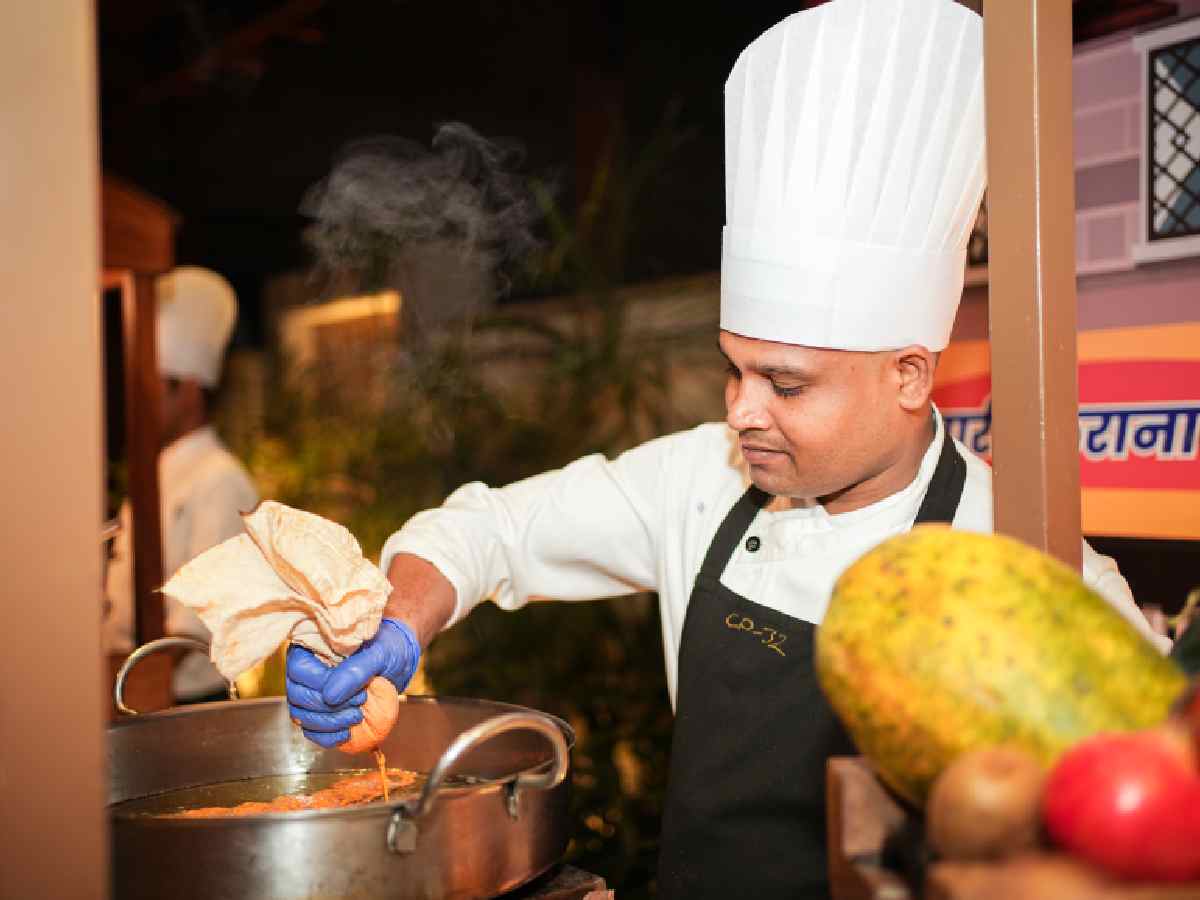
From here, the menu moves to Lotan ke chole kulche, one of the most recognisable combinations in the city’s street food canon. The chickpeas are slow-cooked and spiced without excess, while the kulcha balances crisp edges with a soft interior, reflecting the simplicity that has sustained the dish’s popularity for decades.
Old Delhi to Civil Lines
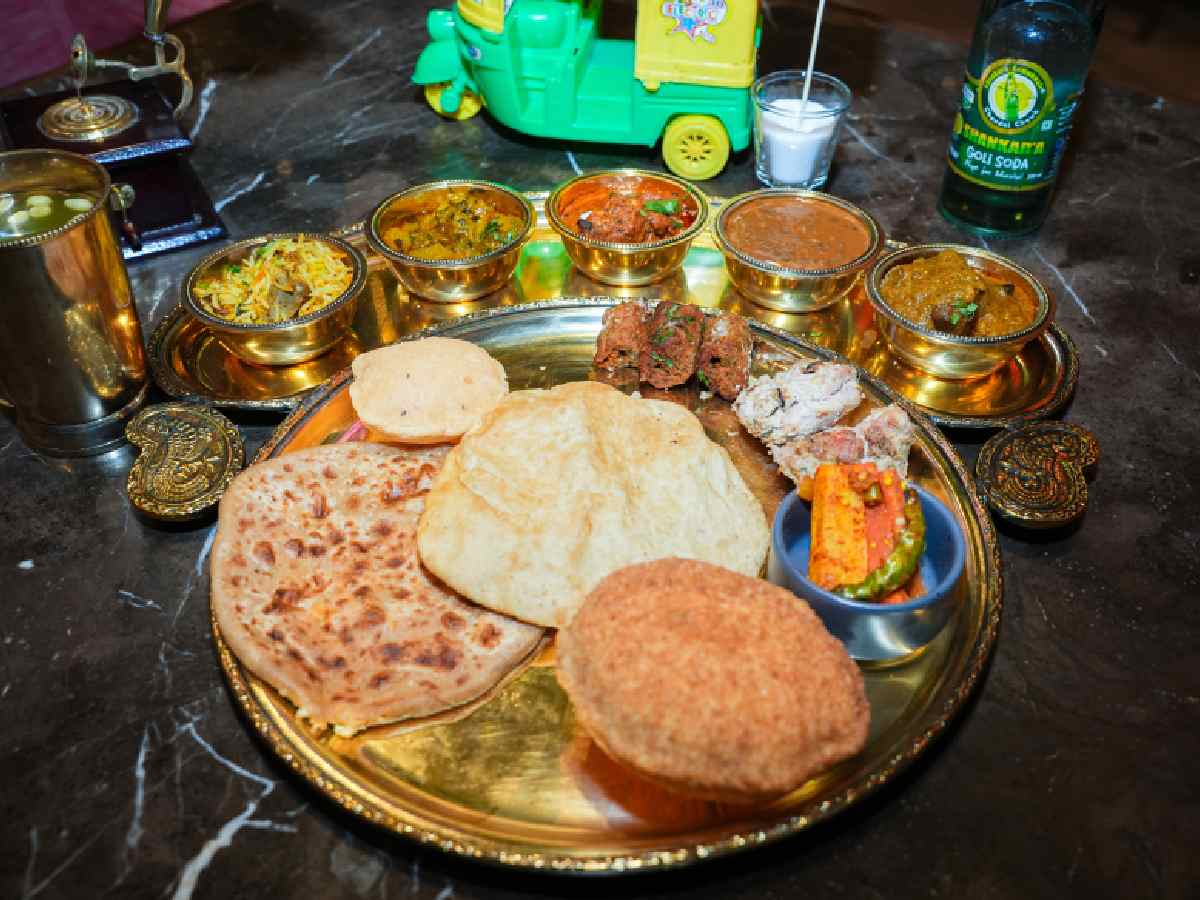
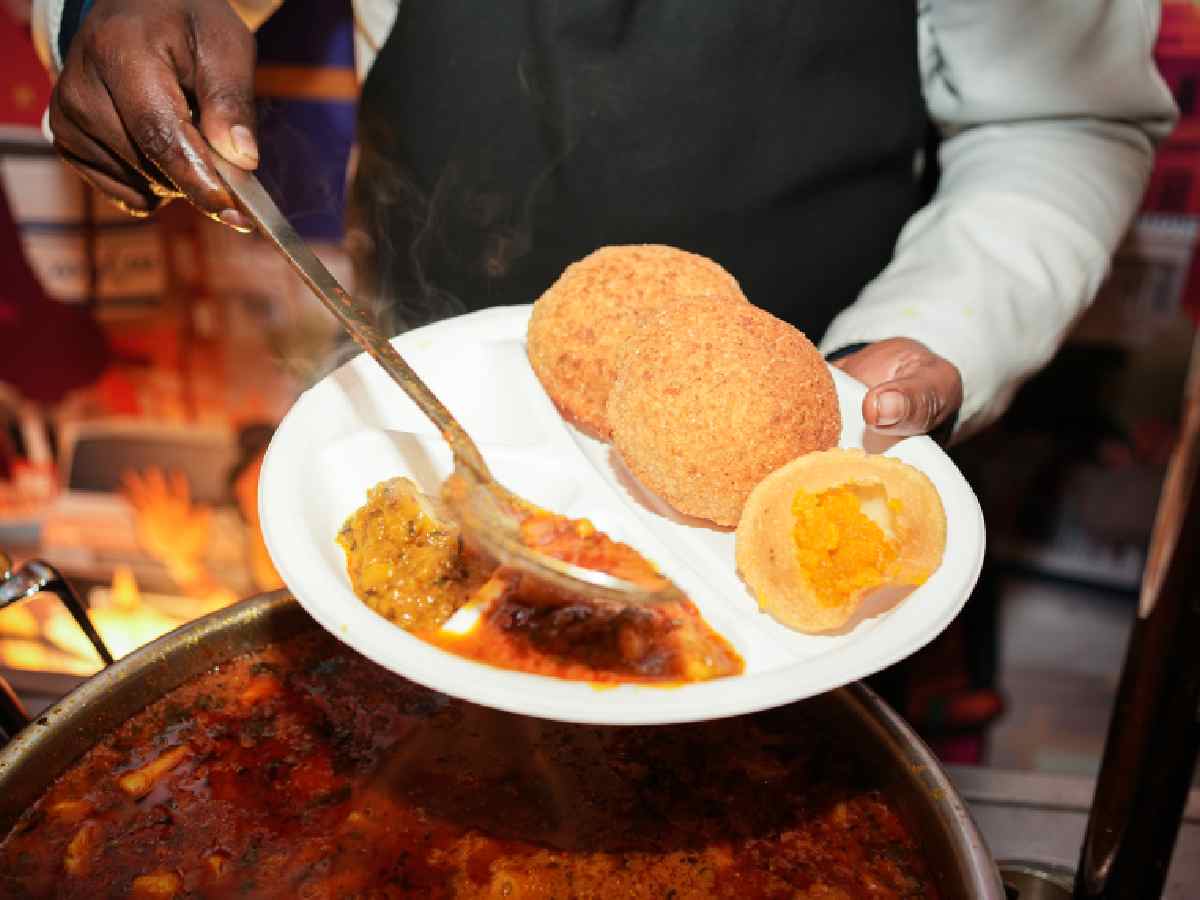
From Chawri Bazaar come poori bedami and nagori halwa, a pairing rooted in ritual as much as taste. The poori breaks cleanly, revealing a spiced filling, while the halwa is rich with ghee and restrained sweetness. Civil Lines–style kachoris follow, sharper and more assertive, offering contrast before the menu transitions into Mughlai territory.
Dishes inspired by Matia Mahal slow the pace. Kebabs arrive gently smoky, mutton nihari is glossy and deeply cooked, and Akbari fish offers a crisp exterior with a delicate interior. These preparations reflect a culinary tradition built on patience and precision, where gravies are layered rather than heavy and spices remain measured.
Newer neighbourhoods, sharper flavours
The menu then pivots to south and west Delhi, where street food thrives on sharpness and texture. Lajpat Nagar’s aloo chaat brings acidity and heat, while ram ladoo offers crunch offset by grated radish. Momos inspired by Majnu Ka Tila represent the city’s more recent culinary influences—steamed, spiced and familiar to a generation for whom Tibetan street food is part of daily life.
Rajouri Garden–style chole bhature arrive indulgent yet controlled. The bhature are inflated but light, and the chole robust without overwhelming the palate. Alongside, a dedicated bread counter highlights traditional techniques: khameeri rotiwith its fermented depth, rumali roti thin and elastic, rogani naan glossy with fat, and butter roti soft and familiar. Together, they reinforce the idea that bread remains central to Delhi’s dining identity.
Public spaces and contemporary touches
Live counters recreate the atmosphere of the city’s public eating spaces. Bunta and chuski recall evenings around India Gate, while bhel puri balances crunch, tang and spice. Traditional ice creams slow the meal’s rhythm, offering a pause before the final courses. Khan Market–inspired cocktails introduce a contemporary element, designed to complement rather than dominate the food.
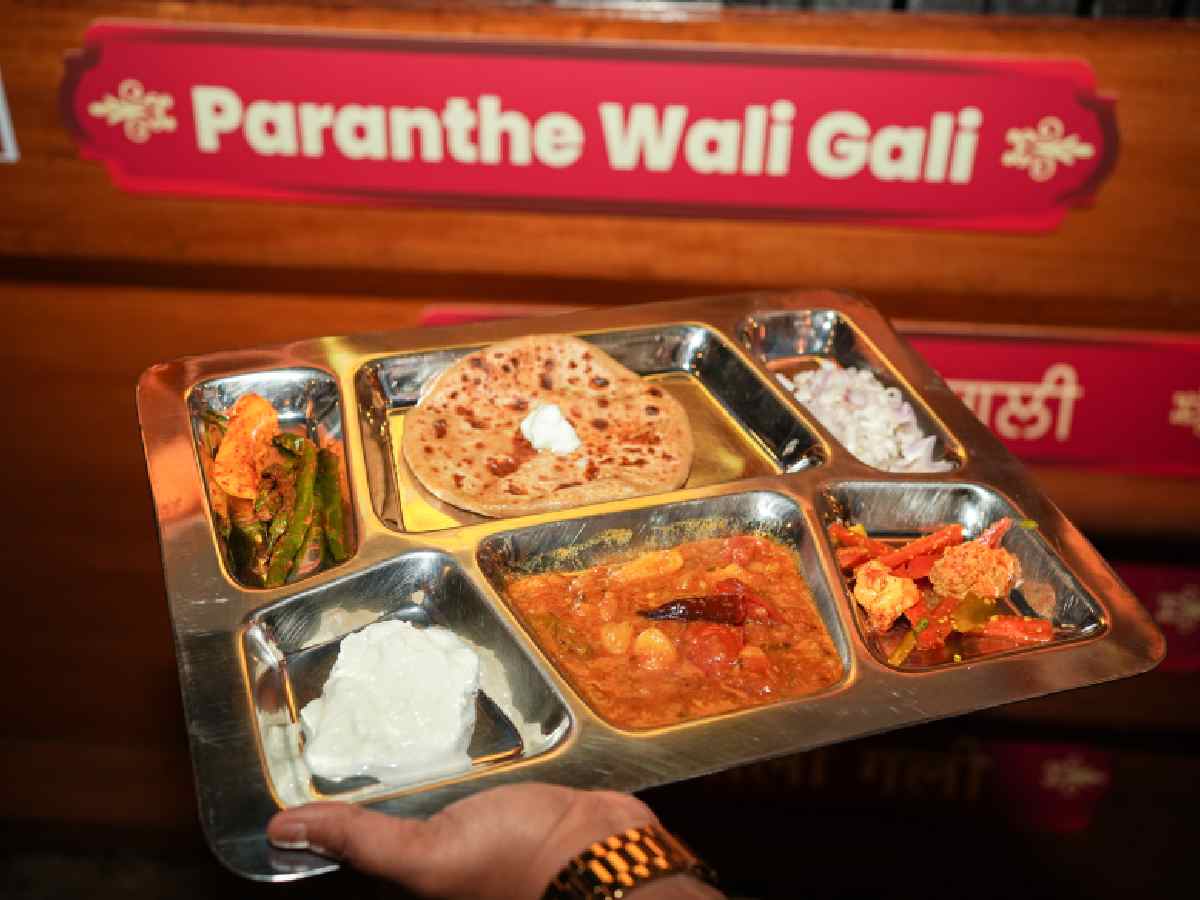
The festival concludes with what feels unmistakably Delhi: paranthas served hot, layered and indulgent, alongside kulhad-style rajma chawal. Earthy, comforting and unpretentious, the pairing underscores the festival’s central idea—that Delhi’s most enduring food experiences are rooted in familiarity rather than spectacle.
Behind the curation
Executive Chef Roushan Sharma describes the curation as the result of close observation. “Street food is an expression of technique, instinct and generational knowledge,” he says. “To decode that language, my team and I spent time walking through the lanes of Chandni Chowk, Lajpat Nagar and Civil Lines—closely observing cooking methods, ingredient balance, spice layering and the small details that differentiate a street-side favourite from a true legacy dish.”
Those observations extend into collaboration. Iconic vendors including Shyam Sweets from Chawri Bazaar, Daulat ki Chaat from Chandni Chowk and Lotan ke Chole Kulche work alongside the hotel’s chefs during the festival. The intent is to preserve flavour integrity while adapting the food to a refined, controlled kitchen environment. For diners from Noida and East Delhi, the festival offers access to the city’s most celebrated street flavours without the compromises often associated with eating on the street.
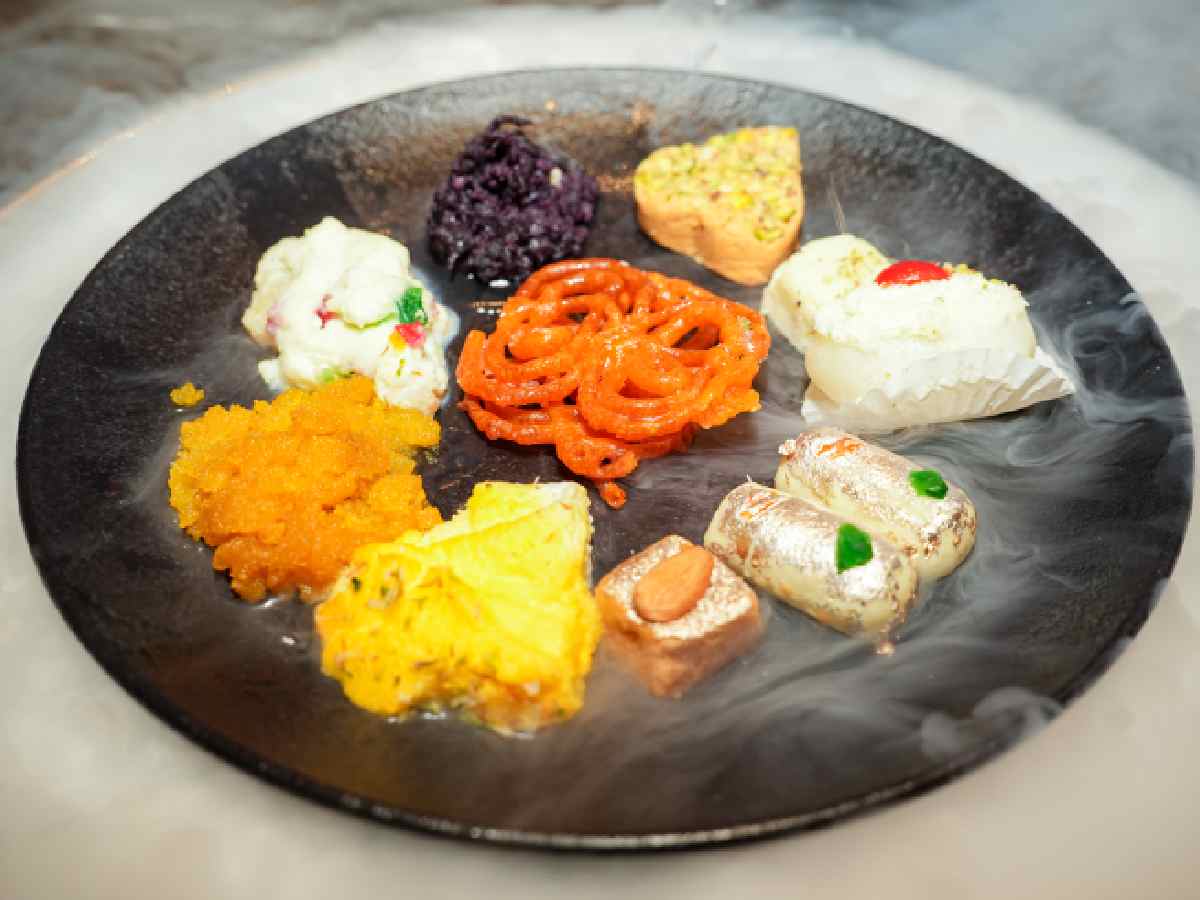
Rather than attempting reinvention, Zaiqa-e-Dilli positions itself as a consolidation of Delhi’s food habits. By bringing together dishes usually scattered across neighbourhoods and time slots, the festival presents a compressed portrait of how the city eats—slowly, indulgently and repeatedly. It is an exercise in recognition rather than discovery, celebrating a culinary culture shaped by memory, routine and deep attachment.