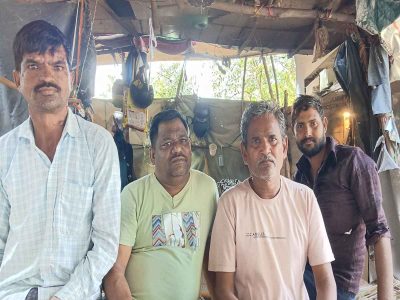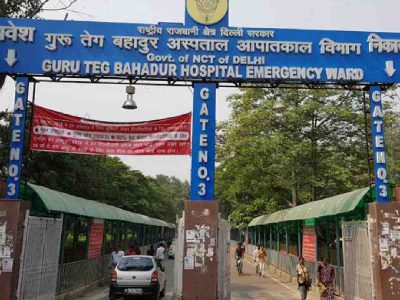
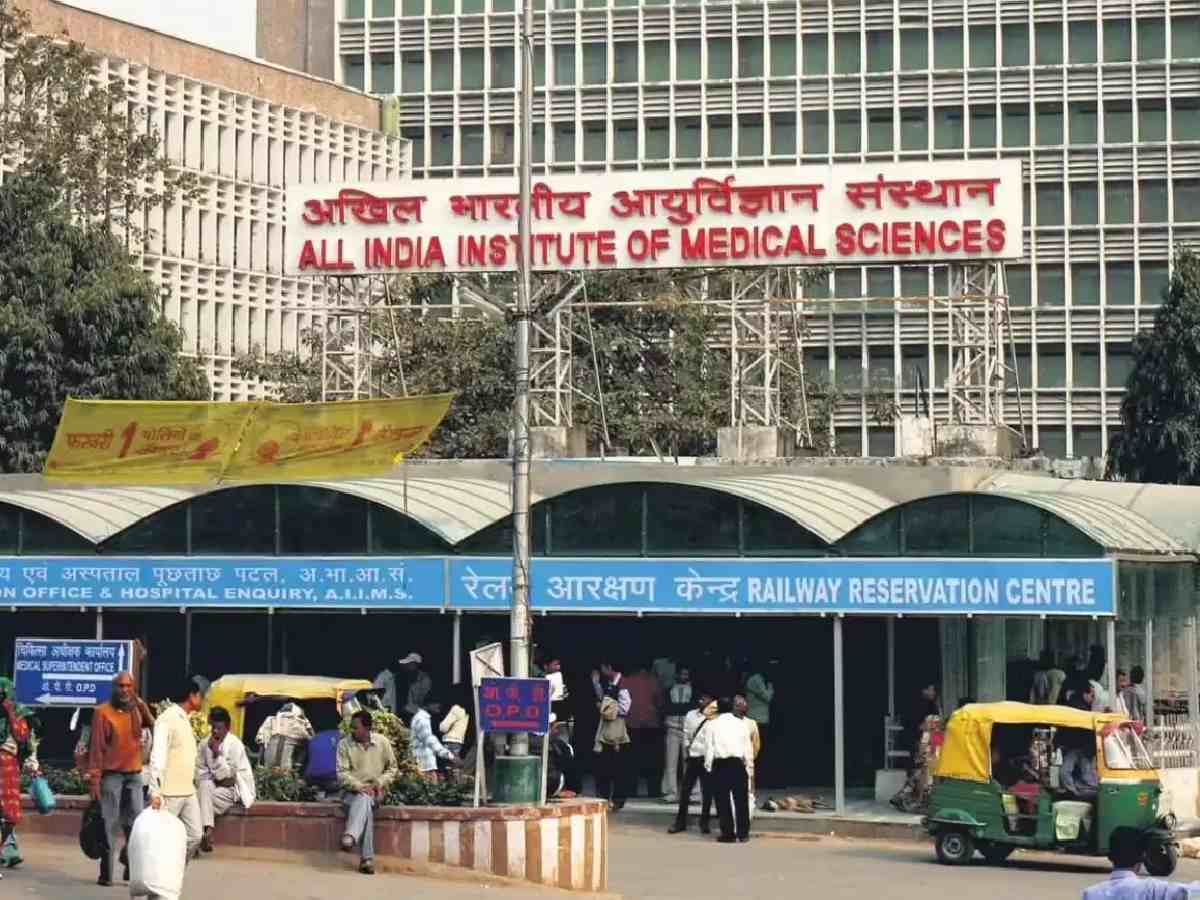
As the sun rises over Ansari Nagar in Delhi, crowds begin to gather outside the gates of the All India Institute of Medical Sciences (AIIMS). Patients and their caretakers arrive early, holding X-ray files and medical documents. Ambulances try to move through heavy traffic, cars honk, and people argue. In the middle of this rush stand security guards like Chandan Singh and Ashok Kumar.
They are two of more than 2,000 outsourced security guards who help keep AIIMS running smoothly. The premier medical facility sees over 15,000 patients every day, including emergencies that arrive at all hours. Without security guards, the hospital could easily fall into chaos.
Remaining calm
Chandan is 35 years old. Ashok is 42. They work 12-hour shifts and earn between Rs 15,000 and Rs 17,000 a month. Their job is not easy. They manage crowds, guide patients, control traffic, and handle tense situations. Even when people lose their tempers, they remain calm. They say honesty is their biggest strength. They do not take bribes or misuse their position.
Chandan comes from a small village in Madhubani district of Bihar. He left school after Class 10 to support his family. Farming did not bring enough income, so he moved to Delhi in search of work. After trying different jobs, he became a security guard at AIIMS. For the past five years, he has worked mainly at the main gate and at the trauma centre entrance.
His day begins at 4 am in a small rented room that he shares with other guards. After a quick meal, he takes the Metro to work before 6.30 AM. One of his main duties is managing the long queues of vehicles. Patients come from many states, and many are unfamiliar with the hospital’s rules. Chandan patiently guides them.
A better future
Ashok came to Delhi from Alwar, Rajasthan, nearly 18 years ago. He wanted a better future for his family. His wife works as a domestic helper, and they live in a small rented room near AIIMS. Their son studies in a government school and dreams of becoming a doctor.
Ashok often works the afternoon shift. He checks bags, controls crowds, breaks up fights, and helps patients find their way. Sometimes people get angry if they have to wait too long. Once, a man hit him because his wife’s turn was delayed. Ashok did not react violently. He reported the incident and continued his duty.
The work is physically demanding. Standing for long hours causes back pain. Pollution causes headaches. Sleep is limited. Chandan sends part of his salary home every month to support his wife and daughters. Very little money remains for himself.
Despite these struggles, both men take pride in their honesty. Chandan once caught a thief who had stolen a gold chain from a patient. Ashok once found a wallet containing Rs 50,000 and returned it. They believe they are simply doing their duty.
Their families also make sacrifices. Chandan’s wife manages their small farm and cares for their children alone. Ashok’s son admires the doctors at AIIMS but sometimes wonders if he will have to become a security guard like his father.
Rarely noticed
“Security guards are rarely noticed, but AIIMS depends on them. They may not treat patients, but they protect the hospital and maintain order. When their shift ends, they return home tired, knowing they will do it all again the next day,” says Dr Rajvardhan Azad, the former Director of RP Centre of AIIMS.
Behind every successful hospital is a team that keeps it safe and organised. Guards like Chandan and Ashok are an important part of that system. Their work may not bring fame, but it brings dignity.
Theirs is a life of relentless rhythm. Mornings: crowd control at OPD gates, where thousands jostle by 9 am. Afternoons: vehicle management at the parking lots, dodging e-rickshaws and stretchers. Evenings: securing the night shift at hostels and ICUs, where shadows lengthen and desperation peaks. “We see it all,” Chandan says. “A mother wailing over her child’s fever. A son fighting for his father’s ventilator bed. Sometimes, we become counsellors, too. ‘Bhaiya, yahan se kaise jaaye?’ they ask. We point, we console.”
Brutal toll
But the toll is brutal. Salaries, doled out by private agencies, barely cover basics. Chandan sends Rs 5,000 home monthly for his two daughters’ school fees and his wife’s medicines. “What’s left? Dal-chawal for me,” he says.
Health takes a backseat. Long hours breed backaches from standing, headaches from the pollution-choked air, and insomnia from the 24/7 buzz. “I sleep four hours, tops,” Ashok says.
Yet, amid the grind, their humanity endures. Chandan once chased down a thief who snatched a patient’s gold chain near the emergency ward. “Returned it myself. The old lady cried, hugged me.” Ashok recalls finding a lost wallet stuffed with Rs 50,000 at the canteen. “Handed it to the control room. The owner was a doctor from Ludhiana—thanked us with sweets.” Such acts are routine. “We’re not heroes,” Chandan insists. “Just doing right. Honesty is all we have.”
Invisible scars
Their families bear the invisible scars. Chandan’s wife, Rani, manages the village home alone, farming a half-acre plot and raising the girls. “She calls at midnight: ‘Theek ho?’ I say yes, but she hears the exhaustion.” Ashok’s son dreams of becoming a doctor—“Like the ones at AIIMS,” he beams. But the boy sees his father’s calloused hands and wonders. “Papa, security guard banega?” Ashok laughs it off, but the question stings.
As dusk falls and the last ambulances rumble out, Chandan and Ashok clock off—bodies aching, minds replaying the day’s skirmishes. Chandan boards the DTC bus to reach his dingy room, and Ashok walks the dimly lit lanes to his house. Tomorrow, it restarts. No fanfare, no applause. Just the quiet pride of holding the line.