For all those who have ever lived in these Central government colonies, the memories of those times will be etched in their minds forever. But those flats, gardens, social life and facilities will soon become part of the capital’s fast-vanishing past. Lodhi Colony, the DIZ Area in Gole Market and Sadiq Nagar—three well-known residential enclaves—are set to disappear and later be redeveloped.
Nestled in south and central Delhi, these government housing colonies were built to provide accommodation for babus. Now they face demolition as the Ministry of Housing and Urban Affairs (MoHUA) plans to build modern high-rise complexes there, featuring luxury flats, commercial hubs and green spaces. As bulldozers loom, these neighbourhoods whisper stories of the British Raj, Partition trauma and Delhi’s urban evolution.
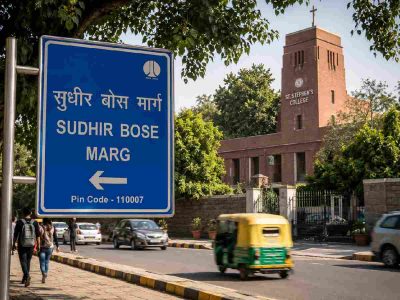
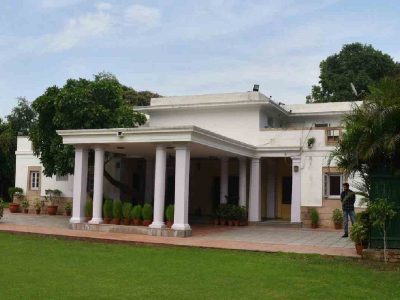
Lodhi Colony, the crown jewel among them, embodies the twilight of the Raj era in Delhi. Developed in the late 1940s as one of the last residential estates built by the British in the capital, this 20-hectare enclave along Lodhi Road was designed for Central government officers and staff. It features low-rise quarters and Type I–IV housing that prioritise airy verandas and gardens.
Adjacent to the iconic Lodhi Gardens—once the medieval Bagh-i-Jud, a pleasure ground for the Sayyid and Lodi sultans in the 15th century—the colony inherited a strong historical aura.
Paradise lost
“My family moved to Lodhi Colony in the early 1950s. It was a paradise then—very little crowd, virtually no traffic, and full of greenery. I vividly remember that when I first got an opportunity to do the commentary of a Test match in 1964, I travelled to Kotla from Lodhi Colony,” recalls Ravi Chaturvedi, noted cricket writer and commentator.
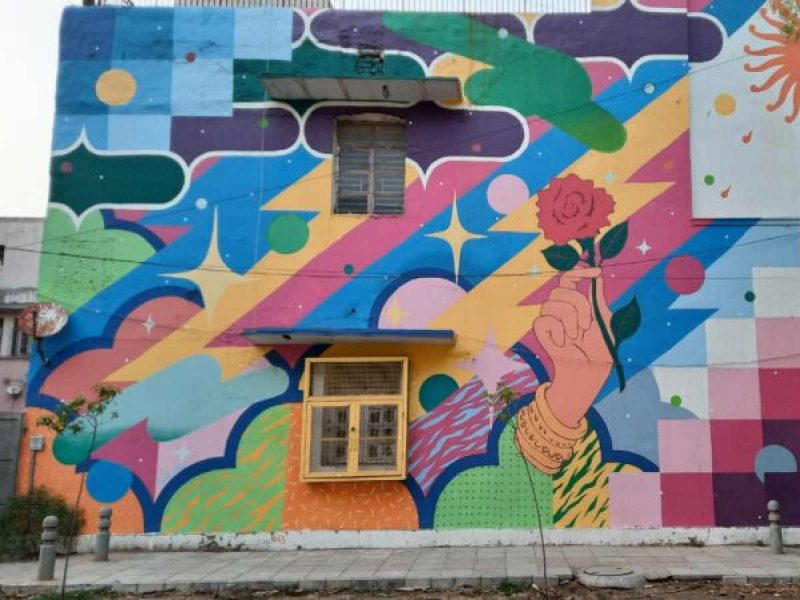
Post-Independence, Lodhi Colony evolved into a vibrant mosaic where diplomats rubbed shoulders with artists. By 2015, it had blossomed into India’s first open-air art district under the St+art India Foundation.
Shifting northwards to central Delhi’s Mandir Marg, the DIZ Area—short for Diplomatic and Institutional Zone, though popularly associated with its government housing—traces a more austere lineage.
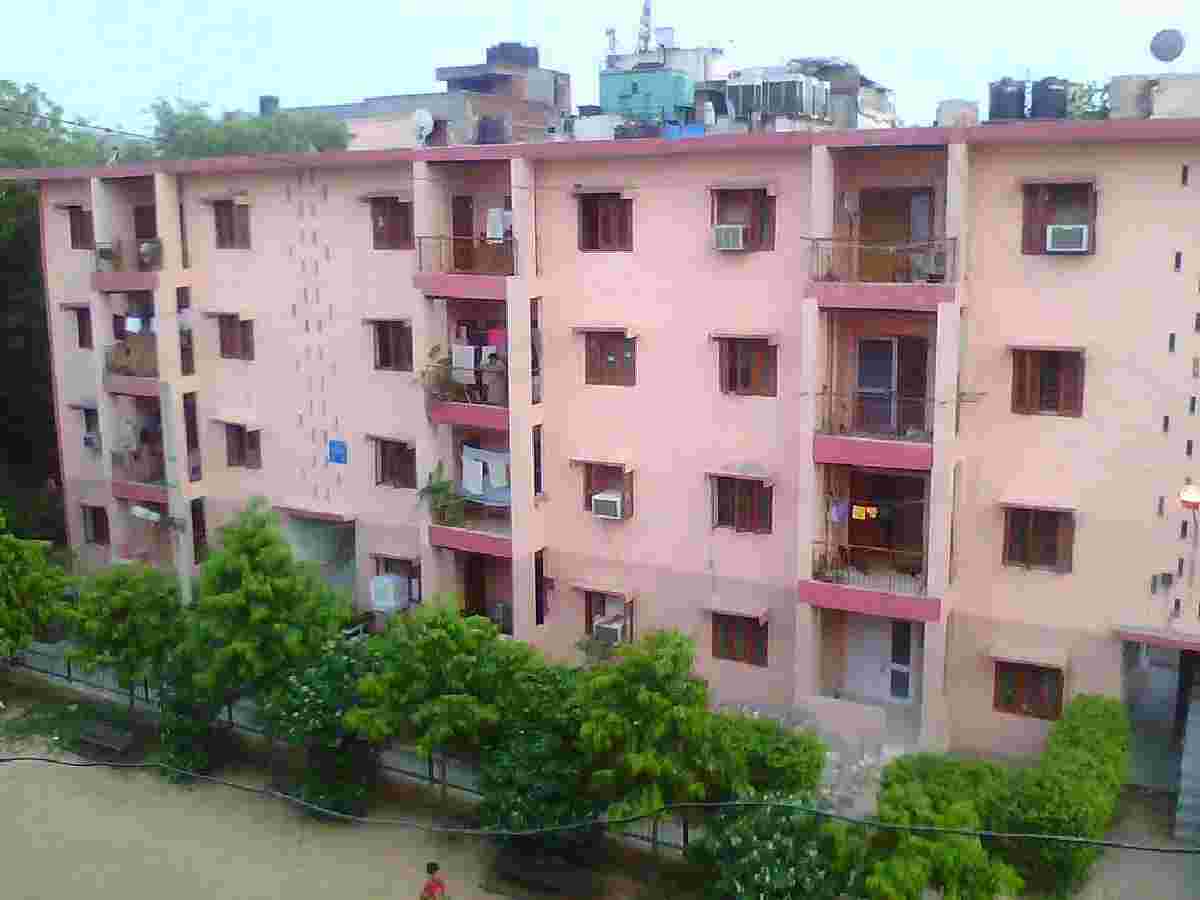
Established in the early 1970s as one of India’s oldest General Pool Residential Accommodation (GPRA) colonies, it spread over 68 acres to house junior bureaucrats in modest Type I and II flats, often in two- or three-storeyed blocks built after Partition. Unlike Lodhi Colony’s architectural flourish, the DIZ Area reflected the austerity of the socialist era.

Over the decades, the DIZ Area weathered monsoons and bureaucratic churn. Hundreds of flats came up on sites where single-storey houses had stood since the late 1920s. In those days, the locality was known as a bastion of the Bengali community. After providing shelter for over half a century, those houses were eventually demolished.
Sought-after
Thanks to its close proximity to Connaught Place, RML Hospital and Lady Hardinge Hospital, many government employees preferred living in the DIZ Area. Noted social worker Pritam Dhariwal says it has long been a sought-after location because of several good schools in Mandir Marg and nearby areas.
Built on the ruins of Chirag Delhi village, Sadiq Nagar lies close to Greater Kailash, Andrews Ganj, Lajpat Nagar and several other key areas of South Delhi. The colony consists of orderly blocks of Type II and III quarters. Its development in the 1970s mirrored Delhi’s southward expansion, with wide avenues and parks.
Its pincode—110049—became something of a badge of upward mobility.
Well-known journalist Umesh Joshi lived in Sadiq Nagar for more than two decades and became emotional when he learnt that the flats there would soon be consigned to history.
Matchless location
“It is such a nice place that I still miss it, even though I now live in a far bigger house in Dwarka. Sadiq Nagar’s location is matchless. The best part is the social bonding among neighbours,” recalls Joshi.
Last month, Prime Minister Narendra Modi inaugurated the phased redevelopment of these areas.
For the DIZ Area, 1,392 dilapidated units spread across 31.6 acres will give way to 1,472 Type V flats for senior officials, 184 premium four-bedroom homes, a transit hostel and a commercial plaza.
Lodhi Colony will follow suit, with its Type I quarters targeted for redevelopment into high-rise buildings that aim to retain the character of the art district through integrated galleries.
Sadiq Nagar will also see new residential complexes and upgraded facilities as part of the redevelopment plan.