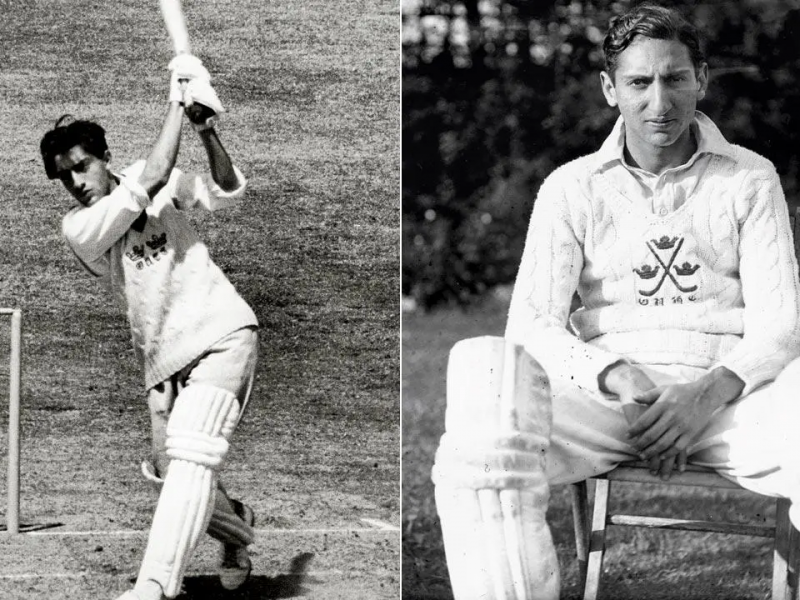
Within minutes of arriving at the Jaipur Polo Ground, Pataudi senior mounted his horse to play polo, while his son watched from the sidelines. Moments later, he fell from his horse and was seriously injured. Panic and commotion followed. Before medical aid could be administered, the former India captain succumbed to his injuries. His death is remembered as a significant moment in Delhi’s sporting history.
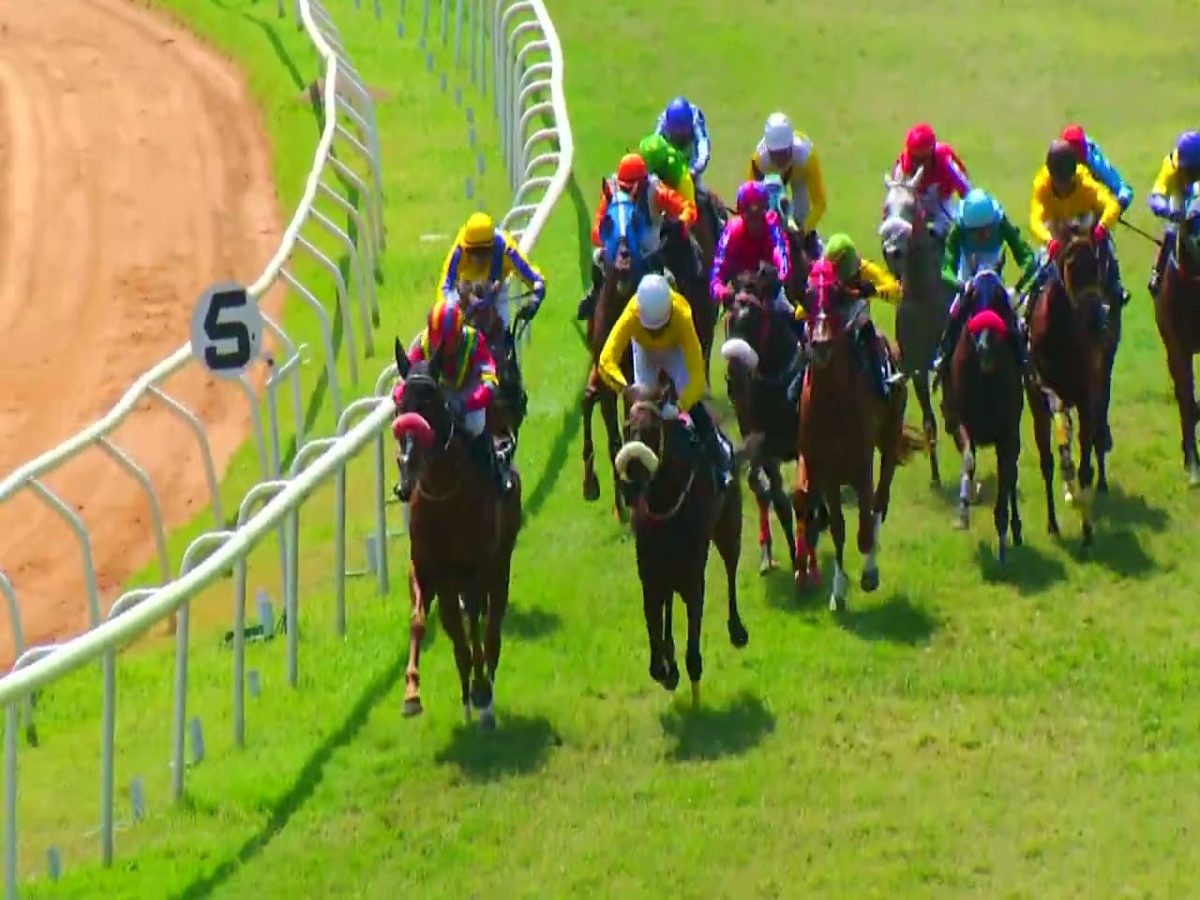
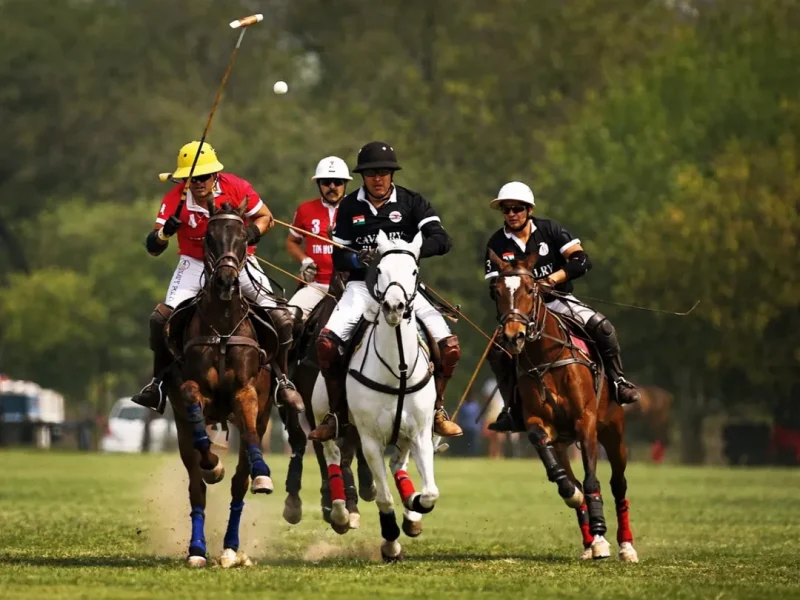
Over the decades, both grounds have witnessed numerous polo matches and horse racing events.
The Jaipur Polo Ground is named after Sawai Man Singh II, the last Maharaja of Jaipur. A celebrated polo player, he represented India internationally and played a key role in popularising polo as a royal sport.
British prince’s visit
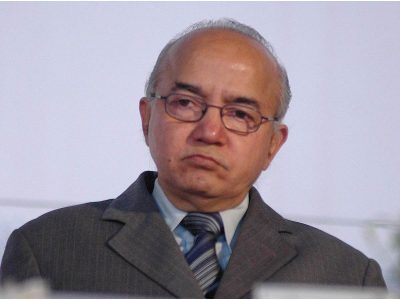
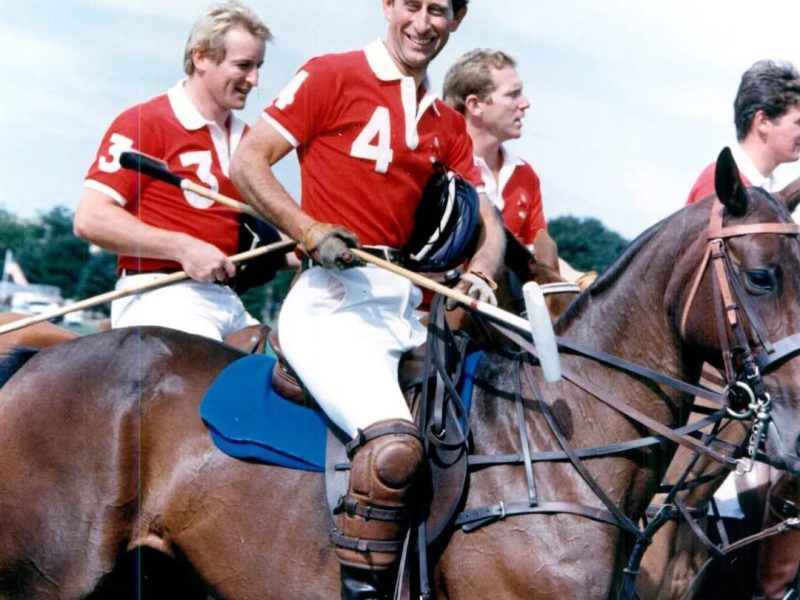
In 1975, Charles III (then Prince Charles) participated in a polo match here during his visit to India. The event drew diplomats, military officers, and Delhi’s elite in large numbers. In a 1995 interview at his Kamaraj Road residence, Mansur Ali Khan Pataudi told this author that whenever he visited the Jaipur Polo Ground, he would relive the moment of his father’s accident. He became emotional while recalling the incident.
Polo in colonial Delhi
During the British era, polo in Delhi was a key part of elite social life. Military officers, princely rulers, and foreign diplomats frequently participated. The Jaipur Polo Ground emerged as a major hub of this culture, where matches also served as social gatherings.
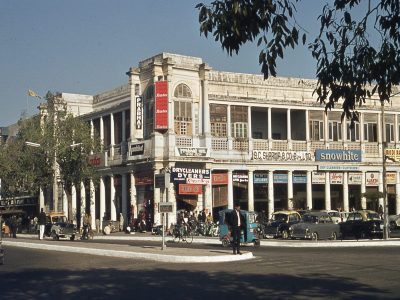
The history of the Delhi Race Course is also rooted in British rule. In 1911, when the British shifted the capital from Calcutta to Delhi, plans were drawn up for several recreational and sporting venues alongside the construction of New Delhi.
The beginnings
In the 1930s, a race track was developed here. Later, in 1940, the Delhi Race Club was formally established, building a modern racing facility complete with stables and spectator amenities. Over time, it became one of India’s premier racing centres.
The road leading to the racecourse was long known as Race Course Road, home to the Prime Minister’s official residence. In 2016, it was renamed Lok Kalyan Marg, though many older residents still refer to it by its former name.
Post-Independence period
Even after Independence, the prominence of the Delhi Race Course and Jaipur Polo Ground endured. Regular polo matches and horse races attracted thousands of spectators, with results prominently featured in newspapers.
“The racecourse became a key fixture in the national racing calendar, drawing renowned jockeys and trainers. Beyond sport, these events offered a window into Delhi’s social life, frequented by the elite, businessmen, military officers, and enthusiasts,” says sports writer and commentator Ghause Mohammad.
For over a century, the Jaipur Polo Ground and Delhi Race Course have been more than just sports venues. They are markers of Delhi’s social history, urban planning, and sporting culture.
As Delhi continues to expand and land values rise, the future of such open spaces presents a challenge for policymakers. Any decision regarding their preservation or redevelopment will not merely concern land use — it will shape the city’s memory, heritage, and evolving identity.