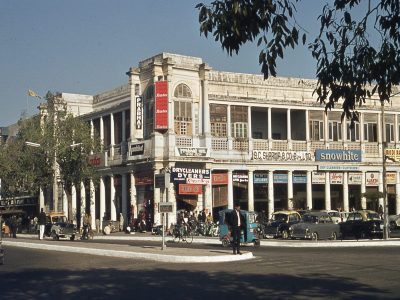
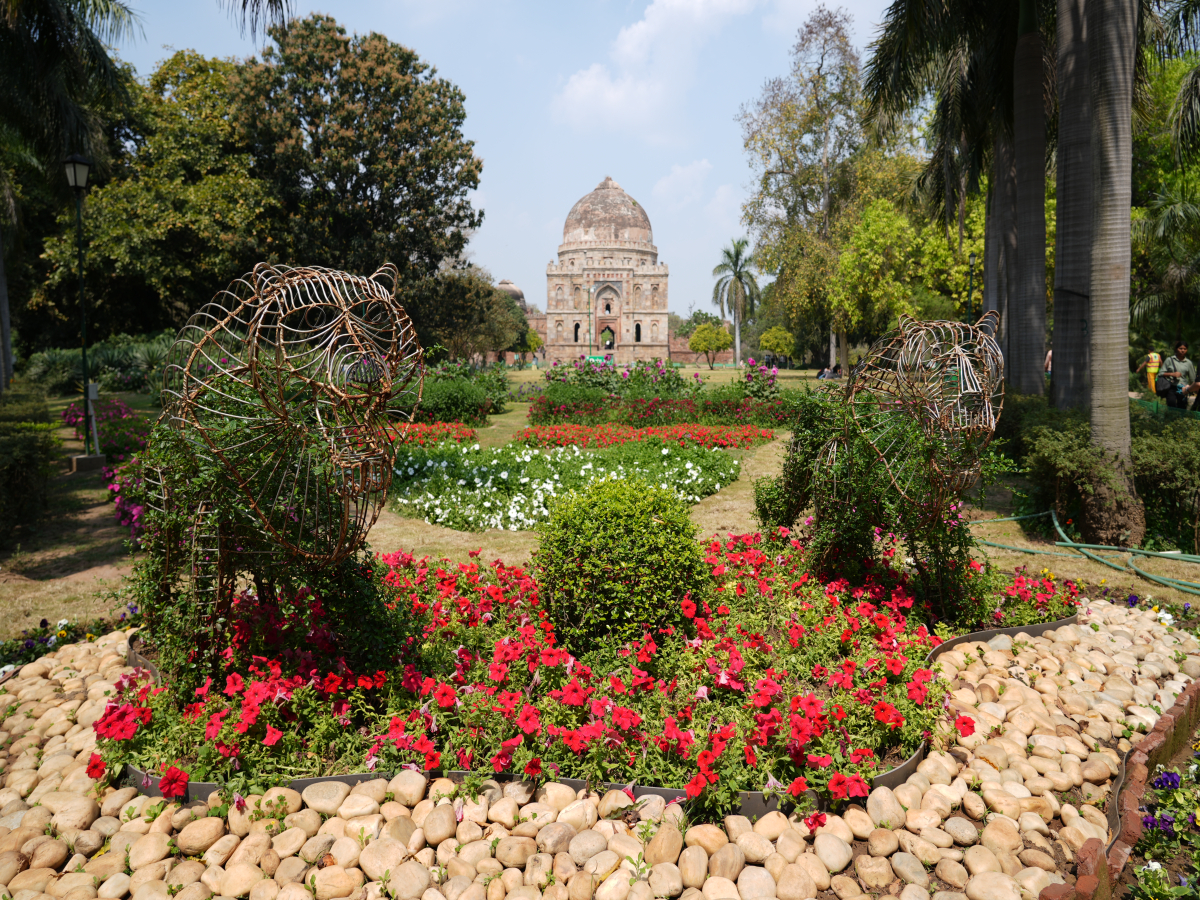
If you enter Lodhi Garden from Rajesh Pilot Marg (earlier known as the South End Road), you will find a plaque. It notes that Willingdon Park was inaugurated by Lady Willingdon on April 9, 1936. She was the wife of Lord Willingdon, who served as Viceroy of India from 1931 to 1936. The garden, one of the capital’s most recognisable public spaces, recently completed 90 years.
Khairpur to Jungpura
The garden was originally built on the site of Khairpur village. The villagers were relocated to Jungpura (formerly Youngpura). Few traces of the original Khairpur community remain today. After Independence, the park was renamed Lodhi Garden.
Where past meets present
Lodhi Garden is a place where the past merges with the present. It continues to attract visitors who come to walk, jog, or spend time outdoors.
It was a favourite spot of writer Khushwant Singh, whose columns reached a wide readership. He also wrote The Sunset Club, a novel about three friends in their late 80s who walked together in the garden for years.
Also Read: From Karol Bagh to Tis Hazari, marking Good Friday
Lodi, Sayyid eras
Lodhi Garden is dotted with historic monuments, including Muhammad Shah’s Tomb, Sikander Lodi’s Tomb, Sheesh Gumbad, and Bara Gumbad. These structures were built during the 15th and 16th centuries by rulers of the Sayyid and Lodi dynasties. The Tughlaqs, Lodis, and Sayyids — Afghan-origin dynasties — ruled here before the arrival of the Mughals.
Modern makeover
In 1968, Lodhi Garden was redesigned by American landscape architects Garrett Eckbo and Joseph Allen Stein. Stein, who also designed the India International Centre, Triveni Kala Sangam, and India Habitat Centre, later became an Indian citizen, while Eckbo worked on the project as a visiting architect.

Widely regarded as a pioneer of modern landscape architecture, Eckbo’s work, including Landscape for Living, continues to influence designers.
“The present Lodhi Garden that we see — where we walk, jog, and relax — is the brainchild of these two architects,” says Ujjawal Upadhyay, a Delhi-based architect.
Birdwatchers’ paradise
Beyond its trees, plants, flowers, and lawns, Lodhi Garden supports a wide range of bird species. It provides habitat for both resident and migratory birds.
Species recorded here include green parakeets, Eurasian collared doves, common mynas, black drongos, white-breasted kingfishers, red-wattled lapwings, pied cuckoos, weaver birds, blue rock pigeons, house sparrows, red-vented bulbuls, Indian grey hornbills, large grey babblers, and tailor birds.
Elite oasis
Some observers note that Lodhi Garden remains a popular space for residents of nearby areas such as Lodhi Estate, Pandara Road, Pandara Park, and Humayun Road, as well as members of the diplomatic community.
“I lived in Pandara Park for nine years and walked in Lodhi Garden daily. It is truly a dream place. Now that I no longer live in Delhi, I miss those walks,” says Kamlakant Tripathi, a former Chief Income Tax Commissioner.
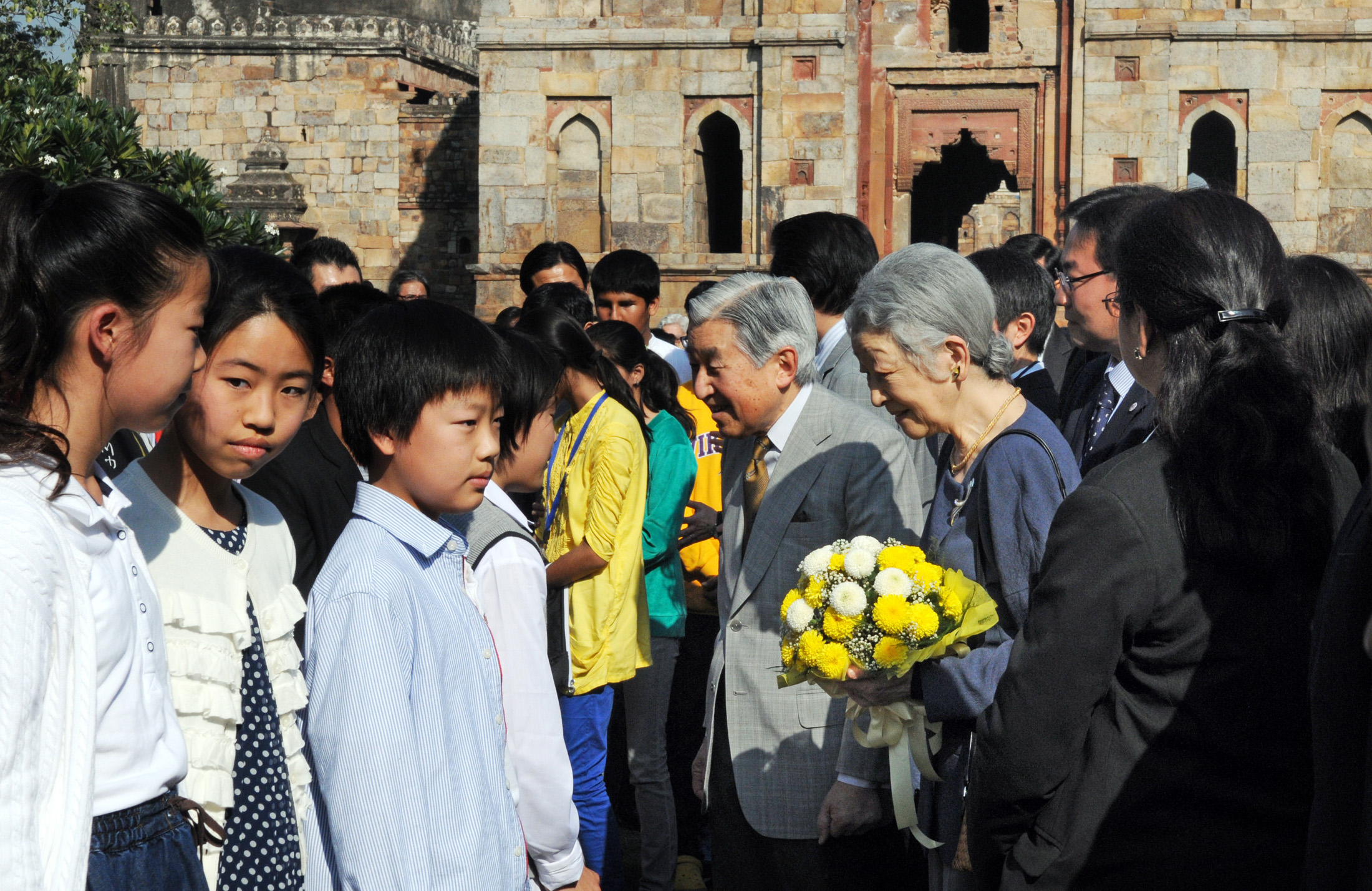
It was also the site of a visit by Japanese Emperor Akihito and Empress Michiko during their 2013 trip to Delhi, when they took a morning walk and interacted with visitors.
Ancient trees
The garden has over 5,400 trees, including arjun, champa, neem, jamun, semal, amaltas, moulshree, peepal, banyan, kachnar, kusum, gulmohar, sheesham, putranjiva, ashoka, shahtoot, silver oak, and magnolia. These trees provide shade during the summer months.
In The Sunset Club, Khushwant Singh captures the experience of spending time in the garden during Delhi’s summer.
Timeless charm
Lodhi Garden continues to be valued as a public space where visitors can spend time in a relatively calm environment. The area around Athpula, the 16th-century bridge, remains a prominent feature.
The garden is also used for informal recreation, including picnics and small group activities. Visitors often gather in open areas for leisure activities, contributing to its continued popularity.
The garden’s size means that it cannot be explored fully in a single visit. Regular visitors often return to different parts over time.
Read More: From 200 cars to crores on Delhi’s roads