A Patriot ground assessment across Delhi’s jewellery markets, taxi stands, auto-rickshaw hubs, and commercial districts found growing anxiety among traders and transport workers following recent fuel price hikes and the Centre’s call for austerity measures amid the West Asia crisis.
From Dariba Kalan’s struggling jewellers to app-based drivers calculating shrinking daily earnings, many said rising petrol, diesel, and CNG prices, combined with falling consumer spending, were beginning to place severe pressure on livelihoods across the Capital.
The concerns intensified after Prime Minister Narendra Modi, in a televised address, urged citizens to avoid non-essential gold purchases while the Centre simultaneously raised excise duties on petrol, diesel, and compressed natural gas (CNG) as part of what the government described as measures of “economic self-defence” amid disruptions linked to the Strait of Hormuz blockade.
Jewellery markets hit
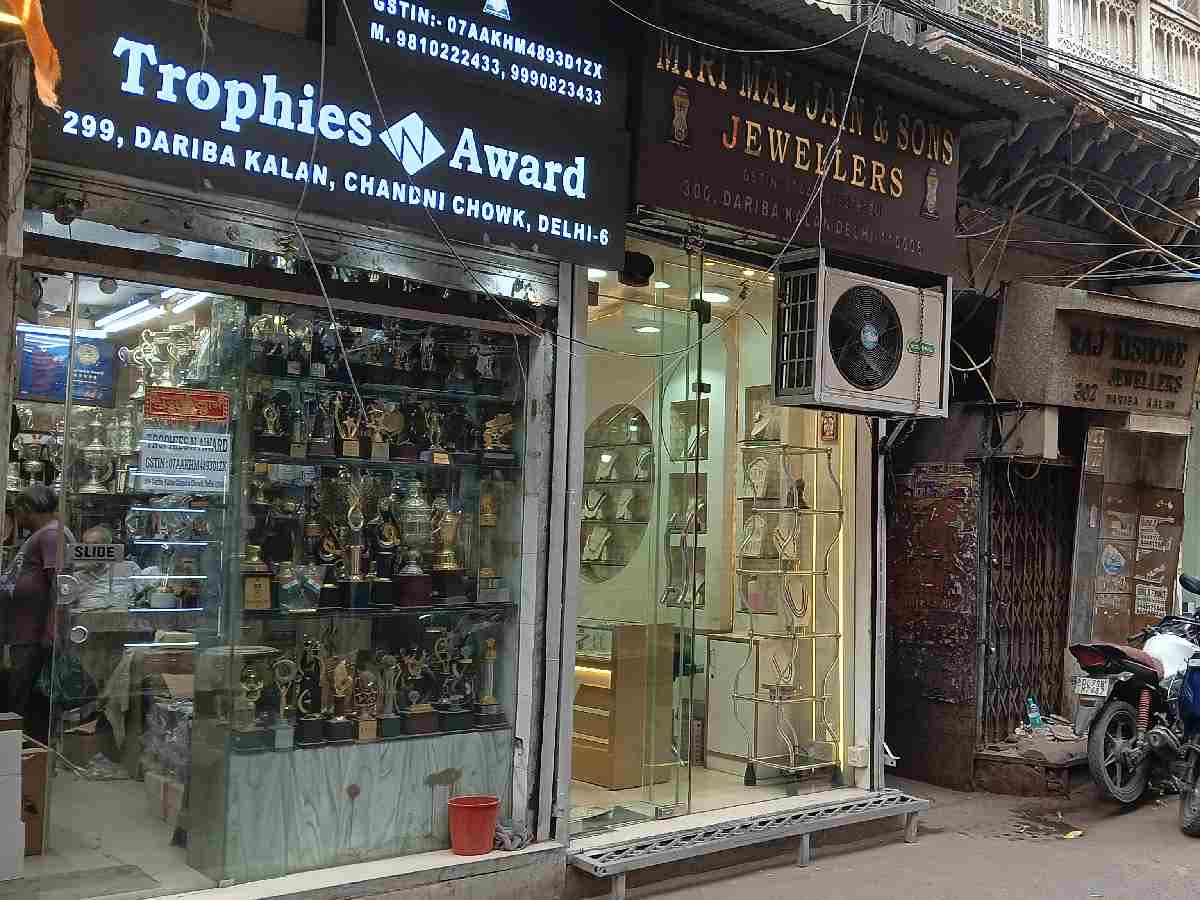
At Dariba Kalan, one of Delhi’s oldest jewellery markets, traders said business had slowed sharply following the government’s appeal and the rise in import duties.
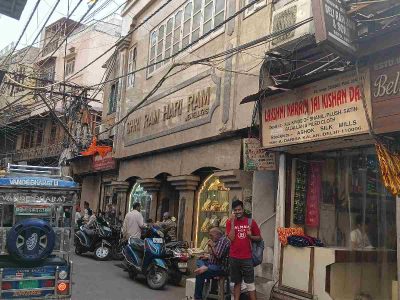
Sri Ram Hari Ram Jewellers, Beliram Jain and Sons, and Shibbamal Raghubir Singh Jain are among the market’s long-established shops. However, traders said customer footfall had thinned considerably in recent weeks.
“Normally, business never becomes this bad, but this year is possibly the worst we have seen in recent times,” said Nalin Negi, owner of Frontier Jewellers, a store that has operated in Dariba Kalan for nearly 70 years.
“This season could seriously threaten the survival of smaller establishments,” he added. “Dariba Kalan has survived wars and Partition, but this situation feels very different,” said Anand Jain, a senior partner at a family-run jewellery business in the market.
“The 15% import duty has disrupted pricing entirely. We are not just witnessing a temporary dip in sales; customer confidence has weakened during what is usually the time to buy jewellery in bulk before the wedding season begins,” he said. Several traders said the slowdown was beginning to affect artisans and workers dependent on the jewellery trade.
“People forget this business sustains thousands of skilled artisans, meenakars, and daily-wage goldsmiths in Old Delhi,” said bullion dealer Ramesh Malhotra. “With orders falling sharply, many workshops are struggling to provide regular work. Some artisans have already started returning to their villages,” he added.
Shift in buying patterns
According to traders, many customers are increasingly choosing to redesign old jewellery instead of purchasing new pieces. “We now see more families bringing old ornaments for remodelling instead of buying fresh jewellery because they want to avoid paying higher prices,” said Sanjay Gupta, who deals in traditional meenakari jewellery and silverware. “Repair and redesign work is continuing, but retail purchases have slowed significantly,” he added.
Drivers under strain
Commercial vehicle drivers across Delhi-NCR have meanwhile announced a three-day strike from May 21 to 23, demanding a revision in taxi and auto fares amid rising fuel prices and allegations of economic exploitation by app-based aggregators. According to a letter submitted by the Chalak Shakti Union to the Delhi Lieutenant Governor, Chief Minister, Transport Minister, and Police Commissioner, the strike forms part of a nationwide protest announced by the All India Motor Transport Congress.
The union stated that taxi fares in Delhi-NCR had not been revised for nearly 15 years despite steep increases in CNG, petrol, and diesel prices, alongside rising maintenance, insurance, permit, and vehicle fitness costs.
Drivers alleged that the existing fare structure no longer reflected operational realities. Satish Kumar, an auto-rickshaw driver near Rajiv Chowk, said rising fuel prices had sharply reduced daily savings. “Half my earnings disappear into fuel costs. If I ask passengers for even Rs 10 extra, many argue or simply leave to catch a bus,” he said.
App-based drivers voiced similar concerns.
Manoj Sharma, who drives for Uber, said longer working hours no longer translated into meaningful earnings. “I drive nearly 14 hours a day, but after fuel costs and the company’s commission, there is barely enough left for household expenses,” he said. Bike taxi riders working with platforms such as Rapido also described shrinking margins.
“After a 10-km trip, once petrol costs and platform fees are deducted, very little remains,” said Amit Yadav, a bike taxi rider. Independent taxi operators said they were also struggling as corporate clients reduced travel expenditure. “Many people have shifted to the Metro. We are left with vehicles that are becoming difficult to operate profitably,” said Jagjit Singh, an independent taxi operator.
Growing frustration
Several drivers also criticised ride-hailing companies for not revising fare structures despite repeated fuel price hikes. “They have largely left drivers to manage on their own,” said Ram Prakash Sharma, an auto driver associated with a ride-hailing app. “Even though the Delhi government has partnered with app-based operators for last-mile connectivity, there has been little intervention to ensure drivers receive better compensation,” he added. Meanwhile, petrol and diesel prices rose again on May 19, marking the second hike within a week.
In Delhi, petrol prices increased from Rs 97.77 to Rs 98.64 per litre, while diesel prices rose from Rs 90.67 to Rs 91.58 per litre. For many traders and drivers, what initially appeared to be a distant geopolitical crisis has now translated into daily economic anxiety.
Jewellers spoke of falling footfall and unsold inventory, while transport workers described calculating every kilometre travelled and every litre consumed. Many said they understood the need for economic caution during an international crisis, but feared the immediate burden was falling disproportionately on small businesses, artisans, drivers, and middle-income households.