The walls of Mahatma Gandhi’s tiny room at Valmiki Mandir on Mandir Marg carry several pictures of towering leaders, including Frontier Gandhi Khan Abdul Ghaffar Khan, Pandit Jawaharlal Nehru and Sardar Vallabhbhai Patel.
Among them is a sepia-coloured photograph in which Gandhi is seen talking to Pamela Mountbatten, the young daughter of India’s last Viceroy, Lord Louis Mountbatten. She regularly attended his all-faith prayer meetings and listened to his messages of non-violence and unity.
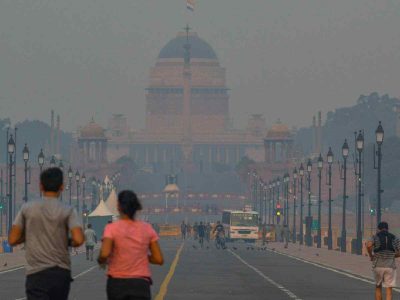
With the passing of Pamela Mountbatten Hicks, the world may have lost the last living person who was present inside Viceroy’s House, now Rashtrapati Bhavan, on the night of August 15, 1947. It was the historic night that marked the end of the British Empire and the birth of free India.
On that very night, her father Lord Louis Mountbatten administered the oath of office to Pandit Jawaharlal Nehru as Prime Minister. Pamela was also present there. She also regularly attended Gandhi’s prayer meetings at 30 January Marg and listened to his messages of non-violence and unity.
A witness to history
Pamela passed away on June 5 at the age of 97 in Oxfordshire, though the news reached the world on June 7. She was a living bridge between the final days of the British Raj and the beginning of modern India. India held a deep place in her heart. It was this affection that led her to name her daughter India.
The younger daughter of Lord Louis and Edwina Mountbatten, Pamela witnessed India’s decisive historical moment from close quarters. When her father became Viceroy in March 1947, she was just 17 years old. The brief period she spent in Delhi and across India left a profound imprint on her long life.
In her books, Pamela vividly captured the India of that era. She wrote that to reach the dining room for dinner at Viceroy’s House, one had to cycle through long corridors. While the air was filled with the joy of impending freedom, it was also thick with the tension of Partition. Lakhs of refugees were pouring into Delhi and other parts of the country. Yet Pamela would often leave Viceroy’s House and go out among ordinary people.
Delhi beyond Viceroy’s House
It is said that she regularly attended Sunday Mass with her family and friends at the Cathedral Church of the Redemption, which was within shouting distance of her home.
During the day, she worked in social welfare. She ran free medical dispensaries and clinics in villages around Delhi. She would visit tented clinics to tend to the injured and the sick. In that time of turmoil, this was not merely duty for her. It was an opportunity to understand the real life of ordinary Indians.
These small journeys brought her face to face with the realities of Delhi’s streets, villages and markets, where she would easily mingle with local women and children.
Along with freedom came the horror of Partition. Delhi was flooded with lakhs of refugees. Pamela and her mother Edwina Mountbatten plunged into relief work with the Red Cross, the United Council of Relief and Welfare, and other organisations. They dressed the wounds of riot victims, distributed medicines, and remained immersed day and night in relief efforts.
These experiences gave them a deep lesson in India’s diversity, pain and humanity.
Memories of India
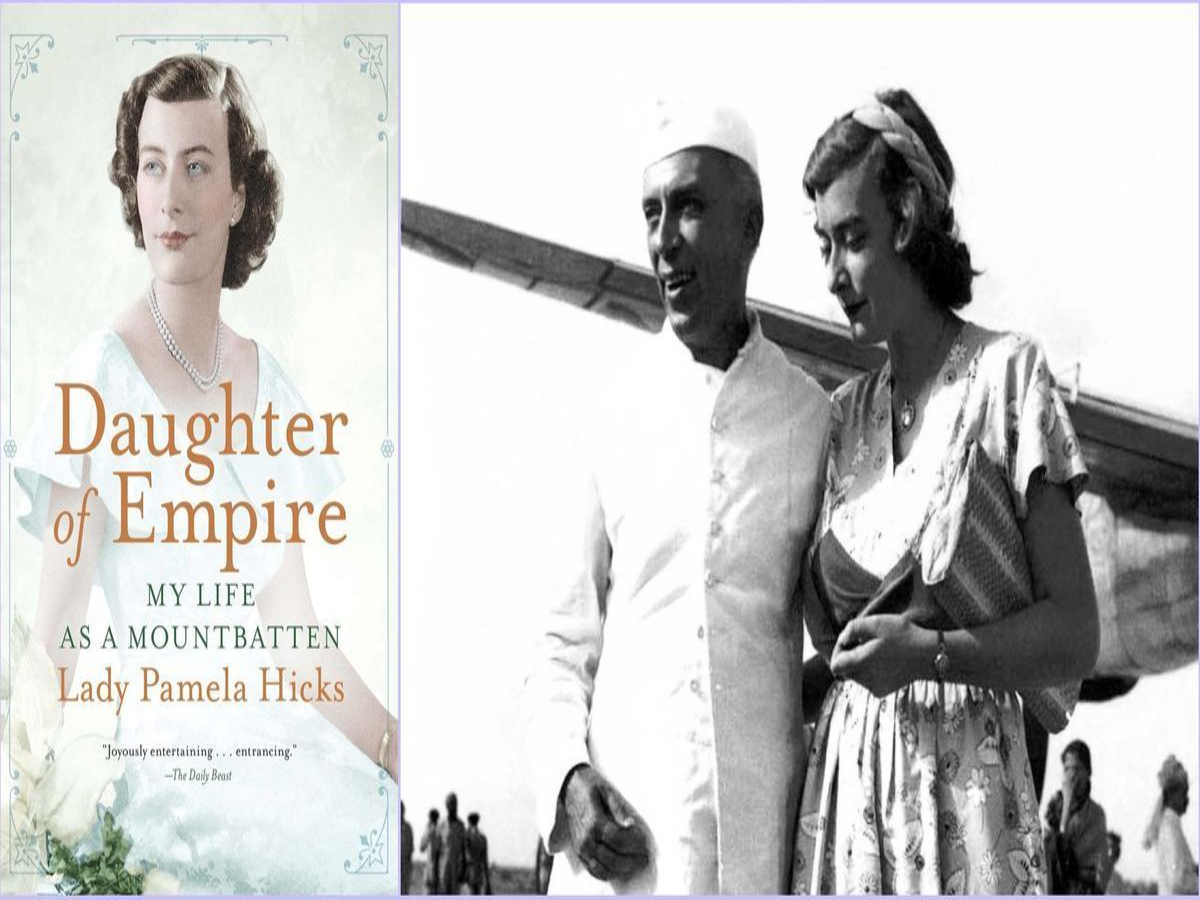
Pamela’s two major books, India Remembered: A Personal Account of the Mountbattens During the Transfer of Powerand Daughter of Empire: Life as a Mountbatten, offer a detailed, lively and deeply personal account of those days.
Based on her diaries, letters and memories, they narrate the story of the end of Empire, the achievement of freedom, the tragedy of Partition, and the foundations of the new India.
“Among the most memorable moments of her time in India were her close relationships with Mahatma Gandhi and Jawaharlal Nehru. Pamela affectionately called him Gandhiji,” says writer Firoz Bakht Ahmed.
Once, when Gandhi visited Viceroy’s House for tea, he placed his frail hand on Pamela’s shoulder. The photograph caused controversy in Britain, but for Pamela, it was a symbol of humanity and warmth.
When she fell from a horse, Gandhi sent her a card with his good wishes, which she preserved all her life. She also meditated with Gandhiji and adopted his belief that “all religions are branches of the same tree”. Because of this, she retained lifelong respect for all faiths.
On her passing, her daughter India Hicks said in an emotional message: “My mother was a witness to an era.”
Pamela’s memories stand as an indelible testimony not only to the end of the British Empire but also to the human dimension of the India-Pakistan Partition.
Read More: Remembering the ‘Queen of Thumri’