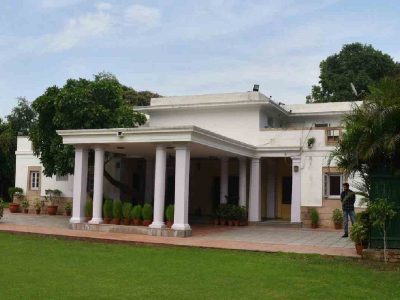
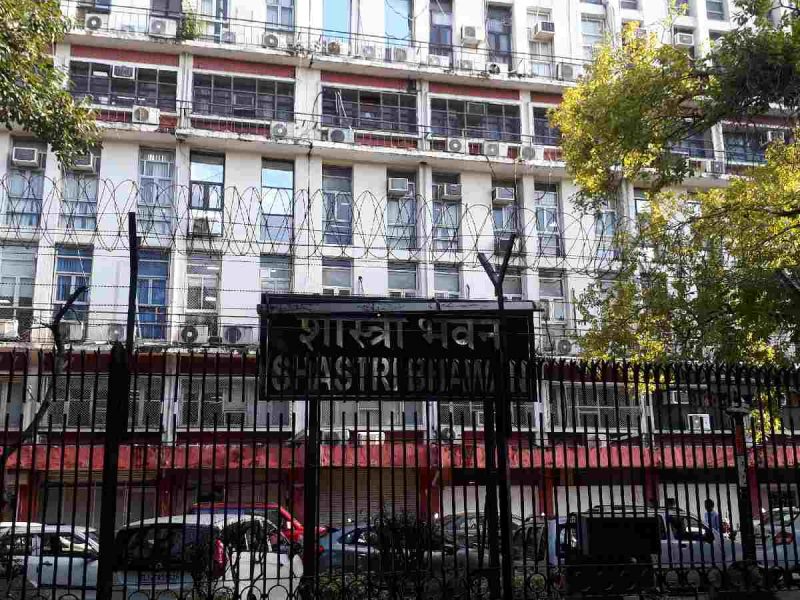
Shastri Bhawan is set to be demolished as part of the Central Vista Redevelopment Project. Once a bustling government complex, it is steadily emptying as ministries move to the nearby Kartavya Bhawan. For many readers and researchers, however, the bigger question concerns the future of the Central Secretariat Library (CSL), housed within the building.
Run by the Ministry of Culture, CSL is the second largest library of the Central Government after the National Library in Kolkata, and one of the oldest in India. It serves government officials, researchers, students and the general public.
The CSL traces its origins to 1891, when it was established as the Imperial Secretariat Library in Kolkata (then Calcutta). It moved to Delhi after the Capital shifted in 1911-12, operating first from the Old Secretariat in Civil Lines and later partly from Shimla. In 1931, it shifted to North Block after the new Secretariat building was inaugurated, and in 1948 it was renamed the Central Secretariat Library. Since 1969, it has functioned from G-Wing of Shastri Bhawan.
The library has long been frequented by senior government officials. Former Union Minister MS Gill frequently borrowed books from the library while serving in Shastri Bhawan and often recommended titles to the staff. According to a staff member, Union Home Secretary Govind Mohan also borrowed books while serving in the Ministry of Culture.
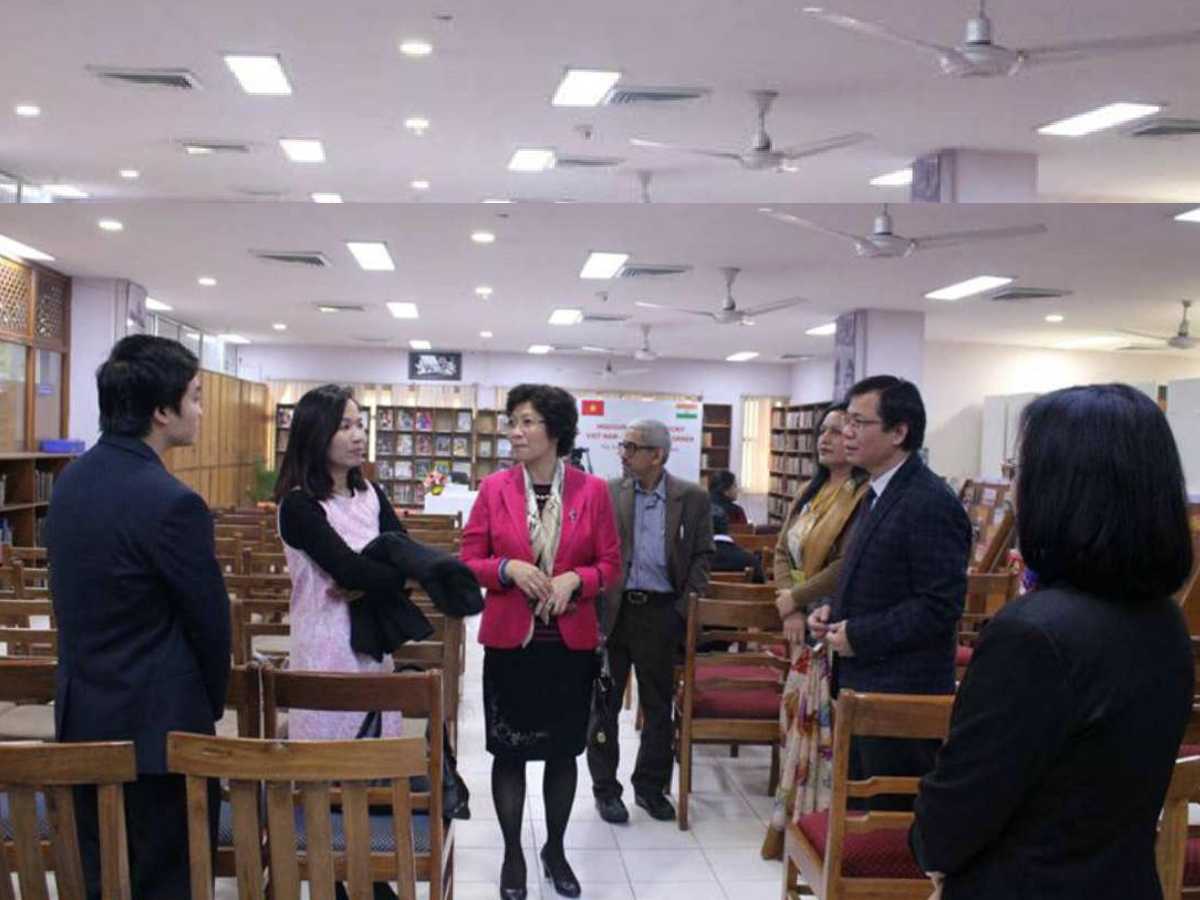
The library remains well used. From morning to evening, readers occupy its reading halls, studying or borrowing books. Many are preparing for competitive examinations such as the UPSC and SSC. The quiet atmosphere and extensive collection make it a popular destination for serious readers.
Why the CSL matters
Its extensive collection is what sets the library apart.
A staff member, who requested anonymity, says: “CSL is not just an ordinary library.”
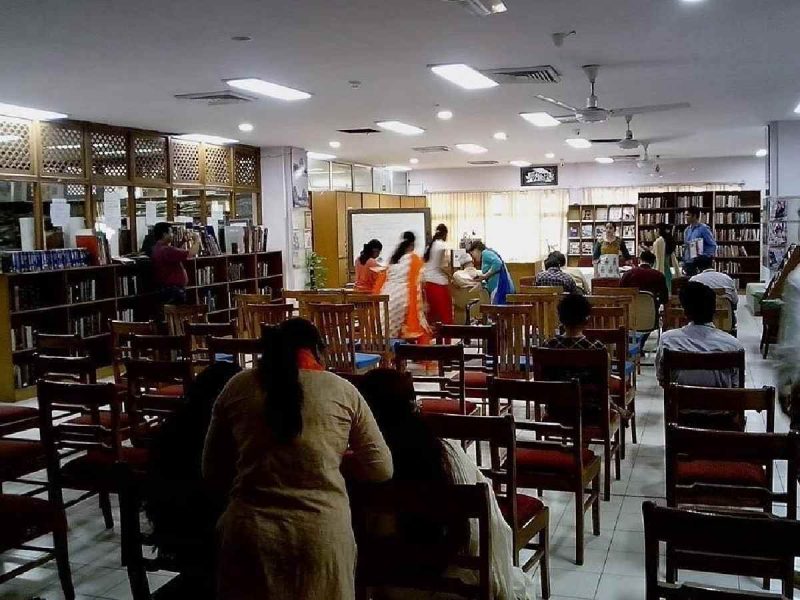
“It is a living storehouse of India’s administrative, historical, and cultural knowledge. It holds more than 8.5 lakh books, documents, and non-print materials. This huge collection includes rare and valuable items that tell the story of India’s past and present.”
Its collection includes more than 5,500 rare books, some dating back to 1702. Many have been digitised for preservation and wider access. Among them is a 1702 French volume on voyages related to the East India Company.
Says SK Jha, a veteran journalist, “I used to visit CSL to borrow books on films and film personalities. I have not seen any library that has a dedicated section for books on the film world.”
A wealth of knowledge
The CSL covers a wide range of topics such as diplomacy, history, religion, sociology, economics, literature, politics, law, sports, cinema and more. Its holdings span diplomacy, history, religion, sociology, economics, literature, politics, law, sports and cinema, among other subjects.
Beyond books, the library houses annual reports of ministries, Budget documents, Census reports, Parliamentary debates, committee reports and copies of the Gazette of India dating back to 1922, many of them digitised.
It also holds around 60,000 official publications from organisations such as the United Nations, the World Bank and the IMF, as well as governments including the US, UK, Canada and Australia. There are also detailed studies on Indian states, districts, cities, and foreign countries covering history, society, politics and culture. The biography section is particularly rich, helping researchers understand the lives of important personalities.
An uncertain future
The uncertainty surrounding Shastri Bhawan has inevitably raised questions about the library’s future.
RK Arora, a retired government officer from the Home Ministry, has been visiting the library regularly since 1975. Now in his seventies, he has read hundreds of books from here. He says: “Book lovers like me fear the library could be shifted away from the heart of the city.” Some library staff also share this concern, though they hesitate to speak openly.
Plans for the redevelopment suggest the library may occupy a smaller space in the new complex, raising concerns about facilities for readers and researchers.
Preserving a legacy
The redevelopment of Shastri Bhawan is part of a broader effort to modernise government infrastructure under the Central Vista project. Even so, many readers argue that institutions such as the CSL deserve equal attention as part of the Capital’s intellectual heritage.
“During redevelopment, the library should be given a proper central location. This will ensure that researchers, students, officers, and common readers can continue to benefit from this treasure of knowledge,” concludes Jha.
It is hoped that the CSL remains a proud landmark in the heart of the capital, continuing to inspire and inform generations to come.