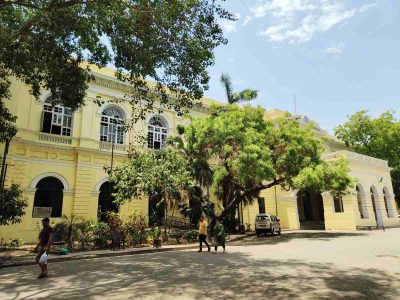
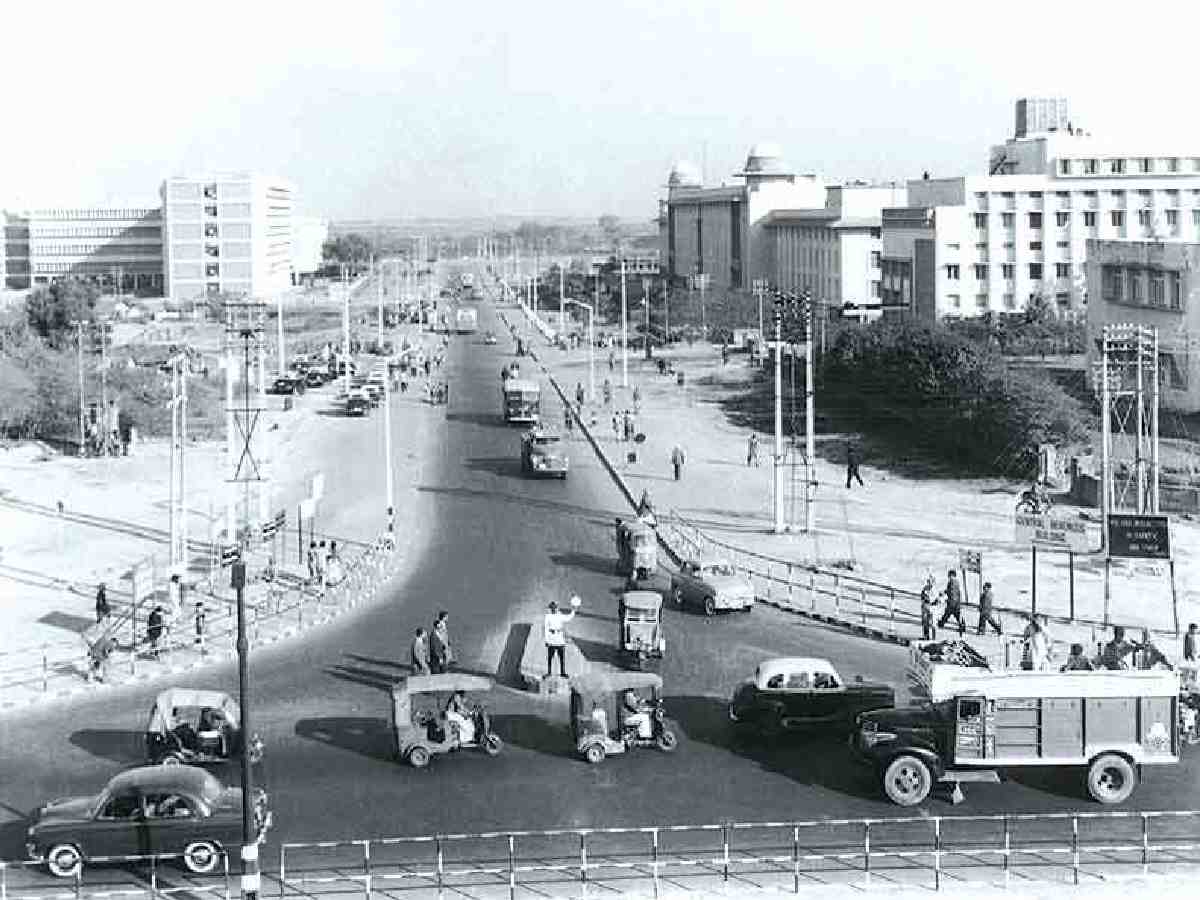
The area is officially known as Indraprastha Estate, but generations of Delhiites have known it simply as ITO, after the Income Tax Office that dominates the stretch. For decades, the complex has drawn taxpayers, consultants, employees and visitors on working days. That familiar landscape is now set to change.
The Indian Medical Association (IMA) House has already been demolished, and a new building is rising in its place. The Income Tax Office complex is also set to be demolished to make way for a new Delhi Secretariat. Under an understanding between the Delhi government and the Income Tax Department, the IT offices will move into high-rise buildings within the ITO area. The redevelopment will alter the character of one of central Delhi’s longstanding administrative districts.
Building a modern capital
Most of the buildings that define Indraprastha Estate, including the Accountant General of Central Revenue (AGCR), the Income Tax complex and CPWD buildings, were constructed in the mid-1950s and early 1960s. One of the younger major landmarks is Vikas Minar, designed by modernist architect Habib Rahman and completed in 1976.
The 23-storey tower, which houses the engineering department of the Delhi Development Authority, was once regarded as the tallest building in the capital, rising higher than the Qutb Minar. “Rahman left a strong imprint on the IP Estate. He also designed the AGCR, University Grants Commission and World Health Organization (WHO) buildings. When the WHO structure was demolished a few years ago, architects and urbanists protested, arguing that an outstanding example of modernist design had been lost without sufficient cause,” says Farhat Suri, a former Mayor of Delhi.
The cost of ageing
The Income Tax Building reflects the clean lines, functional planning and climatic adaptations, including chajjas, characteristic of the architecture that emerged during the early decades after Independence. Rahman also contributed to the design of key elements in the area, including the distinctive Y-shaped and drum-shaped blocks associated with ITO.
“Over the decades, the buildings have visibly aged. Parking has become a daily ordeal, and the structures no longer meet contemporary standards of space, safety or efficiency,” says Rakesh Kumar, who worked in the Income Tax building for several years.
SK Gambhir, a long-time Income Tax consultant who has visited the complex for more than four decades, also describes the building as being in poor condition. He hopes the Income Tax offices will eventually move to more spacious and better-equipped premises.
Why ITO is being redeveloped
The question of office space, however, is not confined to the Income Tax Department.
Facing severe space constraints at its existing Secretariat, housed in the Players’ Building originally constructed for athletes during the 1982 Asian Games, the Delhi government has chosen ITO as the site for a new headquarters.
“Two new buildings will rise on either side of the IP Estate. The Income Tax Office and adjoining government parcels on one side — roughly 10 acres in total — will be cleared for a high-tech, single-tower Delhi Secretariat. On the opposite side, the existing PWD headquarters site, covering about eight acres, will host a new multi-storey complex for the Income Tax Department and some other Delhi government offices,” a senior Delhi government official says.
A new skyline for ITO
When complete, the two buildings will significantly alter the visual character of ITO.
The low- and mid-rise concrete and brick structures of the 1950s and 1960s will give way to taller, contemporary buildings. Earlier concepts for the new Secretariat envisaged a high-rise of around 30 to 35 floors, with some discussions of a greater height. The new Income Tax building will create a similarly modern presence across the road. Vikas Minar, which has long stood out on the ITO skyline, will consequently appear less dominant as the scale of the area changes.
The new buildings are also expected to incorporate features aimed at improving efficiency, sustainability and user comfort. These could include solar power systems, rainwater harvesting, energy-efficient façades and climate-control systems suited to Delhi’s extreme weather.
“Multi-level parking will address the shortage that has long affected the old complexes. Seismic-resistant engineering, upgraded fire-safety systems, centralised digital infrastructure, and modern conference and auditorium facilities are also likely to be part of the design. Accessibility for persons with disabilities, improved circulation and integrated public spaces should also be priorities,” says a south Delhi-based architect.
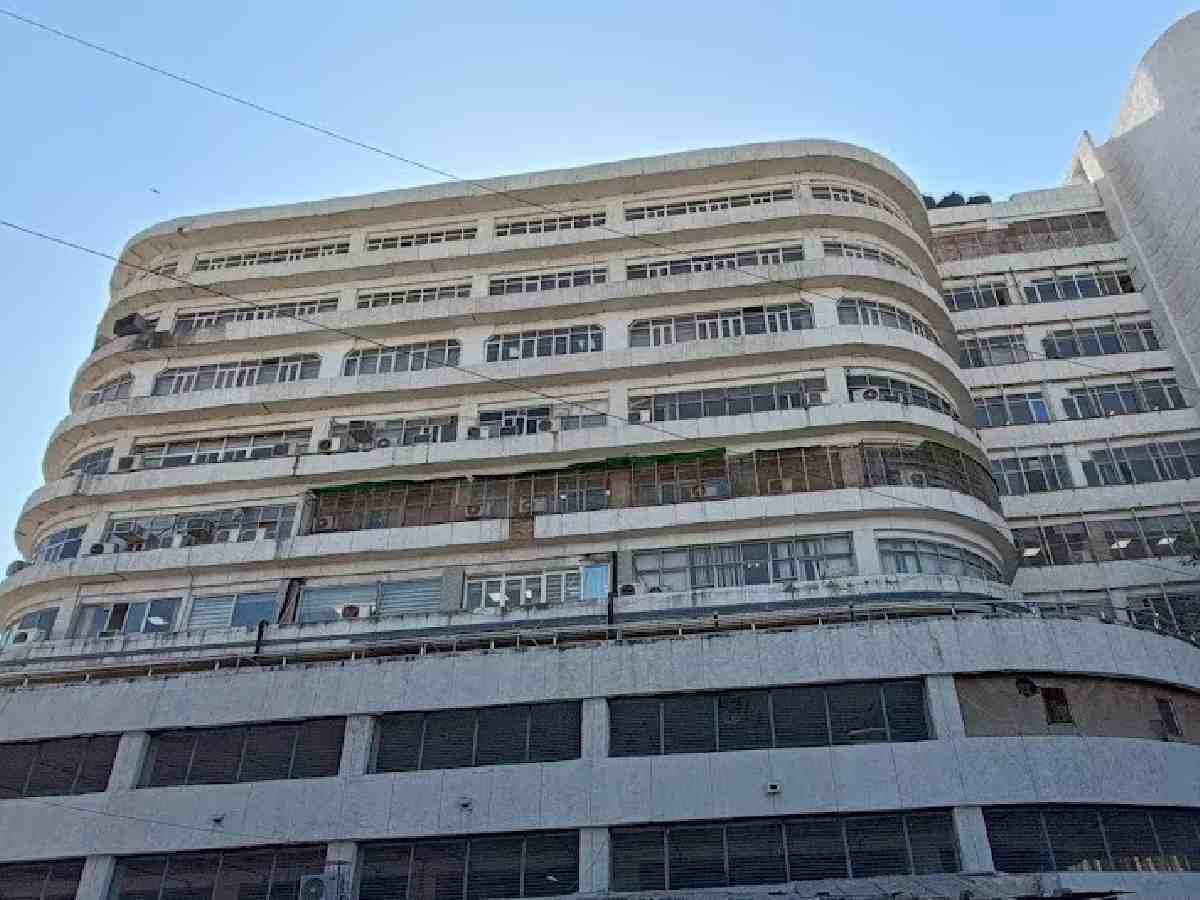
The new Secretariat is expected to bring the Chief Minister’s office, ministers, senior bureaucrats and multiple departments under one roof, reducing the administrative fragmentation created by the existing arrangement.
A wider transformation
Redevelopment of this scale could also lead to further changes in the area. With the IMA House already under reconstruction and the Secretariat-Income Tax project moving ahead, attention may eventually turn to other ageing structures in the IP Estate, including the AGCR and CPWD buildings. The redevelopment of individual sites could gradually alter the character of the wider administrative district.
For Delhiites who have known ITO primarily as a cluster of ageing government offices, the changes will also alter the experience of moving through and working in the area. New buildings, improved infrastructure and better parking could make the district more functional for employees and visitors.
The Income Tax building and the IMA House have been part of Delhi’s everyday landscape for generations. Their demolition marks the end of one phase of the capital’s post-Independence architectural history. Once the new buildings are complete, the area still known as ITO will have a markedly different skyline and a different physical character. The name may remain, but much of the landscape associated with it will belong to the past.