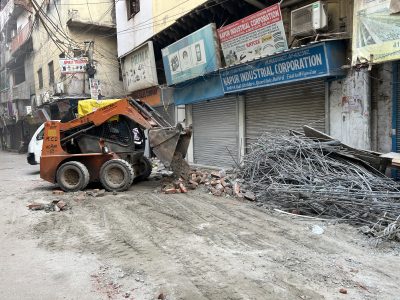
At 15, while most children his age are expected to be in school, Amaan Hussain (name changed) spends his days collecting chips from discarded mobile phones in Old Seelampur. For him, the work is not a choice but a responsibility tied to his family’s circumstances.
“I do this for a living. I live in a Seemapuri cluster. My father became disabled after an accident. We are four siblings, and my mother works as a domestic help. I have to do this work to support the family,” he says.
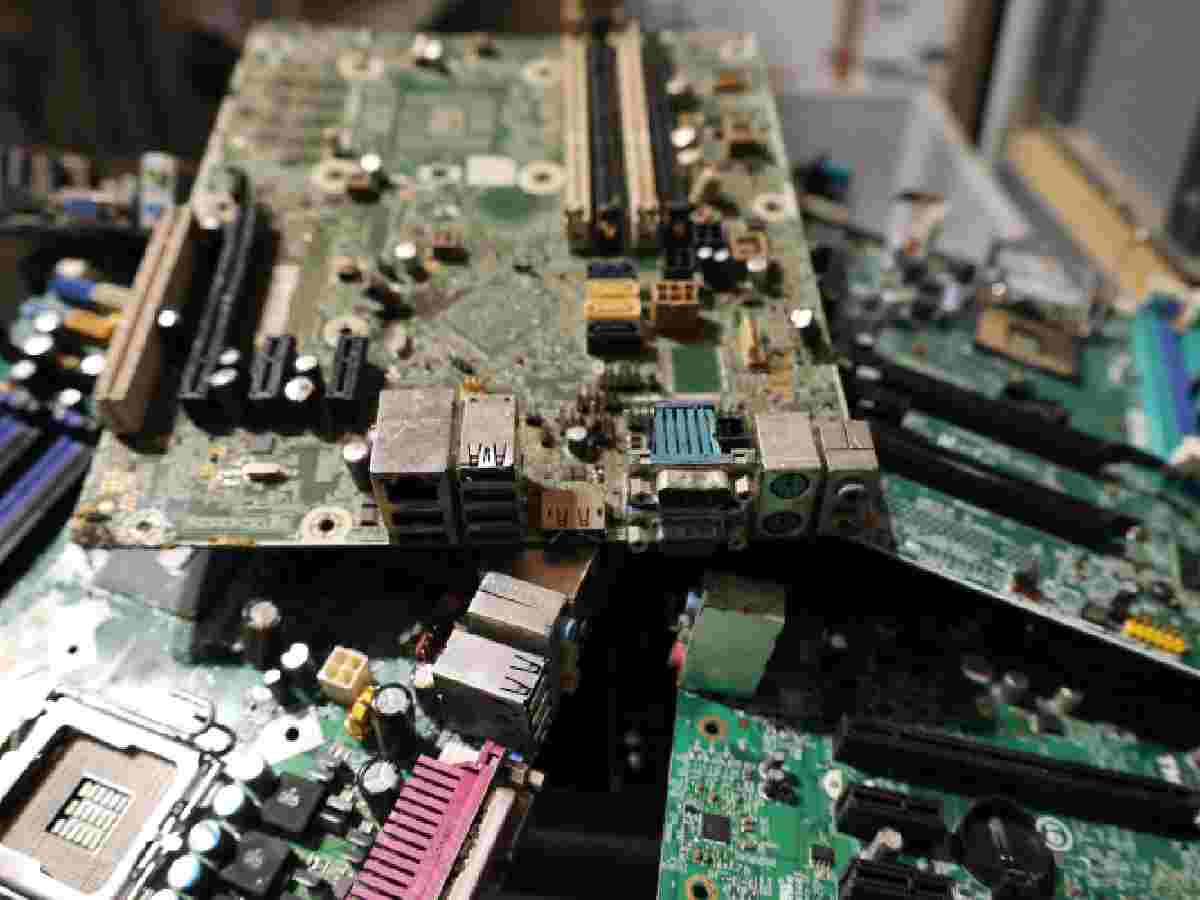
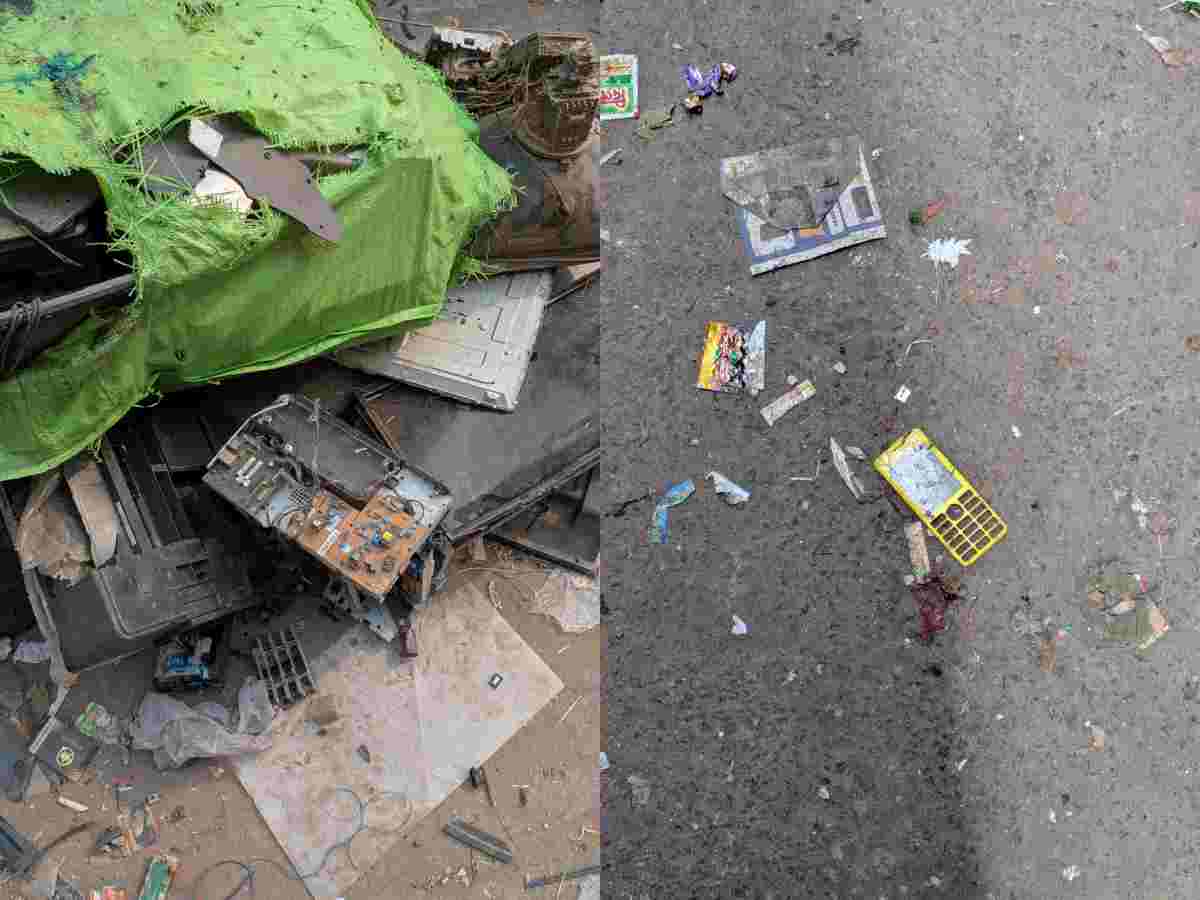
Amaan is among several workers who depend on Old Seelampur’s informal electronic waste market for their livelihood. In the narrow lanes of North East Delhi’s Seelampur, discarded mobile phones, computers, tangled wires and electronic components are sorted and dismantled to recover materials that can be sold again. What others throw away becomes a source of income for people who spend their days extracting value from it.
But the work comes with its own difficulties. Behind the busy scrap shops and dismantling units are workers who spend hours handling electronic components, often without adequate protective equipment. For those who live and work in the area, the concerns extend beyond earning a daily wage to the conditions in which they carry out their work.
Eight hours amid smoke
Inside a shop where electronic chips are dismantled, 49-year-old Mahesh Kumar describes what a typical working day looks like. Separating the chips, he says, produces smoke that workers inhale throughout the process.
“Smoke is produced while separating these chips, and it goes straight into our noses. We have developed coughs, but what can we do? This is our work. Even wearing a mask feels pointless when we have to do this throughout the day. The work continues for nearly eight hours. What difference does that make?” he says.
For Mahesh Kumar, the problem is not limited to the smoke produced during the work. It is also about the number of hours he spends around it. Taking a break or wearing a mask, he feels, does little to change the larger circumstances of his working day.
His account reflects the difficult choices faced by people dependent on informal work. Even when the conditions are uncomfortable, stopping work is rarely an option when the day’s earnings are needed to run a household.
For people in the scrap trade, changing pollution levels in Delhi do not necessarily translate into changes in their daily routine.
‘All jobs are tough’
Shahrukh Ahmed, a scrap dealer, says their work continues throughout the year, regardless of the city’s pollution levels.
“Which work does not have difficulties? Every job has those. For us, the entire year is the same. Whether there is pollution or not, we have to continue doing the same work,” he says.
Another worker, Nadeem Khan, questions whether the government’s pollution-control measures have made any noticeable difference to people working in the locality.
“Whether the government has done anything or not makes little difference to us. No special measures have been taken here for people like us. What problem can we talk about? This is the work we have to do, so we have to continue doing it,” he says.
For these workers, Delhi’s pollution is not a temporary disruption that allows them to pause their activities. It is part of the environment in which they earn their livelihood. While the city discusses air quality and pollution-control measures, the people working in the market continue with the same routine.
Fraught with risks
Old Seelampur has developed a large informal economy around discarded electronics. Collectors, scrap dealers and dismantling workers form a network through which old mobile phones, computers, wires and other electronic components are sorted and passed on for further processing.
The work is largely manual, with workers separating different components and recovering materials that can be reused or sold. However, electronic waste can contain hazardous substances such as lead and mercury, and unsafe handling and processing can pose risks to workers and the surrounding environment.
For people who spend long hours in dismantling shops, access to protective equipment, proper ventilation and safer working arrangements becomes particularly important.
Amaan’s presence in the market also raises questions about the involvement of children in the informal workforce. Under the Child and Adolescent Labour (Prohibition and Regulation) Act, 1986 (as amended in 2016), employment of adolescents aged 14–18 is prohibited in hazardous occupations and processes. His account points to the economic pressures that can push young people into work when their families have limited sources of income.
While the trade provides employment to several people, the conditions under which that work takes place remain a concern.
The government has introduced regulations to make electronic waste management more organised. The E-Waste (Management) Rules, 2022, require producers, manufacturers, refurbishers and recyclers to register with the Central Pollution Control Board and follow prescribed recycling procedures.
Delhi is also developing an e-waste eco park at Holambi Kalan. The proposed facility is intended to create an organised system for the collection, dismantling and recycling of electronic waste. The Delhi Economic Survey 2025–26, however, records that the capital does not have an e-waste recycling facility and lists only three authorised dismantlers and 13 refurbishers.
The proposed Eco Park is expected to provide training and tools to informal-sector workers, helping them move towards formal recycling arrangements. However, the facility is not yet operational, with the latest tender published in October 2026 and bids scheduled to close in December.
Big questions
For workers in Old Seelampur, the question is whether these plans will translate into safer working conditions and more secure livelihoods.
The government may be working towards a formal recycling system, but the people already involved in the trade cannot simply be left outside it. Their experience, skills and dependence on this work need to be considered in any transition.
Authorities were approached for comments on pollution monitoring, enforcement and measures for workers in Old Seelampur. However, no response had been received at the time of filing.
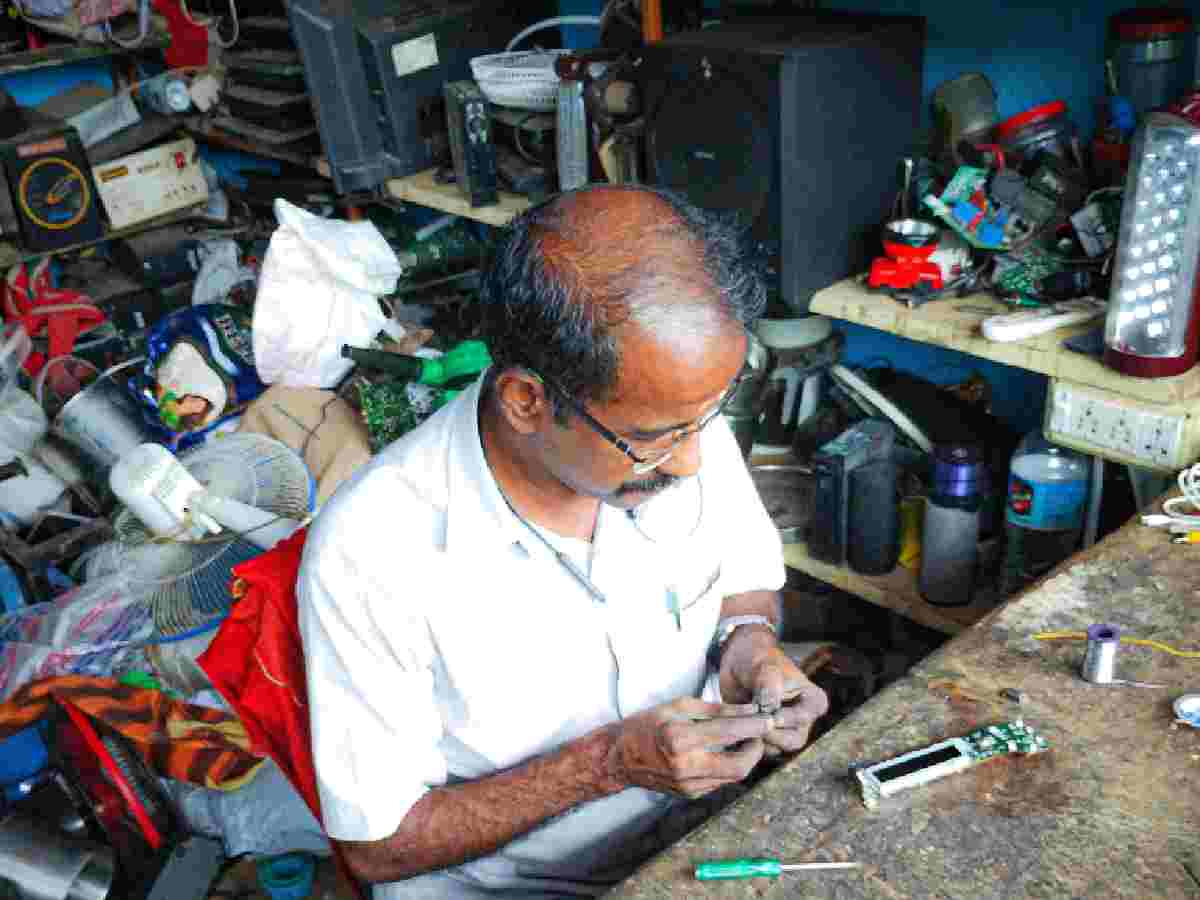
Behind every discarded phone and computer that enters the recycling chain are people whose work makes its recovery possible. In Old Seelampur, their livelihoods depend on electronic waste — and the conditions in which they earn them remain the question Delhi’s formal recycling plans have yet to answer.