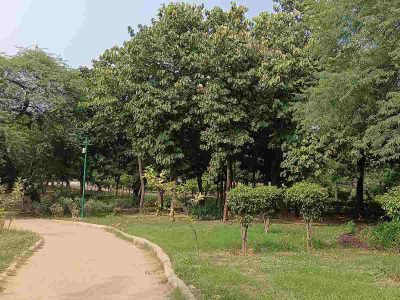
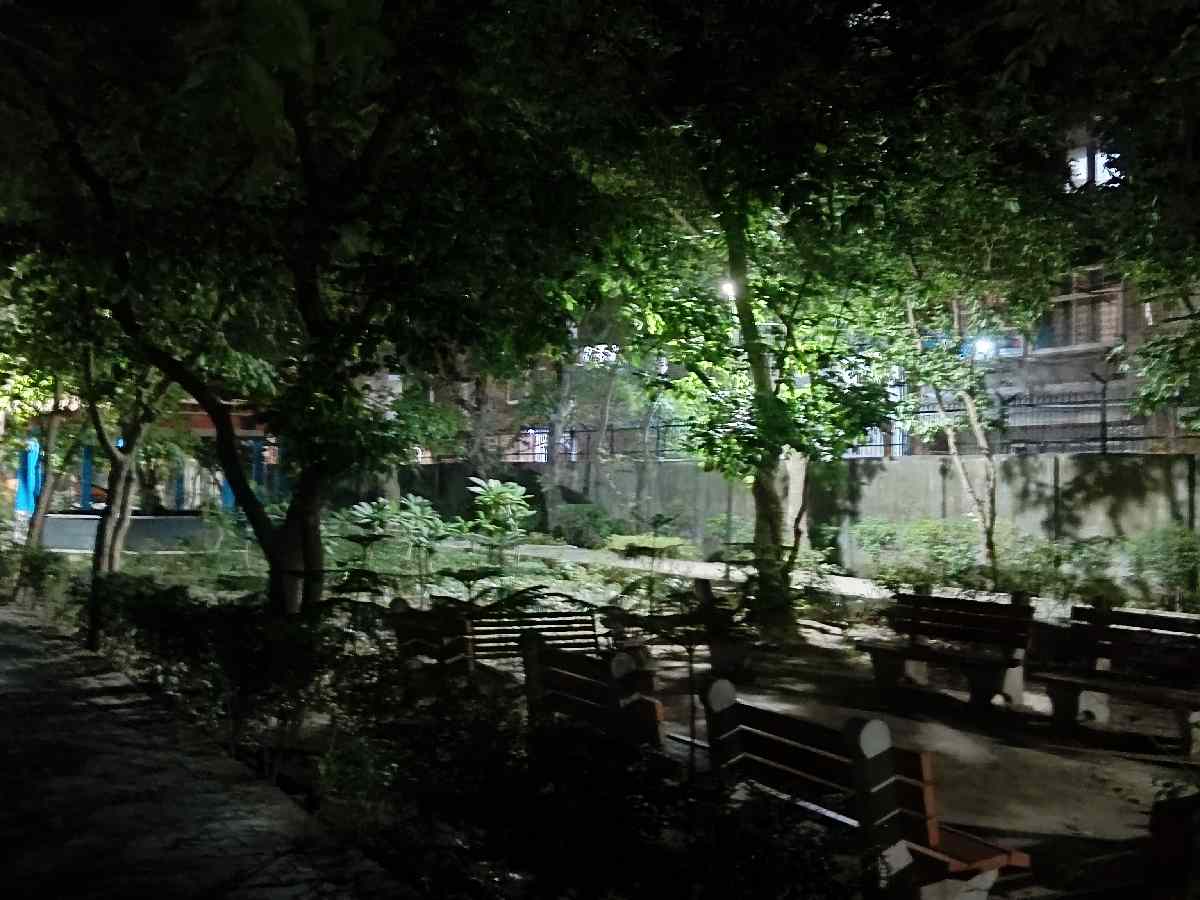
Spread across 122 acres, Sanjay Lake Park, maintained by the Delhi Development Authority (DDA), was proposed almost 40 years ago as a space for all to enjoy. When it opened, East Delhi residents got their first sight of an open, green space in what was essentially the Capital’s backwaters. However, today, that expansive greenery has given way to a derelict site.
According to an audit conducted by the authority after the gang rape of a 17-year-old girl in its park in Kalkaji last month, only 16 of the 736 DDA parks, or 2%, have CCTV surveillance.
Following the audit, ordered by Lieutenant Governor Taranjit Singh Sandhu, the DDA has categorised 190 of its 736 parks, or around one-quarter, as ‘high risk’.
According to a DDA official, ‘high risk’ parks include those where issues such as night-time infiltration, local nuisance, encroachment, crime-prone surroundings, dense forest areas and drug-related activities have been identified.
Astha Kunj
Parks categorised as ‘high risk’ include Astha Kunj, where the 17-year-old was allegedly gang-raped on September 21; the green area at Hastsal; Hauz Khas District Park; the green area at Maa Anandmayi Marg; Sanjay Lake; Jahanpanah City Forest; the Ridge and forest areas; and biodiversity parks along the Yamuna floodplains.
The audit found that CCTV cameras are functioning in only 16 DDA parks. Based on its findings, the authority has identified another 323 parks where new CCTV cameras need to be installed.
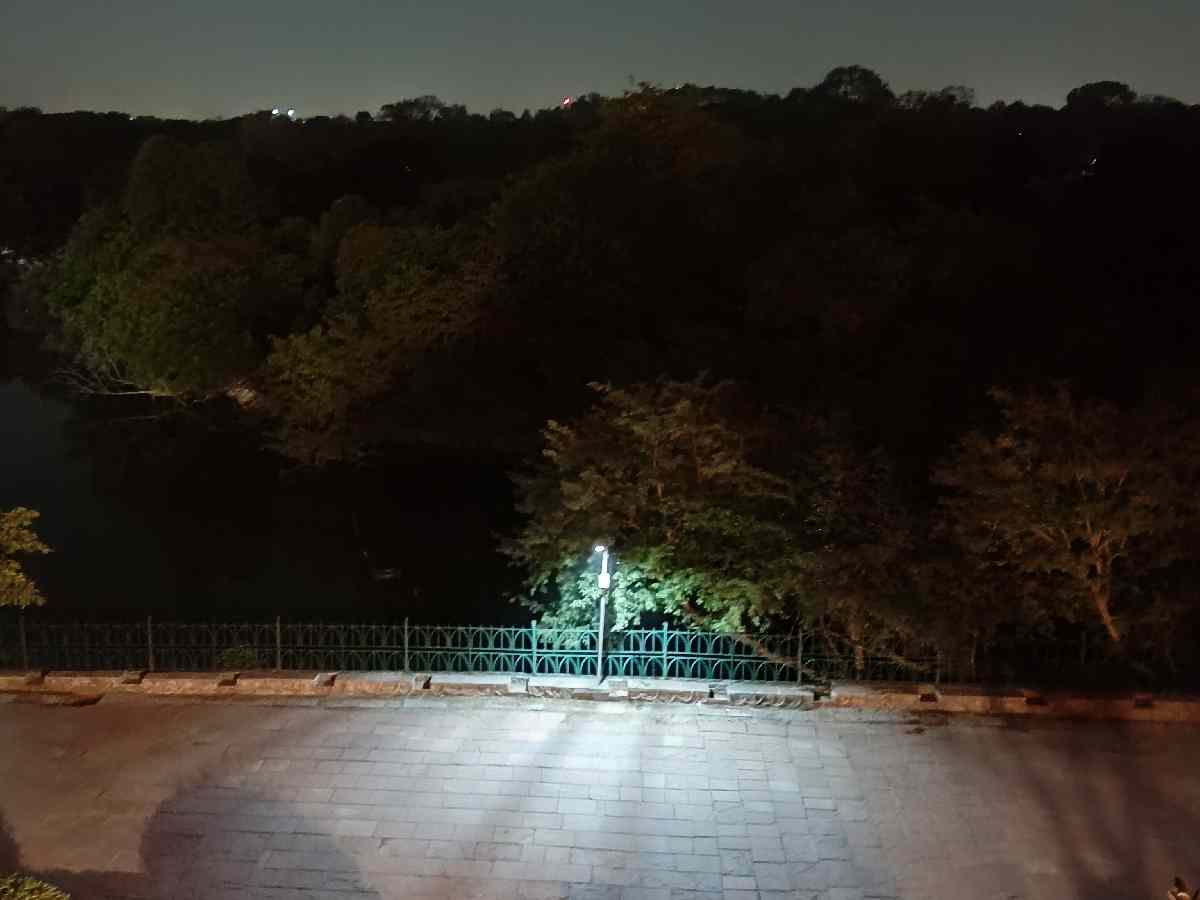
The DDA has also identified 520 parks requiring additional lighting. Of these, 231 have been taken up for the ‘immediate provision’ of lighting.
The audit further identified 163 parks with issues related to gates and access security. The DDA said it will convert gates that cannot be locked into lockable gates.
Boundary-related vulnerabilities were found in 399 parks, and the authority said it has since repaired missing grilles in 233 of them.
The DDA has categorised another 258 parks as ‘medium risk’ and 288 as ‘low risk’.
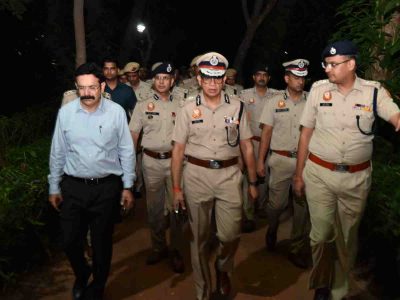
The authority said high-risk parks are ‘being addressed on an immediate basis’. It has also begun night patrolling in 245 major parks across the Capital.
Bike patrols
“Large parks have been provided with bike patrolling for faster coverage, with hooters where required, to ensure quick response to incidents. Standard Operating Procedures are in progress for patrolling, guard performance, supervisor accountability, attendance, reporting and police coordination,” a DDA official said.
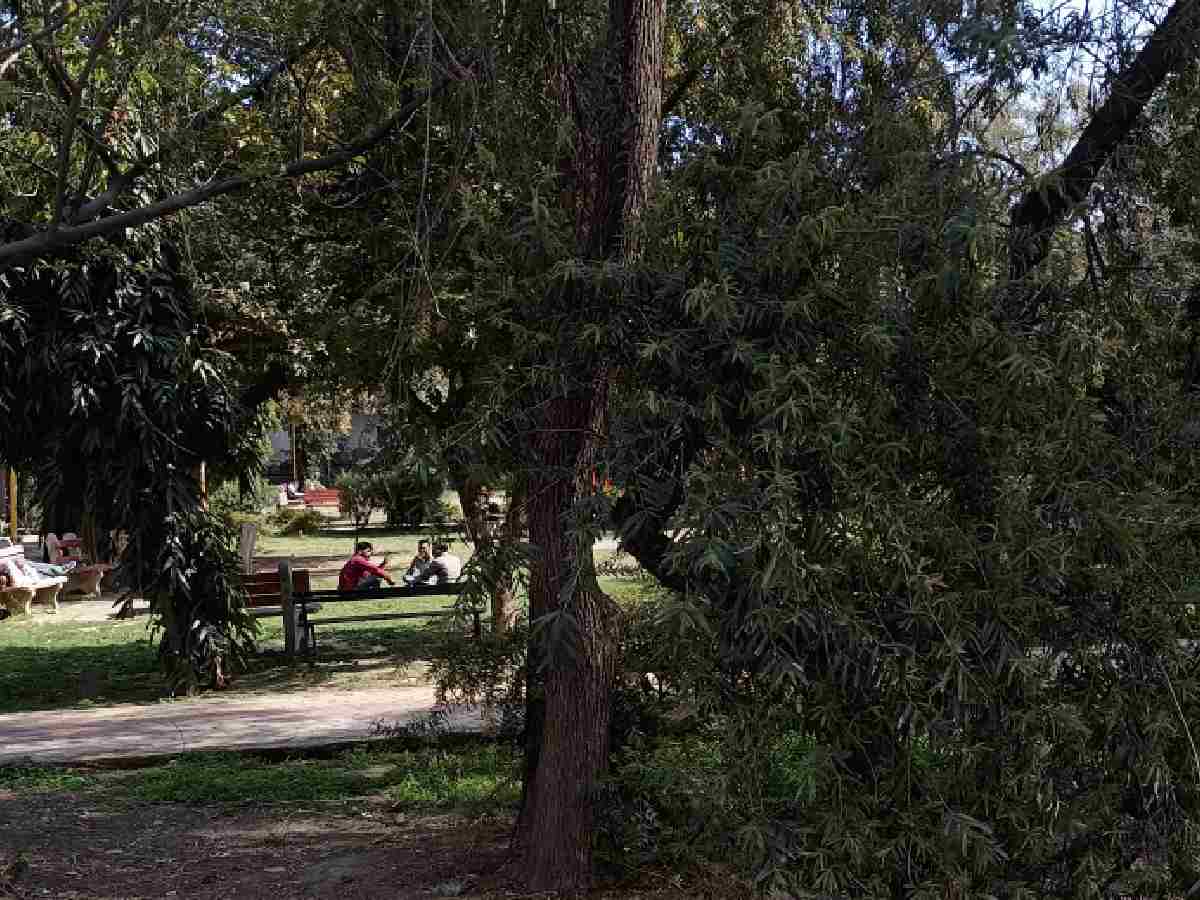
The authority has also activated biometric attendance for security guards in 602 parks and said it would expand the system to all parks.
In addition, senior officials are holding meetings with Residents’ Welfare Associations to identify safety concerns specific to individual parks.
However, Sanjay Lake Park remains a concern, with only three entry points and lax security. While the DDA website says the park closes at 6 AM, the section leading to EOD Adventure Park closes at 8 PM. As a result, many still use the gate meant for the adventure park to trespass.
With few security guards posted in these areas, many residents take full advantage of the lax security. “Some just climb over the boundary walls since they are not very high either,” said a security guard, speaking on condition of anonymity.
Concern for DU students
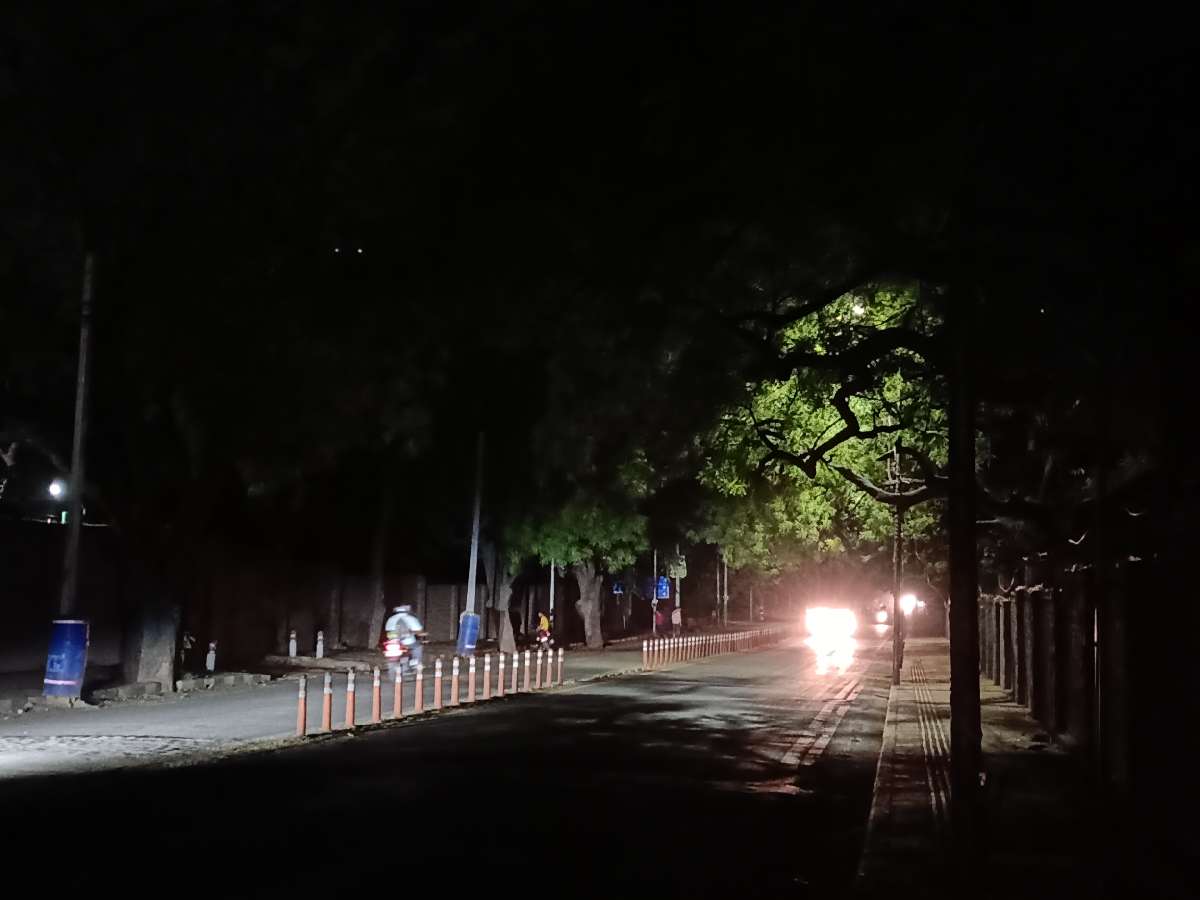
A similar situation prevails at Bonta Park in North Ridge. With one entry point near Vishwavidyalaya Metro station, it opens onto the North Campus area, with many colleges in the University enclave overlooking St Stephen’s College and Hindu College. Normally used as a thoroughfare for students in the area, the winding path leading up to the Metro station has few streetlights, and many dark spots have also led to lax patrolling.
Students said the 1.6 km stretch along Kamla Nehru Ridge, through Bonta Park, has long been unsafe, even during the day, with frequent cases of mobile snatching. “There is a lot of catcalling after sunset. We had highlighted this to the unions, but it remains to be seen if action will be taken,” said Mahek Wilson, a second-year Arts Faculty student.
A Miranda House student, requesting anonymity, said, “We try to head back home as early as possible during the student elections. In most instances, it’s fine when there is still light outside, but after 6 in the evening, the situation is grim. One of my friends was also followed along one of these stretches heading towards the Metro.”
While a PCR van is always stationed around these areas, the dark spot along Bonta Park remains untouched.
Chasing miscreants away
At the 149-acre DDA park in Hauz Khas, around 10:30 PM on September 24, a group climbed over a gate that had been closed since 8 PM. Two guards intercepted one of them, but the group escaped after a brief chase.
Guards said such incidents occur frequently and that they have limited means to prevent unauthorised entry. Although lighting and night patrols have increased, several areas remain poorly monitored because of dense vegetation.
The park also has no CCTV cameras in the vicinity, raising concerns about monitoring suspicious activity and the safety of students and other visitors.
Recent incidents of sexual assault against women and minor girls have prompted judicial scrutiny of policing in Delhi-NCR.
The Supreme Court has taken suo motu cognisance of recent rape cases and directed attention towards preventive policing, surveillance and security in vulnerable public spaces, including parks, roads, public transport hubs and educational institutions.