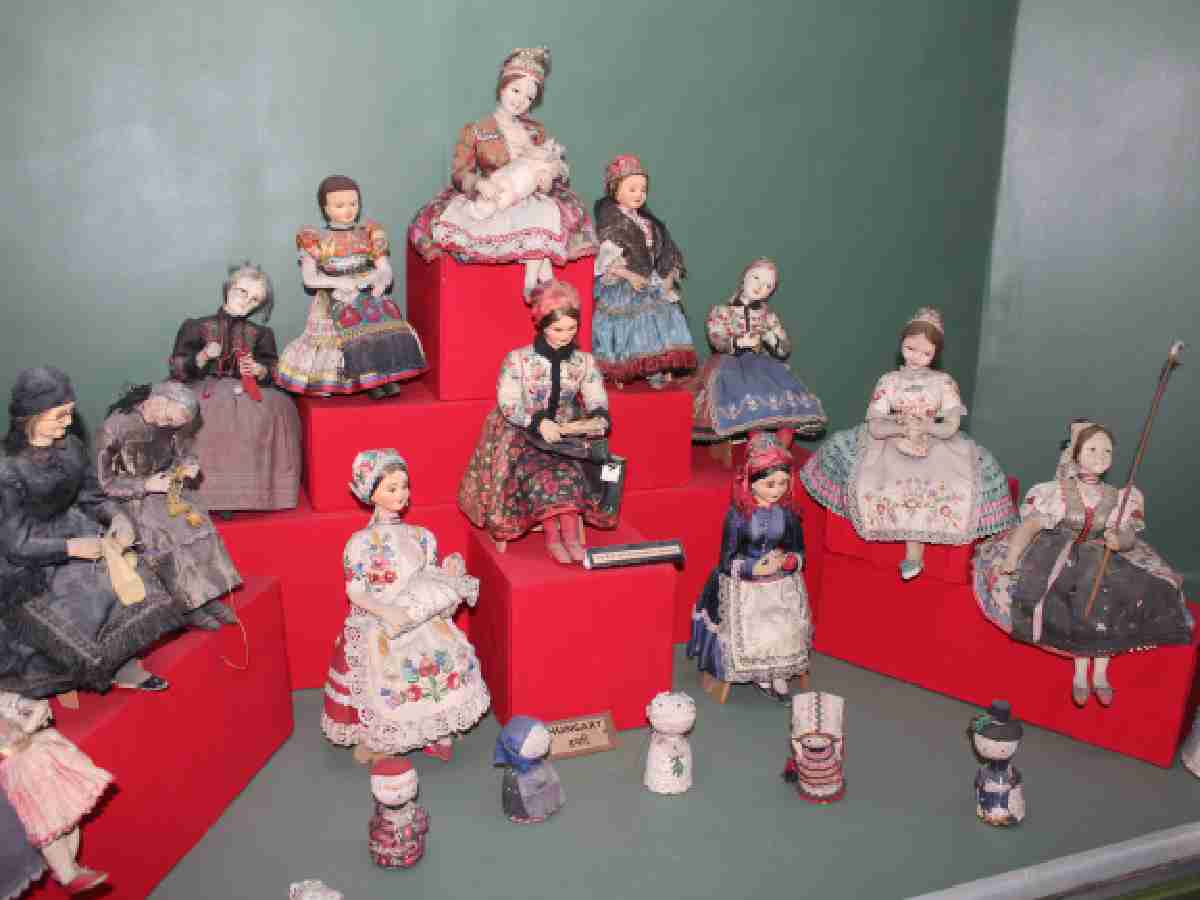
Tucked away inside Nehru House, which also houses the Children’s Book Trust, the Shankar’s International Dolls Museum is home to one of the world’s most diverse collections of dolls. Representing cultures from across India and around the globe, the museum has captivated generations of visitors with its handcrafted miniatures, vibrant costumes, and meticulous attention to detail.
The museum was established by renowned political cartoonist Kesava Shankar Pillai—better known as Shankar—whose contributions to post-Independence India also include founding the satirical magazine Shankar’s Weekly. In recognition of his work in art, education, and media, Shankar was awarded the Padma Vibhushan in 1976.
The museum was inaugurated on November 30, 1965, by then President of India, Dr S Radhakrishnan. Its extensive collection includes dolls donated by foreign ambassadors, each crafted using traditional techniques from their countries of origin. The materials are often region-specific, and the dolls’ clothing reflects local customs—from fabric and draping styles to jewellery and headgear. These vibrant, detailed figures showcase both India’s cultural richness and the shared heritage of the world.
Dolls that travel across time and borders
Among the vast collection are a few pieces that deserve special attention. The very first doll in the museum was a gift from the Hungarian ambassador, depicting Hungarian peasants. It was this gift that sparked the idea in Shankar’s mind to collect dolls from every country he visited.
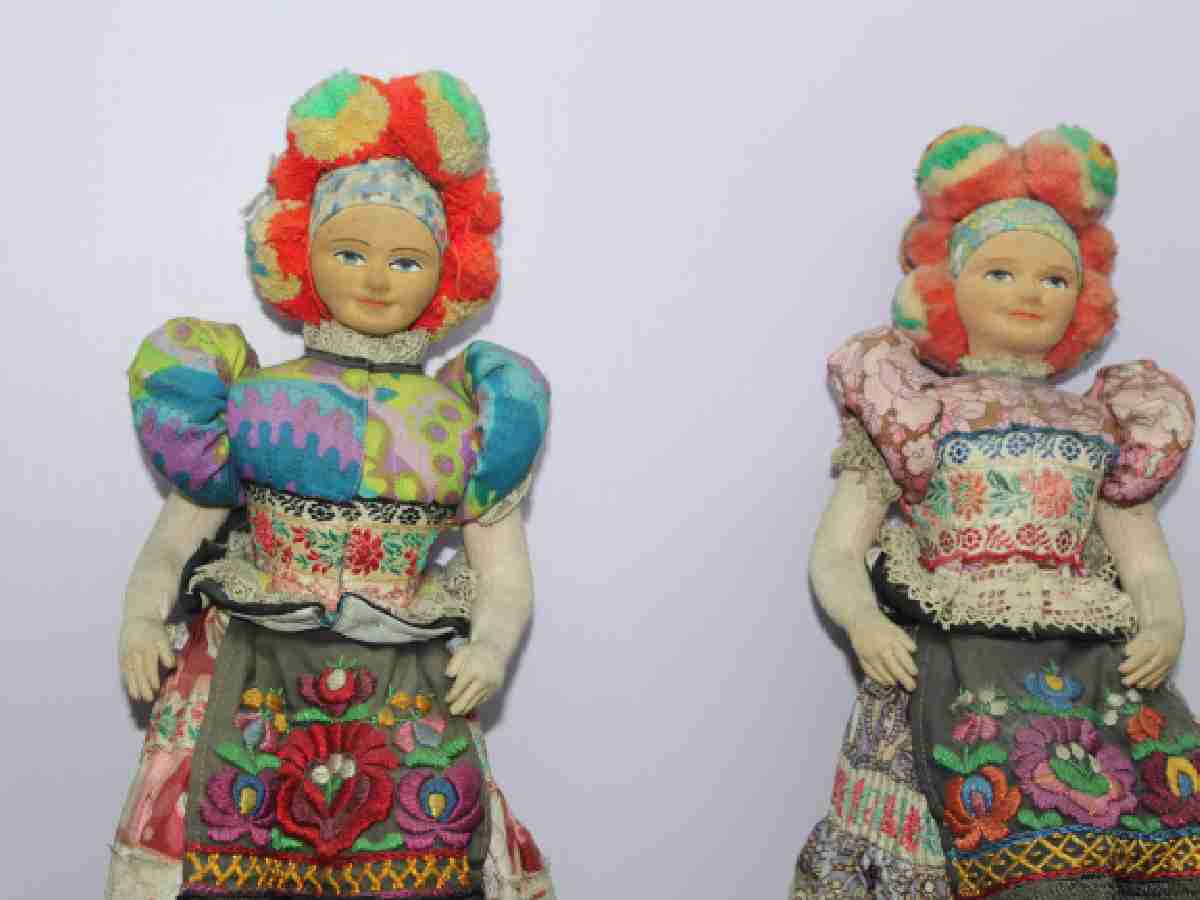 Another standout is a rare doll crafted in 1781, showing a woman sleeping on an ornate bed, complete with a delicate rug and a pair of slippers. The piece, over two centuries old, offers a glimpse into historical craftsmanship.
Inside the workshop: Crafting and care
Situated beneath the museum is a workshop where artisans craft new dolls and repair damaged ones. During a recent visit to the workshop, the artisans were seen creating and restoring dolls.
Rekha Rana, who is in charge of the dolls’ attire, explained how production is an ongoing effort. “It’s even impossible to make an estimate about how long it takes to make one doll, we’re all working non-stop, and the dolls go from one working station to another all the time.”
She noted that Kathakali and dancing dolls require the most time and detail. “There’s so many ornaments and so many small details,” she stated.
Many of these dolls are custom-made for individuals who wish to adorn their homes with vibrant handmade art. Prices range from Rs 1,500 for individual dolls to full sets that can cost up to Rs 17,000.
Fragile heritage, fading with age
Despite the museum’s charm, some visitors have raised concerns about the condition of certain dolls. On closer inspection, a few appear worn or faded. However, this is not necessarily due to neglect.
Further inquiries revealed that older dolls are so delicate that even workshop members are not permitted to touch them.
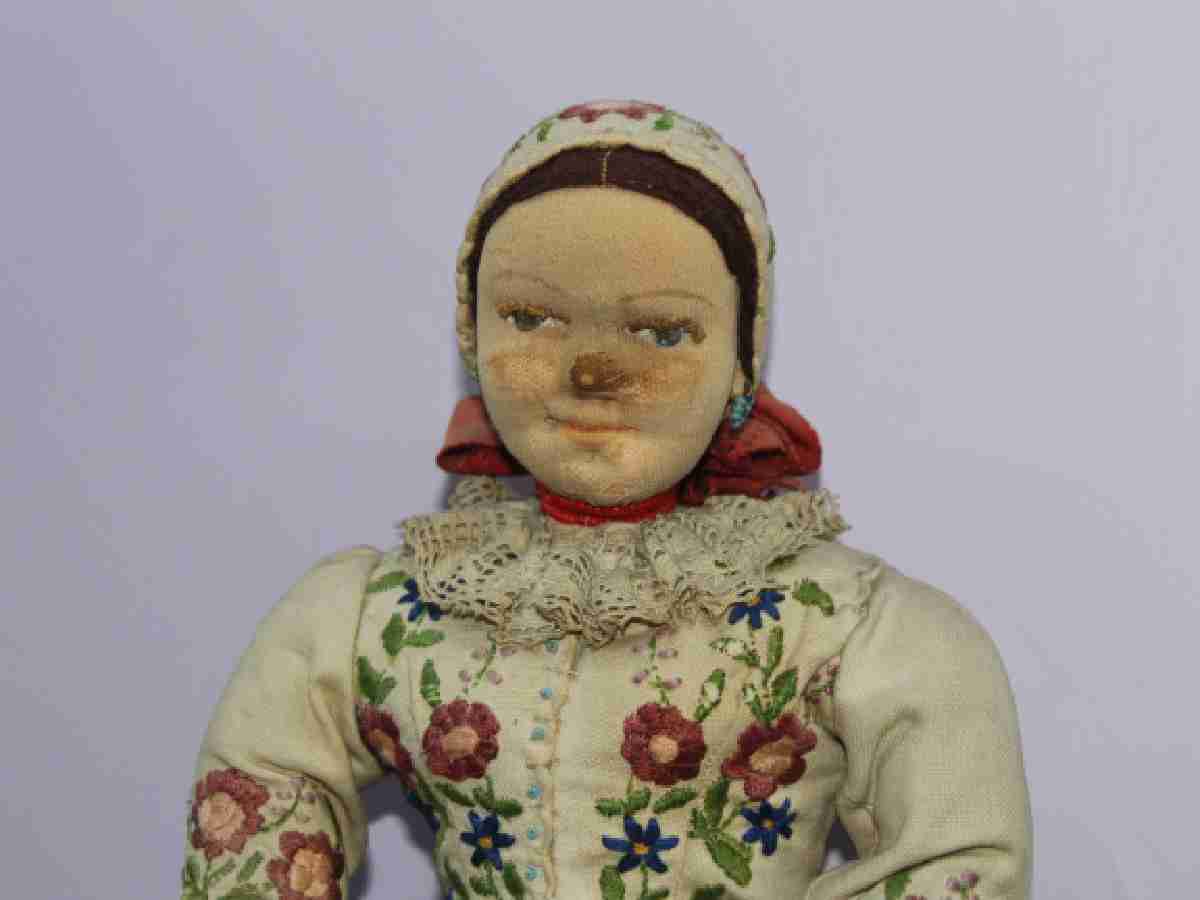 “If anyone touches them, they will either crack or break altogether. As much as we would like to make repairs, it is not possible to do so without also causing damage to the dolls,” said Rekha, who also helps with preservation. “We do repair the newer dolls, replace clothing and such, but not all dolls can be touched.”
She elaborated that many dolls are made of fabrics, which deteriorate over time. Compared to wooden or plastic dolls, cloth dolls are especially prone to wear.
She explained in profound detail how the dye fades and the cloth tears, making them extremely vulnerable. “If even the workshop members were to touch the dolls, they would suffer serious harm, due to which, they can no longer be taken out and repaired.”
A miniature archive of global stories
Even in their faded or fragile state, the dolls remain captivating works of art. The museum’s 6,500-piece collection represents approximately 85 countries, offering cultural insights through costume, posture, and storytelling.
Also Read: National Science Day: Top museums and landmarks to explore in Delhi
A standout section of the museum displays brides and grooms from different cultures, each bride adorned in intricate jewellery and traditional clothing, accompanied by her groom. Other displays showcase classical dance forms such as Bharatanatyam and Kathakali.
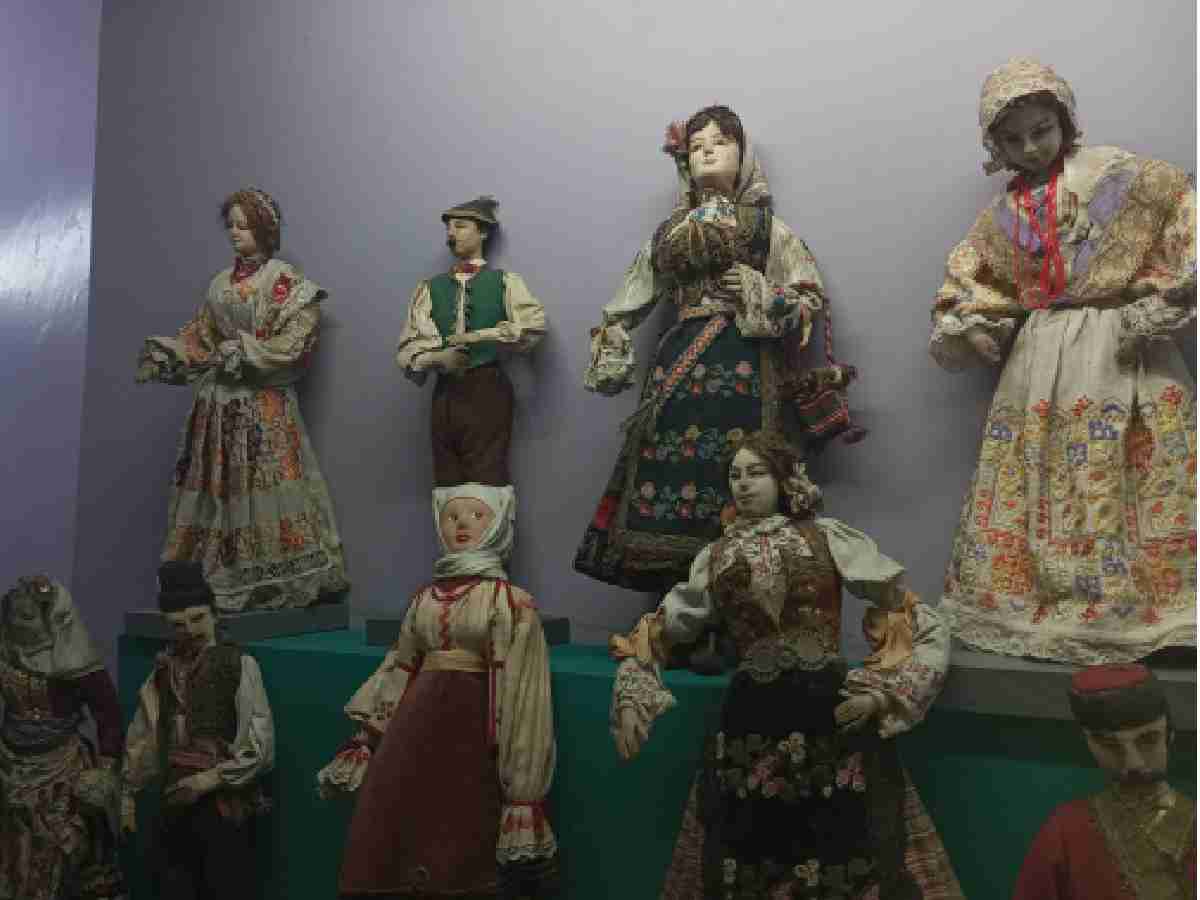 The museum also features dolls of laughing Buddhas, scenes from the Ramayana, depictions of India’s freedom struggle, and even the moon landing. These miniature figures form a unique tapestry of world history, myth, and human creativity—captivating generations of visitors.