An East Delhi–based businessman, Sanjay Wadhawan, was recently visiting Connaught Place with his family. After they had lunch at the Indian Coffee House at Mohan Singh Place, they decided to watch a movie at the Rivoli. They were in for a shock when they arrived: the glass gates of Rivoli—once owned by Sardar Soba Singh—were shut. A shocked Wadhawan said, “What was even more shocking was that there was not even a single soul there who could tell us why it was closed.”
Connaught Place has long been more than a commercial hub of Delhi. Among its most iconic institutions were the four historic picture halls—Regal, Plaza, Rivoli, and Odeon. Generations of Delhiites have watched movies in these halls. Today, however, the cinematic landscape of Connaught Place stands diminished. Regal has permanently shut, Rivoli is currently closed, Odeon has shut earlier, and only Plaza continues to screen films regularly. This decline has deeply affected film buffs and marks the erosion of a shared urban cultural experience.
In its early years, Rivoli screened top English movies. Successful films such as Alfred Hitchcock’s Dial M for Murder (1954), Psycho (1960), and The Story of a Woman played here and were greatly loved. Recalls author and film buff Dr Ravinder Kumar, “I have watched dozens of movies here. In 1969, I watched Rajesh Khanna and Sharmila Tagore’s Aradhana. I believe that after Aradhana’s success, Rivoli’s character changed. It began showing three daily Hindi film shows, with one reserved for English films. It continued writing new chapters of success with films like Julie (1975).”
Evolving with time, Rivoli became a multiplex in 2005. Sadly, it is now shut, and nobody knows when it will reopen its doors for filmgoers.
Which Delhiite hasn’t watched a film at Odeon? Every Delhiite has stories, anecdotes, and memories associated with it. After the release of Dhoni’s biopic, it was closed for a very long time. During those days, not a single movie poster adorned its walls. Thankfully, it has reopened and is currently showing Mardaani 3. Says film journalist Sailesh Giri, “Odeon is a premier theatre of the capital. When it was shut, a very large number of film buffs virtually stopped visiting Connaught Place. They used to watch movies at Odeon after shopping.”
Thankfully, Odeon is back
Odeon was never an ordinary cinema hall. It was Delhi’s first air-conditioned cinema and the second 70mm screen theatre after Sheila. For Dev Anand, Odeon proved truly lucky. Delhi watched many of his films here with great love—Hum Dono, Jewel Thief, Guide, Paying Guest, Munimji, Kala Pani, and many more.
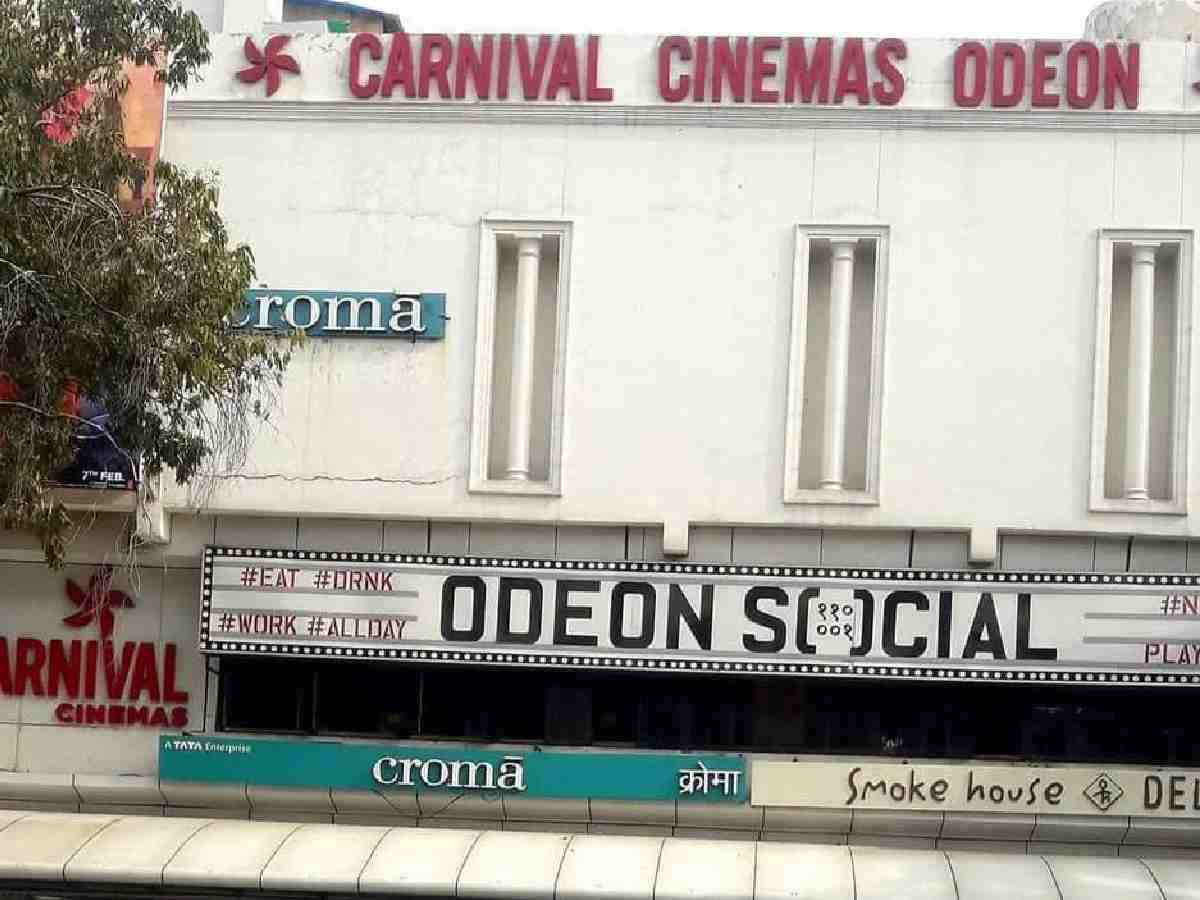
In its early days, Odeon screened only Hollywood films. Back then, mostly Europeans came to Connaught Place to shop or watch movies. After India’s Independence, the Ishar Das Sahni family from Rawalpindi leased Odeon in 1951. The family already owned cinema halls in Rawalpindi and Peshawar, so they had experience running theatres. It was after the Sahni family took over that the theatre’s fortunes truly turned.
A new era followed, with popular films of the time such as Naya Daur, Navrang, Jhanak Jhanak Payal Baaje, and Kohinoor being screened here and becoming hits. Audiences started pouring in, aided by Odeon’s superb location. Tongas and phutphutias (auto-rickshaws) would come right up to its entrance. Film enthusiasts from Delhi-6 rode them to reach the Odeon. Tongas and phutphutias were stopped before Minto Bridge sometime before the 1980s.
Chetan Anand’s 1962 film Haqeeqat, set against the backdrop of the India–China war, was also screened at Odeon. Watching it, Delhi wept countless times.
Pakeezah was released at Odeon on February 3, 1972. After numerous difficulties and delays, it was finally released, but on March 31, 1972, Meena Kumari passed away. Following her death, Delhi flocked to see Pakeezah.
As Ziya Us Salam wrote in Delhi—Four Shows: “After Meena Kumari’s untimely death, her fans flocked day and night to Jagat to watch Pakeezah. Among them was a nawab sahab living in a haveli in Matia Mahal. His name was Nawab Shariq. He would hum Pakeezah songs all the time.”
After Raj Kapoor’s death in 1987, Odeon screened most of his films. In 2018, Odeon was converted into a multiplex. Before that, Salman Khan’s Chori Chori Chupke Chupke and No Entry achieved massive success here. During No Entry, the theatre erupted in whistles and applause every time Salman Khan made his entry.
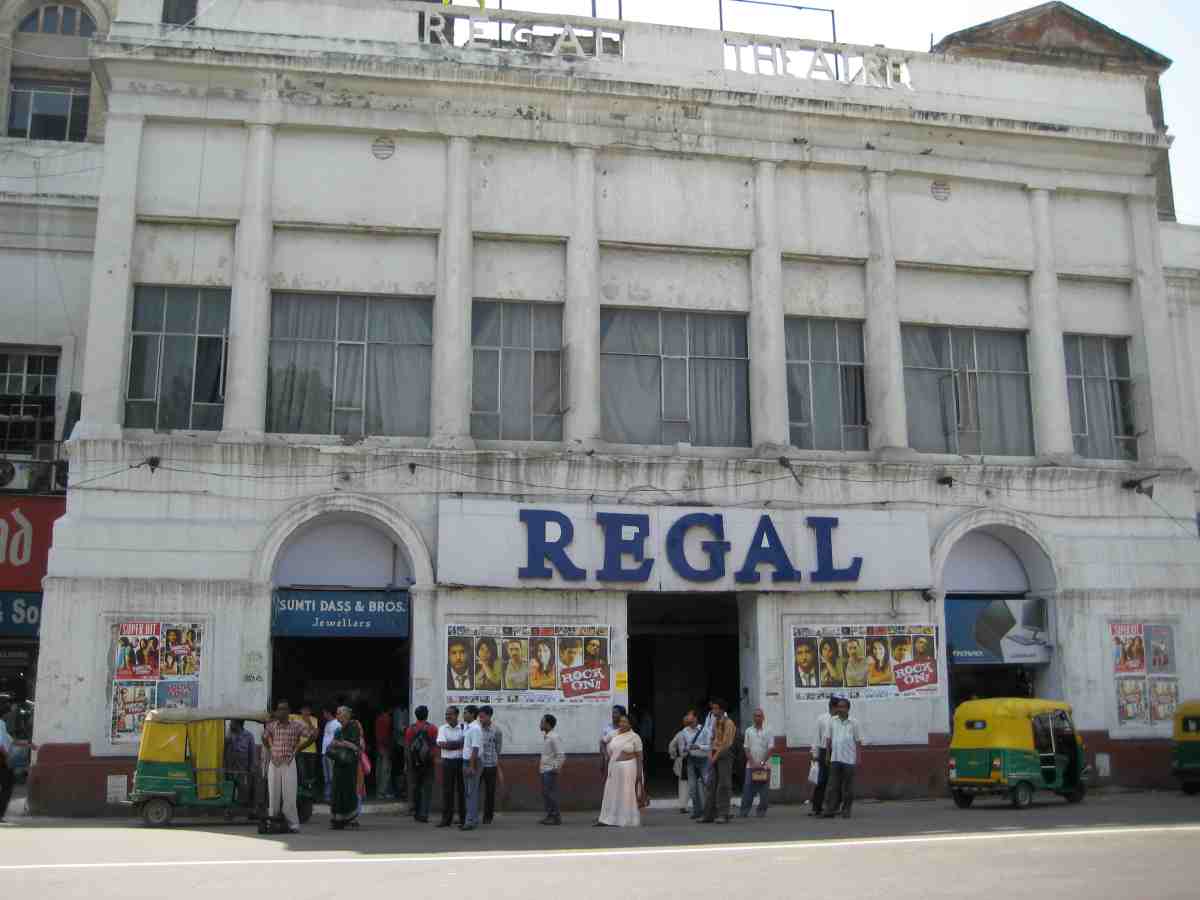
Remembering Regal
Regal was New Delhi’s first cinema hall. It shut its doors on March 31, 2017. Built alongside Connaught Place, Regal’s last release was Aamir Khan’s Dangal. With that, one of the capital’s oldest single-screen theatres was consigned to history.
Initially, English plays were staged here. Lord Mountbatten and Lady Mountbatten watched many plays at Regal. The first film screened here was Gone with the Wind (1939). India’s first President, Dr Rajendra Prasad, and Prime Minister Pandit Jawaharlal Nehru also watched films here.
Regal was designed by British architect Walter Sykes George, part of Edwin Lutyens’ team that planned New Delhi. He also designed St Stephen’s College, Miranda House, Gwyer Hall, and Sujan Singh Park.
Bollywood’s showman Raj Kapoor had a deep connection with Regal. Many of his films were released here, including Bobby, Jaagte Raho, Sangam, and Boot Polish. His last film to play at Regal was Satyam Shivam Sundaram.
“A special feature of Regal was its boxes—private seating areas where families or friends could enjoy films in comfort and privacy,” recalls Taqi Mohammad, who watched many films here. It is said that V Shantaram loved Regal, which is why his Dahej (1950) and Do Aankhen Barah Haath (1958) were released here. Above Regal was The Standard restaurant, where Delhiites would sit for coffee and chat before or after a film.
Plaza — still going strong
While Regal has closed and uncertainty surrounds Odeon and Rivoli, Plaza stands tall and continues to screen films. For decades, Plaza has been associated with mainstream Hindi cinema and big-ticket releases. Opened in the 1930s, it saw massive crowds when Sholay was released in 1975.
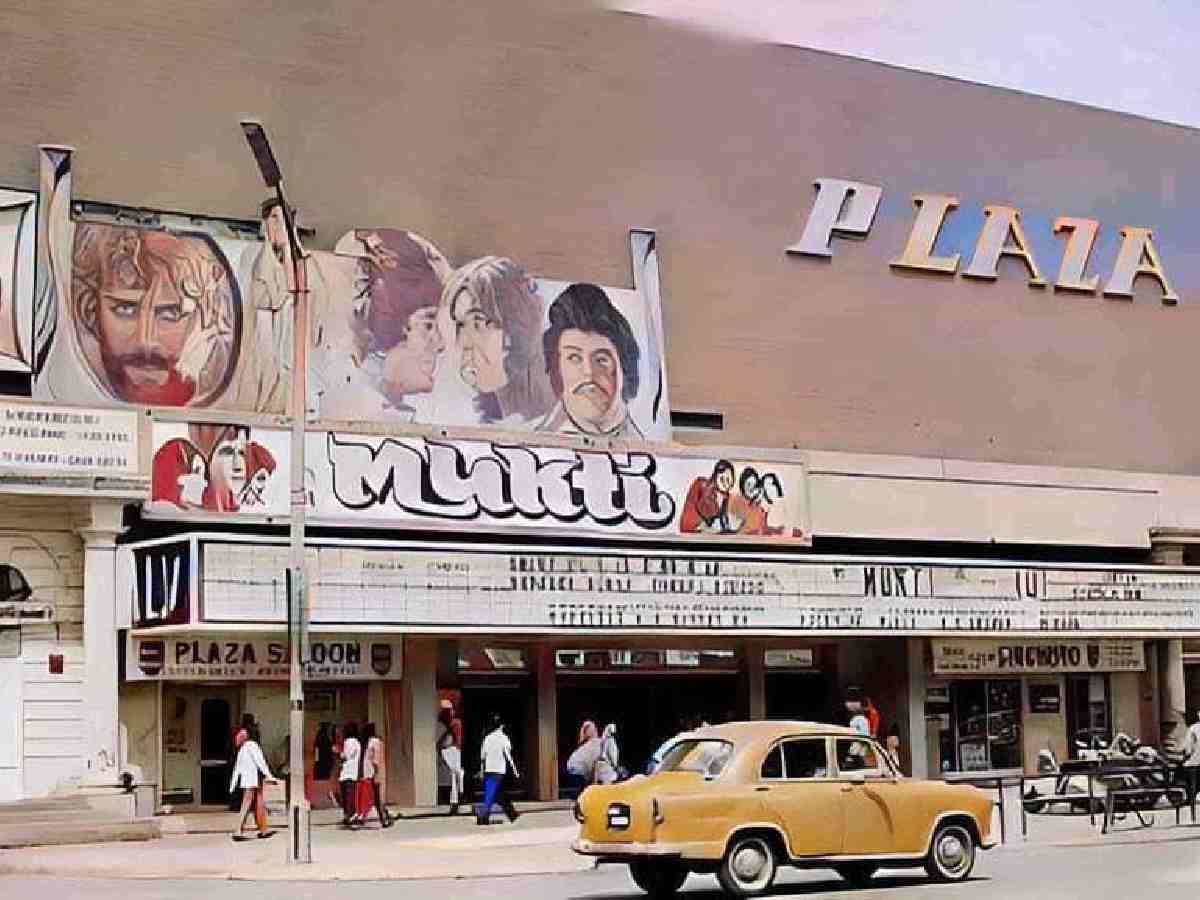
Plaza promoted the film aggressively. Large posters appeared across South Extension, Ajmeri Gate, Moti Nagar, and elsewhere—some showing Amitabh Bachchan and Dharmendra with guns alongside a larger-than-life Gabbar (Amjad Khan) while others featured the full cast under the bold title Sholay.
It is worth mentioning that Plaza was once owned by Sohrab Modi. In 1964, Joginder Sahni took it over, with partners Shammi Kapoor and producer FC Mehra. Shammi Kapoor later sold his stake. Right across Plaza, Bhai Mohan Singh opened an office in the early 1950s—the same Bhai Mohan Singh who later built Ranbaxy Pharma into one of India’s leading pharmaceutical companies.
The fading of Connaught Place’s picture halls represents a significant cultural loss for Delhi.