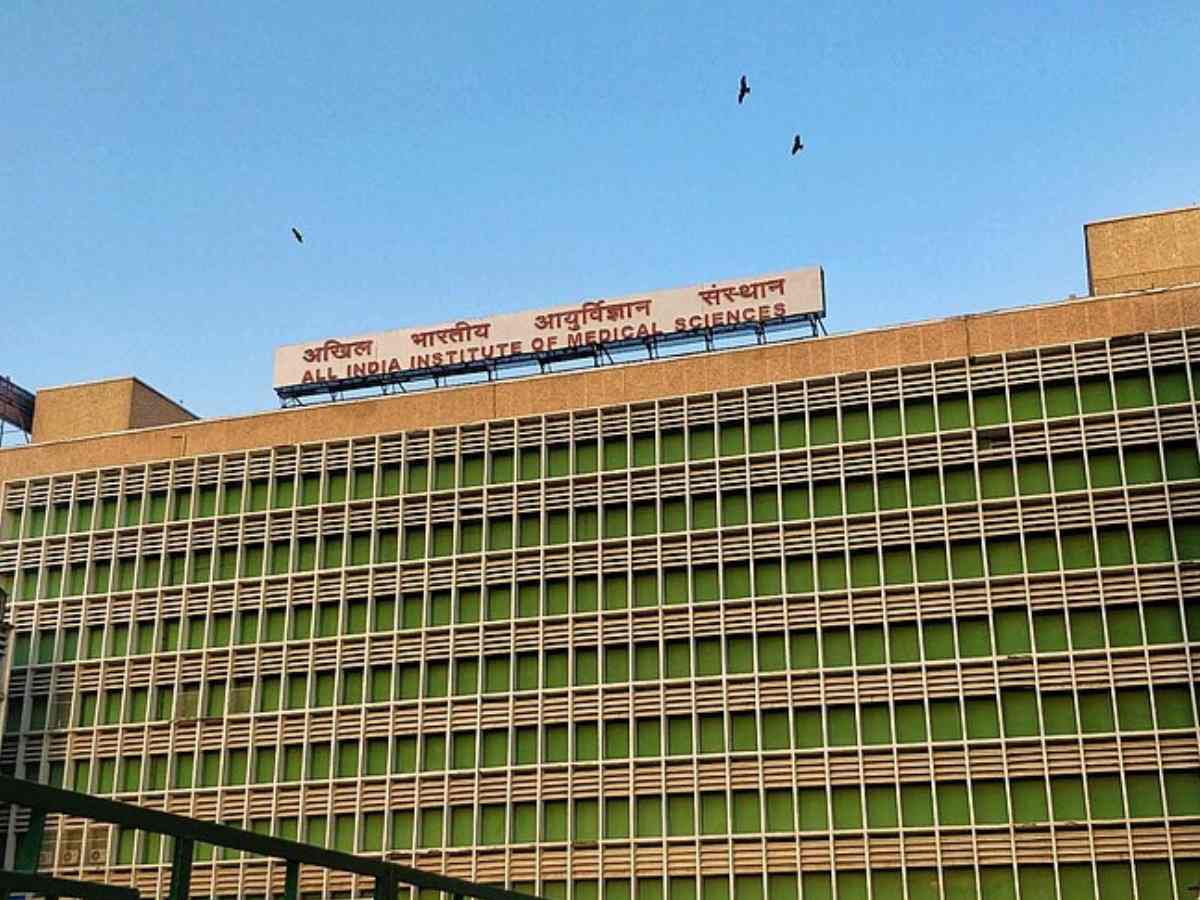
AIIMS New Delhi served as the national coordinating centre and lead enrolling site for the GRASSROOT Trial, India’s first domestic clinical trial of an advanced stroke treatment device, the Supernova stent.
“This trial is a turning point for stroke treatment in India,” said Dr Shailesh B Gaikwad, Professor and Head, Department of Neuroimaging and Interventional Neuroradiology, AIIMS New Delhi, and National Principal Investigator of the GRASSROOT Trial.
Trial results and publication
The results of the GRASSROOT Trial have been published in the Journal of Neurointerventional Surgery (JNIS), part of the British Medical Journal group. According to the publication, the trial evaluating the Supernova stent, developed by Gravity Medical Technology, demonstrated excellent safety and efficacy outcomes in the treatment of severe strokes.
Regulatory approval and significance
Earlier this year, data from the GRASSROOT Trial was accepted by the Central Drugs Standard Control Organisation (CDSCO), following which the Supernova stent-retriever was approved for routine use in India. This marks the country’s first stroke device to be cleared on the basis of a domestic clinical trial.
The approval follows the GRASSROOT India Trial, conducted across eight centres, which confirmed the device’s safety and efficacy in treating life-threatening strokes. The trial is being seen as a milestone for the Make in India initiative and positions India as a global contributor to advanced stroke care.
Building indigenous clinical evidence
Highlighting that the trial generated world-class clinical evidence entirely within India, Dr Ashutosh Jadhav, Chief Scientific Officer at Gravity, said the effort built a “robust framework for future large-scale, high-quality trials”.
Dr Deepti Vibha, Professor of Neurology at AIIMS New Delhi, underlined the role of patients and their families, noting that their participation will “bring faster, more affordable treatments to millions”.
Global relevance and Indian expertise
Dr Shashvat M Desai, Chief Technology Officer at Gravity Medical Technology, described the approval as “more than just a regulatory milestone”.
Also read: Over 30 patients with uncontrolled diabetes fully recovered through surgery: AIIMS Delhi
“This achievement demonstrates that India can design and deliver clinical trials of global significance, accelerating access to advanced therapies while upholding equity,” he said.
Desai added that the trial and subsequent device approval stand as a testament to the expertise of Indian clinicians, including Dr Gaikwad and his team, who bring over three decades of experience in advancing stroke treatment.
Acknowledging the clinical team
Dr Gaikwad acknowledged the contributions of the AIIMS team involved in the trial, including Dr Manjari Tripathi, Dr Rohit Bhatia, Dr Achal Srivastava, Dr Vishnu, Dr Awadh K Pandit, Dr Rajesh Singh, Dr Ayush Agrawal and Dr Savyasachi Jain.
Designed for Indian patients
Developed by Gravity Medical Technology, the Supernova device has been designed keeping India’s diverse patient population in mind, where strokes often occur at a younger age compared to Western countries.
“The device has already treated more than 300 patients in Southeast Asia and will now be manufactured and available in India at affordable prices, offering new hope to the 1.7 million Indians who suffer strokes each year,” said Dr Dileep Yavagal, Professor of Neurology and Neurosurgery at the University of Miami and Global Principal Investigator of the GRASSROOT Trial.