Seated inside the subway leading to AIIMS Delhi, Gopal Acharya, a resident of Uttar Pradesh, wipes sweat from his forehead. The enclosed metro passage has become the only source of respite for Acharya and his wife during Delhi’s intense summer heat.
“We thought it would be much simpler, but the heat is a bit too much to bear. At night, we stay inside the subway since it is safer and not as hot as sleeping outside on the pavement,” Acharya said.
When asked whether he knew about the summer shelters set up by the Delhi Urban Shelter Improvement Board (DUSIB), the couple said they had received no information.
“I have been here for over a week, attending to my mother every day, and nobody has informed us,” he said. “Staying outside has become increasingly difficult as temperatures continue to rise.”
While DUSIB stated that posters about the shelters had been put up across major hospitals — including Ram Manohar Lohia Hospital, AIIMS Delhi, Lady Hardinge Medical College and Hospital, and Safdarjung Hospital — many patients and attendants said they were still unaware of the facilities.
Low awareness
At present, Delhi has 13 summer shelters, all operated by the Society for Promotion of Youth & Masses (SPYM), a non-governmental organisation managing multiple shelters across the city. The summer shelter initiative began on May 15.
The shelters are located within roughly a 3-km radius of major hospitals and include facilities at Kidwai Nagar Community Hall, Laxmi Bai Nagar Community Hall, Moti Bagh Community Hall, Mandir Marg Community Hall, Kaka Nagar Community Hall, Bapu Dham Community Hall, Khan Market Community Hall, Lodhi Road Community Hall, Green Park Community Hall, and several Municipal Corporation of Delhi (MCD) school premises in Green Park, Arjun Nagar, Gautam Nagar, and Humayunpur.
During reporting, Patriot visited several shelters to assess how the facilities were functioning and whether attendants were using them.
The number of people shifting to these shelters appeared relatively low, with many saying they had never been informed about such facilities.
Meena Phogat, a resident of Ambala in Haryana, said she learned about the shelters only after spending days at Ram Manohar Lohia Hospital while attending to her husband, who was undergoing surgery.
“I got to know only today that there were summer shelters nearby. Not even the security guards informed us. Had I known earlier, I would not have been sleeping in hospital corridors,” she said.
Distance concerns
Some attendants also expressed concerns over the distance between the shelters and hospitals.
“All these community halls are spread across nearly a two-kilometre radius. That makes it difficult to stay away from hospitals for too long,” said Kailash, a resident of Ballia district in Uttar Pradesh, who had come to AIIMS Delhi for his daughter’s eye surgery.
“I visited the nearby community centre once to cool down, but I cannot leave my daughter alone at the hospital for long,” he added.
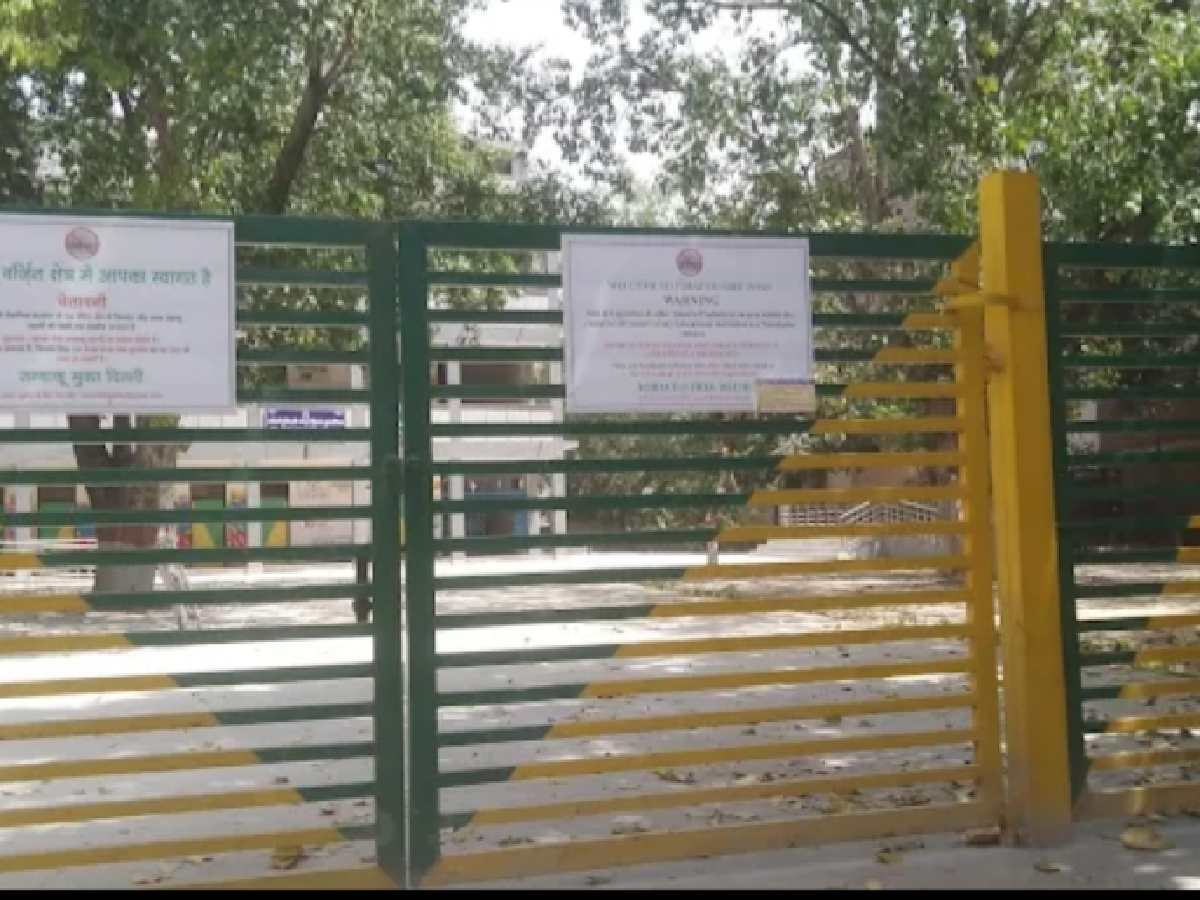
While community halls remained accessible, several school-based shelters appeared shut during visits by Patriot.
Of the four schools visited, none appeared operational at the time. Some local residents said they had occasionally seen people enter during the summer break, while others said the gates had largely remained locked since schools closed for vacations.
“These schools can accommodate a large number of attendants, but the gates remain shut,” said a bystander near the co-educational primary school in Humayunpur.
“It has been like this since the vacations started.”
Sparse occupancy
Ratan Kumar, who oversees the SPYM-run shelters, acknowledged that occupancy remained low.
“Sometimes one person comes, sometimes two. The numbers are too low to meaningfully reflect in occupancy reports,” he said.
“There is very little awareness regarding the existence of these shelters.”
Officials said the shelters, established in MCD and New Delhi Municipal Council schools and community halls, would remain operational till July 15.
According to an official associated with the initiative, many attendants visiting Delhi from outside the city are often forced to spend nights outside hospitals, bus stands, or on pavements because of financial constraints and the lack of affordable accommodation.
The official said the shelters were equipped with facilities similar to DUSIB night shelters, including beds, coolers, fans, meals, ORS packets, drinking water dispensers, mobile toilets, and caretakers.
“Pagoda tents used during winter are not practical during peak summer. That is why temporary shelters have been arranged inside schools and community centres instead,” the official said.
At present, including the summer shelters, Delhi has 217 such shelter facilities. On the night of May 24, they housed 3,926 people against a total capacity of 17,334.